Impact Mill Advantages and Disadvantages
Impact Mill Advantages and Disadvantages
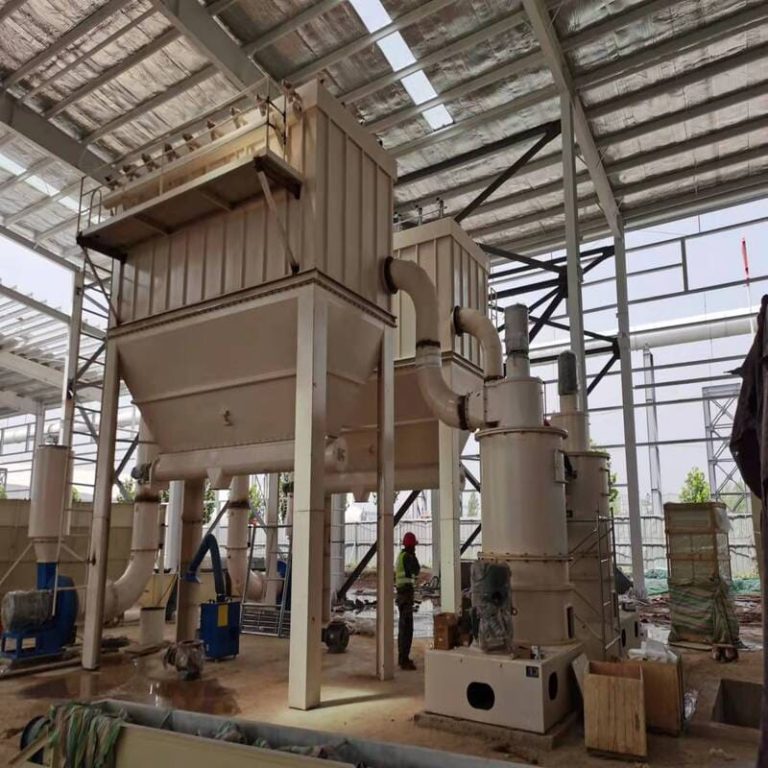
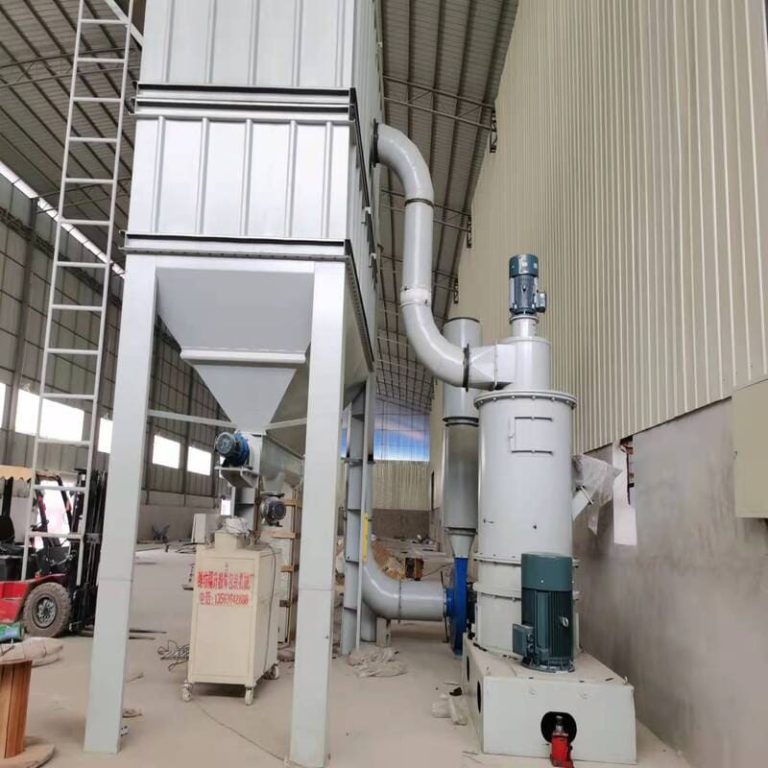
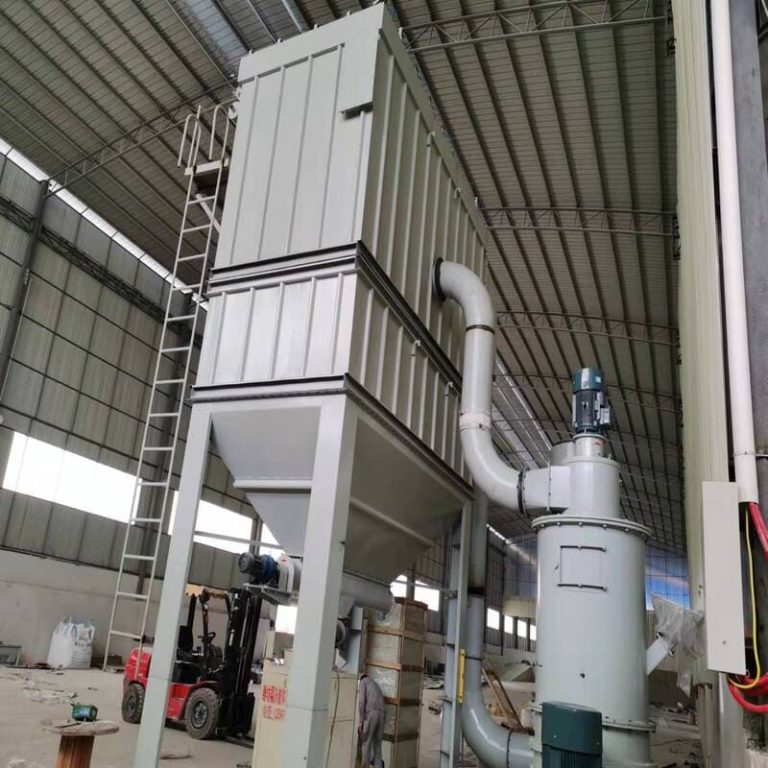
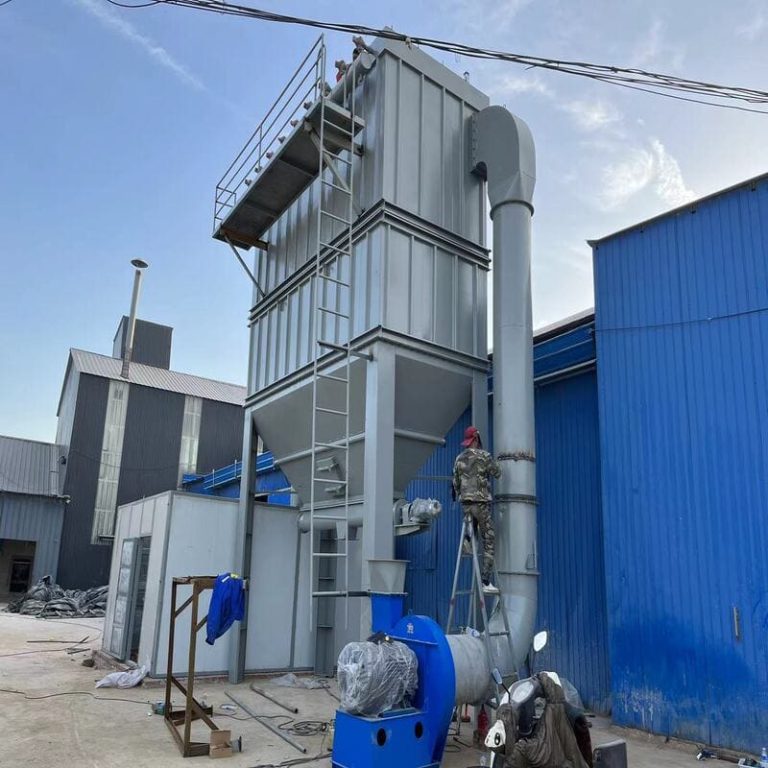
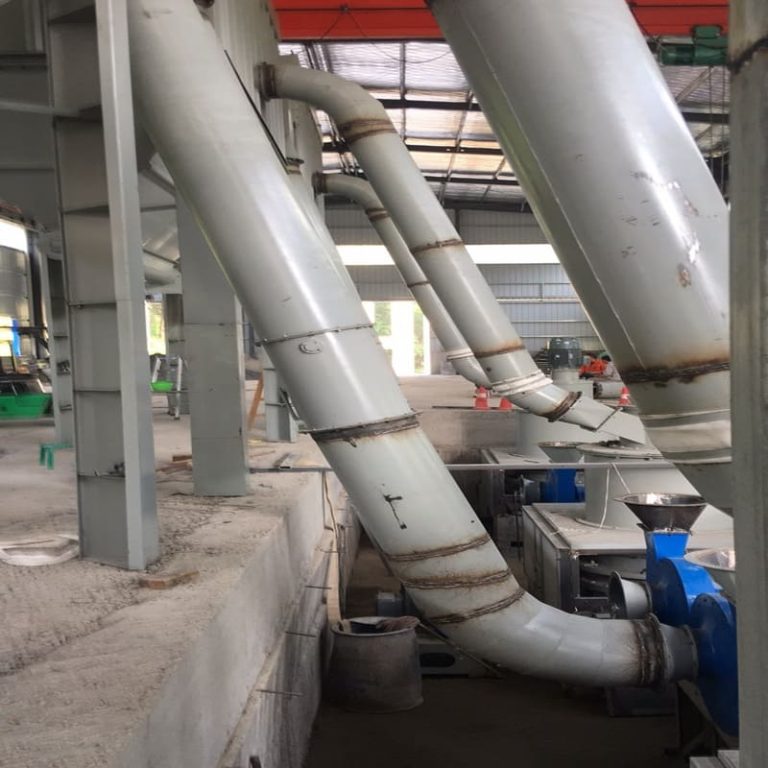
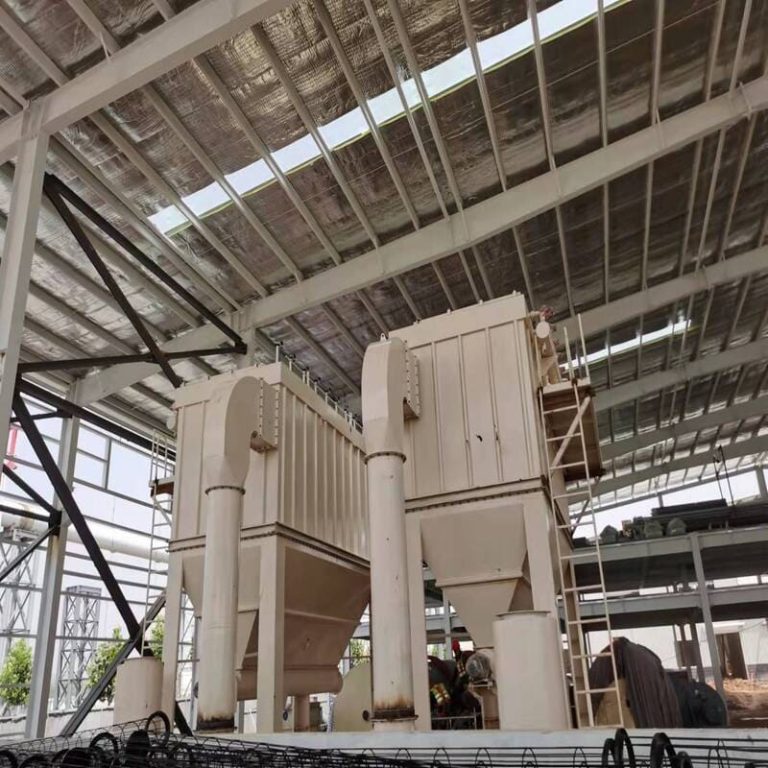
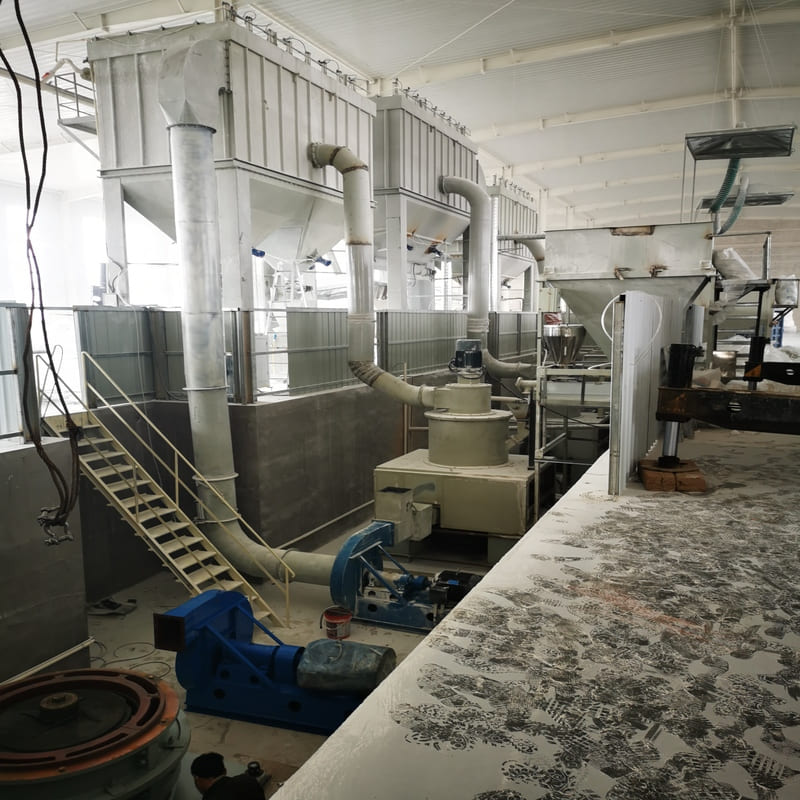
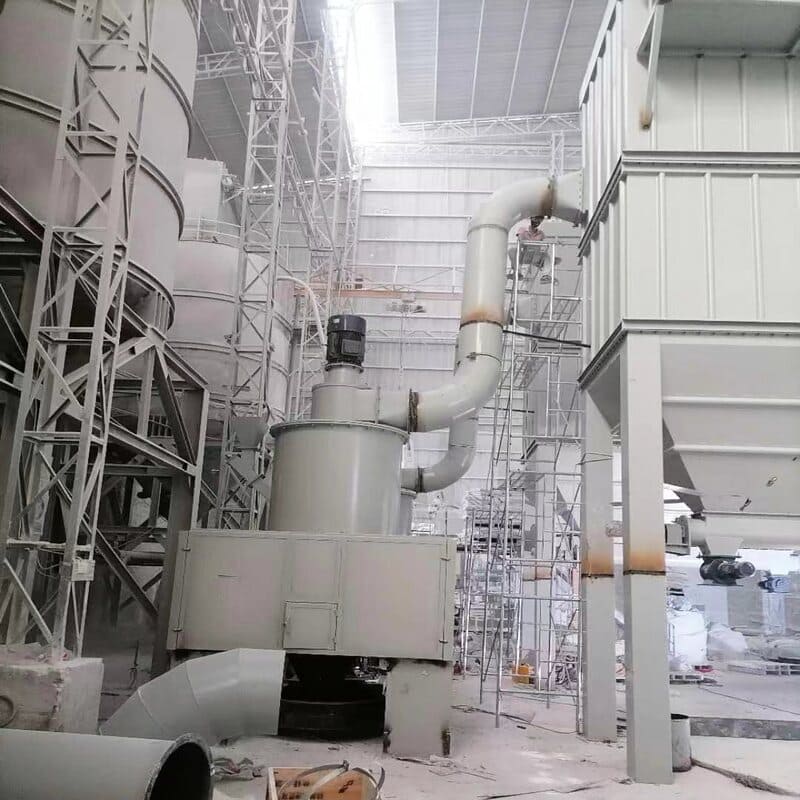
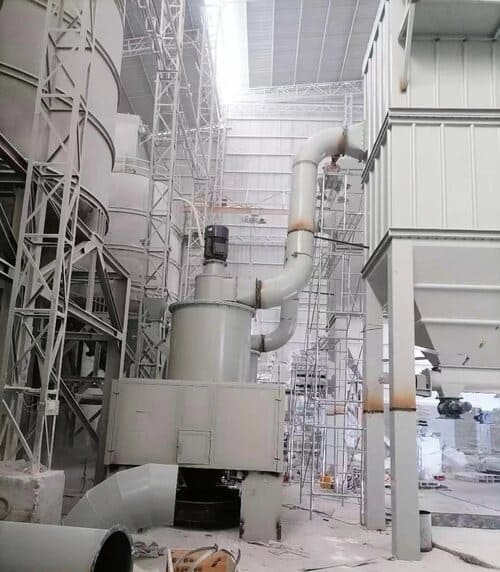
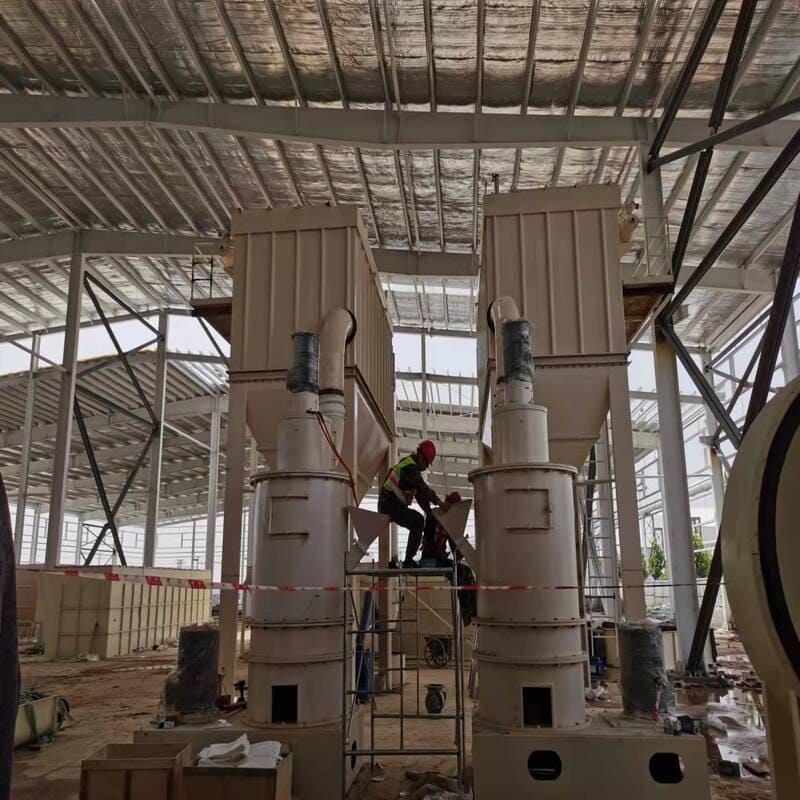
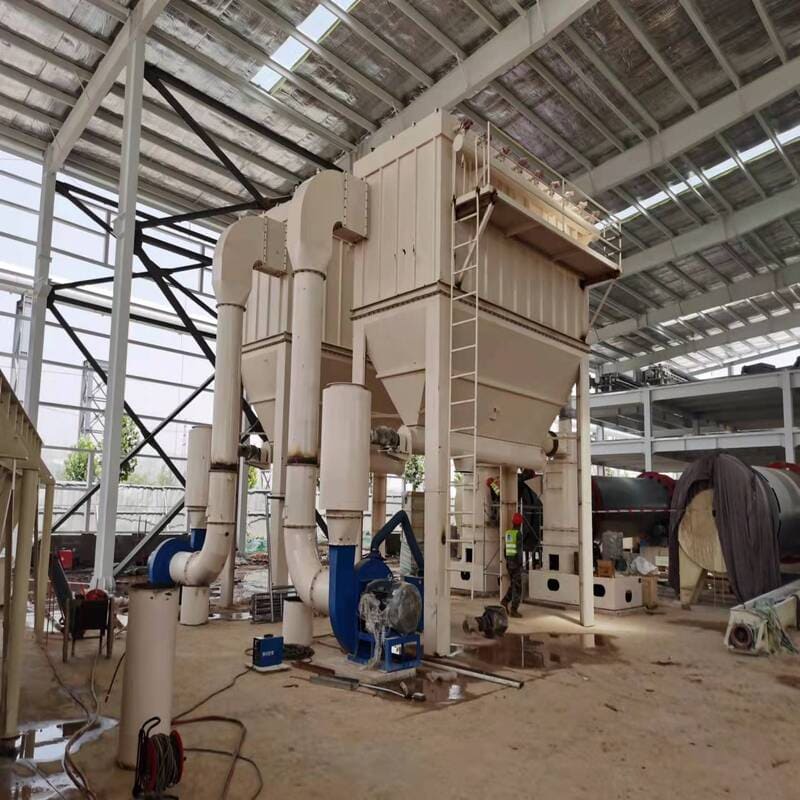
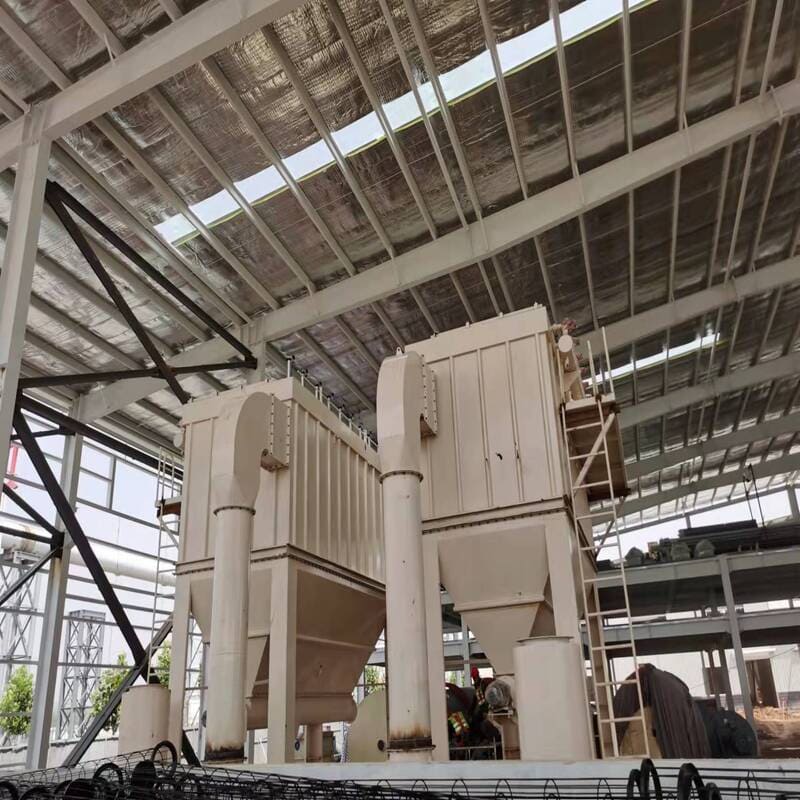
Impact Mill Advantages and Disadvantages. Impact mills are commonly used in chemical powder lines, food manufacture, pharmaceutical production, and mineral processing. It is a common mechanical size-reduction device that turns dry, brittle raw materials into fine powder using high-speed rotor-stator impact, shear, and particle collision. Although many processors depend on their adaptable performance, they also have obvious built-in drawbacks that should not be disregarded when choosing equipment.
We analyze the main benefits and drawbacks of impact mills, appropriate application restrictions, and useful advice to determine whether it matches your production workflow. We achieve this by drawing on independent powder testing, long-term contractor field feedback, and top-ranked technical content.
Main Advantages of an Impact Mill
1. Adjustable, Controllable Particle Size
Most modern impact mills, especially air classifier impact mills, let operators tune finished fineness dynamically. You can adjust rotor speed or classifier wheel RPM to shift D50 and D97 without stopping production to swap screens. Compared with standard hammer mills that rely on fixed screen apertures, impact mills produce a much narrower particle distribution, reducing over-grinding and excessive ultrafine dust. This stability is critical for fillers, pigments and coating raw materials with strict powder quality standards.
2. Compact Layout and Flexible Configuration
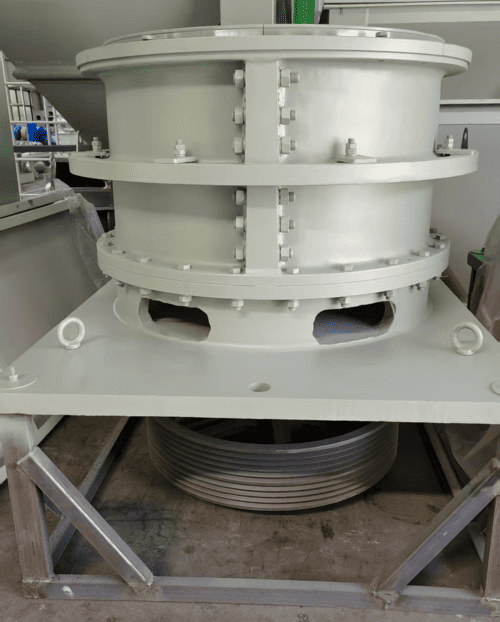
Impact mills occupy a far smaller footprint than ball mills or vertical roller mills of equivalent capacity. Many models support quick interchange of grinding elements: pin discs, turbine blades or flat beaters can be swapped to adapt between fine grinding and medium-coarse crushing. This modular design suits factories that frequently switch between different raw materials, cutting downtime during product formula changes.
3. Balanced Energy Efficiency for Medium-Fine Powder
For target fineness ranging roughly from 10 μm to 100 μm, impact mills deliver competitive energy consumption. Unlike hammer mills that waste power through repeated internal circulation and screen friction, built-in air classification quickly removes qualified powder, shortening material residence time inside the grinding chamber. When you do not need submicron ultrafine output, impact mills cost significantly less to run than jet mills that require large air compressor systems.
4. Closed Negative Pressure Operation, Low Dust Leakage
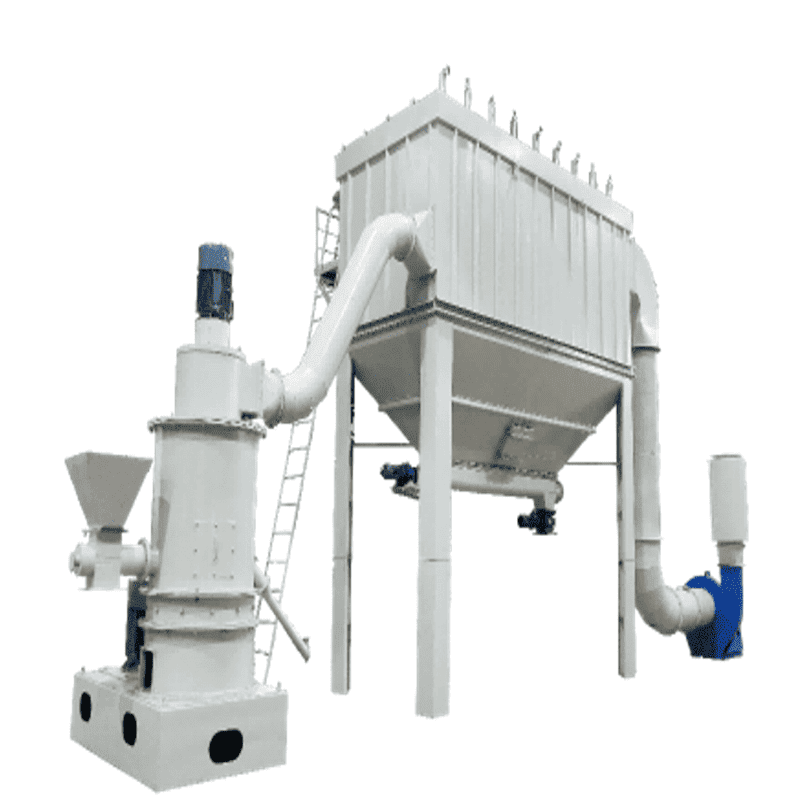
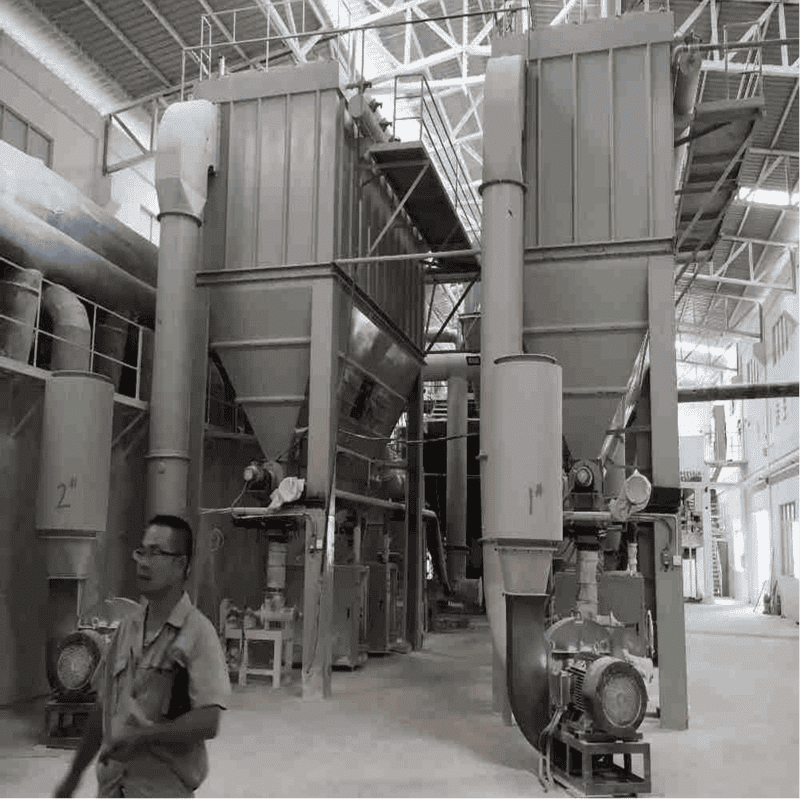
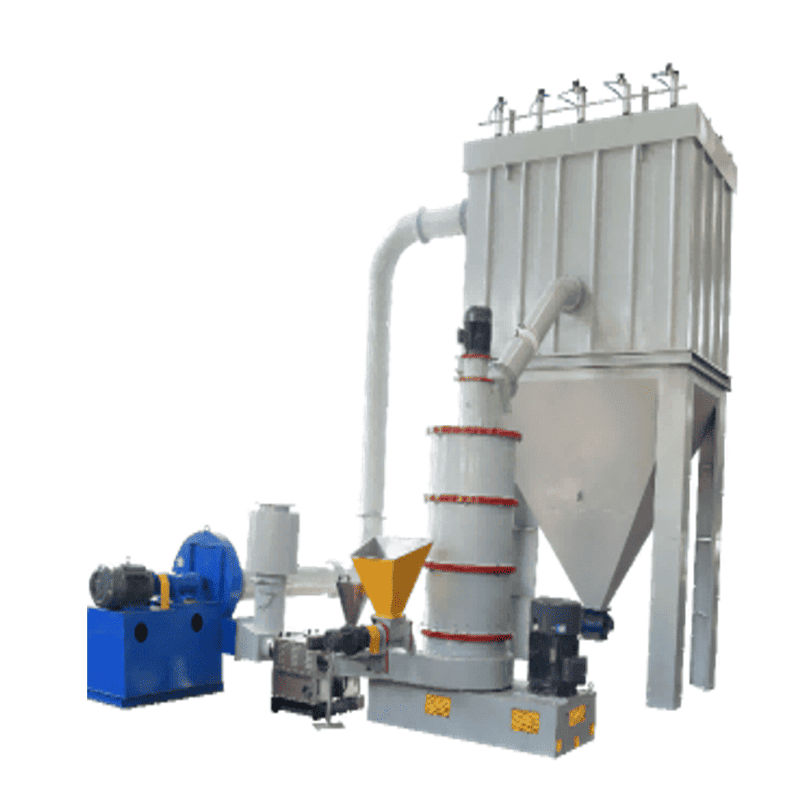
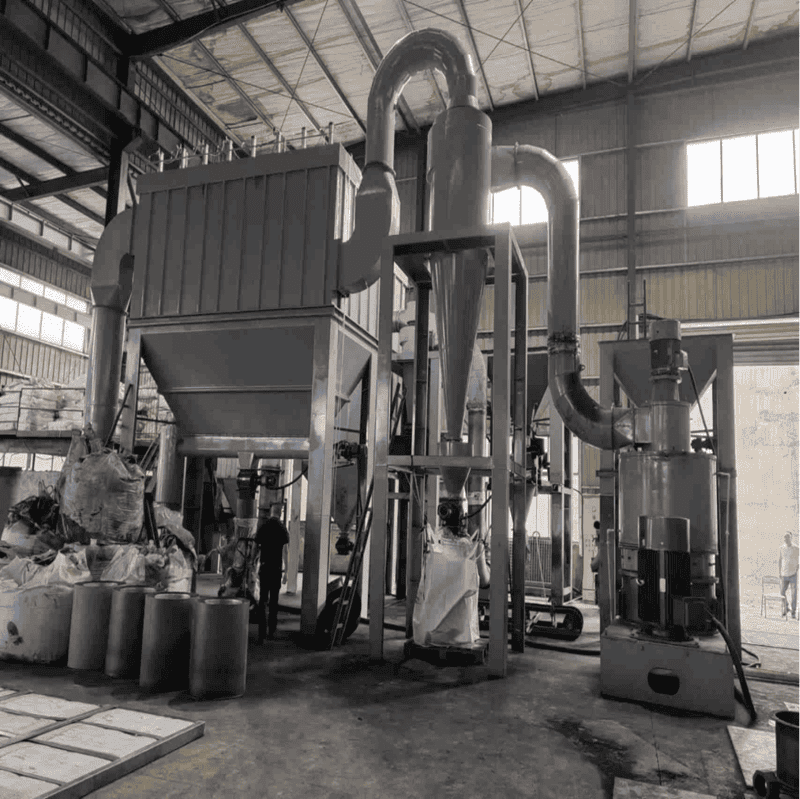
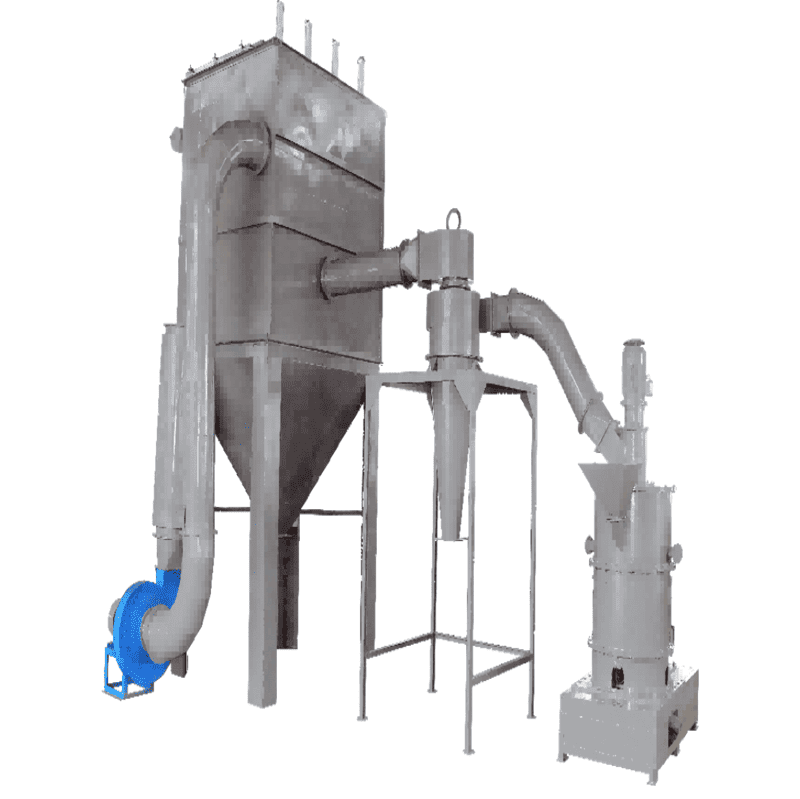
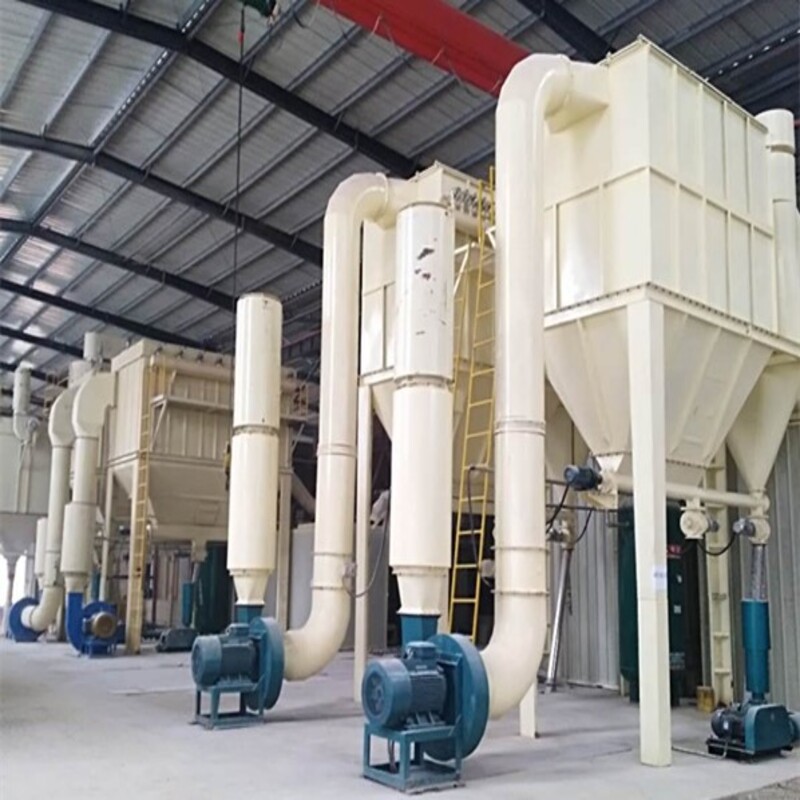
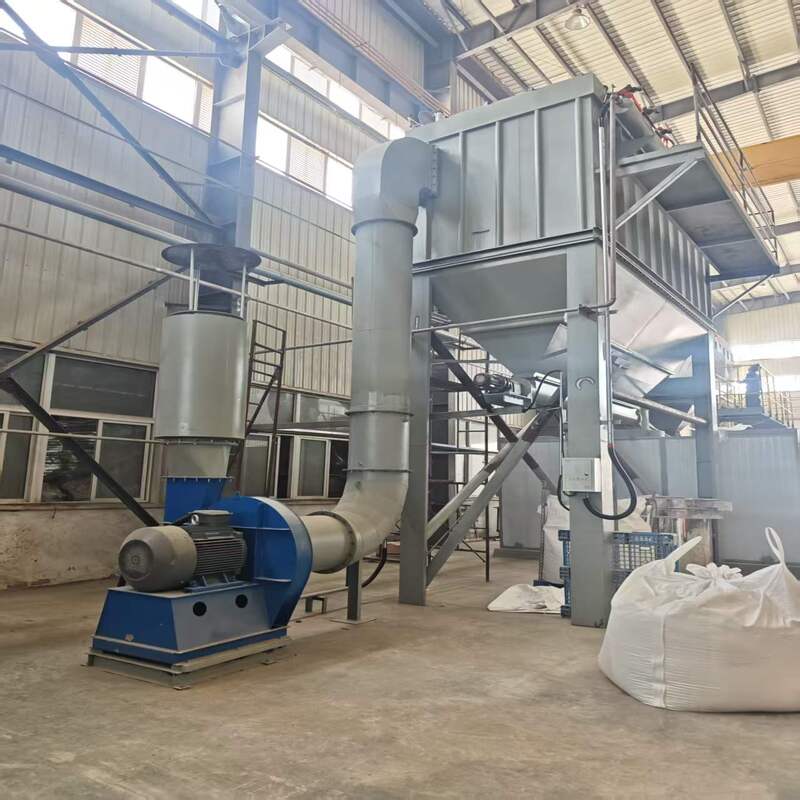
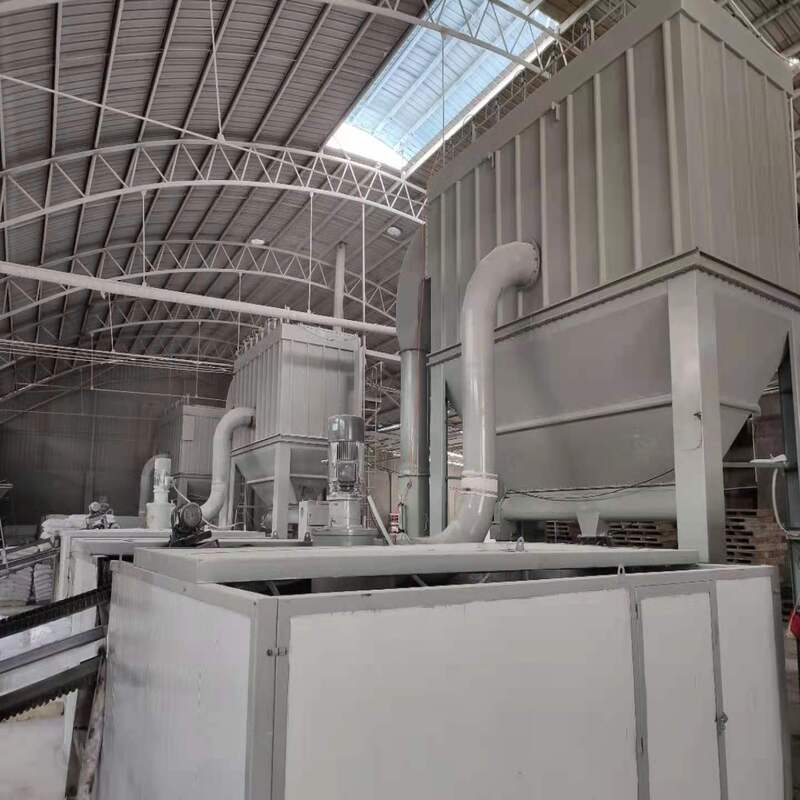
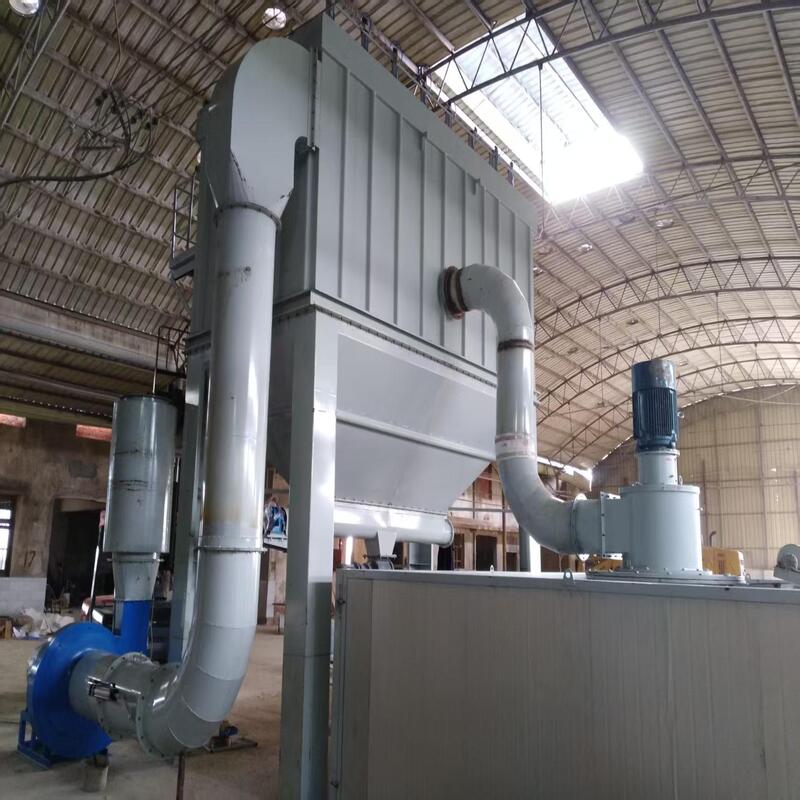
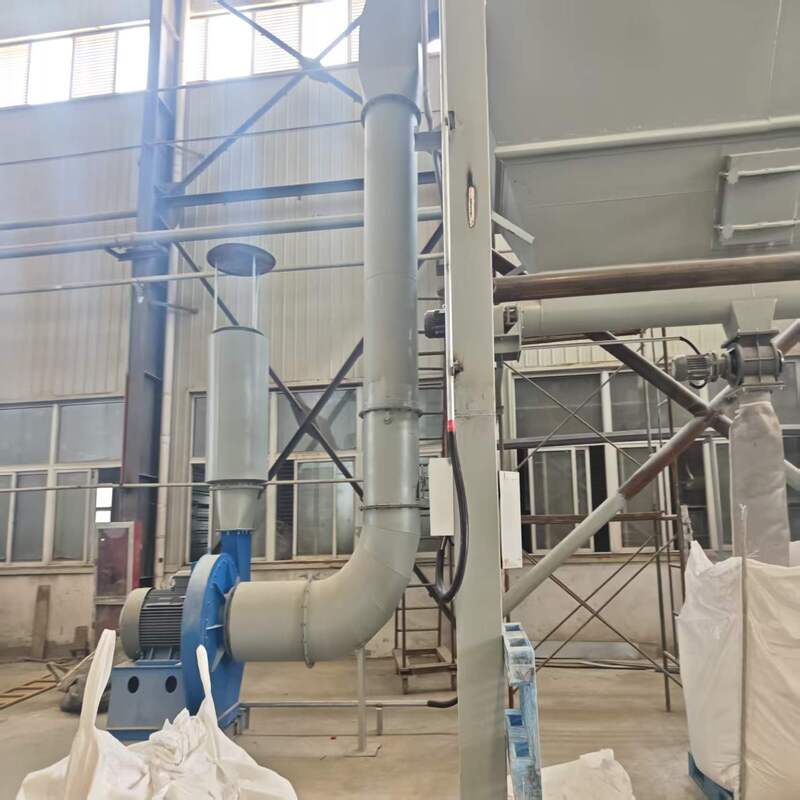
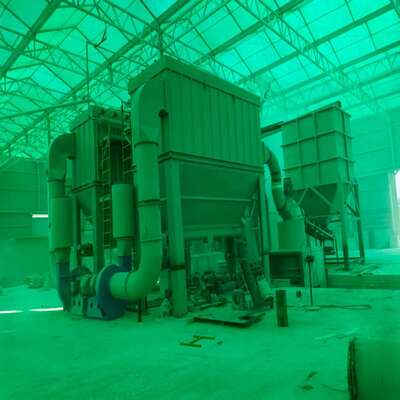
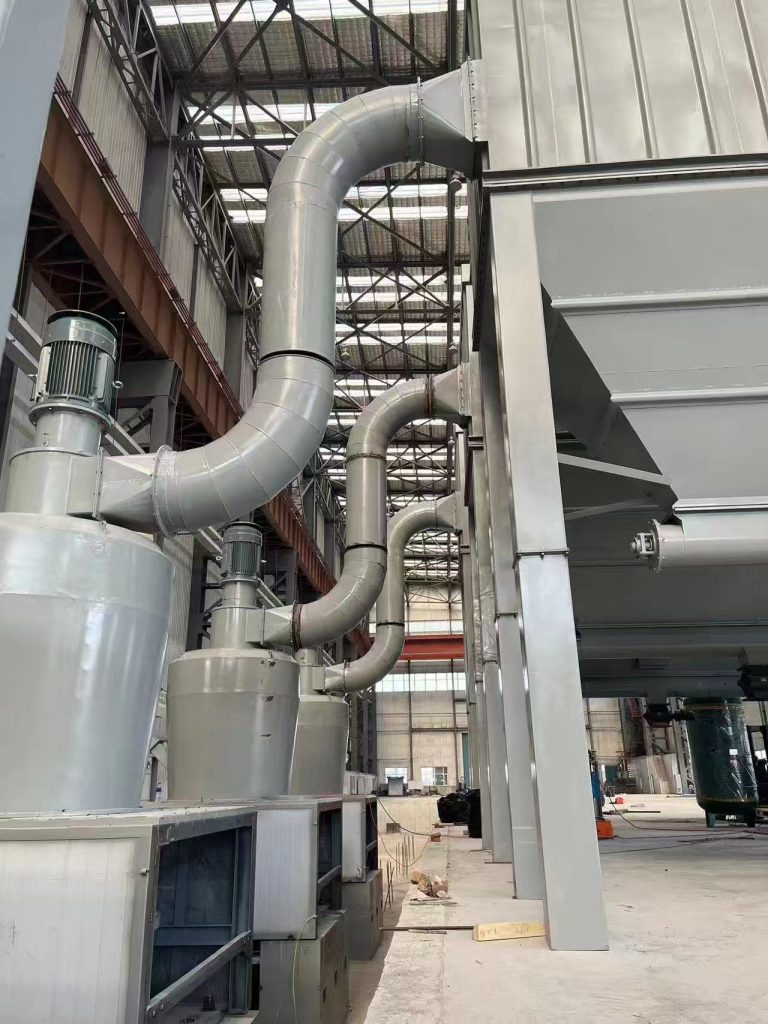
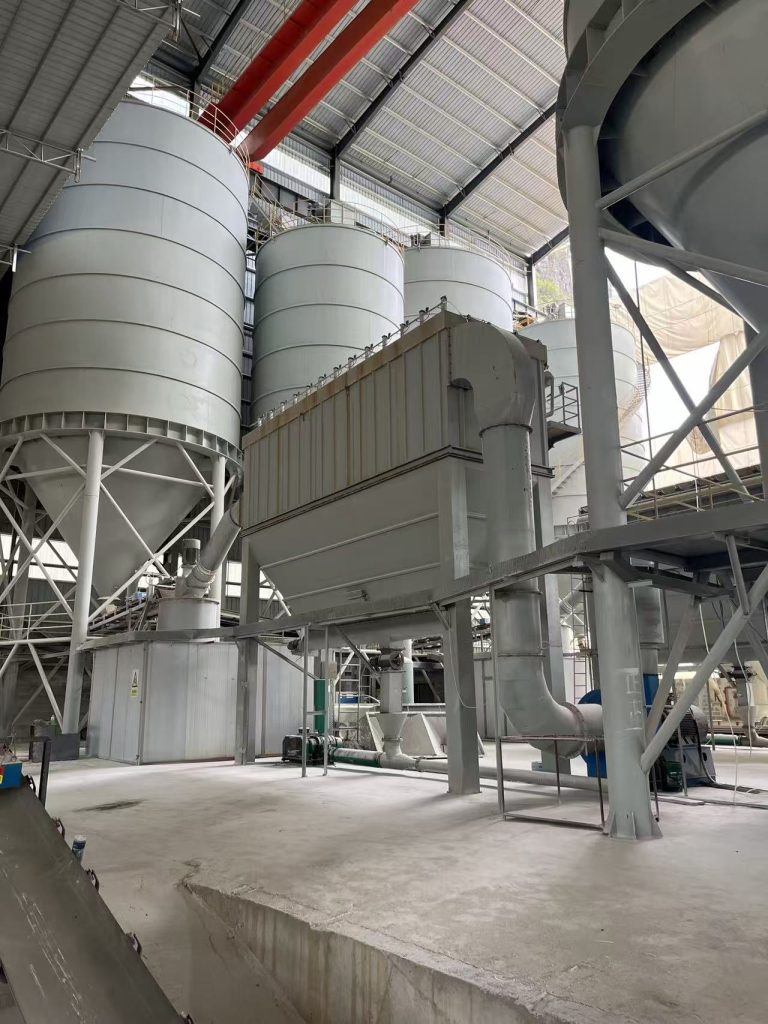
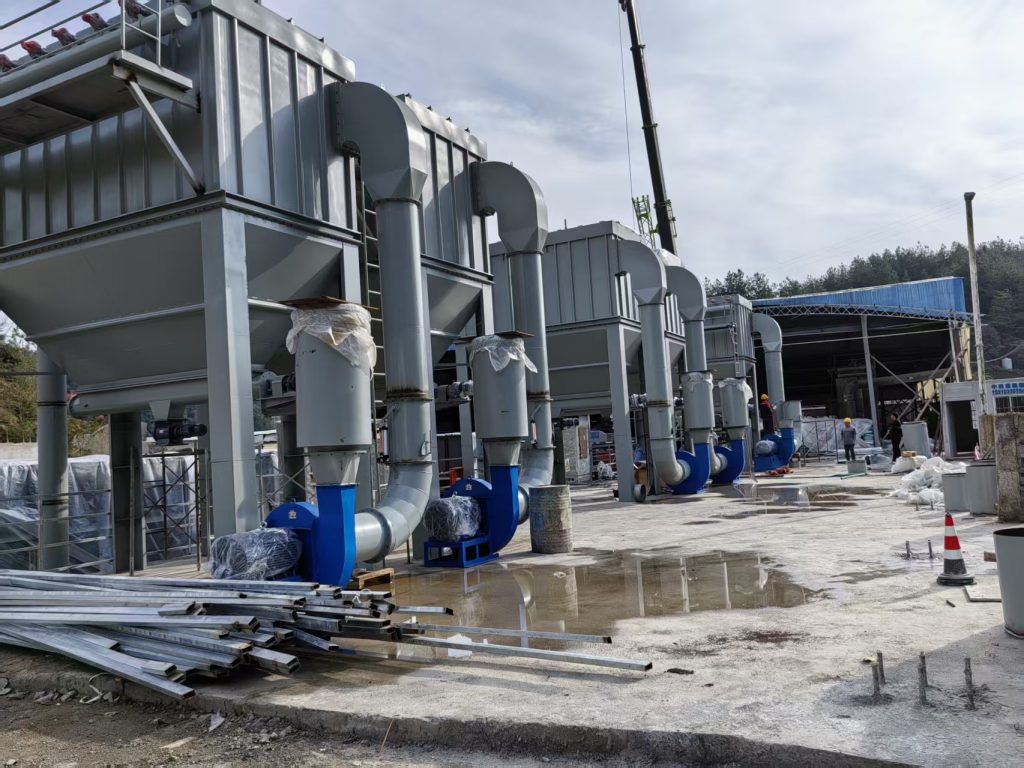
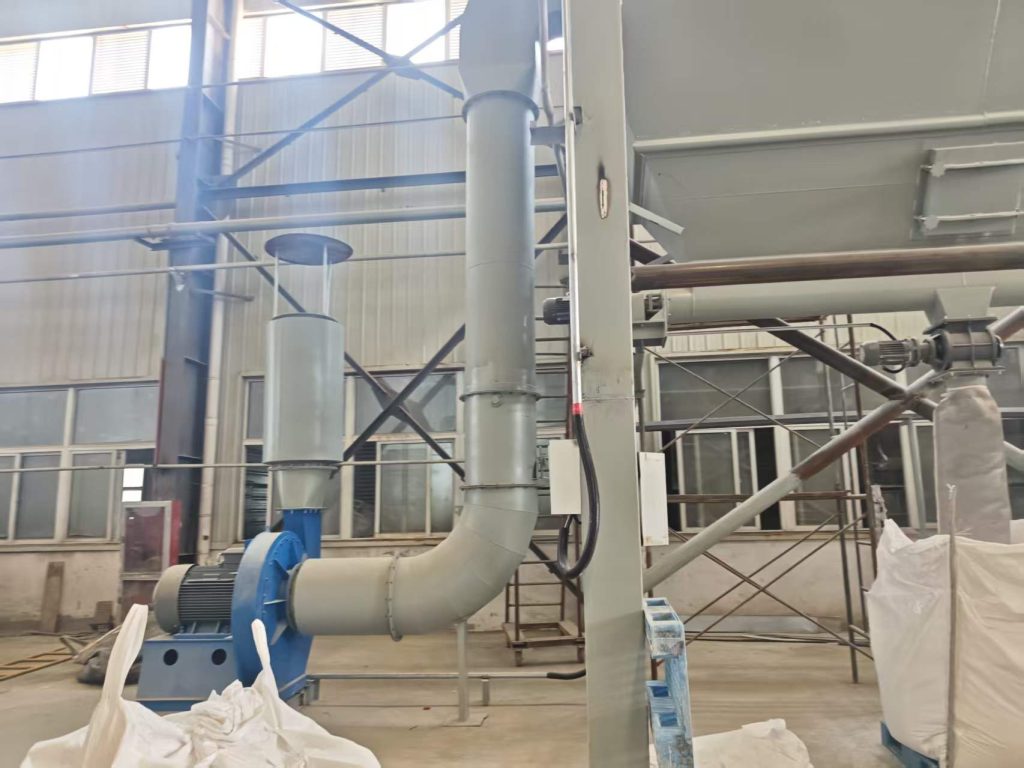
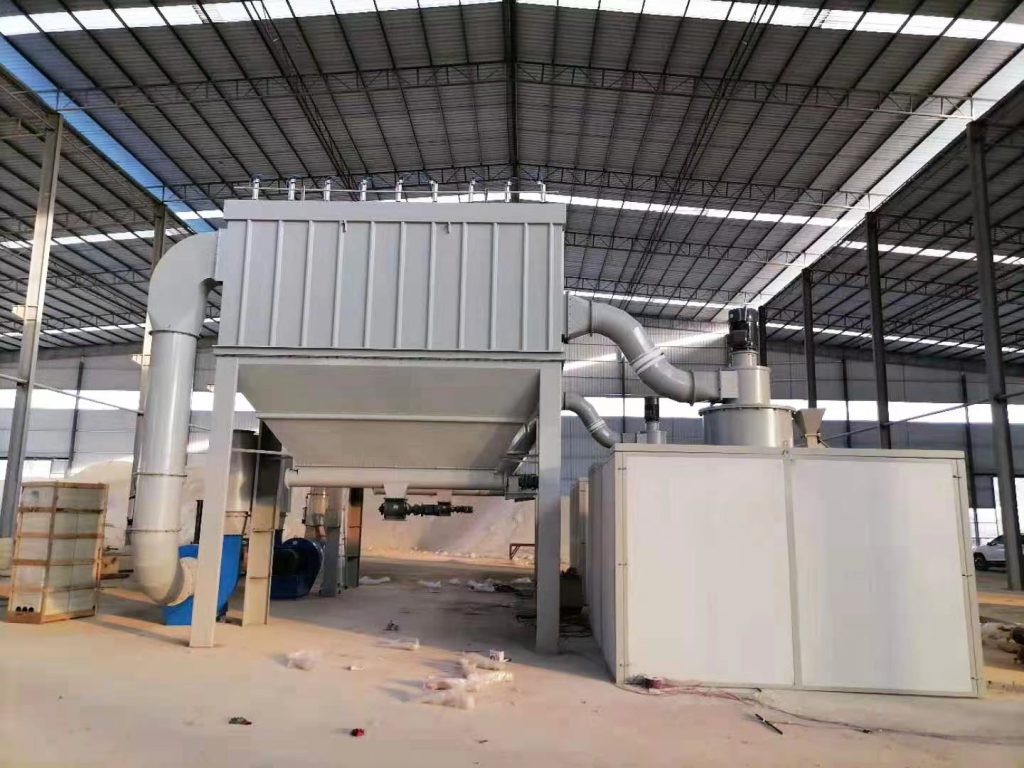
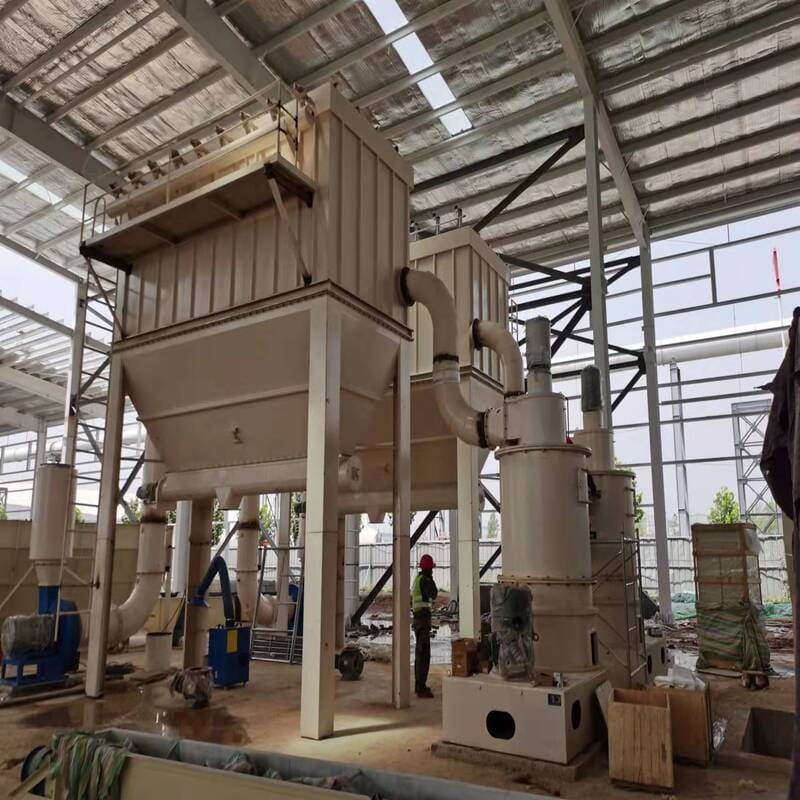
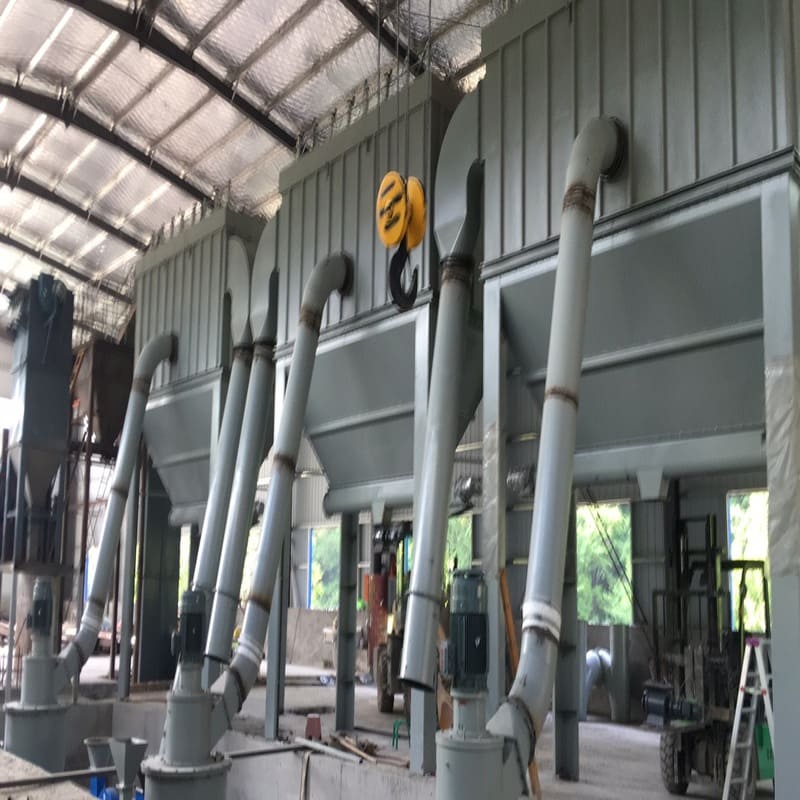
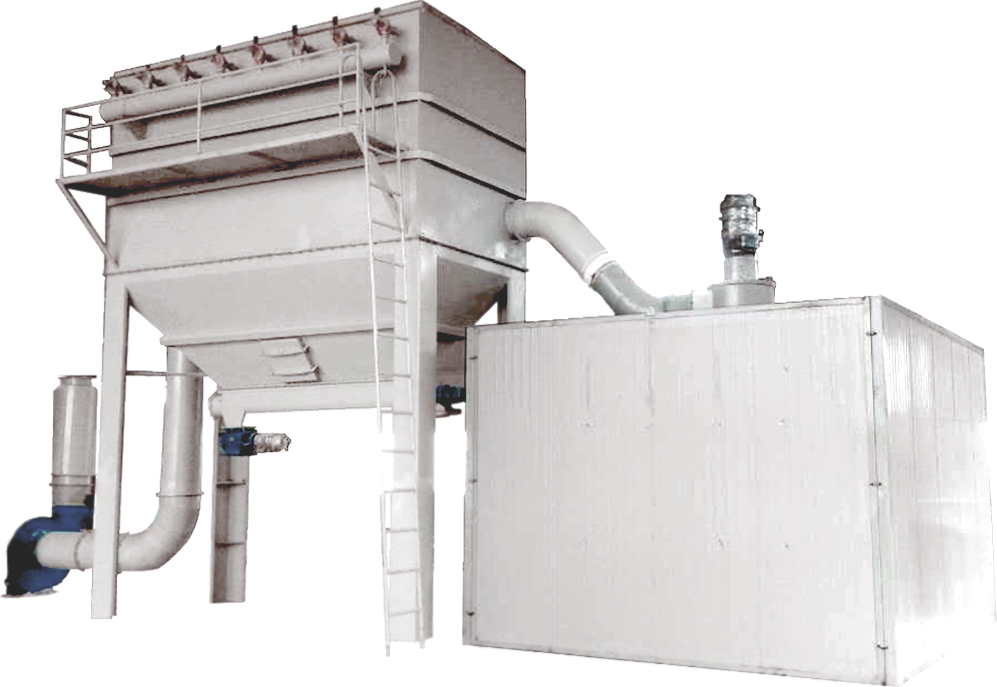
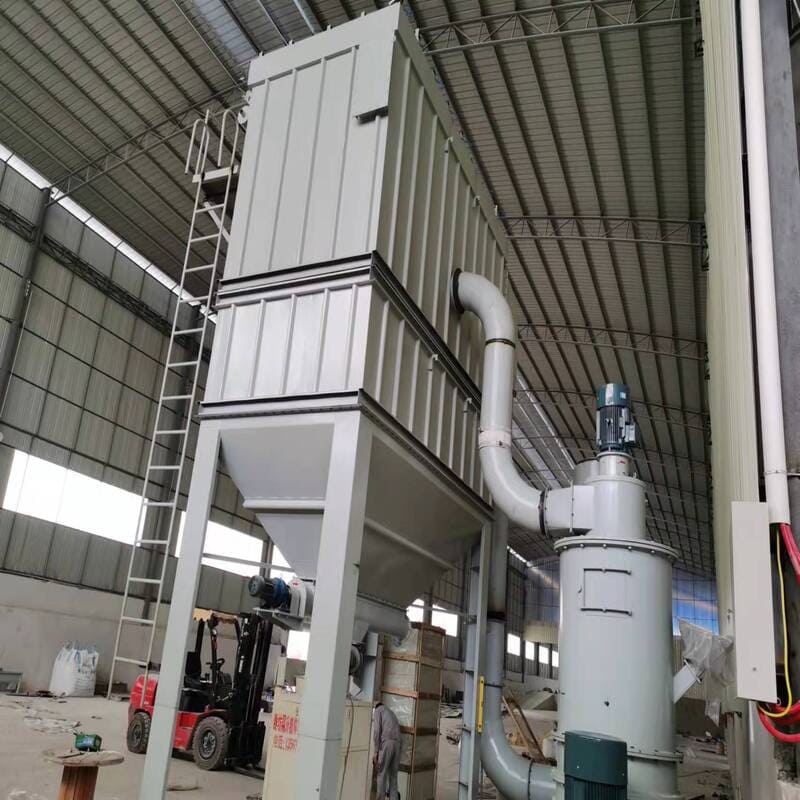
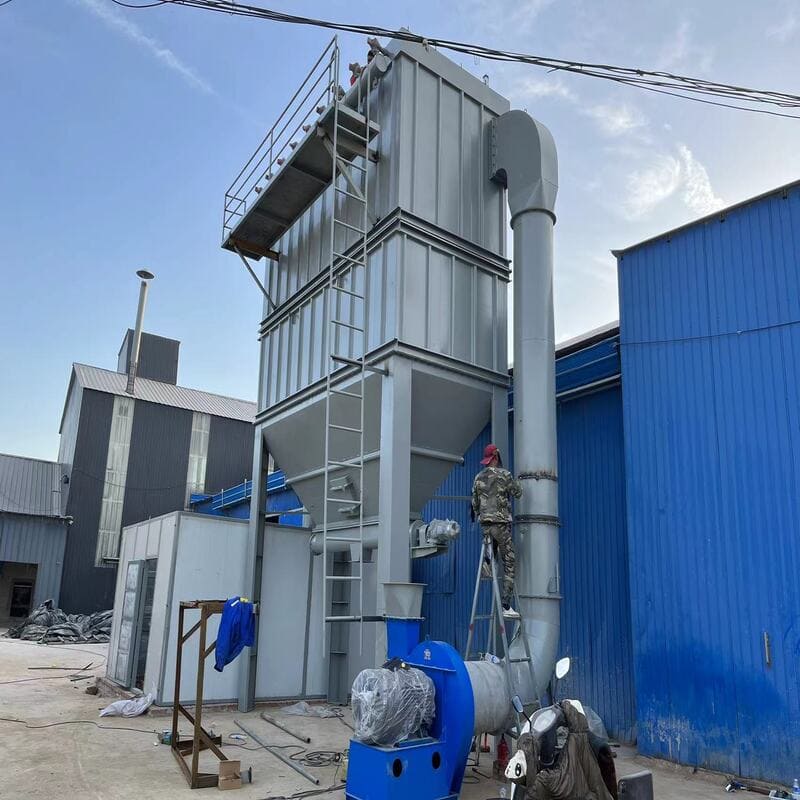
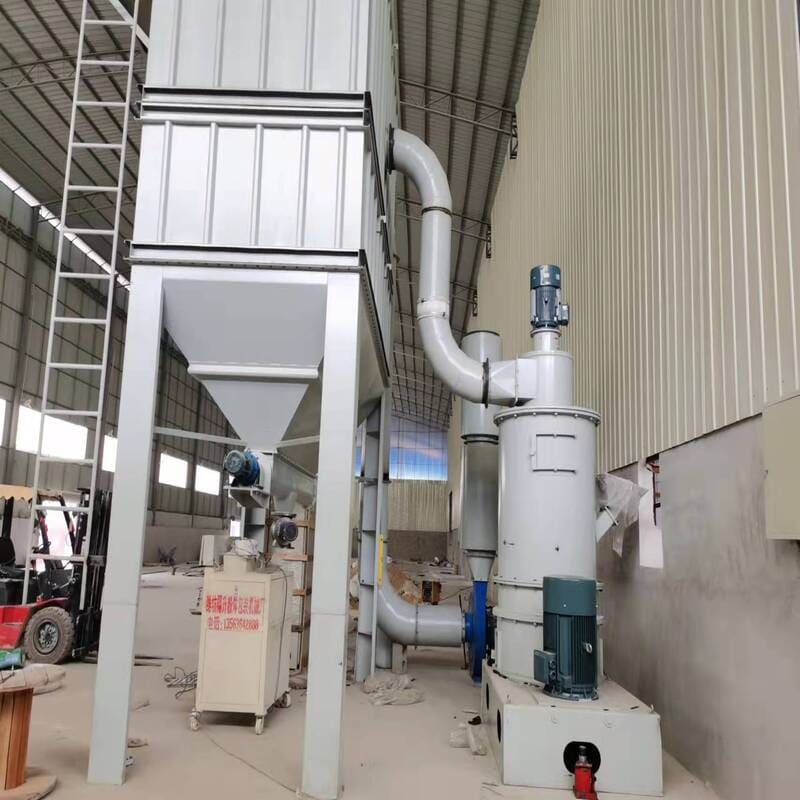
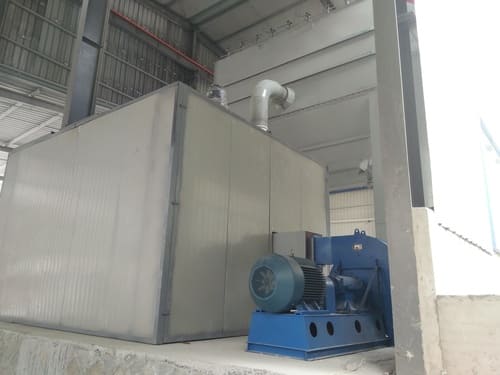
Matched with cyclone separators and bag dust collectors, impact mills run under negative airflow. This effectively prevents dust escape on the jobsite, improving working conditions and meeting environmental emission requirements. Food-grade and pharmaceutical variants can be fully sealed and polished to reduce cross-contamination between batches.
5. Multiple Options for Heat Management
Air-swept design continuously carries finished powder out of the grinding zone to dissipate heat. Many manufacturers offer optional water-jacket cooling housings. With proper cooling setup, impact mills can process moderately heat-sensitive materials such as dried spices and herbal extracts.
6. Wide Raw Material Adaptability for Dry Brittle Feedstock
Impact mills handle diverse low-to-medium hardness brittle materials (Mohs ≤ 4): calcium carbonate, talc, barite, dried grains, spices, cosmetic minerals and rigid plastic scraps. One machine can serve multiple production segments after simple rotor modification.
Key Disadvantages of an Impact Mill
1. Rapid Wear of Internal Components When Processing Abrasive Materials
Rotor pins, impact blocks and stator liners are direct wear parts. If you grind minerals with high abrasiveness, these components wear quickly. Uneven wear reduces impact efficiency and gradually widens particle size variation. Replacement spare parts add recurring operating costs. Many budget generic impact mills lack easily accessible replacement components, turning them into disposable equipment after heavy use.
2. Not Suitable for Ultra-Fine Submicron Powder
Even high-end air classifier impact mills struggle to reliably produce consistent powder below 5 μm. If your process requires submicron micronization for advanced ceramics or high-grade battery materials, jet mills remain the more reliable choice. Impact mills cannot match the particle uniformity achievable by fluid energy grinding.
3. Limited Performance for Special Material Types
Several categories of raw materials are difficult to process in standard impact mill configurations:
- Highly sticky, oily or waxy feedstock easily adheres to chamber walls and causes blockages
- Long fibrous materials tend to wrap around rotating rotors instead of fracturing
- Ultra-hard ores (Mohs hardness above 4) lead to extreme wear and poor throughput
- Wet feedstock: standard impact mills are designed for dry grinding; moisture above 3%–5% frequently triggers caking and shutdowns
4. Heat Generation During Continuous High-Speed Operation
Although airflow helps cooling, mechanical friction still creates noticeable heat inside the grinding chamber. Without auxiliary cooling systems, temperature-sensitive materials may degrade, lose active ingredients or soften and agglomerate. For wax-containing materials and easily oxidised organics, extra cooling investment becomes mandatory.
5. Strict Requirements for Feed Size
Impact mills demand controlled feed particle size, generally below 5 mm. Large chunks must go through primary crushing before feeding. Direct input of oversized lumps causes unstable vibration, rotor imbalance and potential mechanical damage.
6. Higher Precision Maintenance Requirements
Compared with basic hammer mills, impact mill rotors require careful dynamic balancing after replacing pins or liners. Poor balancing creates strong vibration, damages bearings and shortens equipment service life. Operators need regular inspection of classifier wheels and gap clearances to maintain stable powder quality.
Practical Tips to Maximize Impact Mill Performance
- Pre-crush oversized raw materials and remove hard impurities such as metal fragments to protect the rotor assembly.
- Select matched grinding elements: pin rotors for fine brittle materials, turbine rotors for slightly agglomerated feedstock.
- Schedule periodic inspection of wear parts; replace components before vibration and particle quality worsen.
- Install pre-drying equipment if raw material moisture fluctuates.
- For combustible powders, configure explosion-proof design and inert gas protection where necessary.
Frequently Asked Questions
Q: Impact mill vs hammer mill — what are the main trade-offs?
A: Hammer mills excel at coarse grinding and large feed sizes with simpler maintenance. Impact mills deliver finer, more uniform powder but have higher wear costs when processing abrasive materials. Choose impact mills if consistent medium-fine powder quality is your priority.
Q: Can an impact mill replace a jet mill?
A: Only for medium-fine requirements above roughly 10 μm. Jet mills remain superior for ultrafine, low-contamination and highly heat-sensitive materials.
Q: How much impact on quality does worn rotor pins create?
A: Worn pins reduce collision efficiency, leading to coarser output and wider particle distribution. Many factories mistakenly adjust operating speed instead of scheduling maintenance, consuming extra electricity with limited improvement.
Q: Is an air classifier impact mill always better than a basic impact mill?
A: Built-in classifiers deliver tighter particle control, but they increase equipment cost. If your process allows broad particle distribution, simpler screen-type impact mills can offer better value.
Final Summary
Impact mills provide several advantages, including balanced energy efficiency for medium-fine powder production, broad compatibility for dry brittle minerals and food raw materials, variable particle adjustment, and a small footprint. The drawbacks include the need for operators to prepare for the replacement of worn parts, the restricted capacity for ultrafine grinding, the possibility of heat generation, and stringent limitations on feedstock that is fibrous, sticky, or extremely abrasive.
When assessing equipment, align the mill design with your desired fineness, raw material hardness, and thermal properties. An impact mill is one of the most economical options for reliable medium-fine powder processing. To prevent long-term operational issues, compare jet mills with vertical roller mills for extremely fine needs or highly abrasive ore grinding.by being aware of these technical differences between equipment names on supplier listings that sound similar.
Impact Mill Blog
Roller Mills for Sale
About LKMixer
LKMixer is a professional manufacturer for grinding and mixing production line, grinder, mixer and granulator, shredder. These machines are widely used in food, pharmaceutical, cosmetic, health care products and chemical industries. The materials like Quartz , Butyl Rubber , Zenith. The Food materials like Milk, Red Onion, seeds, tobacco, salt, cannabis, tea, Potato Chip, corn, Coffee, rice, pepper, grain as so on. Grinders have many types such as Air cooled crusher , grinding machine cassava which is suitable for cassava, Ultrafine Grinding Mill covers 80-200mesh, and also Winnowing Dust Grinder or other grinding machines like SF Hammer. Welcome to contact us for details. Contact us for more information. Proposal, catalog, quotation.
Recommend Reading
You may also interest in other topics:
rotary hammer vacuum , 220V ev charger , screw capping machine