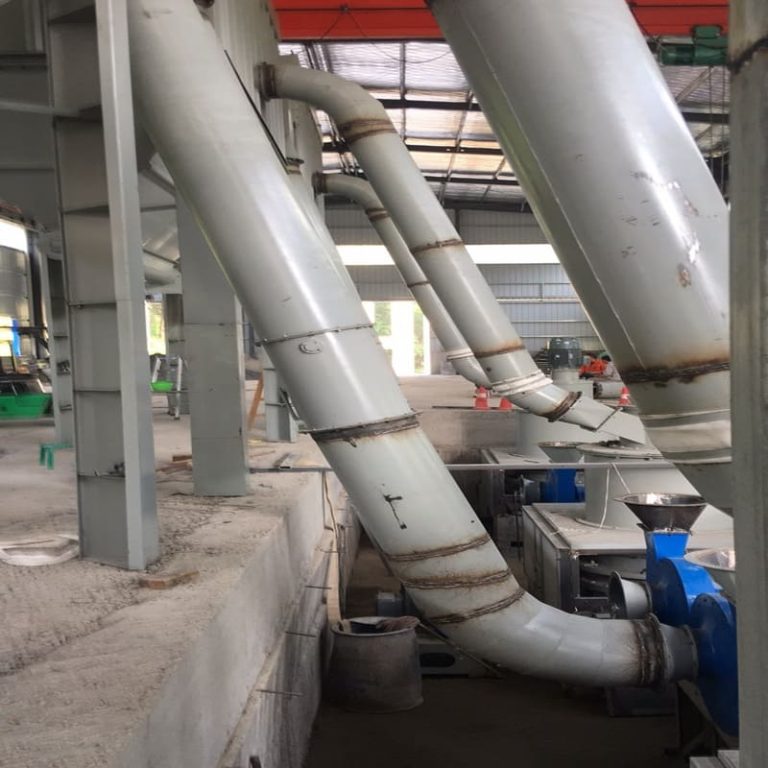
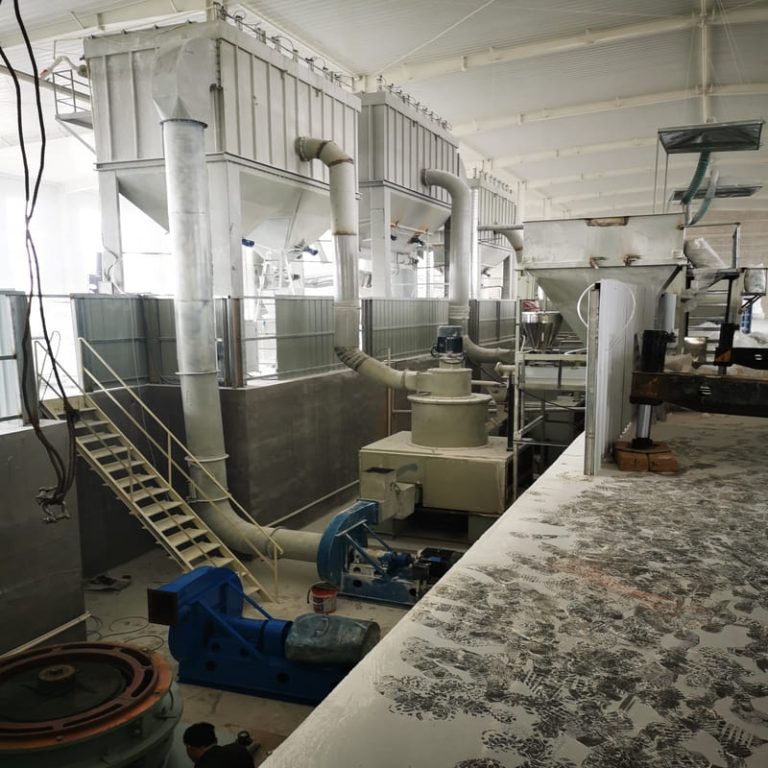
What Is an Impact Mill and How Does It Work?
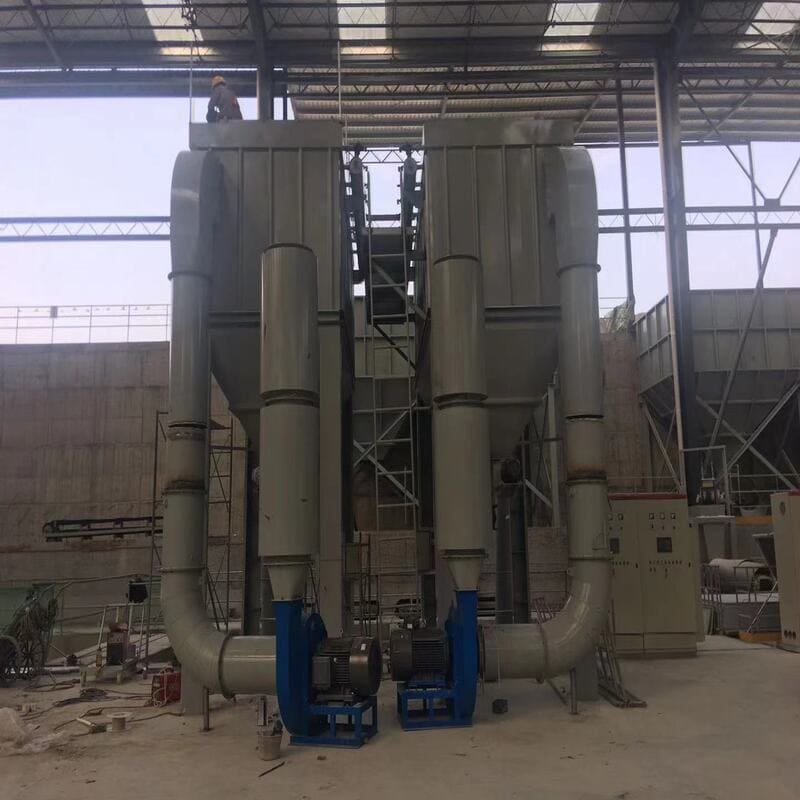
What Is an Impact Mill and How Does It Work?
What Is an Impact Mill and How Does It Work? You will frequently encounter the term “impact mill” if you operate in the production of fine chemicals, food manufacturing, powder processing, or mineral grinding. Many novices find it difficult to comprehend the precise workings of this high-speed grinding apparatus and mistake it for hammer mills, ball mills, or jet mills.
To put it briefly, an impact mill is a dry mechanical size-reduction device that uses high-speed collision, shear, and friction to reduce solid material to fine powder. Because it produces a narrow, regulated particle size range, it is extensively utilized for brittle, medium-hard materials. Here, we dissect its fundamental structure, detailed functioning principle, common variations, typical applications, and important advantages and disadvantages gathered from industry technical resources and Google top-ranking recommendations.
Basic Overview of an Impact Mill
An impact mill is a type of high-speed rotor-stator grinding machine. It uses mechanical rotating components to accelerate particles, in contrast to jet mills that use high-pressure gas or ball mills that use media compression.
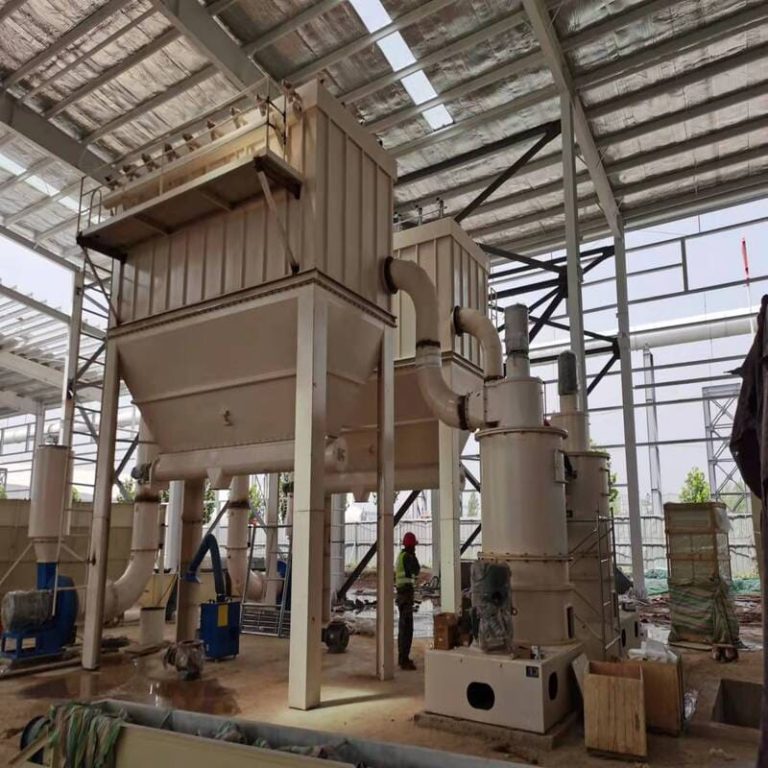
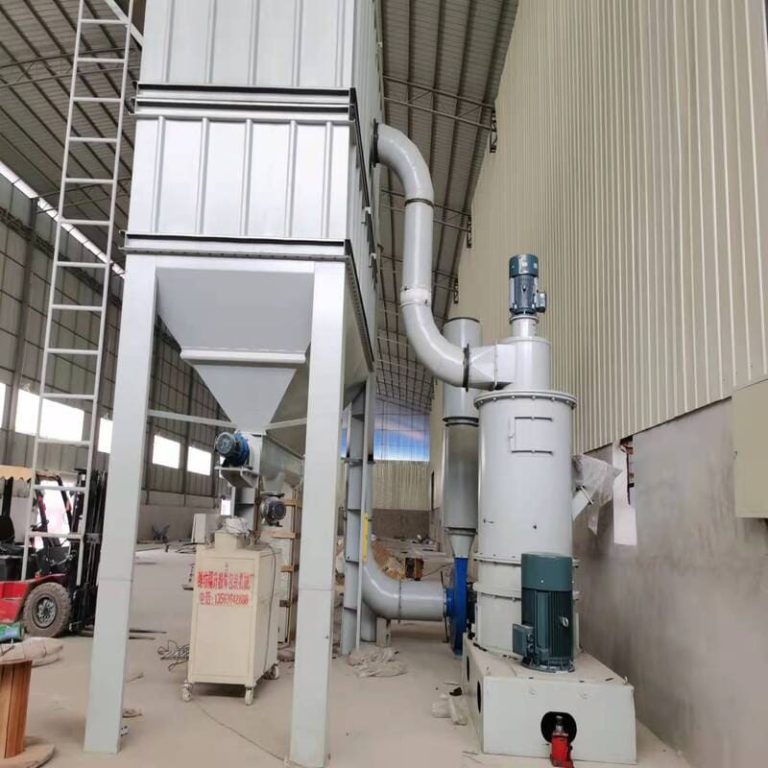
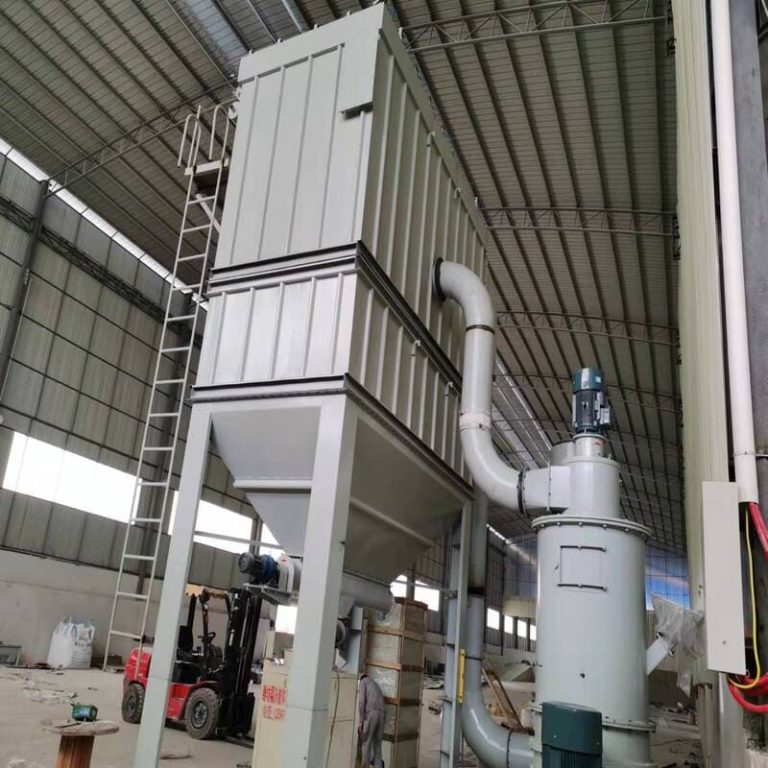
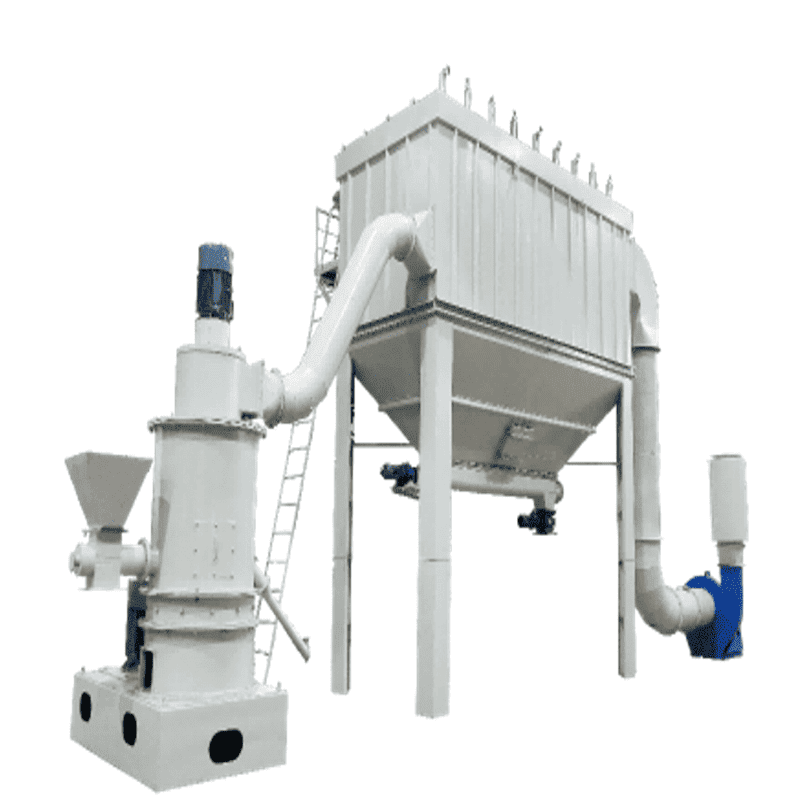
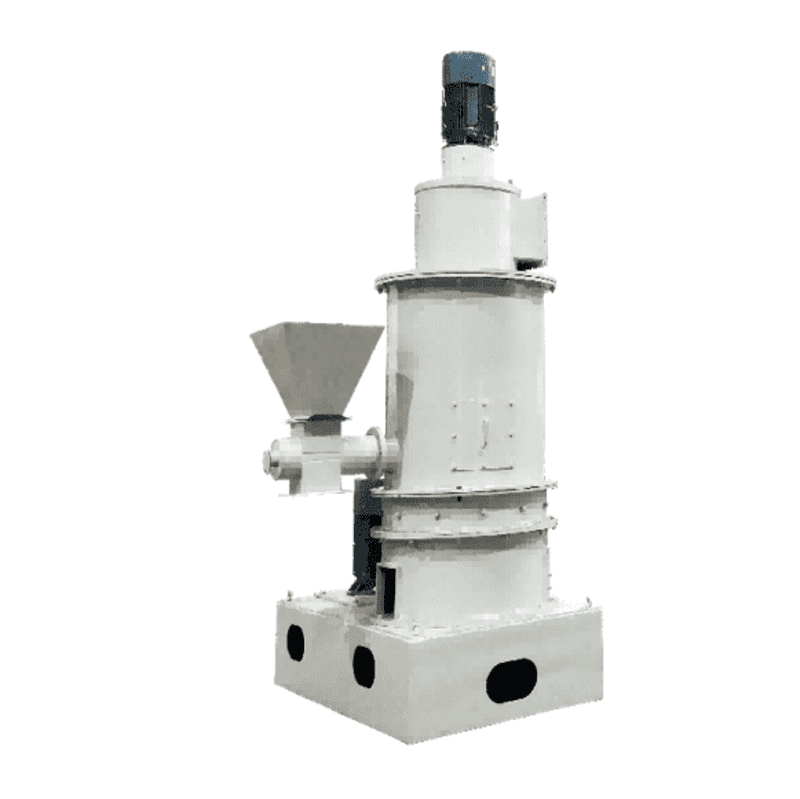
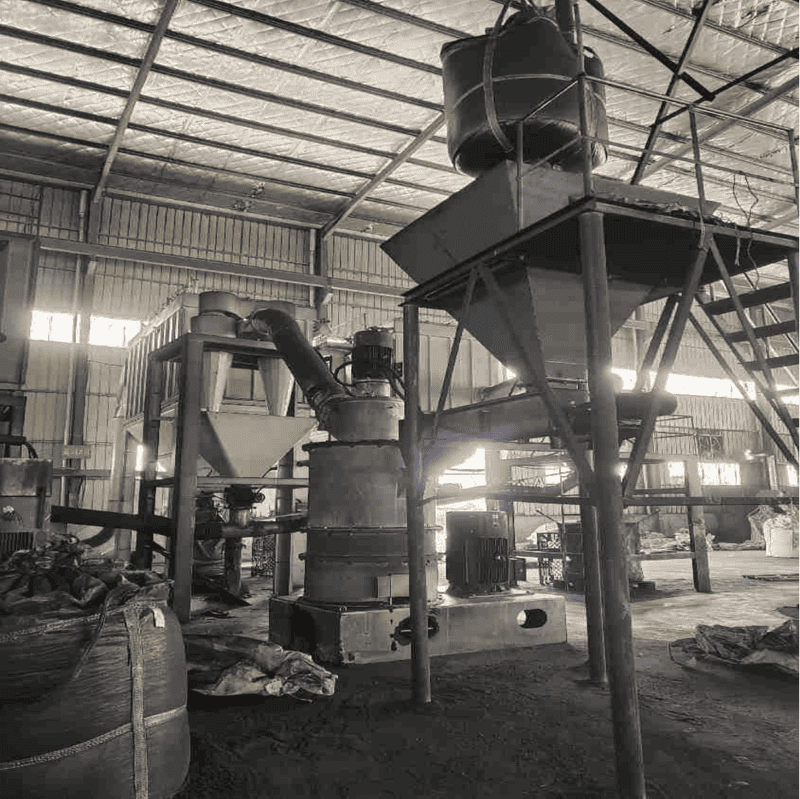
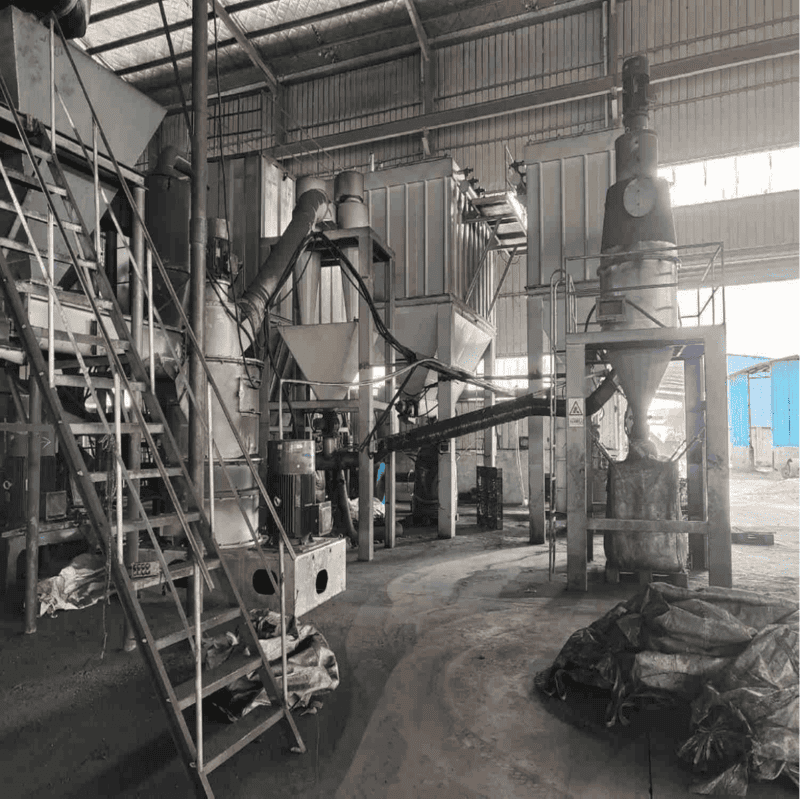
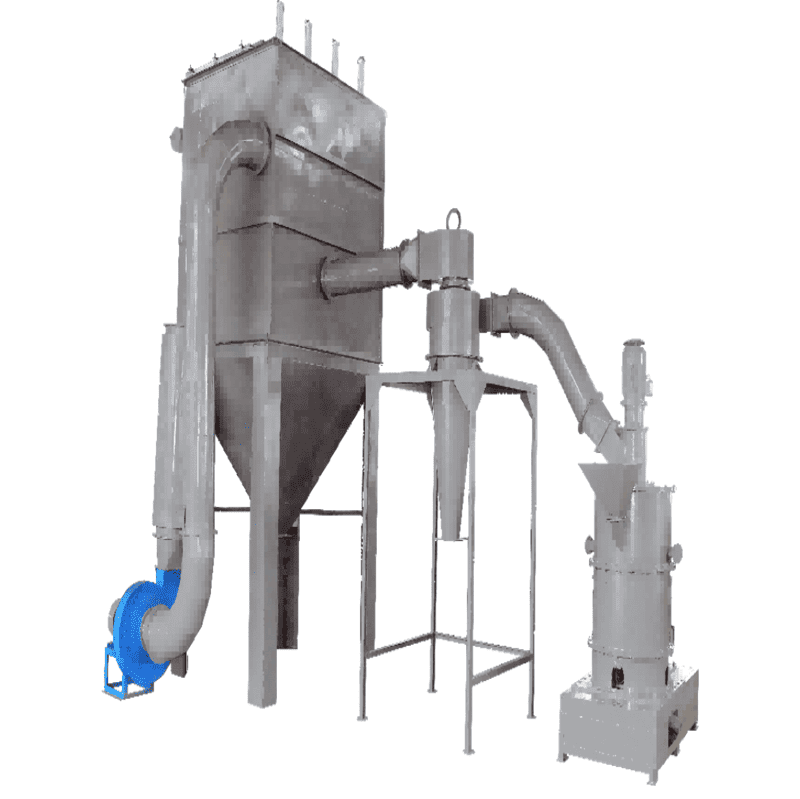
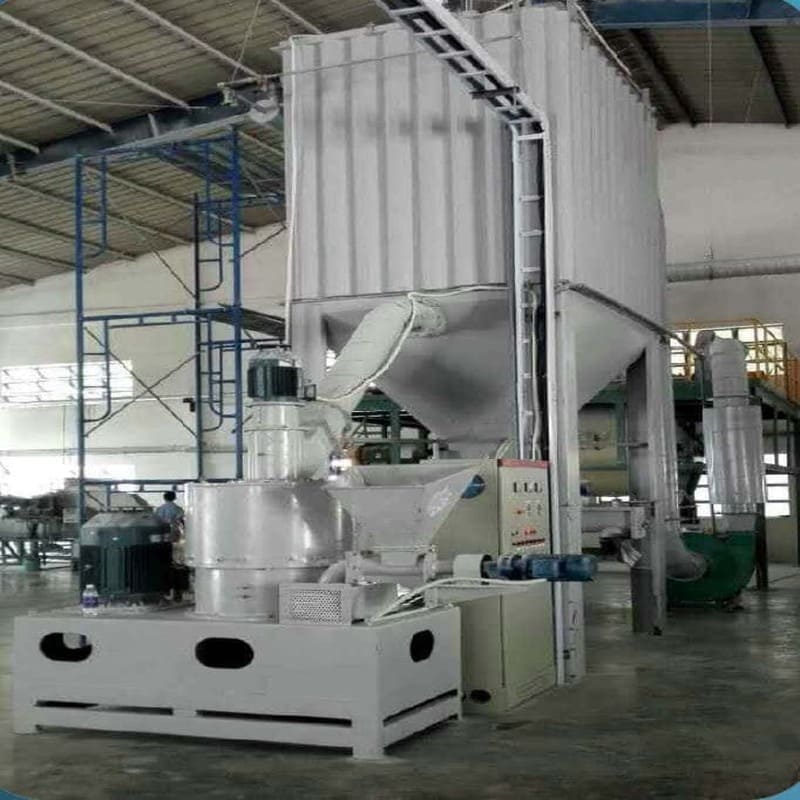
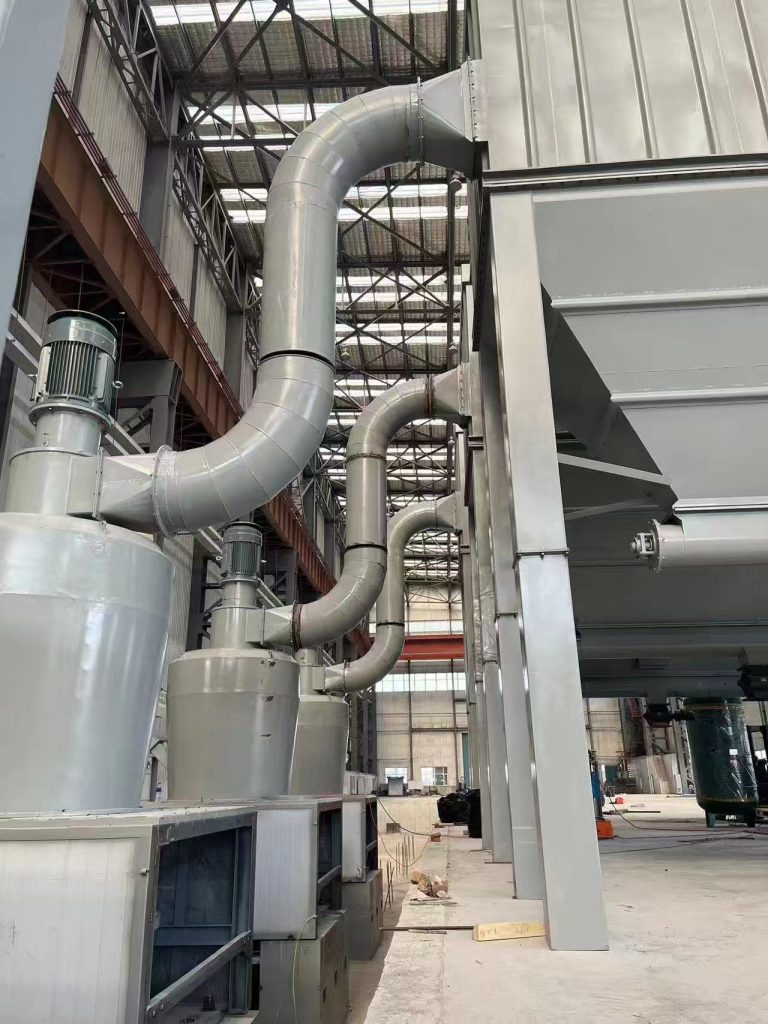
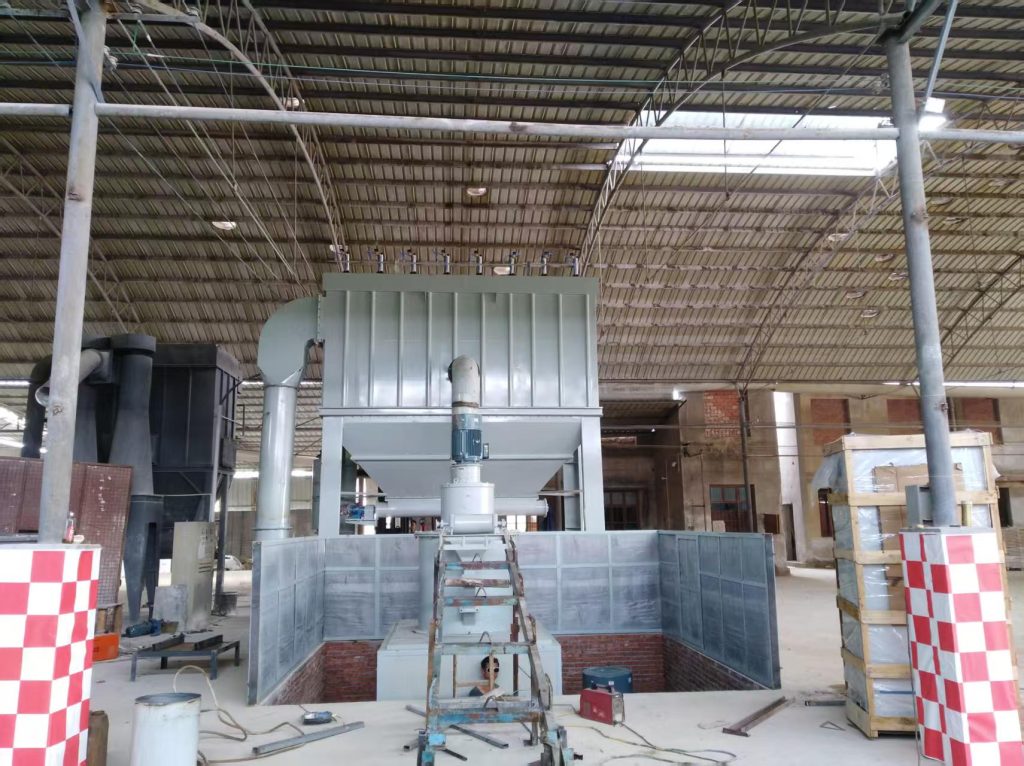
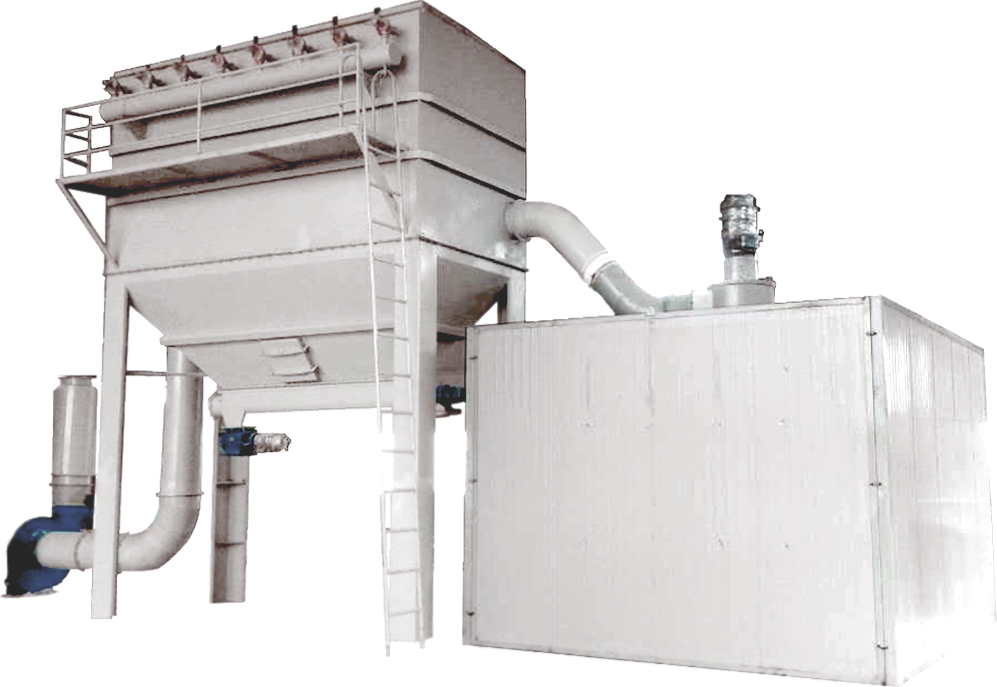
A feeding system, grinding chamber, high-speed rotor with grinding components, stationary stator liners, airflow channels, and optional built-in air classifiers make up standard units. To accommodate various raw materials, many models allow for the quick replacement of grinding gear.
Pin discs, hammer beaters, turbine blades, and grinding discs are typical replaceable grinding designs. One of the reasons impact mills are so adaptable in a variety of sectors is their modular architecture.
How an Impact Mill Works Step by Step
The entire grinding process follows a clear continuous cycle:
- Feeding stage: Using a feeder, raw material is uniformly fed into the center of the grinding chamber. Overload, uneven grinding, and mill obstructions are avoided with consistent feeding.Primary impact and acceleration The rotor rotates at a high peripheral speed. Incoming particles are struck by grinding elements (pins, hammers, or blades) and are propelled outward by a powerful centrifugal force. The solid substance first fractures as a result of this initial sharp impact.
- Particles fly toward fixed stator liners or ring gears in the secondary grinding zone (rotor and stator gap). In addition to shear and friction between particles and the space between the rotor and stator, materials undergo repetitive impacts on stationary surfaces. Larger particles are broken up into smaller grains by many collisions. In the chaotic air vortex, several particles also collide with one another.
- Classification and circulation For units equipped with an internal air classifier, airflow carries fine qualified powder out of the grinding chamber. Oversized coarse particles are separated and recirculated back into the impact zone for further milling. Models without built-in classifiers often use screens to limit maximum particle size.
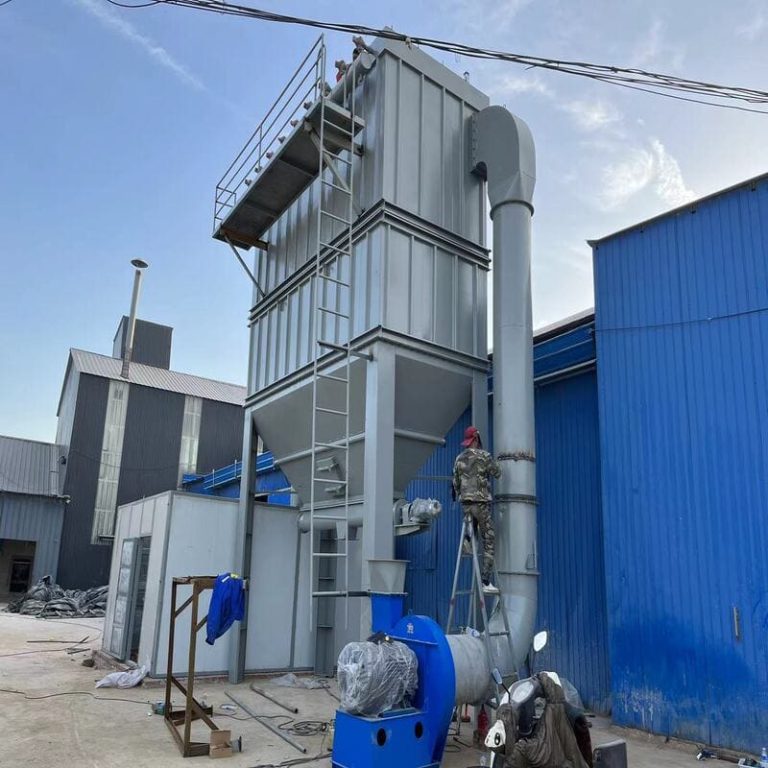
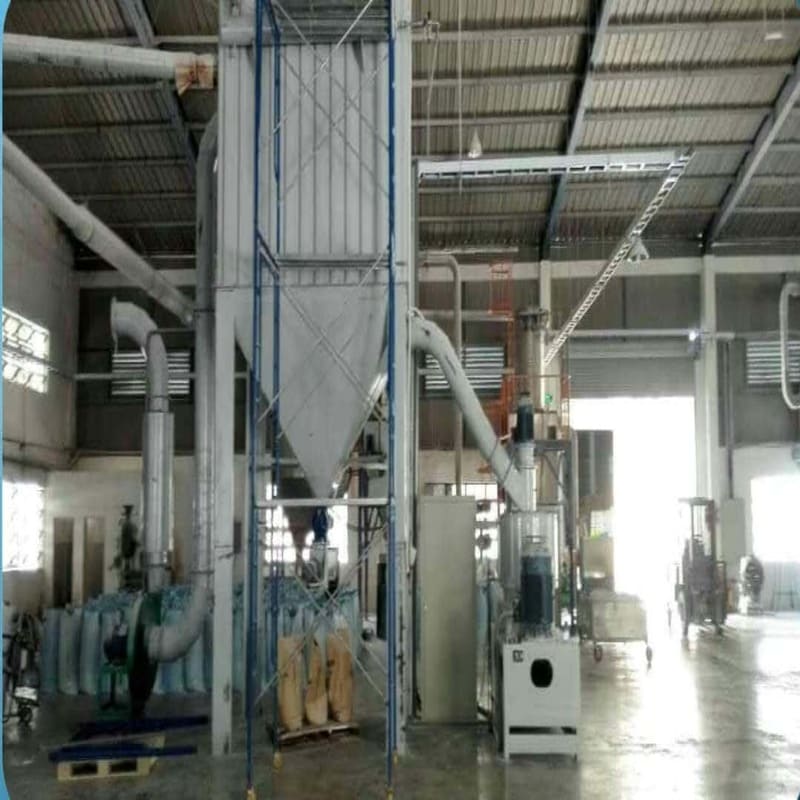
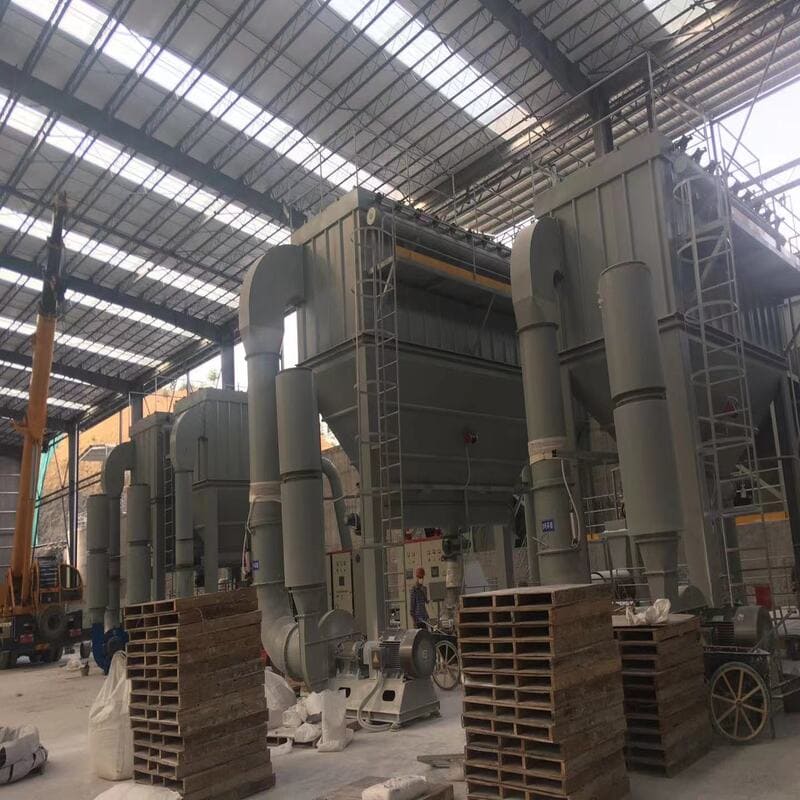
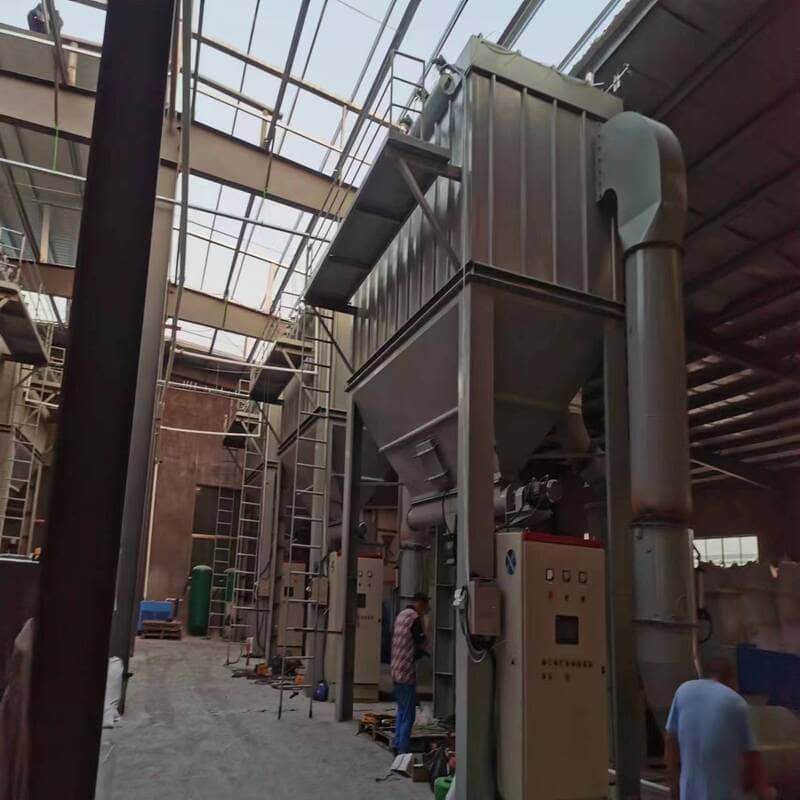
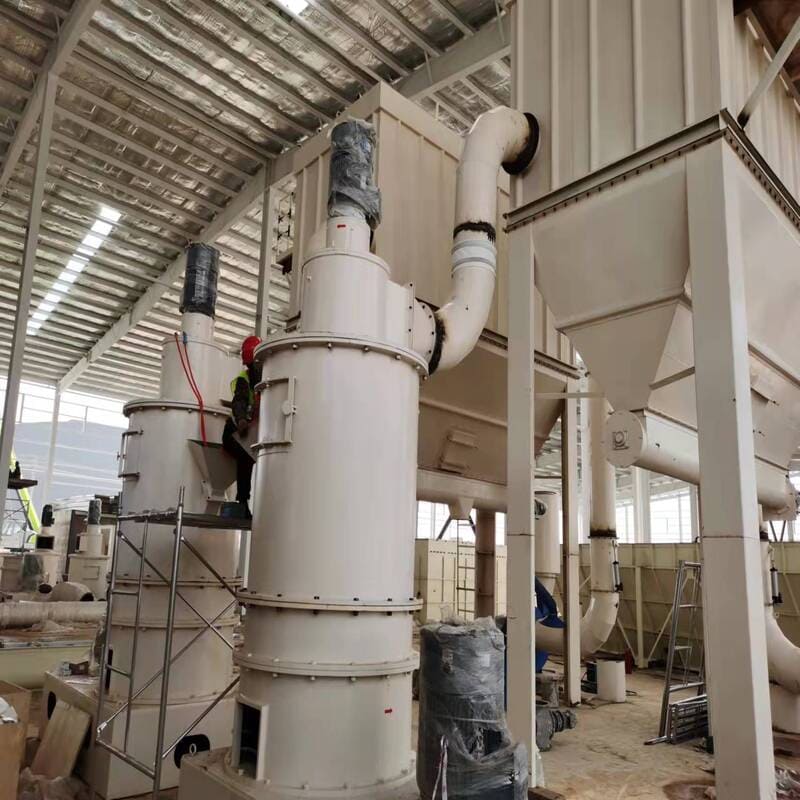
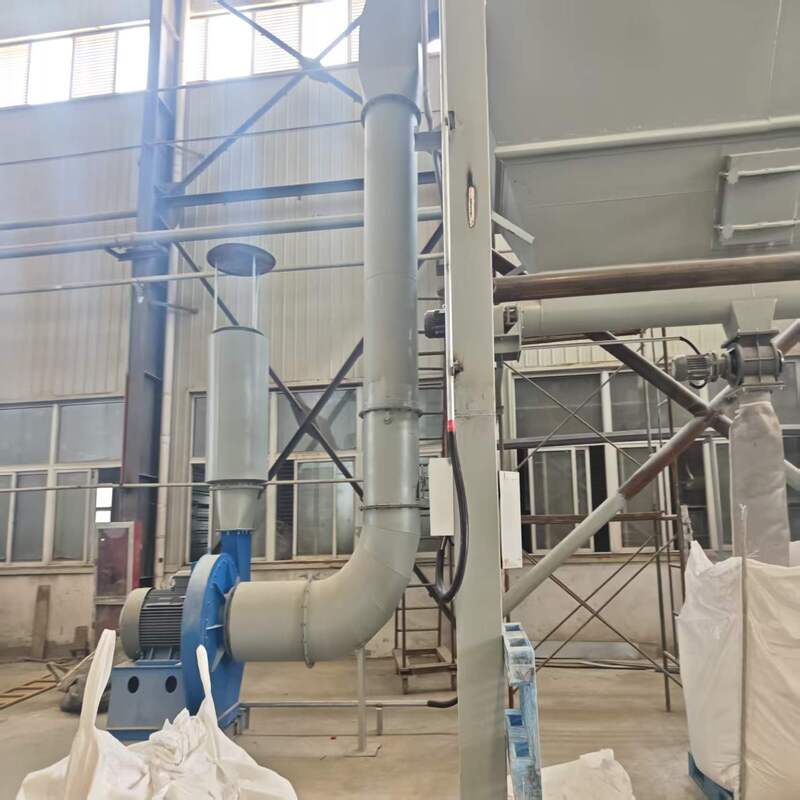
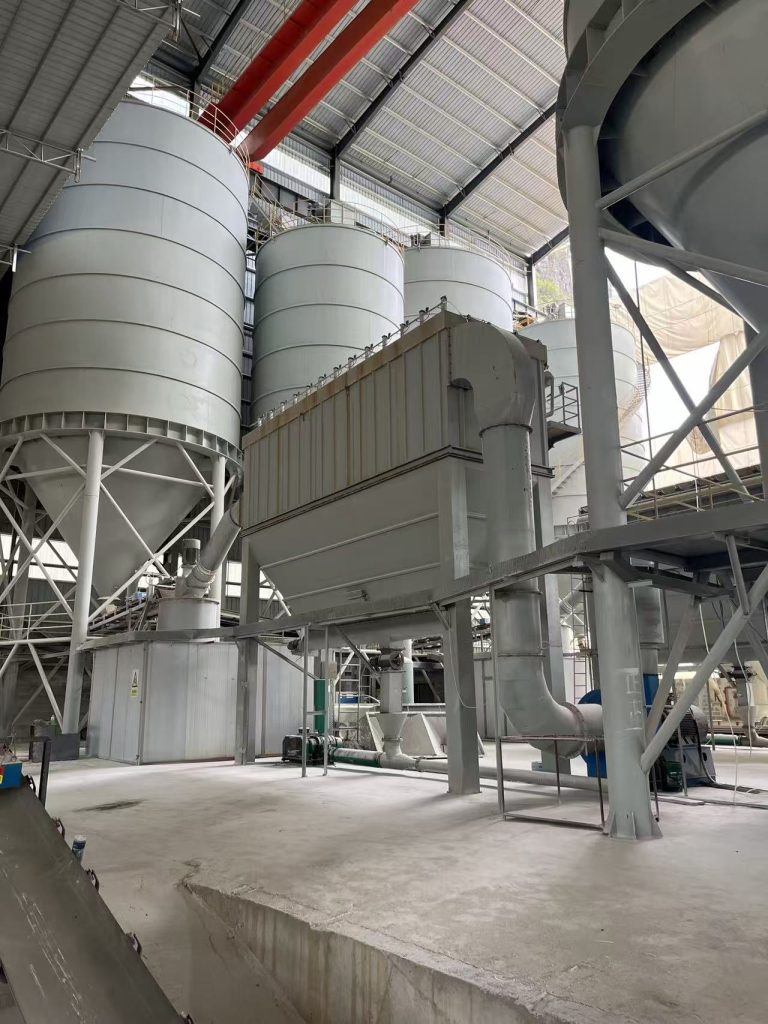
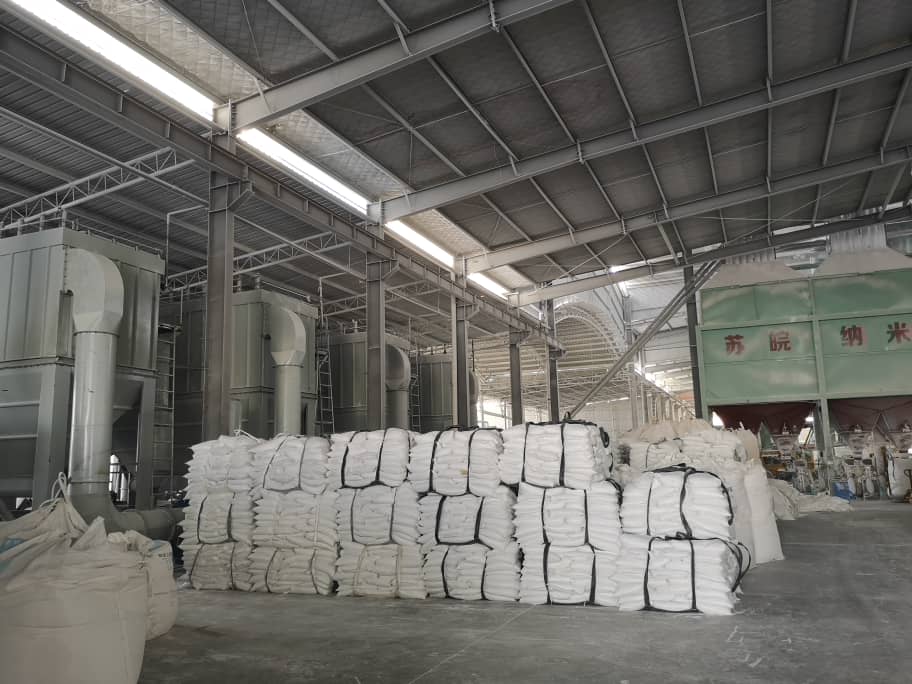
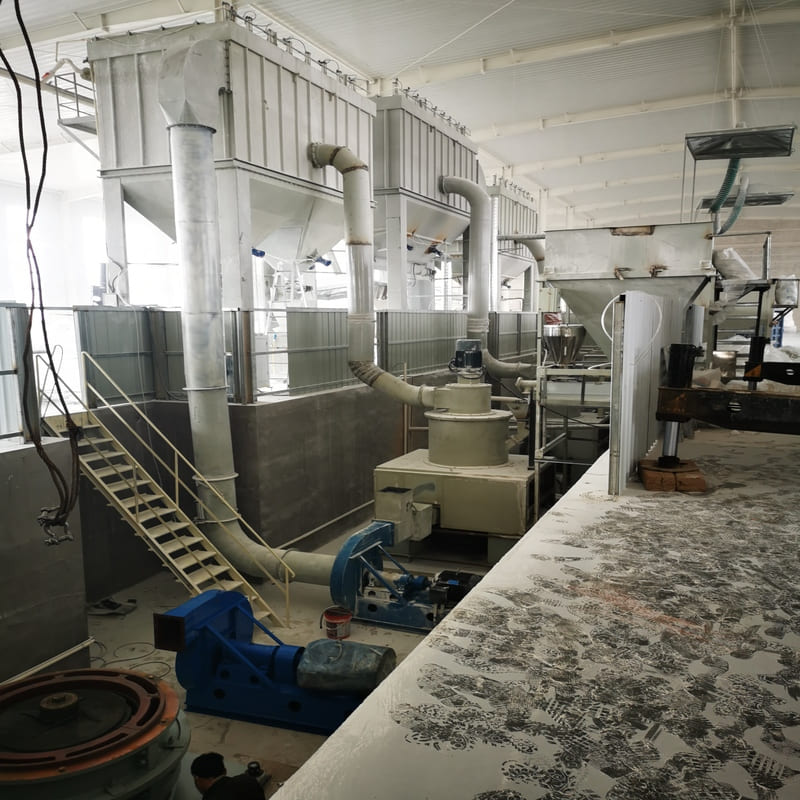
- Powder collection Finished fine powder is transported by airflow to cyclone separators or bag dust collectors for final collection. The airflow also helps dissipate heat during continuous grinding, which is critical for temperature-sensitive products.
Main Types of Impact Mills & Their Best Uses
Different rotor assemblies change performance, and each variant targets specific materials:
Pin Mill Type
Equipped with rows of rotating and stationary pins. Best for: Fine grinding of brittle materials, spices, pigments, pharmaceutical ingredients and heat-sensitive products. Delivers ultra-fine powder with low over-grinding risk.
Hammer / Beater Type
Fitted with swinging or fixed hammer beaters. Best for: Medium-coarse grinding, pre-crushing, processing mineral aggregates, grain and biomass. Handles slightly larger feed sizes.
Turbine / Turbo Impact Mill
Curved turbine blades create strong internal air circulation. Best for: Fibrous materials, soft minerals, materials that tend to agglomerate. The airflow reduces material adhesion on internal surfaces.
Disc Attrition Impact Mill
Flat grinding discs with tooth profiles. Best for: Moderately tough, elastic materials such as certain plastics and polymer scraps.
Typical Materials Processed in an Impact Mill
Impact mills perform best on dry, brittle materials with low to medium hardness (generally Mohs hardness below 4).
- Non-metallic minerals: calcium carbonate, talc, barite, limestone
- Food industry: spices, herbs, cocoa cake, sugar, grain flour
- Fine chemicals & pigments: dyes, fillers, cosmetic raw materials
- Pharmaceuticals: herbal extracts, excipient powder
- Recycled materials: plastic flakes, lightweight mineral waste
Materials NOT Well Suited
- Extremely hard abrasives (high hardness ores): Causes rapid wear of rotors and liners
- Highly sticky, oily materials: Easy to stick to the chamber and block airflow
- Large chunks of raw ore: Usually requires primary crushing before feeding into an impact mill
Key Advantages of Impact Mills
- Controllable particle size: Adjust rotor speed, classifier speed or screen size to tune D50 and D97 fineness. Many setups produce narrow particle distribution.
- Compact footprint: Smaller installation space compared to ball mills of equal capacity.
- Flexible configuration: Swap grinding elements to switch between coarse and fine grinding without major machine modification.
- Closed negative pressure operation: Minimal dust leakage when matched with proper dust collection systems.
- Optional cooling design: Air circulation or water-jacket cooling available for heat-sensitive materials.
Important Limitations
- When processing abrasive materials, wear components like the rotor, impact blocks, and liners need to be replaced on a regular basis.
- Standard impact mills are made for dry milling, hence they are not appropriate for wet grinding.
- For products that deteriorate quickly, additional cooling must be set up since continuous high-speed operation produces heat.
- Despite having significantly lower purchase and running expenses, it is unable to attain the ultrafine fineness of a jet mill.
Frequently Asked Questions
Q: What is the difference between an impact mill and a hammer mill?
A: All hammer mills are a subset of impact mills, but many impact mills (pin mills, turbo mills) are not hammer mills. General hammer mills focus on medium-coarse crushing with screens; multi-functional impact mills support finer grinding and optional internal classification.
Q: Impact mill vs ball mill — which one to choose?
A: Ball mills are suitable for large-scale, ultra-fine grinding of ore with high hardness. Impact mills work best at locations with limited space, medium fineness, and quick batch switching. For medium-fine powder, impact mills typically need less power.
Q: Can an impact mill work without an air classifier?
A: Yes. Basic models use screens to control particle size. However, built-in classifiers eliminate over-grinding and produce more consistent powder quality.
Q: What fineness can an impact mill reach?
A: Typical finished D97 ranges from around 10 μm up to 800 μm, depending on rotor speed, classifier setup and material characteristics.
Final Summary
An impact mill is a high-speed dry grinding device that reduces material to fine powder via shear, particle collision, and rotor-stator impact. After entering the center grinding chamber, the raw material is accelerated by spinning grinding elements, fractures from repeated impacts, and airflow carries the certified fine powder while the coarse particles circulate for further grinding.
It serves the food, pharmaceutical, mineral, and chemical processing industries with interchangeable pin, hammer, or turbine rotors. For brittle dry feedstock, it provides versatile, space-efficient medium-to-fine grinding; nevertheless, wear costs and temperature restrictions for certain materials must be taken into account.
Make a clear distinction between impact mills, hammer mills, ball mills, and jet mills when assessing milling equipment so you can choose the machine that best suits your desired fineness and raw material characteristics.
Impact Mill Blog
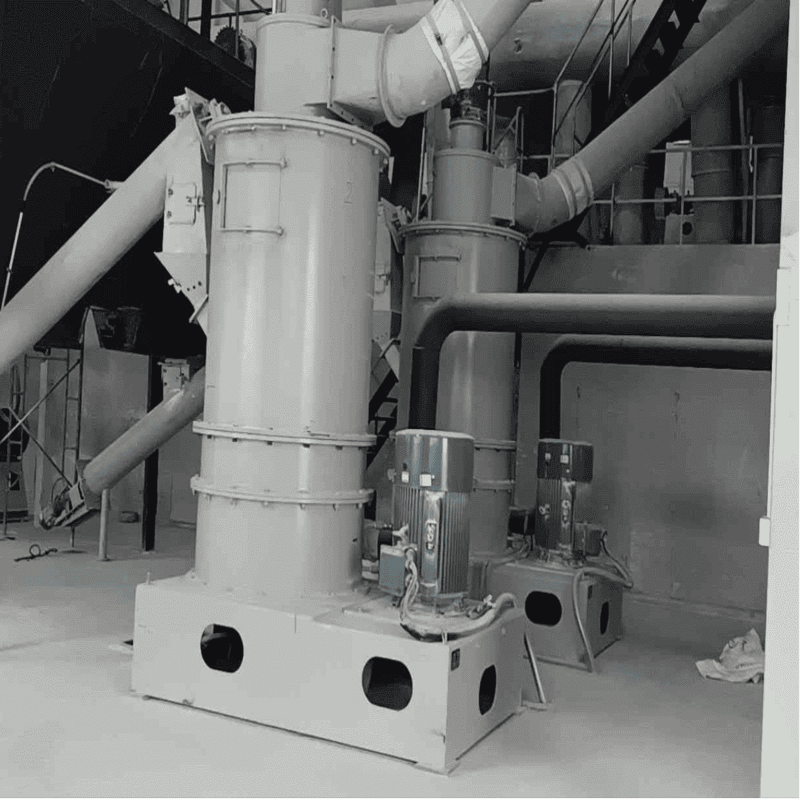
Roller Mills for Sale
About LKMixer
LKMixer is a professional manufacturer for grinding and mixing production line, grinder, mixer and granulator, shredder. These machines are widely used in food, pharmaceutical, cosmetic, health care products and chemical industries. The Food materials like chilli, egg shell, seeds, potato, bean, tobacco, salt, cannabis, tea, garlic, moringa leaf, Coffee, rice, pepper, grain as so on. Grinders have many types such as Air cooled crusher , grinding machine cassava which is suitable for cassava, Ultrafine Grinding Mill covers 80-200mesh, and also Winnowing Dust Grinder or other grinding machines like SF Hammer. Welcome to contact us for details. Contact us for more information. Proposal, catalog, quotation.
Recommend Reading
You may also interest in other topics:
electric demolition hammer , ev fast charger for Sale , offset-printer/aluminum-printing-machine