Impact Mill vs Ball Mill: Core Differences & How to Select the Right Grinder
Impact Mill vs Ball Mill: Core Differences & How to Select the Right Grinder
Impact Mill vs Ball Mill: Core Differences & How to Select the Right Grinder. An impact mill and a ball mill will eventually be compared by anyone constructing a size-reduction plant. Since both devices use impact force to shatter solid materials, many plant operators believe they can be used interchangeably. This misconception frequently leads to subpar particle quality, unscheduled downtime, and exorbitant operating expenses.
In actuality, they provide radically different finished particle properties, support different feedstock ranges, and work on essentially different mechanics. This guide explains the workings of each mill, highlights its practical advantages and disadvantages, and provides useful decision-making criteria based on typical industrial operational experience.
What Is an Impact Mill?
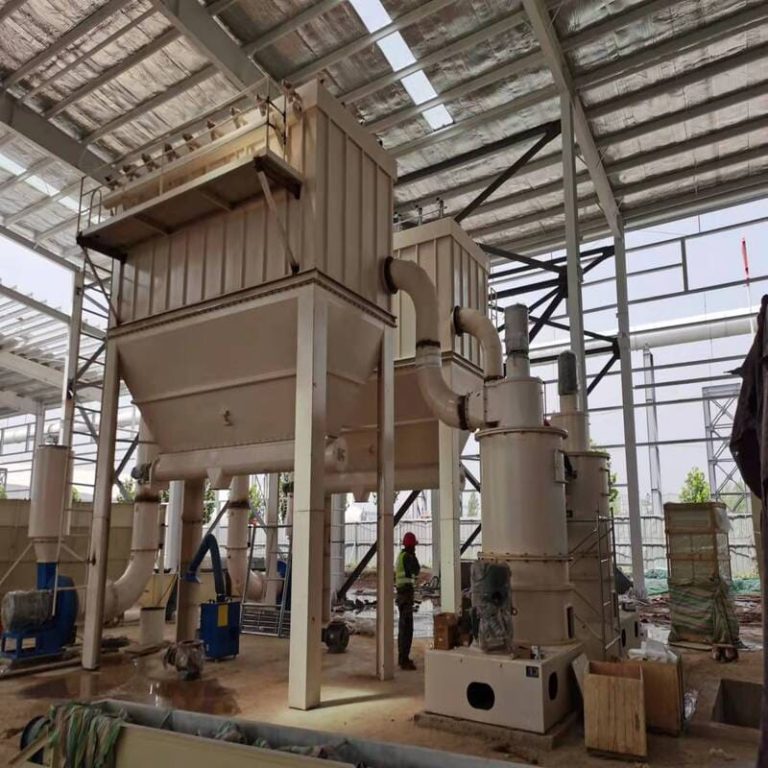
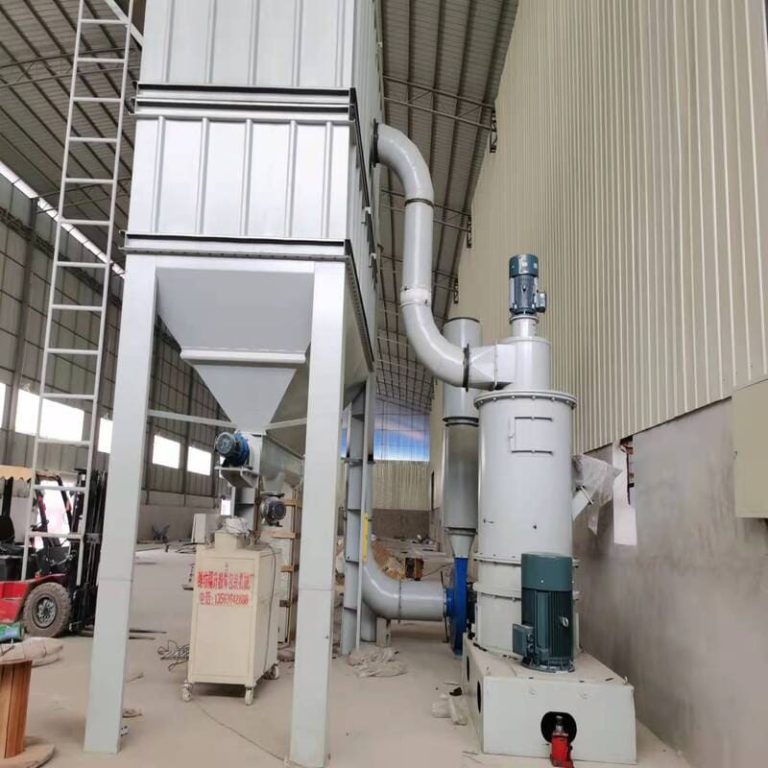
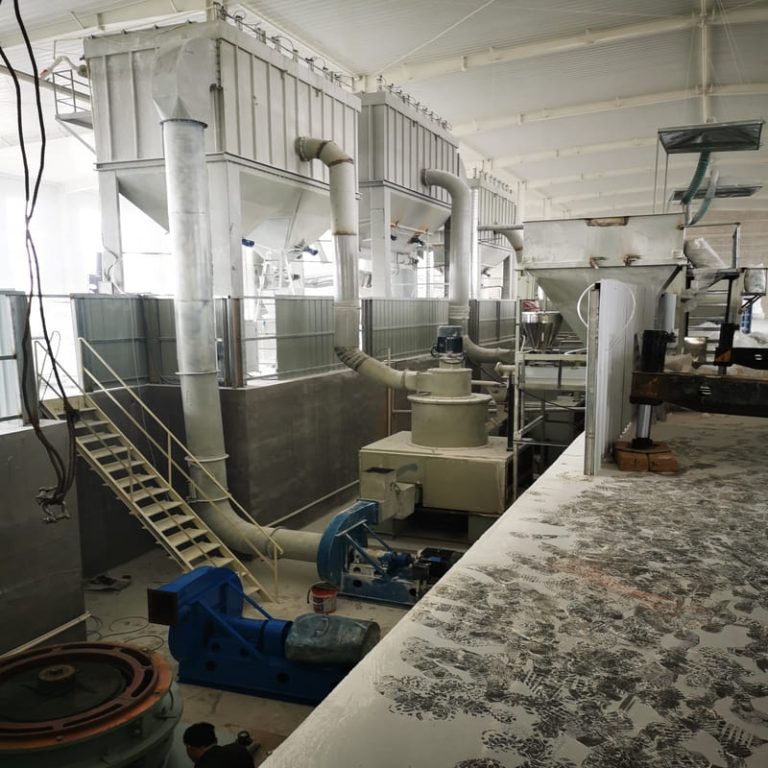
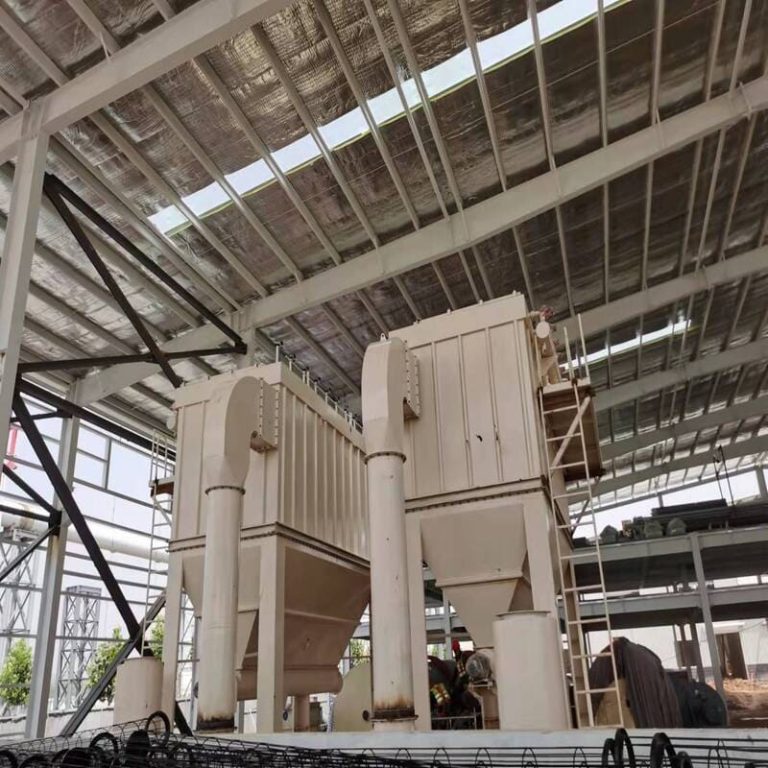
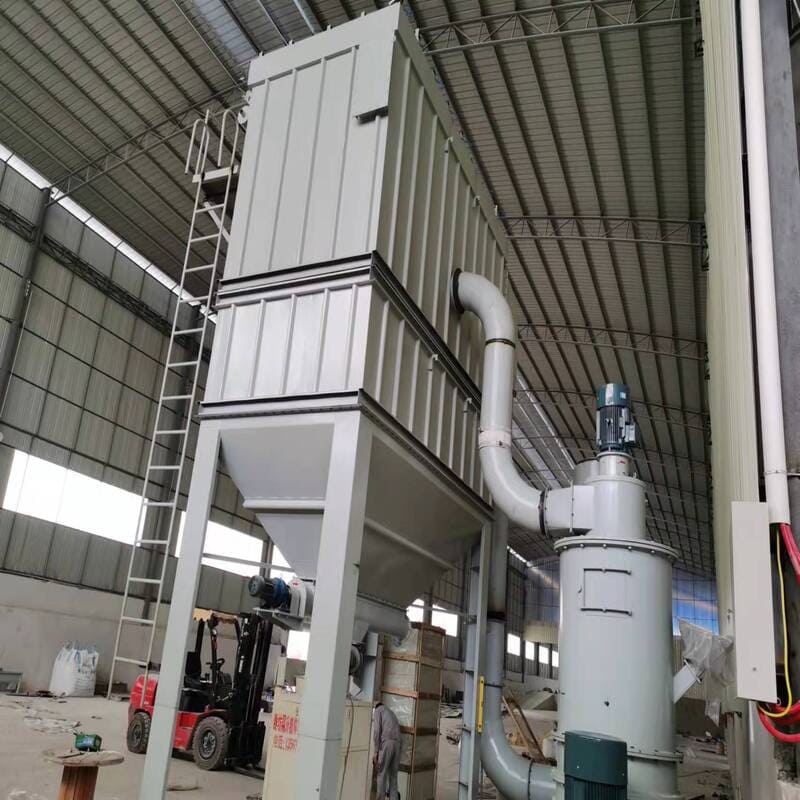
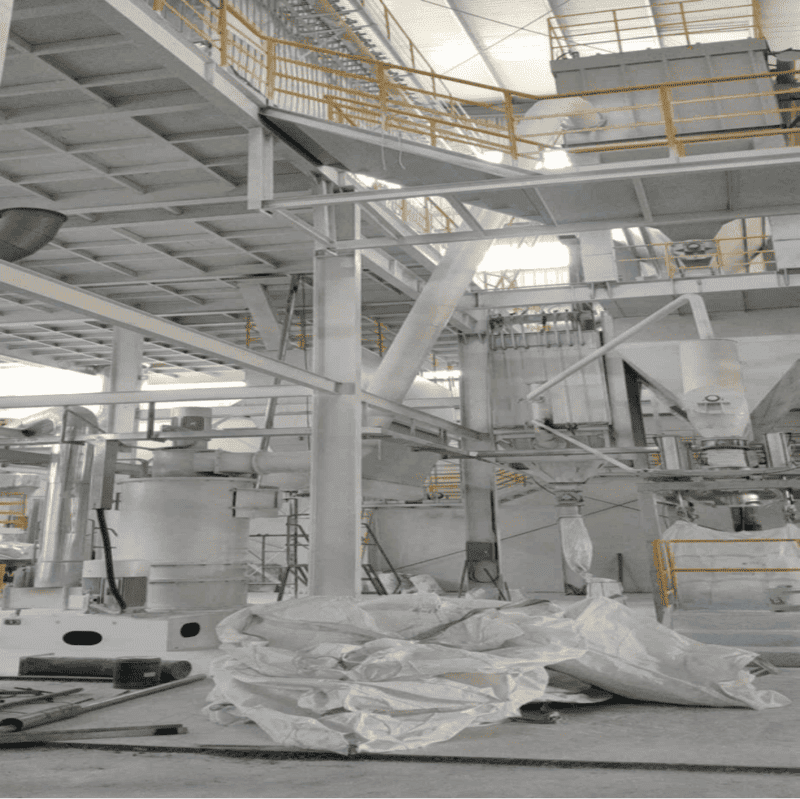
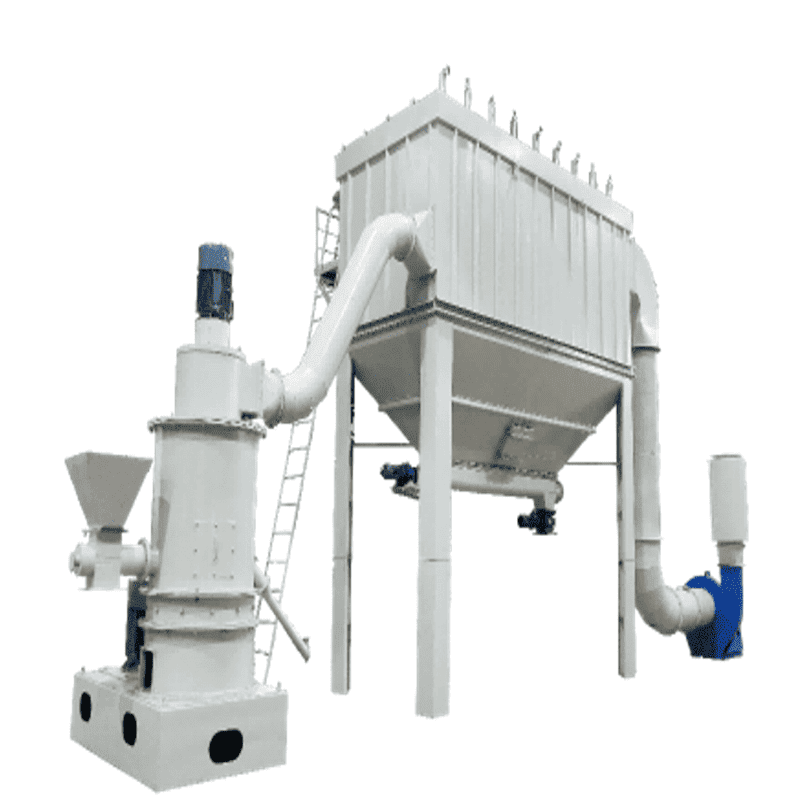
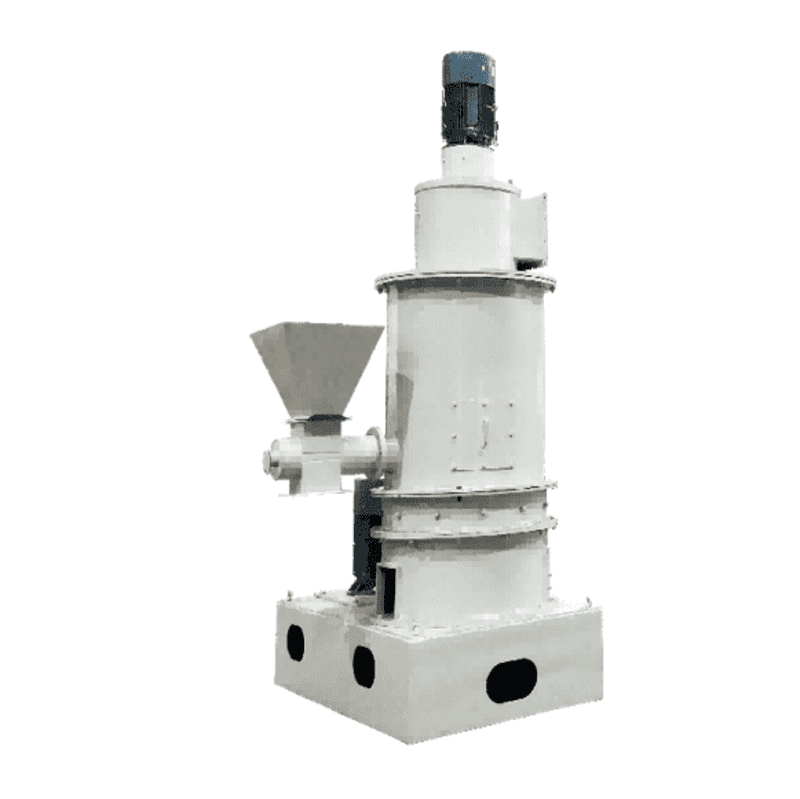
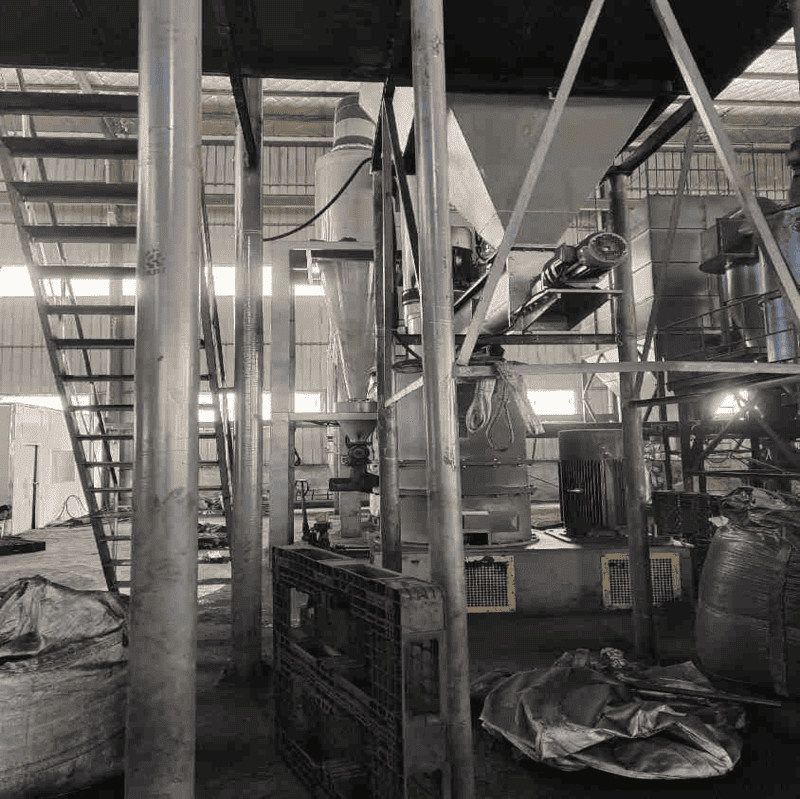
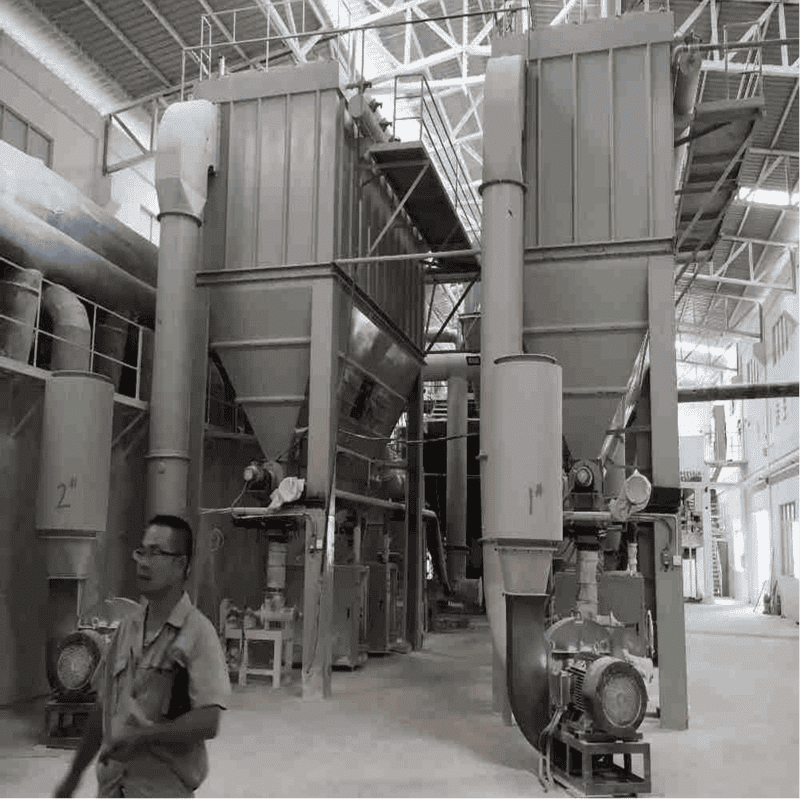
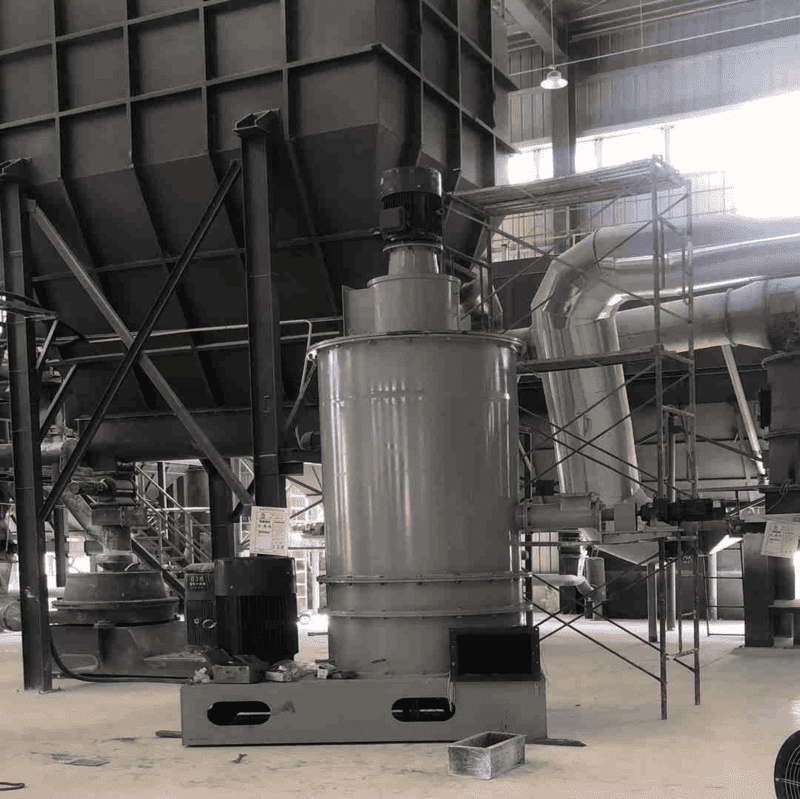
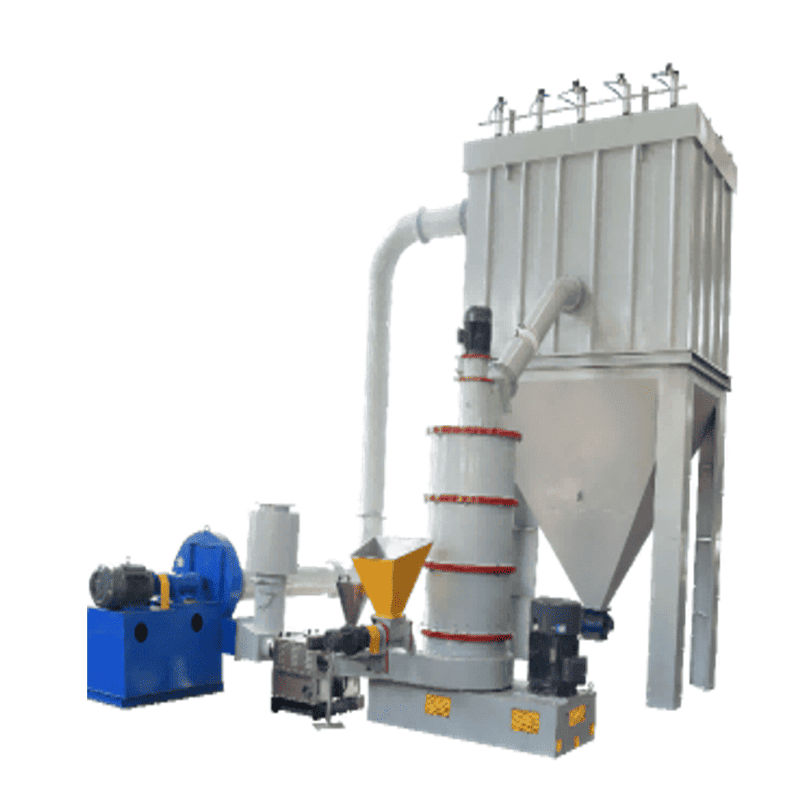
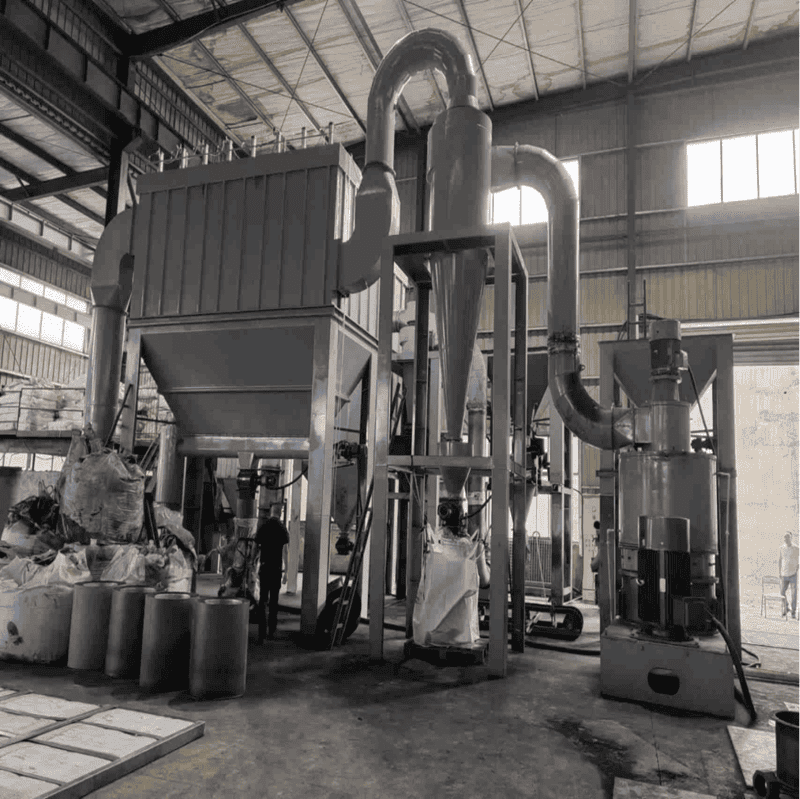
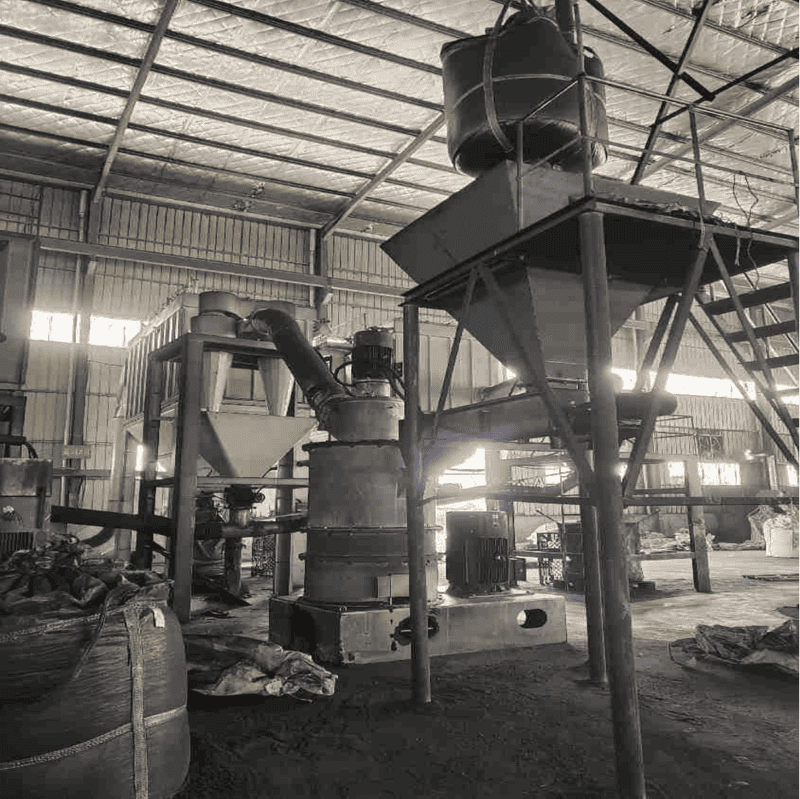
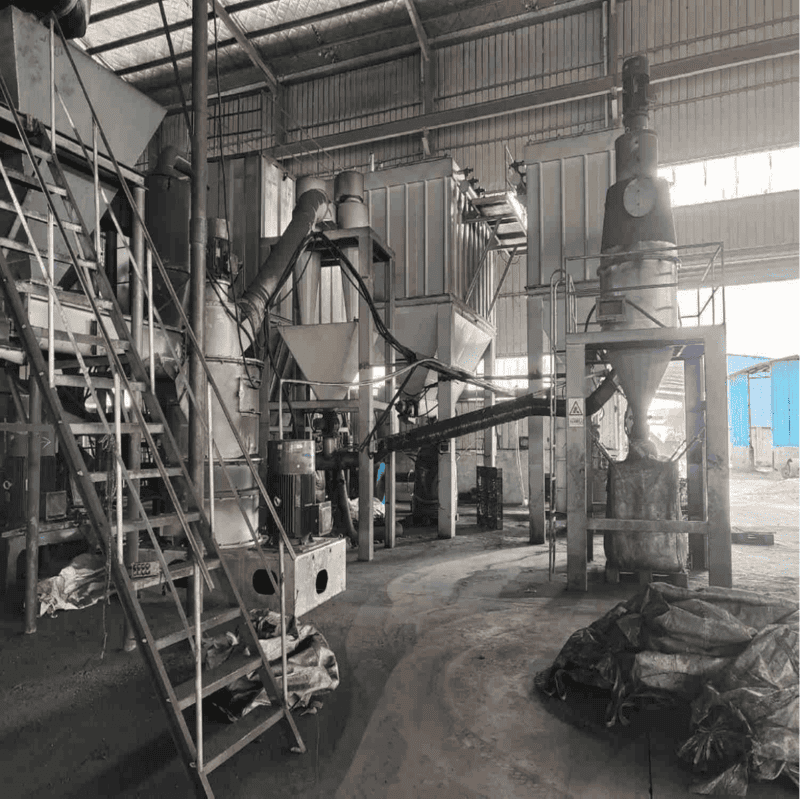
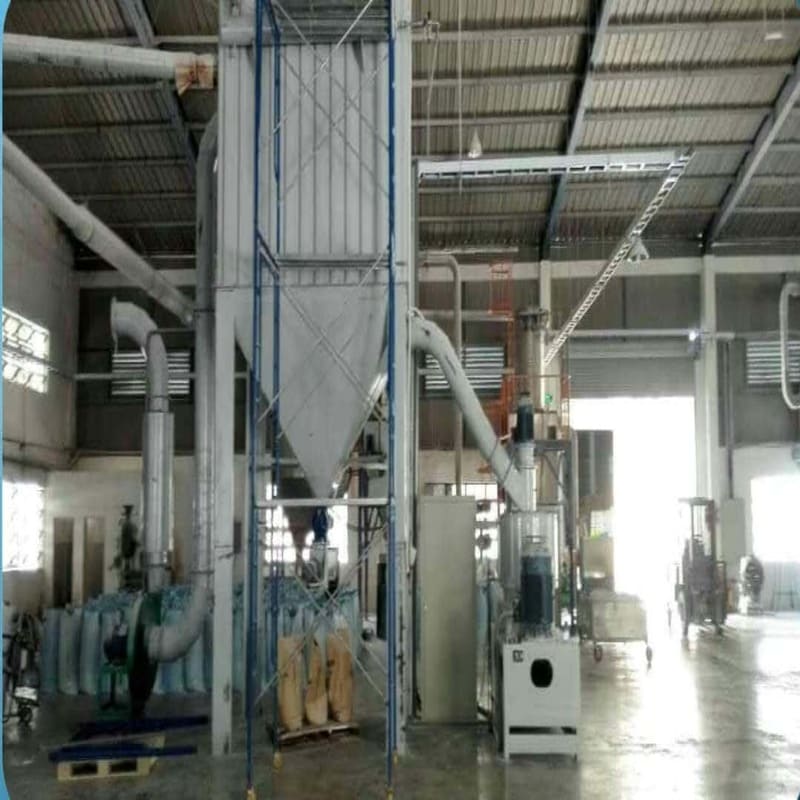
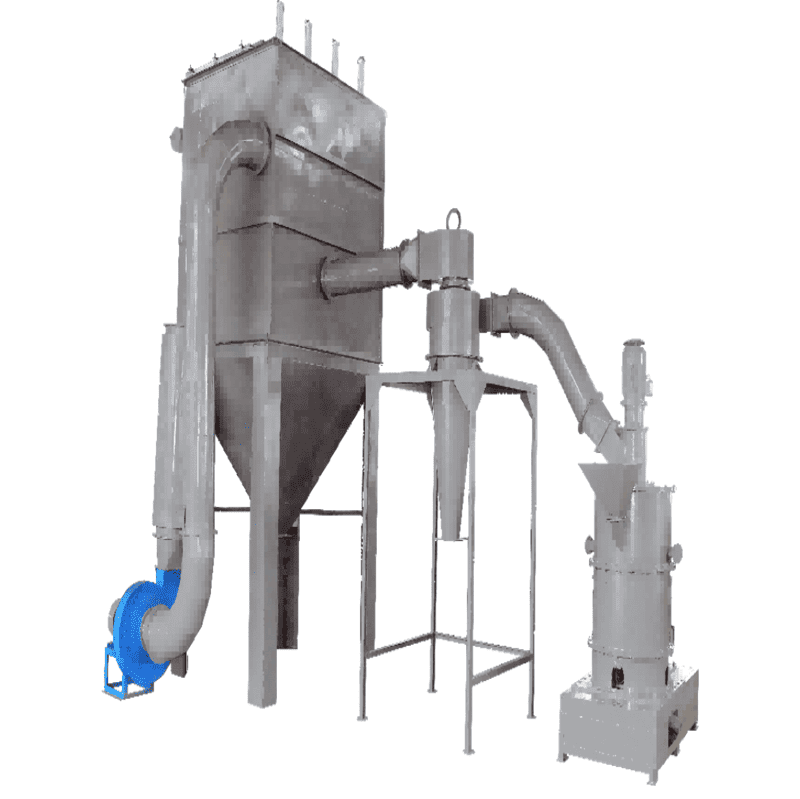
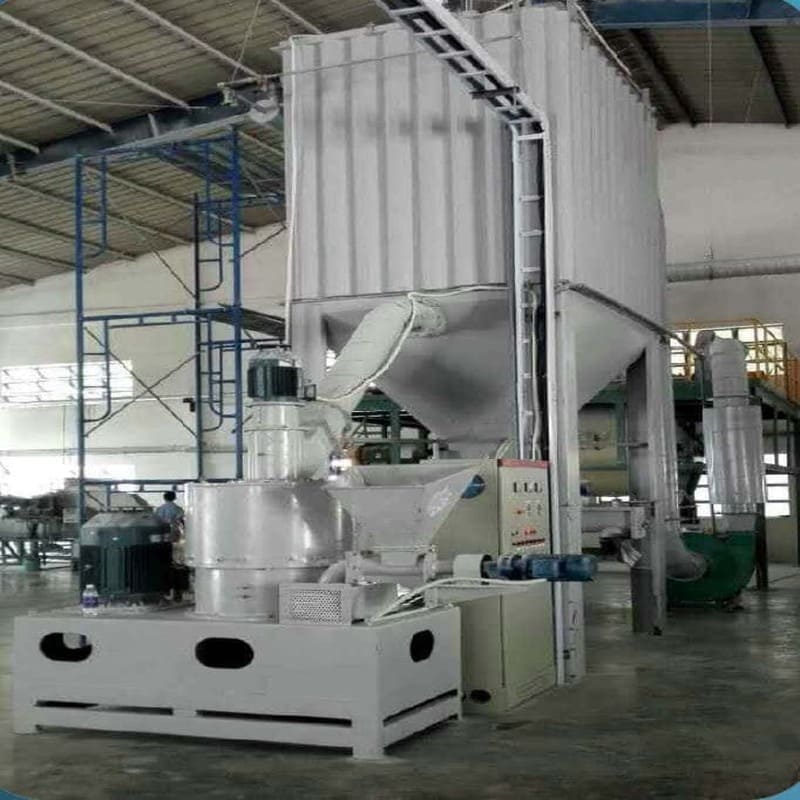
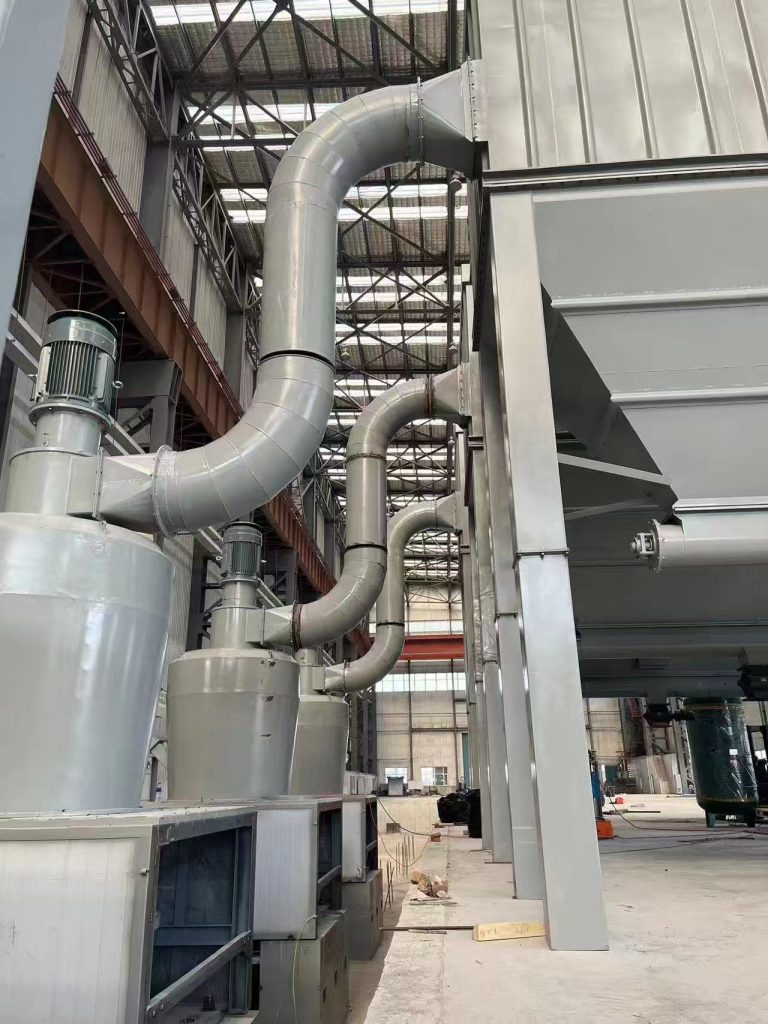
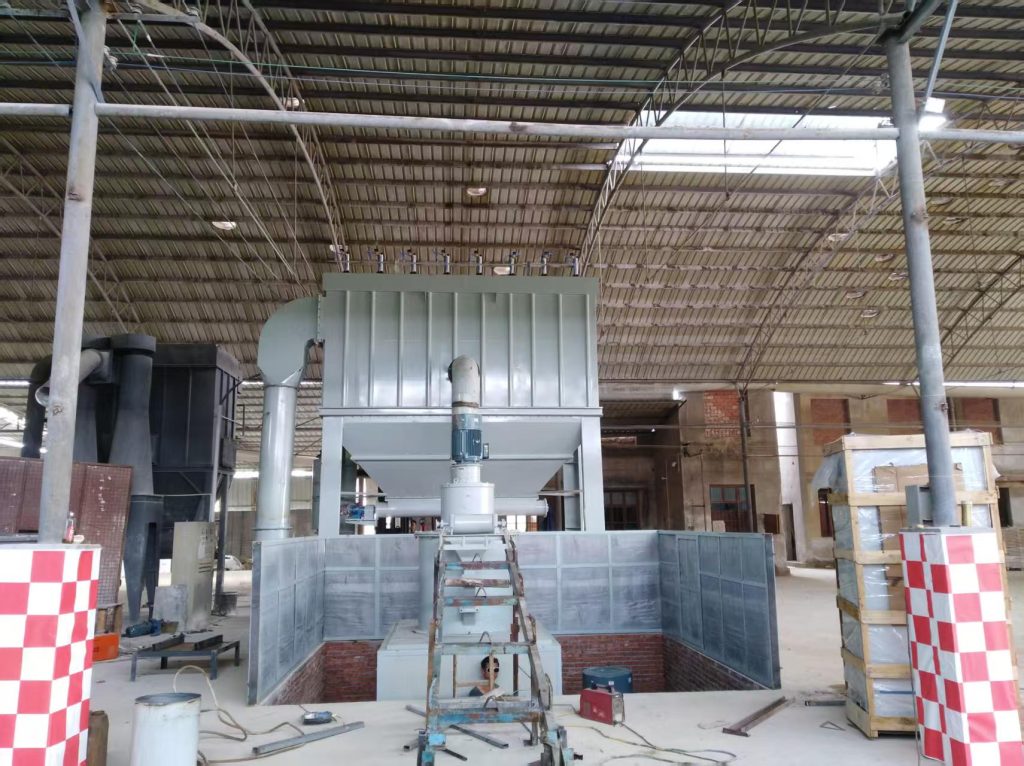
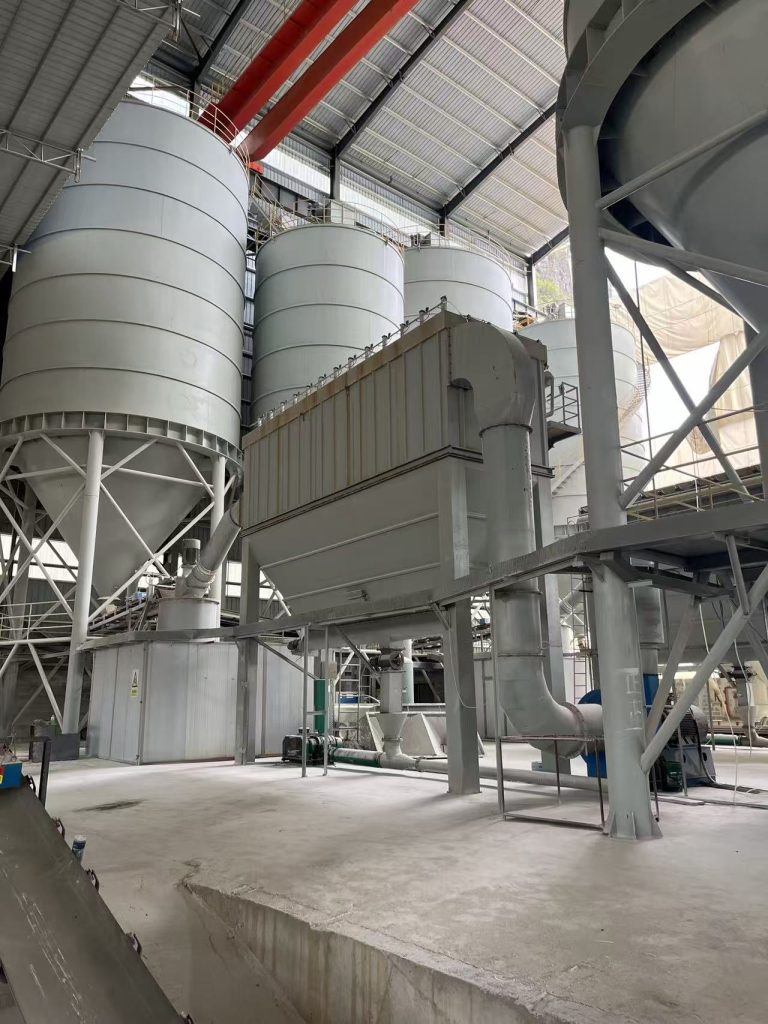
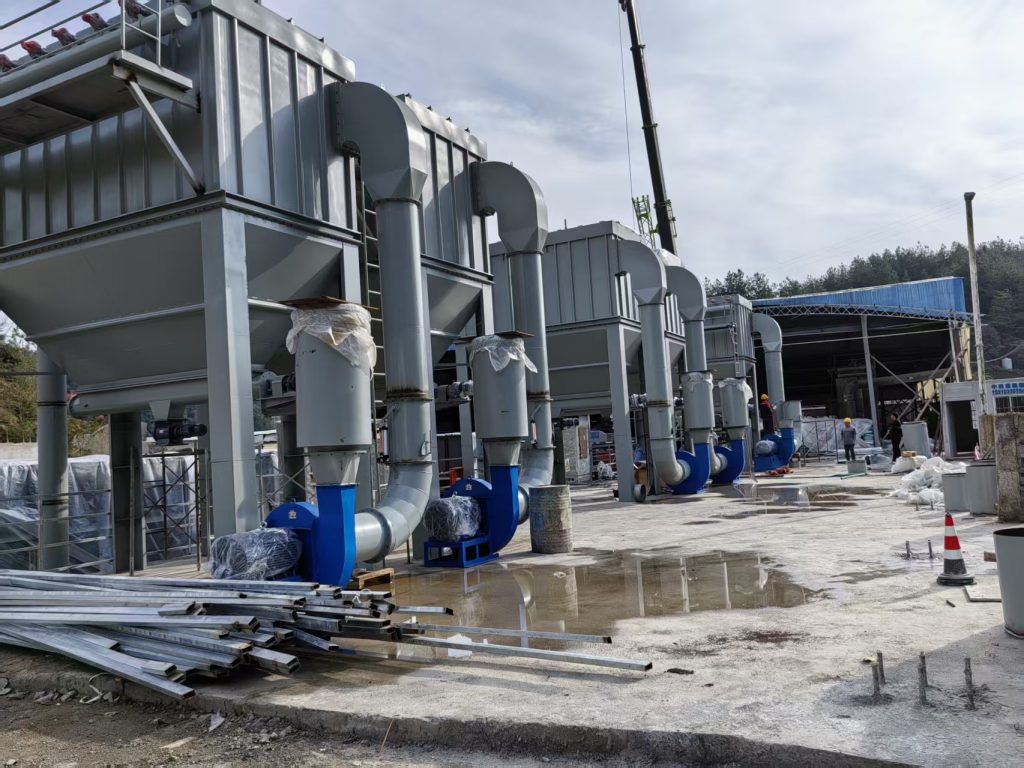
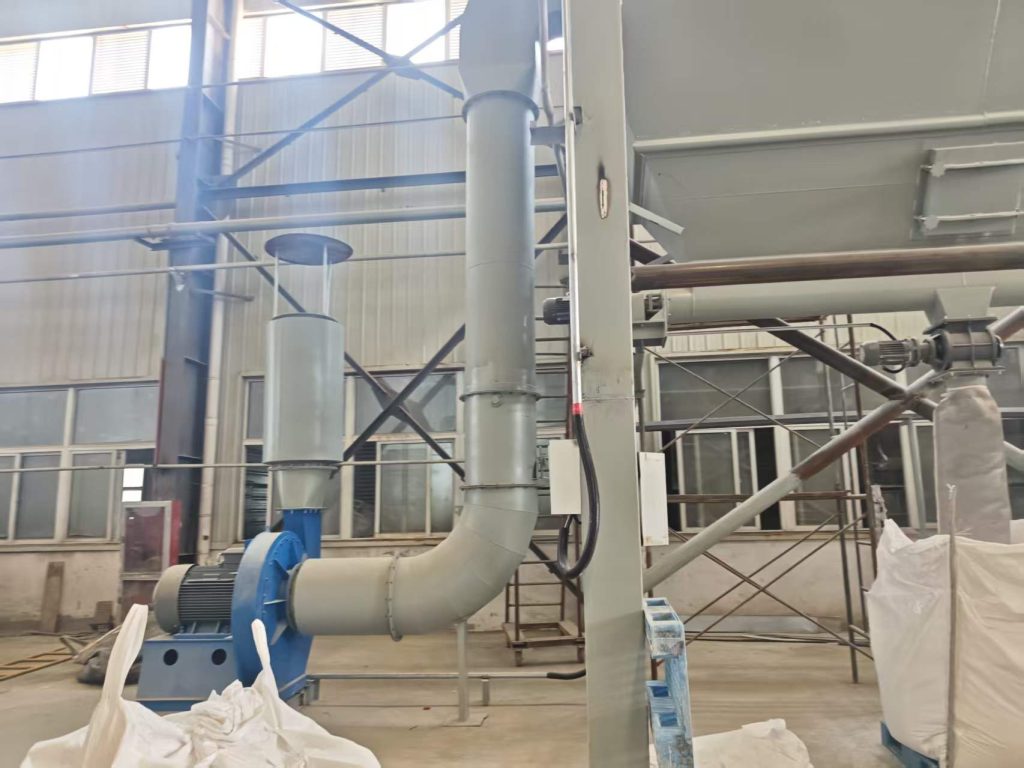
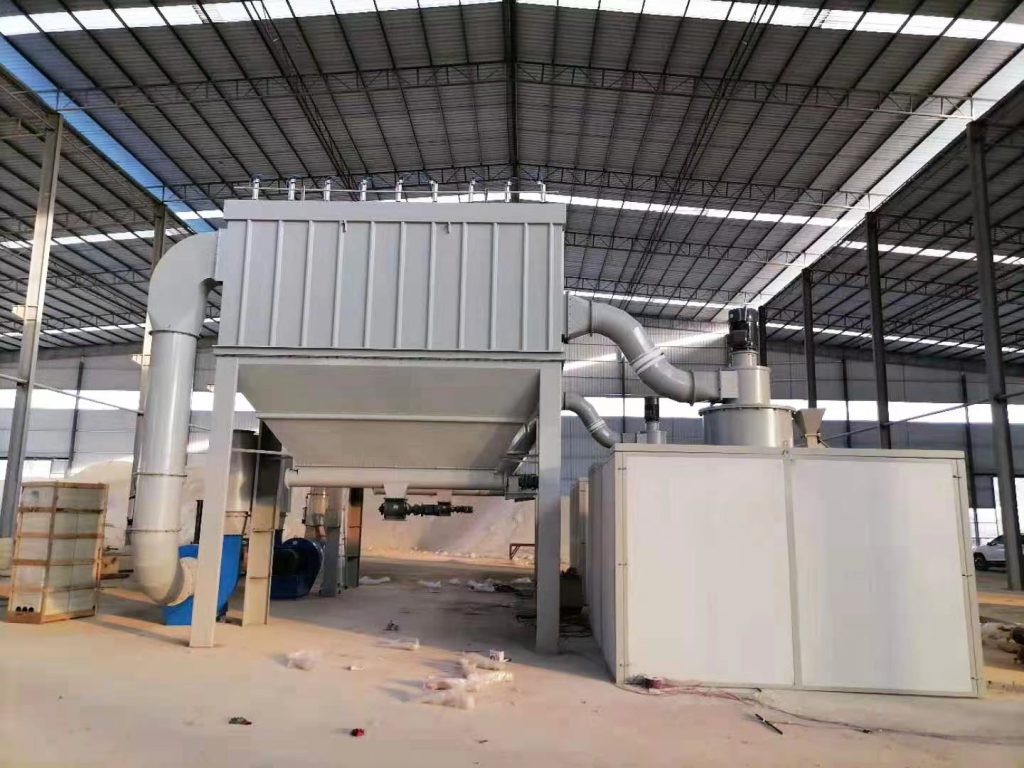
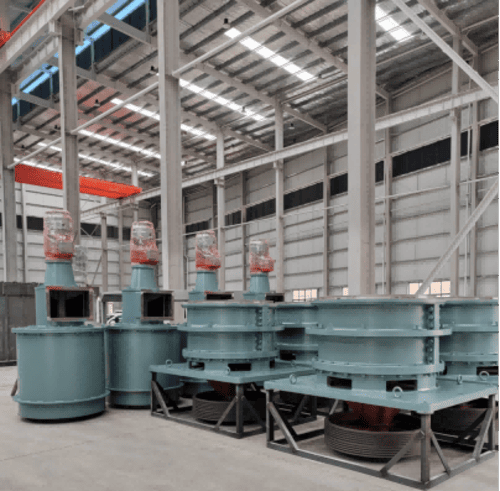
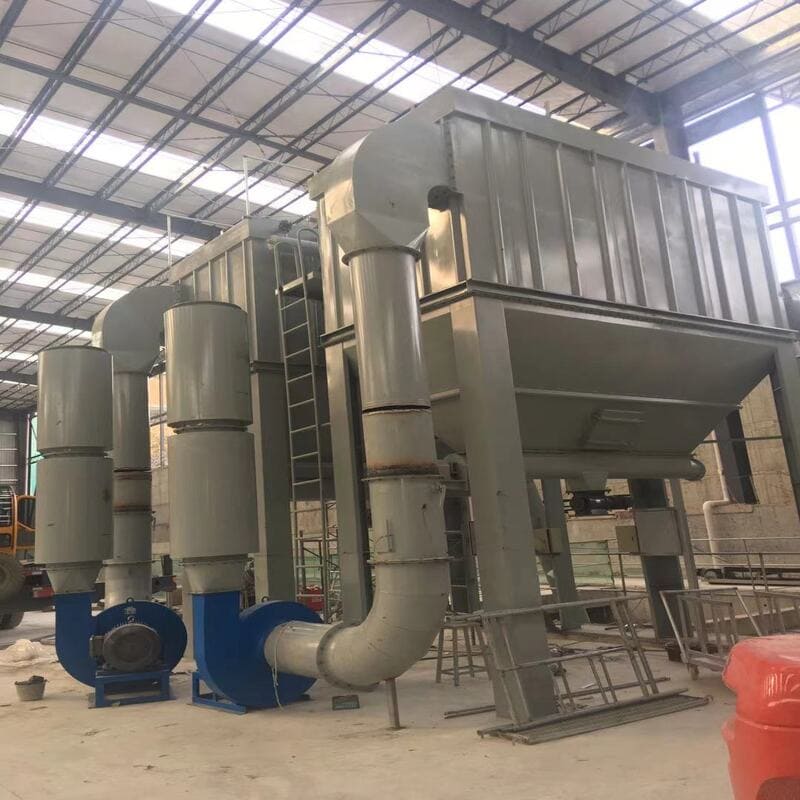
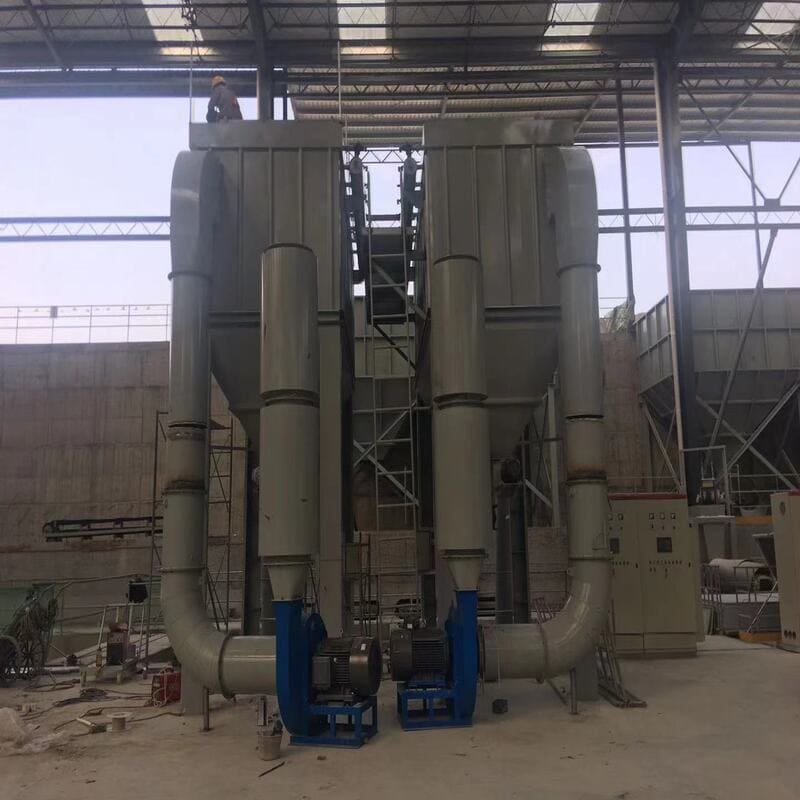
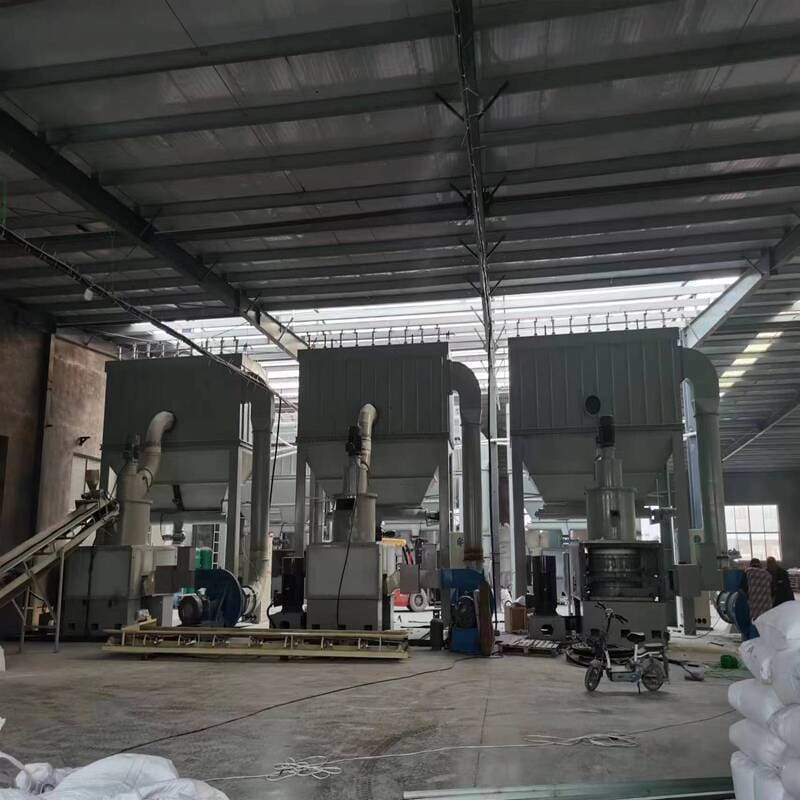
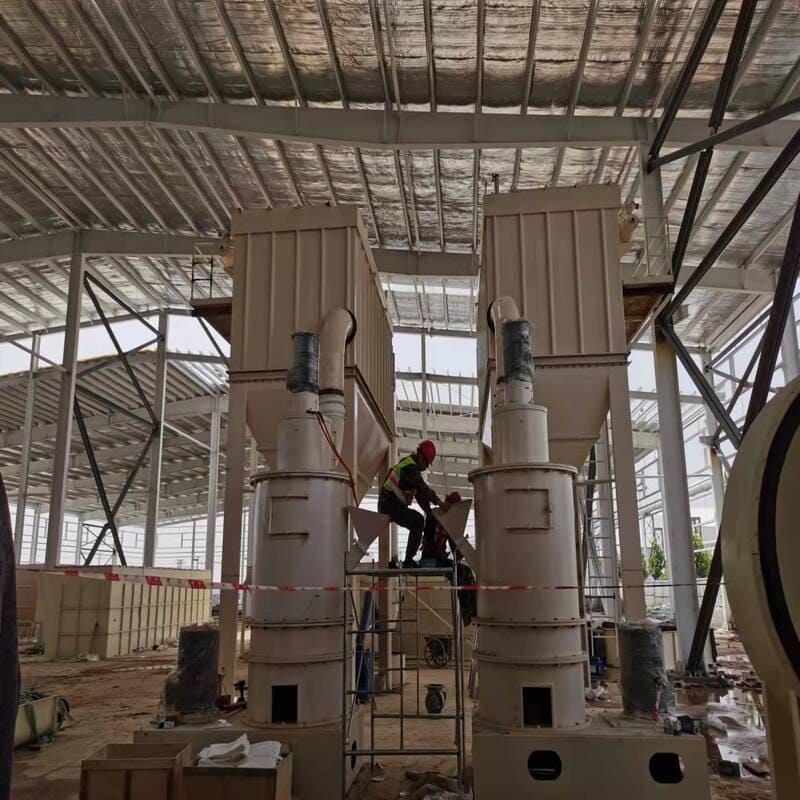
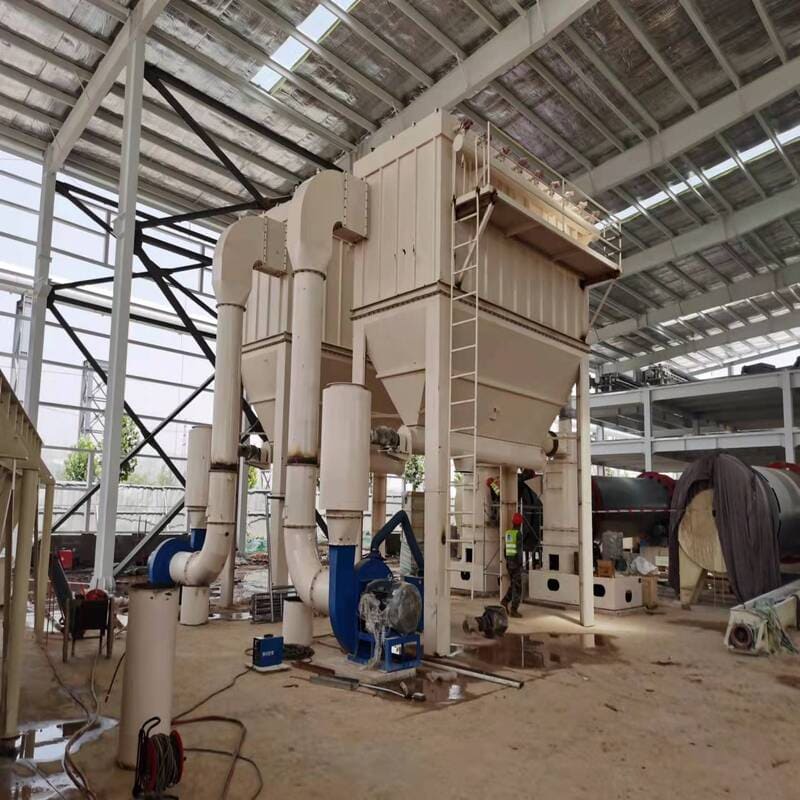
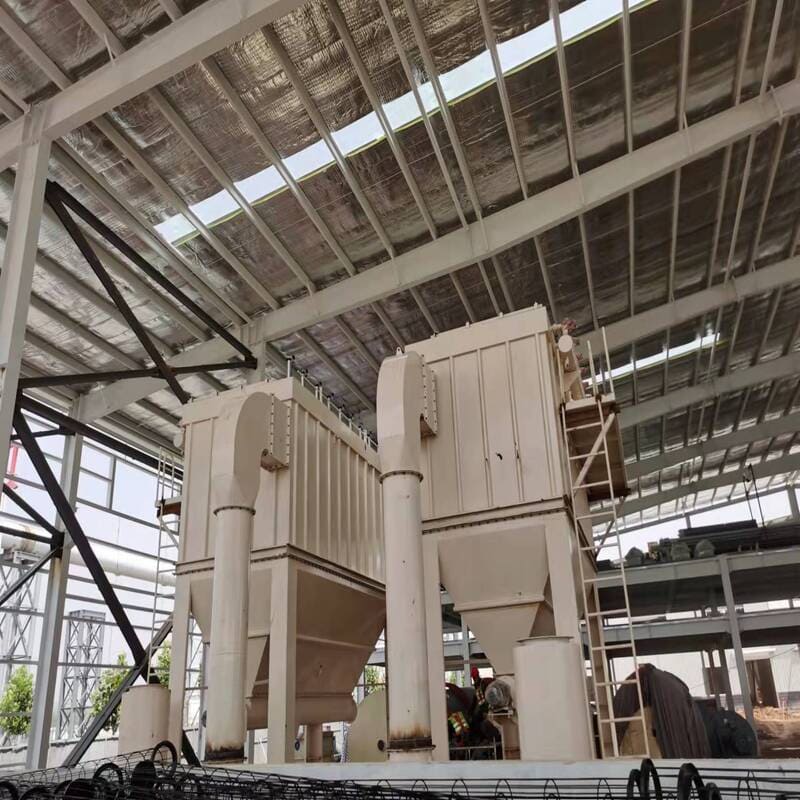
A high-speed continuous grinding machine designed for dry processing is called an impact mill, sometimes referred to as an impact pulverizer. A rapidly rotating rotor inside the grinding chamber drives incoming material outward at a high speed. Particle-on-particle collisions cause additional fragmentation after raw particles clash violently with fixed impact liners.
Air categorization systems are integrated into several contemporary impact mill types. While coarse pieces stay trapped for repeated hits, airflow continuously removes the chamber’s fine finished powder. Discharge screens are not used in the majority of standard designs, which removes one typical cause of obstructions.
Key Traits of Impact Mills
- Grinding action driven by high-speed particle collision against stationary liners
- Particle size tuned by adjusting rotor speed and liner clearance
- Typically built for continuous dry grinding operations
- Capable of medium to ultra-fine powder output
- Produces relatively cubical, low-flakiness particles
Typical Impact Mill Applications
Mineral fine grinding, rigid plastic pulverization, construction waste recycling, chemical powders, pigments, limestone, gypsum, biomass, and low-to-medium abrasion raw materials.
What Is a Ball Mill?
A ball mill is a classic tumbling grinding machine used widely across mining, cement, ceramics, and chemical sectors. It consists of a horizontal rotating cylindrical shell partially filled with grinding media — usually steel balls, ceramic balls or pebbles.
As the cylinder rotates, media are lifted upward before cascading or cataracting down onto the feed material. Size reduction comes from two forces: direct impact from falling balls, plus constant attrition and rubbing between media, particles and the mill lining. Ball mills support both dry and wet grinding, and can run in batch or continuous mode.
Key Traits of Ball Mills
- Combined grinding forces: impact + sustained attrition
- Wider operational flexibility: dry grinding, wet grinding, batch or continuous processing
- Particle residence time inside the chamber can be extended for extremely fine outputs
- Can handle highly abrasive, hard rock and heavy mineral feeds
- Particle shape tends to be rounded due to prolonged rubbing action
Typical Ball Mill Applications
Ore beneficiation, cement clinker grinding, ceramic raw materials, silica sand, metal powder production, lithium mineral processing, and wet slurry milling.
Head-to-Head Comparison: Impact Mill vs Ball Mill
1. Working Principle
Impact Mill: Material is accelerated by a rotor and shattered upon hitting fixed liners. Breakage relies heavily on single high-energy collision events. Residence time inside the grinding chamber is short.
Ball Mill: Grinding media tumble inside a rotating shell. Materials experience repeated impacts plus long-duration attrition. Particles stay inside the mill for much longer, enabling gradual, thorough refinement.
2. Particle Size & Particle Shape
Impact mills are excellent at producing medium and fine cubical particles quickly. They can achieve ultra-fine grades with integrated classifiers, but performance drastically declines when extremely narrow submicron distributions are the goal. Although excessive speed might produce undesired fine dust, over-grinding is less prevalent.
Ball mills use constant rubbing to create rounded particles. When consistent submicron or ultra-fine powder is needed, they are far more dependable. To carefully control particle size distribution, operators can modify feed rate and retention time; however, longer running times use more energy and may result in excess fines.
3. Feed Material & Moisture Tolerance
The main purpose of impact mills is to process dry, low-moisture feedstock. Damp, sticky materials run the danger of accumulating on liners and obstructing ventilation. Although they do a good job processing moderately hard rock, extremely abrasive ores quickly wear down impact plates and rotors, increasing maintenance costs.
Ball mills are far more adaptable. Higher moisture and clay content materials are easily handled by wet grinding setups. Variants with rubber linings lower the possibility of contamination. For hard, abrasive minerals where long-term wear stability is important, they are the conventional option.
4. Throughput & Footprint
For medium-fine dry grinding tasks, impact mills deliver high throughput within a compact machine footprint. Rotational speeds are high, and material moves quickly through the grinding zone.
Ball mills are large, heavy machines requiring reinforced foundations. Continuous models can achieve massive hourly volumes, but they occupy considerably more floor space. If your facility has limited space and only needs dry processing, impact mills often present a simpler layout solution.
5. Energy Efficiency
This is one of the most frequently debated points among plant engineers. Impact mills achieve good energy efficiency for coarse-to-medium fine dry grinding. Energy losses rise sharply when pushing toward ultra-fine powder, as repeated high-speed collisions generate waste heat.
Ball mills suffer from inherently low overall energy conversion; most power is lost as noise and heat rather than particle breakage. However, in wet fine grinding and mineral liberation work, no alternative can match their consistent performance. For sub-20 μm finished products, ball milling often becomes the economical choice despite higher power draw.
6. Maintenance & Wear Components
Impact mill wear parts include rotor tips, blow bars and impact liners. Replacement intervals depend heavily on feed abrasiveness. Part change work is generally quick, but wear rates spike when processing hard rock.
Ball mill consumables consist of shell liners and grinding balls. Media wear is gradual and predictable. Although liner replacement requires longer shutdowns, wear patterns are easier to monitor, making long-term operational costs more stable for abrasive feeds.
7. Process Flexibility
Impact mills are almost exclusively continuous dry grinders. Options for wet processing are limited and uncommon. Most units rely on air systems for material evacuation.
Ball mills support batch testing, continuous production, dry milling and wet slurry processing. This flexibility makes them ideal for laboratories, pilot plants, and multi-product production lines that frequently switch raw materials.
Pros & Cons Summary
Impact Mill Advantages
- Compact size, lower installation foundation requirements
- Fast processing speed for dry medium/fine grinding
- Produces clean, cubical particles suitable for many aggregate and powder applications
- Quick access for routine inspection and wear part swaps
- No discharge screen to suffer blinding with dry free-flowing feed
Impact Mill Disadvantages
- Poor tolerance for wet, sticky feedstock
- Wear components degrade rapidly when grinding highly abrasive rock
- Limited options for wet grinding configurations
- Less control for ultra-tight submicron particle distributions
Ball Mill Advantages
- Supports both dry and wet grinding, batch or continuous operation
- Outstanding performance with hard, abrasive ores and minerals
- Capable of consistent ultra-fine and submicron powder production
- Mature, well-understood technology with widespread spare parts availability
- Adjustable residence time for precise particle tuning
Ball Mill Disadvantages
- Large footprint and heavy weight, demanding reinforced foundations
- High overall power consumption for equivalent throughput
- Significant noise and vibration during operation
- Longer downtime during major liner replacement
- Higher initial capital investment for large industrial units
How to Choose Between an Impact Mill and Ball Mill
Choose an Impact Mill if:
- You process dry, low-to-medium abrasion raw materials
- Target output is medium to fine cubical powder, not submicron grades
- Floor space is limited, and you require a compact continuous grinding setup
- Particle shape needs to be angular and cubical for downstream applications
- Wet grinding is not required for your production workflow
Choose a Ball Mill if:
- Feed material is hard, highly abrasive ore, cement or ceramic raw materials
- You need wet grinding or the flexibility to switch between batch and continuous runs
- Consistent ultra-fine or submicron particle sizes are mandatory
- Raw feed carries moderate moisture or sticky clay components
- Long-term stable wear performance matters more than maximum throughput speed
Final Thoughts
It is crucial to realize that impact mills and ball mills are rarely direct rivals. They even cooperate in various flowsheets for mineral processing: impact mills manage secondary coarse reduction before final ball mill fine grinding.
Although manufacturer datasheets offer helpful baseline data, nothing can take the place of testing using your real raw stream. Which machine offers the highest return on investment will depend on factors including material hardness, moisture content, desired particle specification, and necessary hourly production. Making a decision only on the basis of pricing up front frequently results in costly operational issues years later, all while producing the same level of fineness.
Impact Mill Blog
Roller Mills for Sale
About LKMixer
LKMixer is a professional manufacturer for grinding and mixing production line, grinder, mixer and granulator, shredder. These machines are widely used in food, pharmaceutical, cosmetic, health care products and chemical industries. The materials like Turmeric, Protein, Crumb Rubber. The Food materials like licorice, Licorice Flavored Spice, seeds, potato, bean, Black pepper, corn, Coffee, rice, pepper, grain as so on. Grinders have many types such as Air cooled crusher , grinding machine cassava which is suitable for cassava, Ultrafine Grinding Mill covers 80-200mesh, and also Winnowing Dust Grinder or other grinding machines like SF Hammer. Welcome to contact us for details. Contact us for more information. Proposal, catalog, quotation.
Recommend Reading
You may also interest in other topics:
demolition hammer gsh 11e , 180KW ev charger 60kw ev charger , glass bottle capping machine