Which Mill Works by Impact?
Which Mill Works by Impact?
Which Mill Works by Impact? Impact grinding is a term that anyone looking into size-reduction equipment and powder processing will often come across. Differentiating between mills that employ impact force and those that use compression, shear, or gas collision causes confusion for many operators. In a nutshell, an impact mill is a large group of grinders that use high-speed collisions to break material. However, some popular mill types use completely distinct grinding mechanics, while others rely on impact principles.
From industry technical guides and top-ranked equipment reviews, we have grouped all common impact-based mills, explained overlapping terminology, described how each version operates, described typical uses, and dispelled common myths.
What Is Impact Grinding?
Before diving into machine types, let’s define the core principle. Impact grinding breaks solid feedstock by striking particles at high velocity. Material collides with rotating components, stationary liners, or other particles, creating sharp shock forces that crack brittle raw materials.
This stands apart from other grinding mechanisms:
- Compression: Roller mills, vertical mills squeeze material between surfaces
- Attrition: Ball mills rely on grinding media rubbing against particles
- Gas collision: Jet mills accelerate particles using compressed air without mechanical rotors
Not every mill with “impact” in the title follows the same design, so it helps to separate all mills powered by impact action.
Main Types of Mills That Work by Impact
Hammer Mill
The most widely recognised impact grinder. A high-speed rotor carries freely swinging hammers that repeatedly strike incoming material. Particles fly against chamber liners and keep circulating until they pass through a discharge screen. Working logic: Direct mechanical impact from hinged hammer beaters. Best for: Coarse and medium grinding, grain, feed, biomass, rigid plastic scraps and mineral pre-crushing. Important note: All hammer mills fall under the broader impact mill family, but not all impact mills are hammer mills.
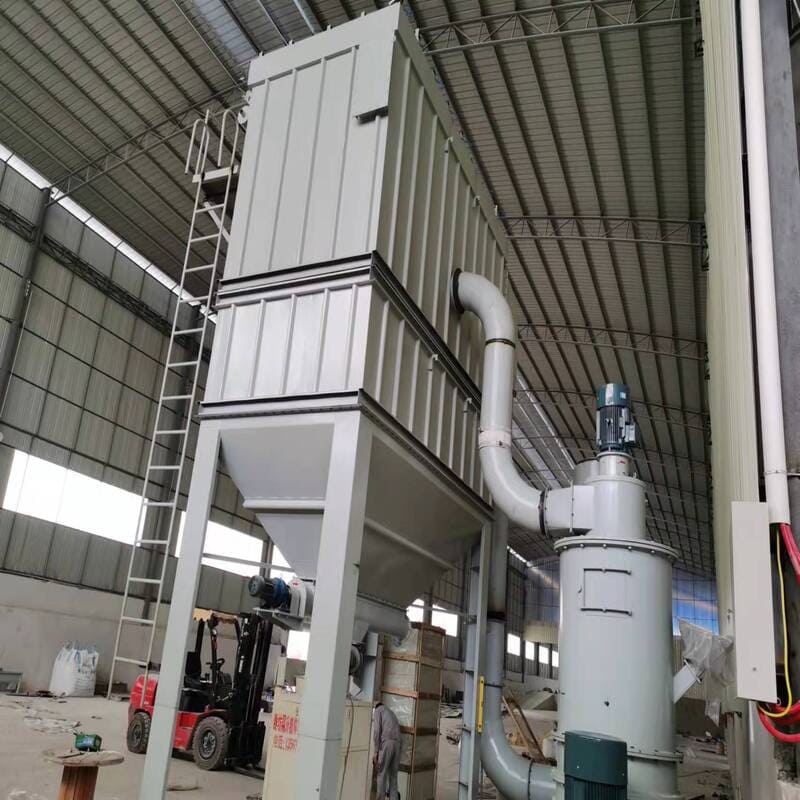
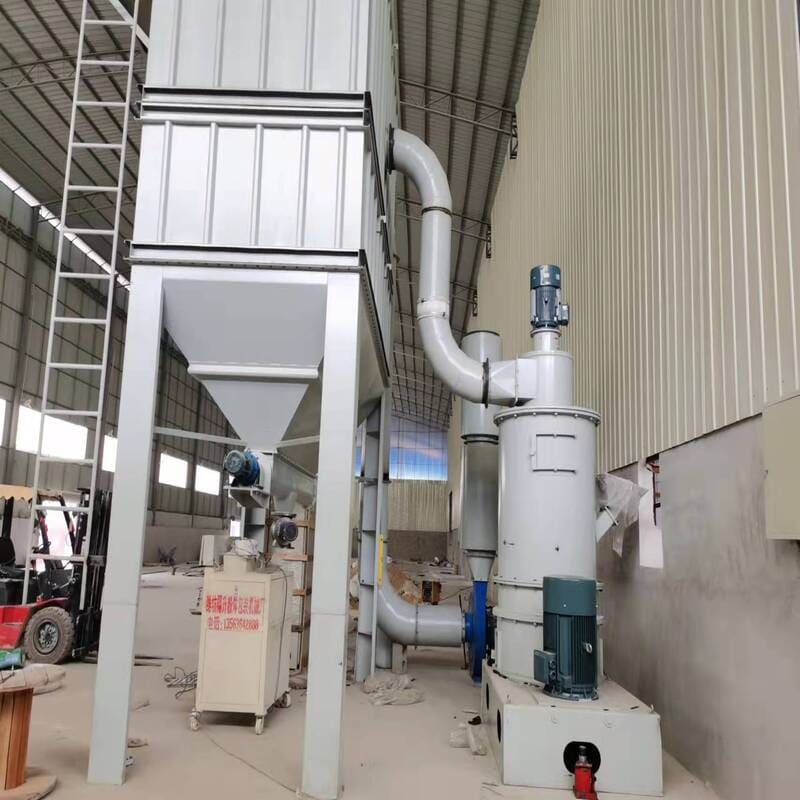
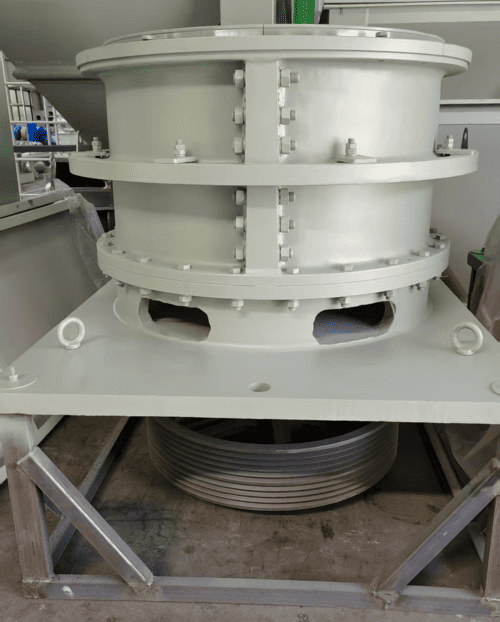
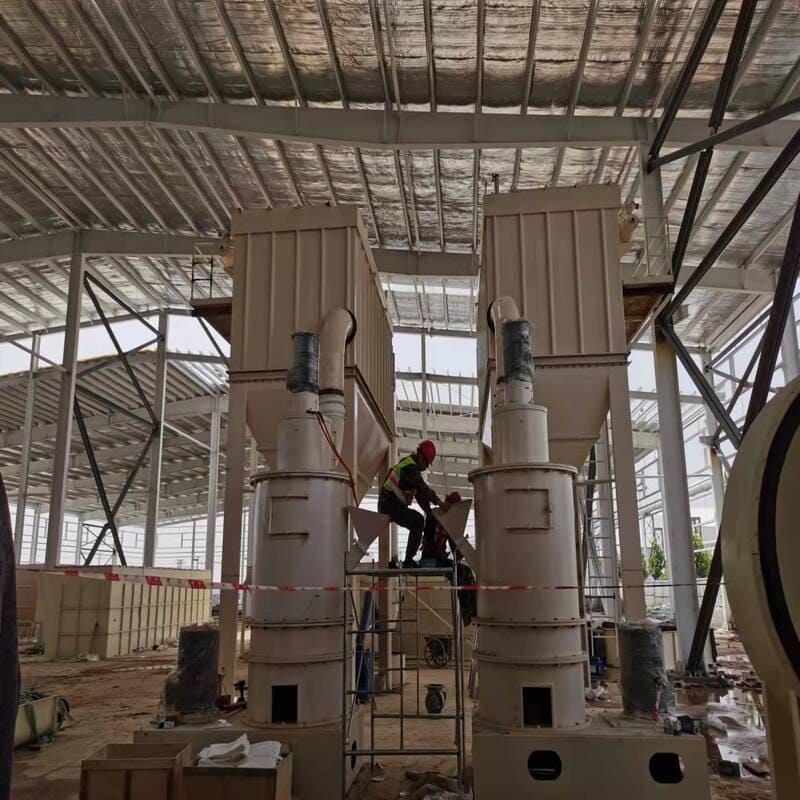
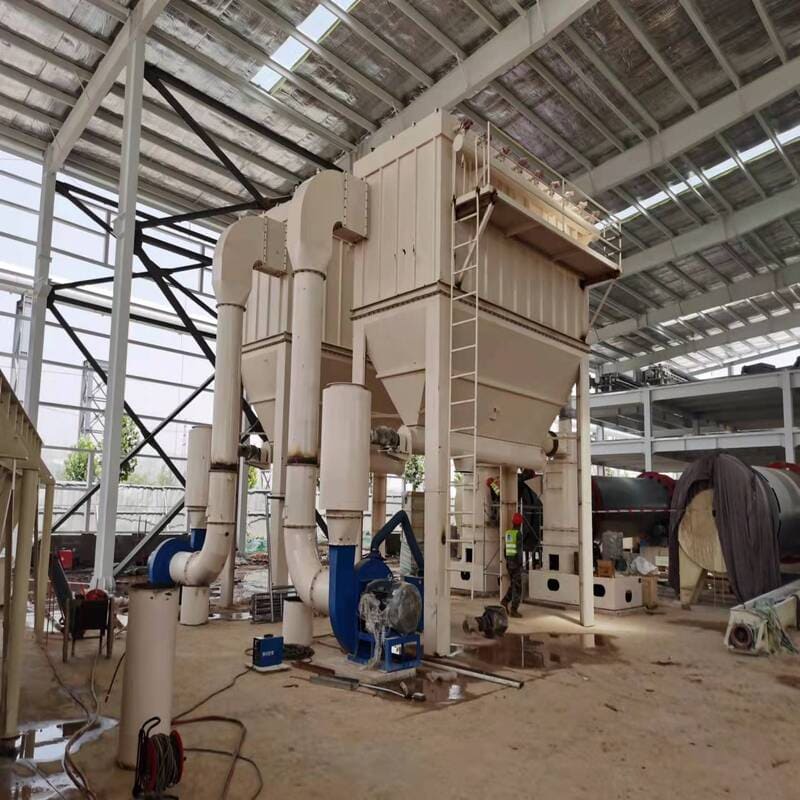
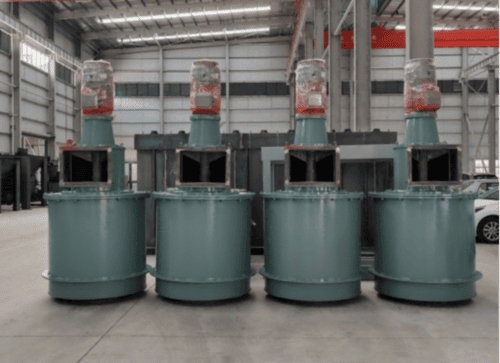
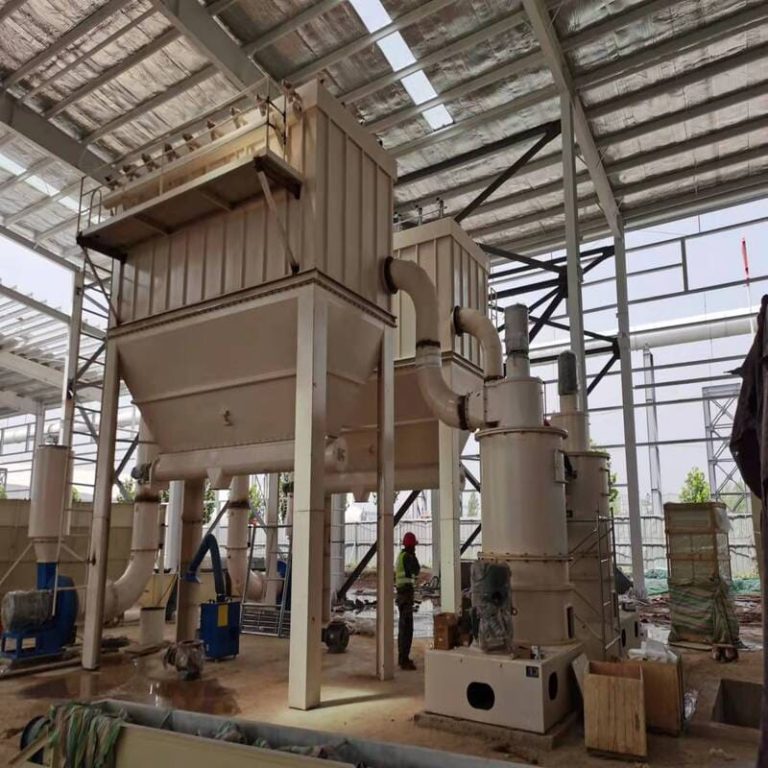
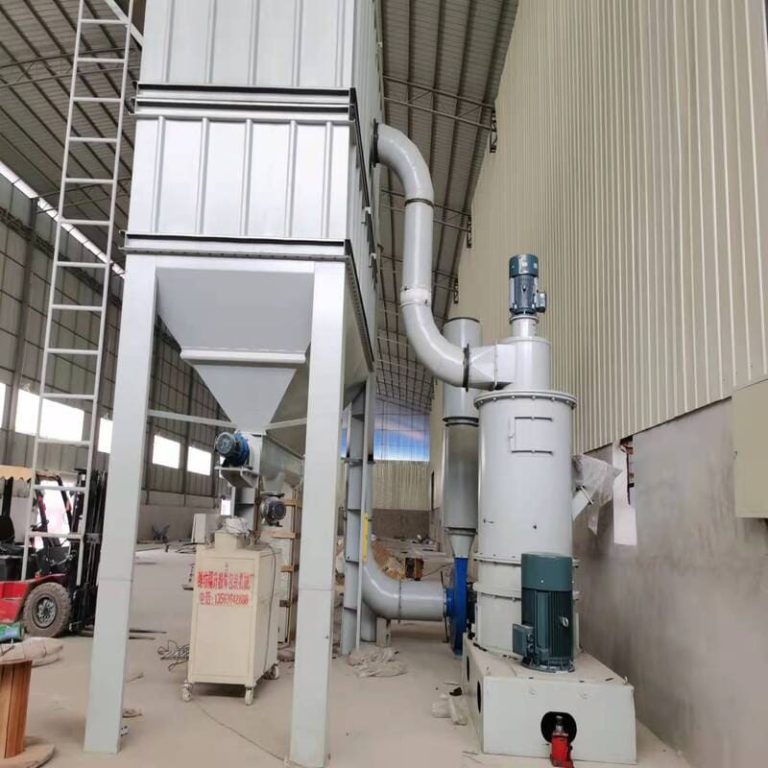
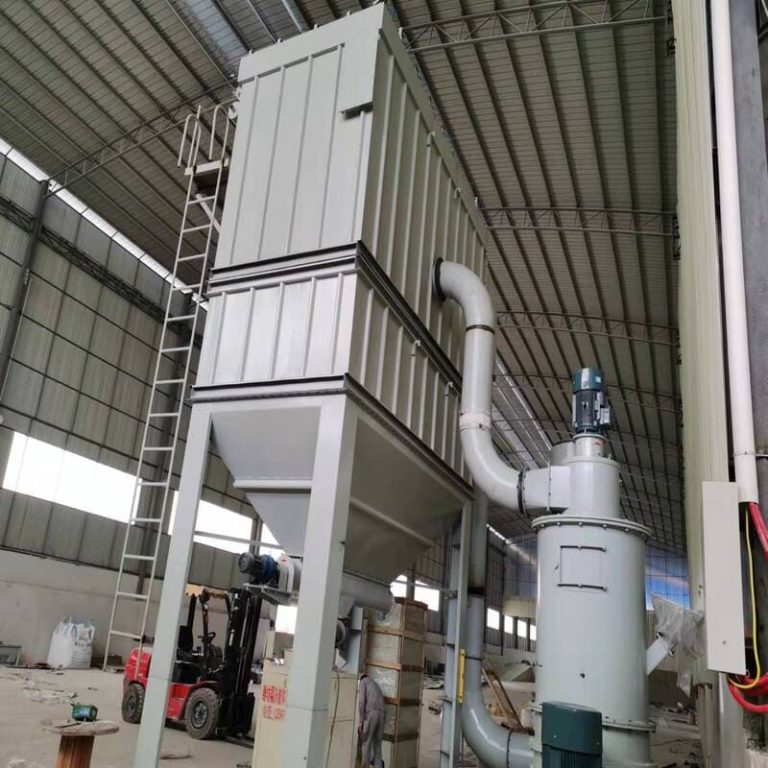
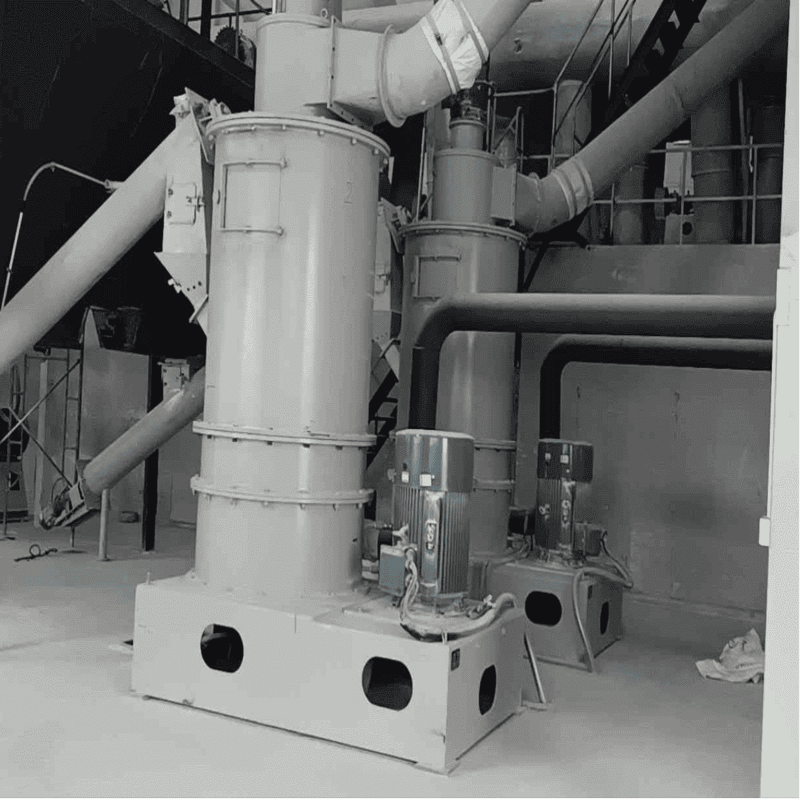
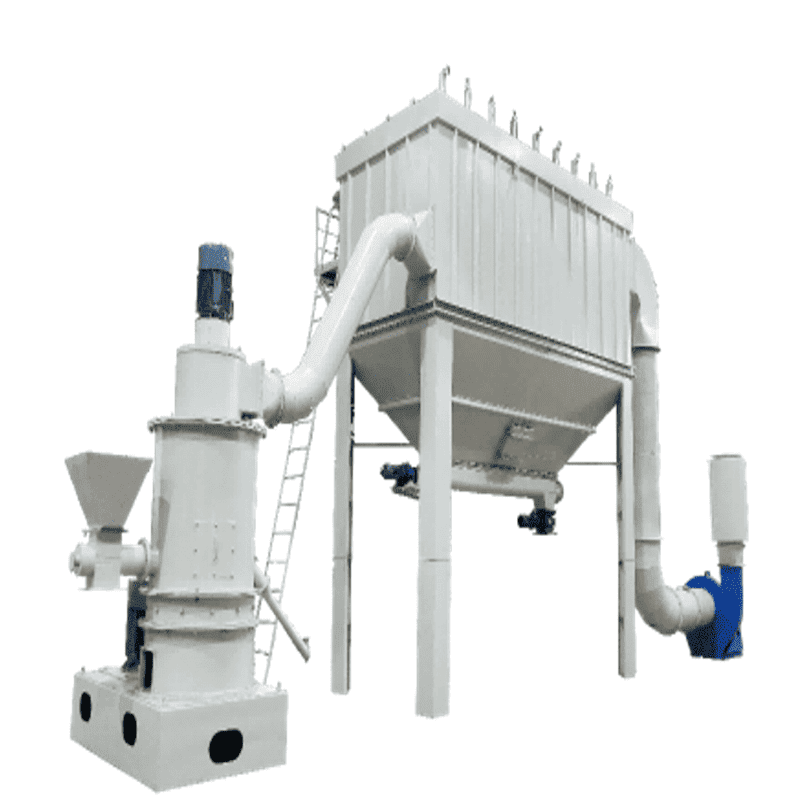
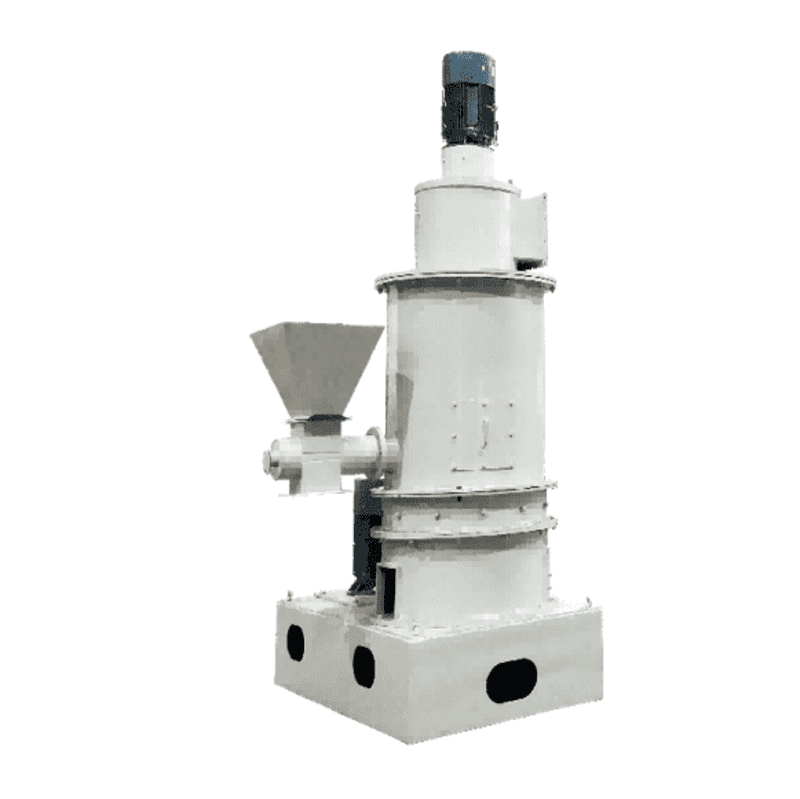
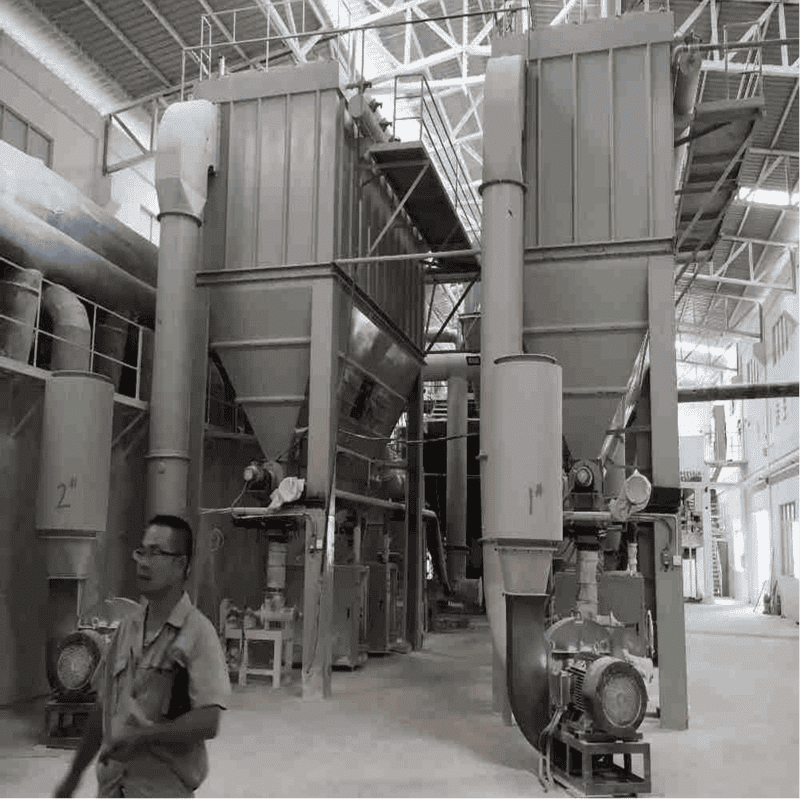
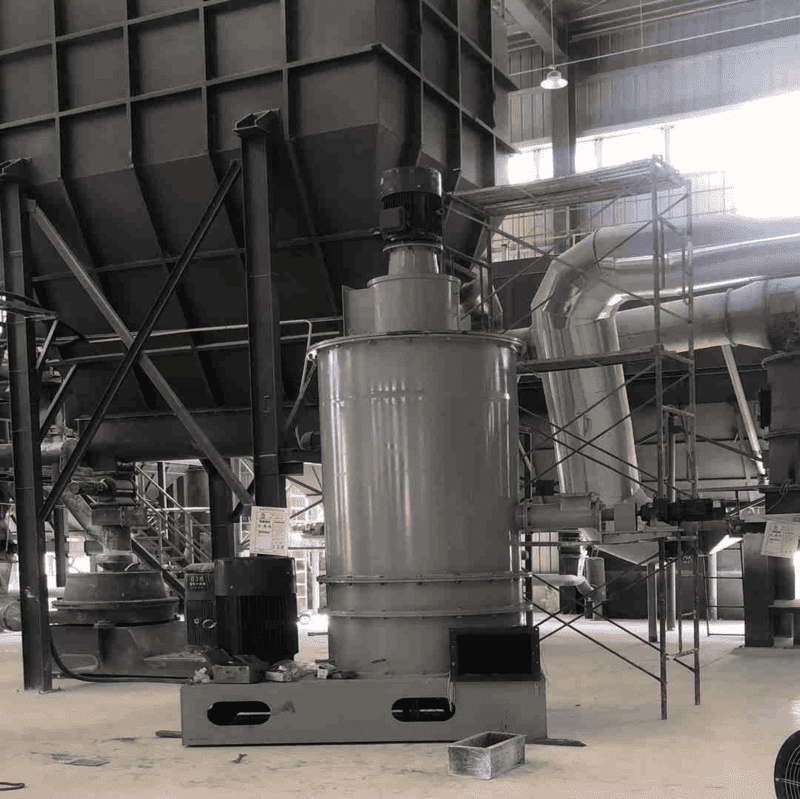
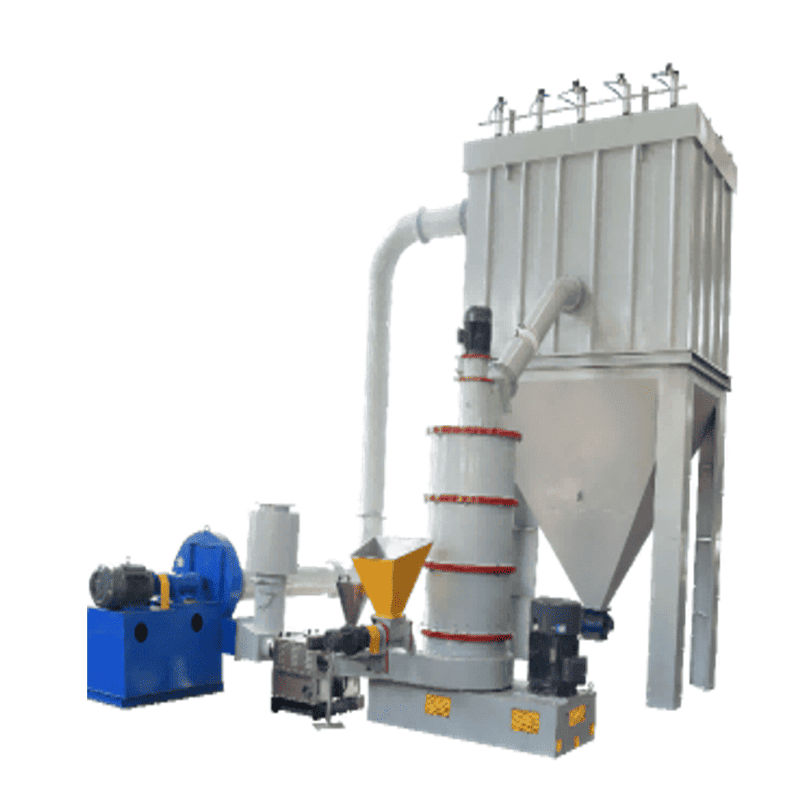
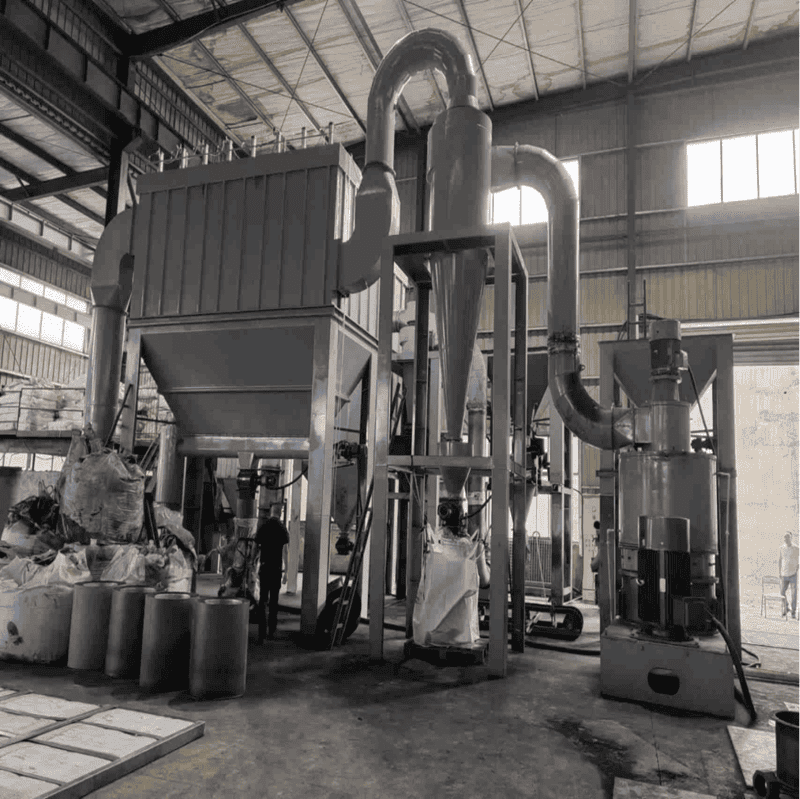
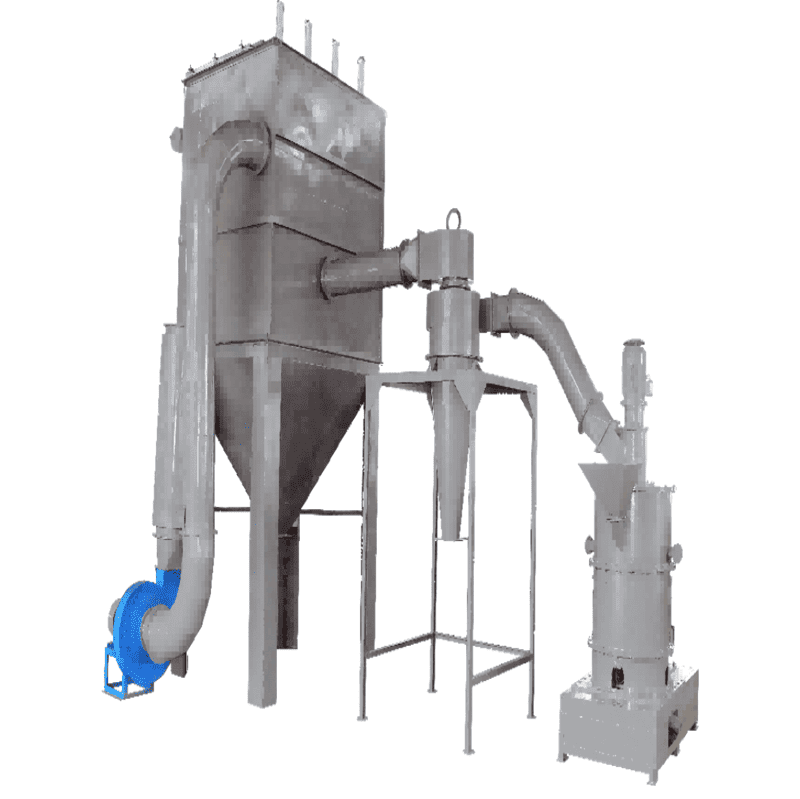
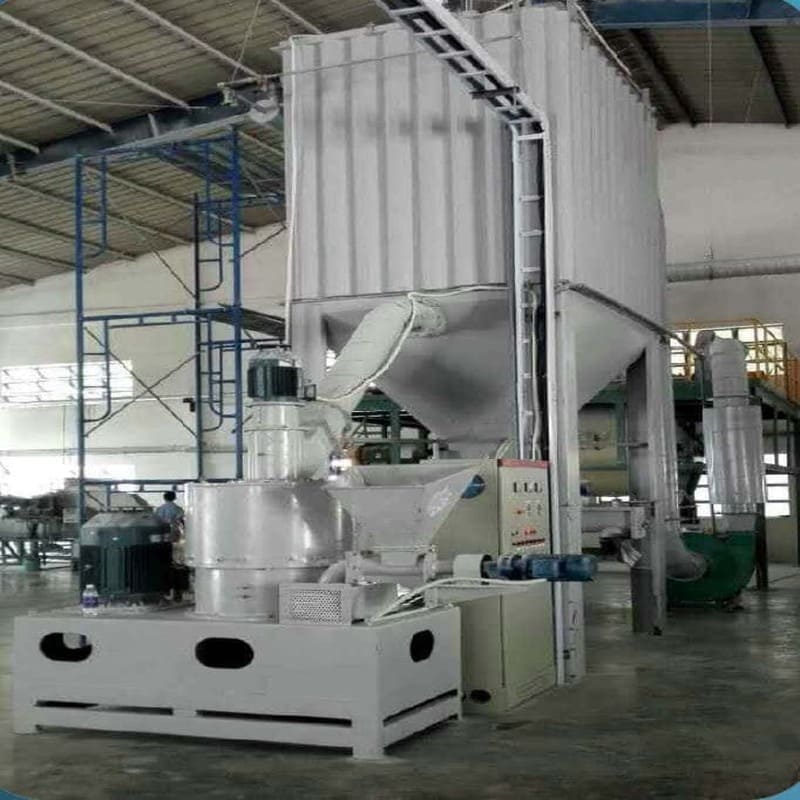
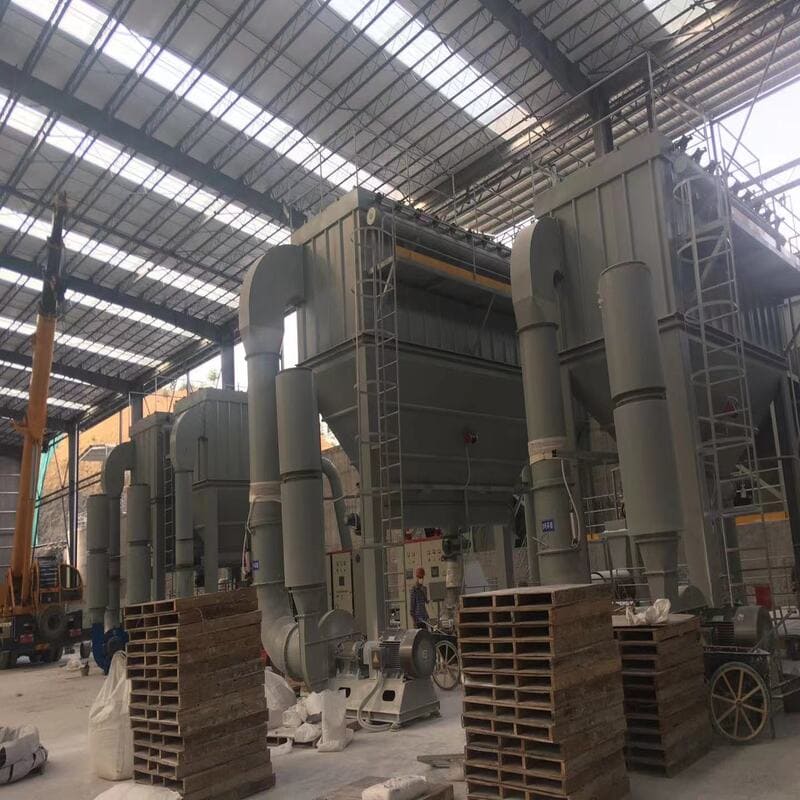
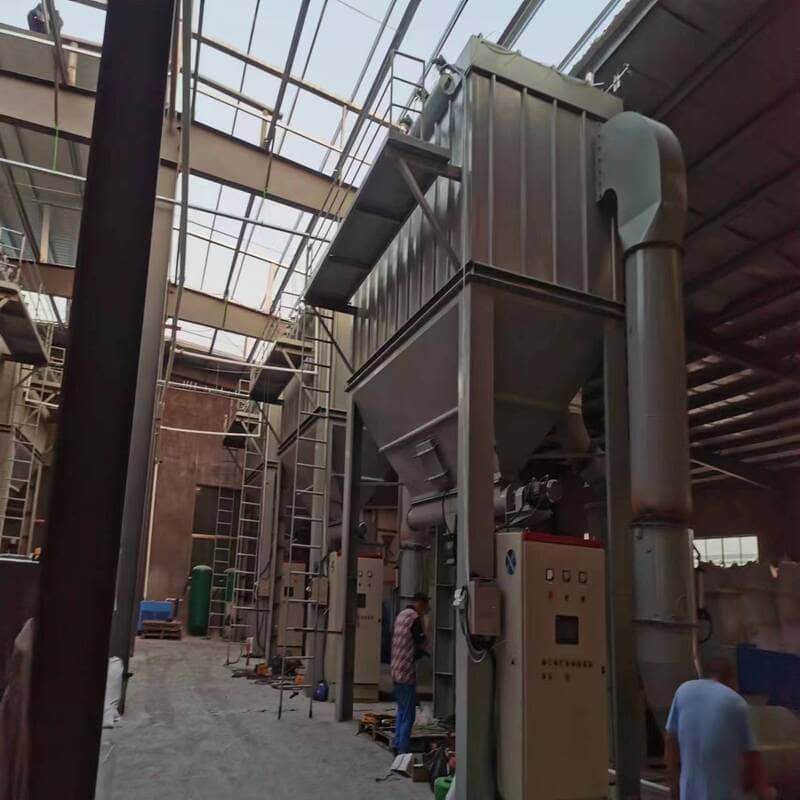
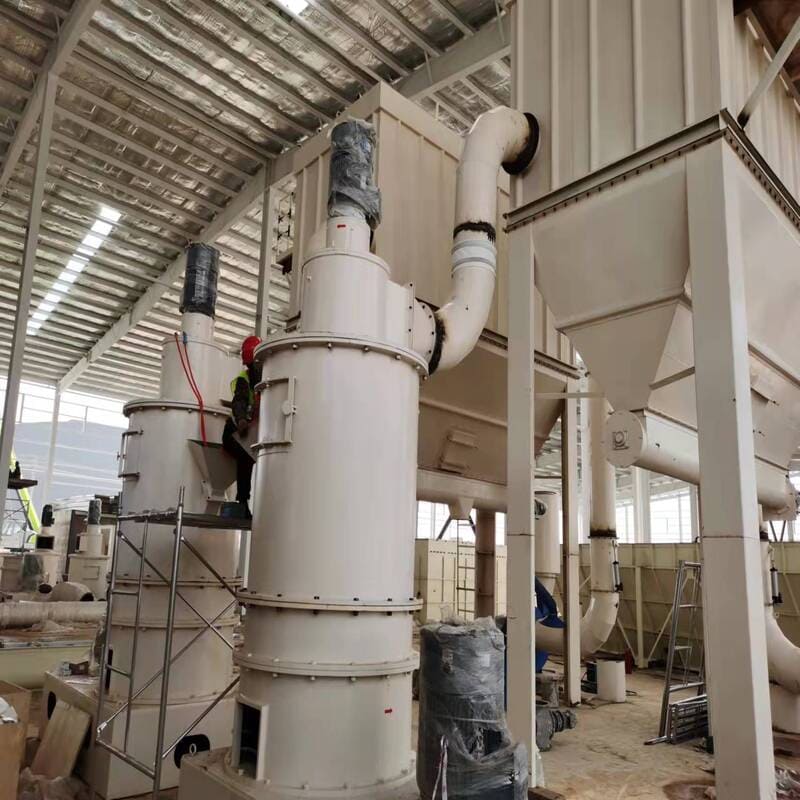
Mechanical Impact Mill (Pin Mill / Turbo Mill / Air Classifier Impact Mill)
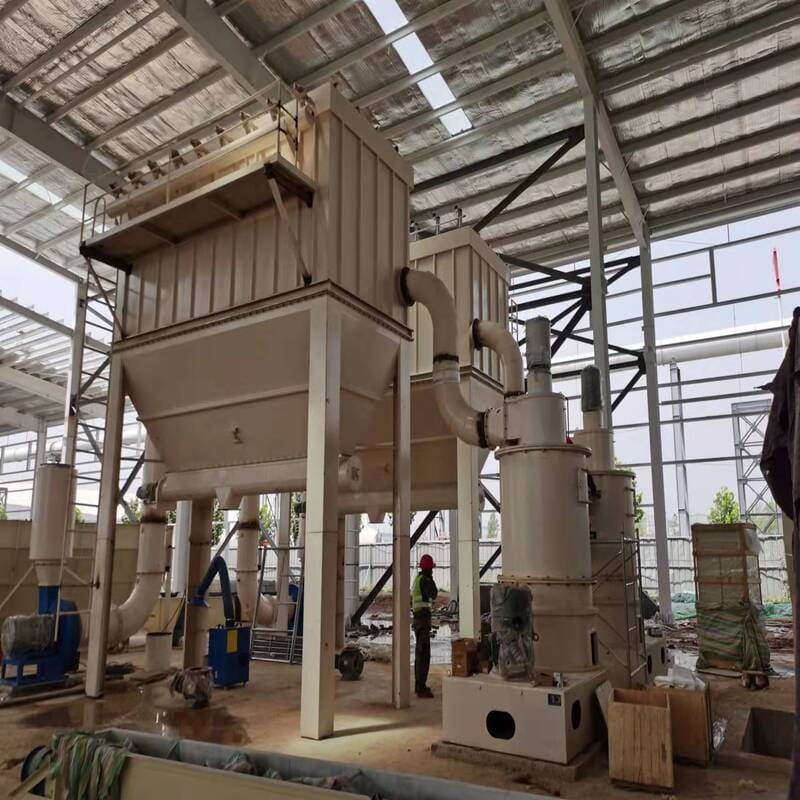
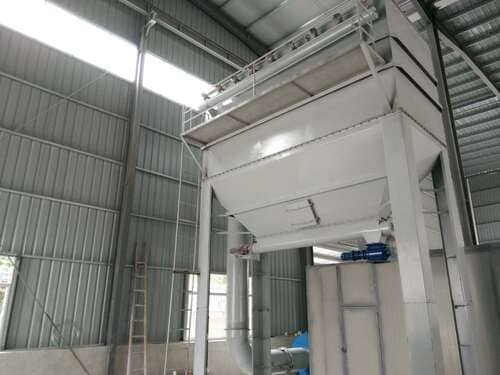
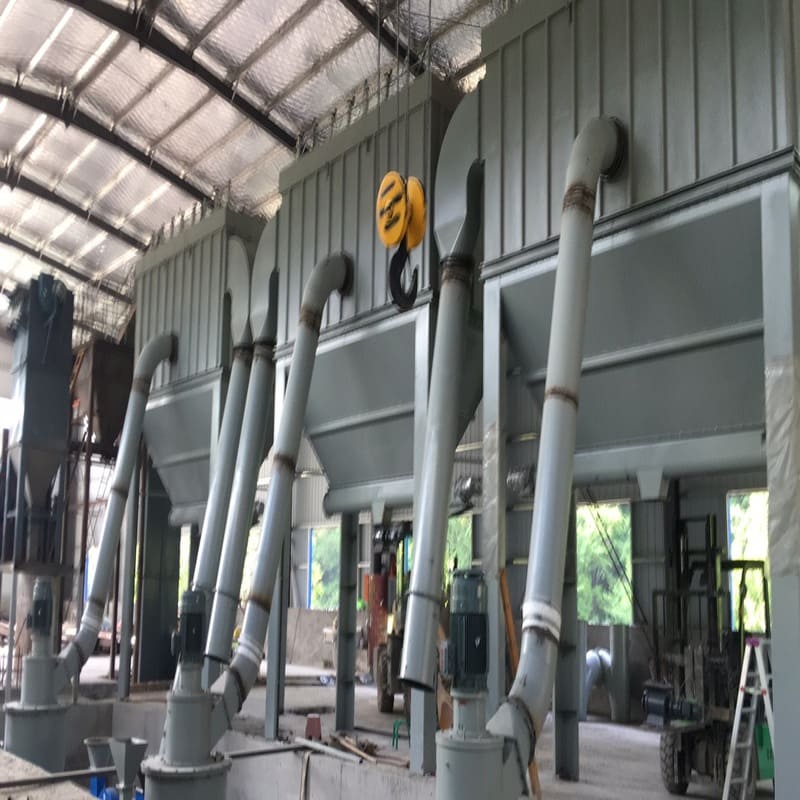
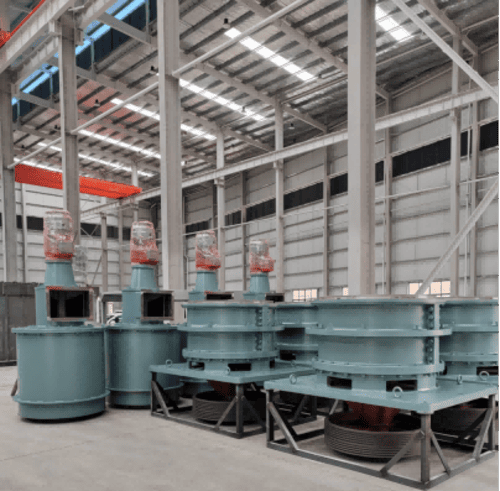
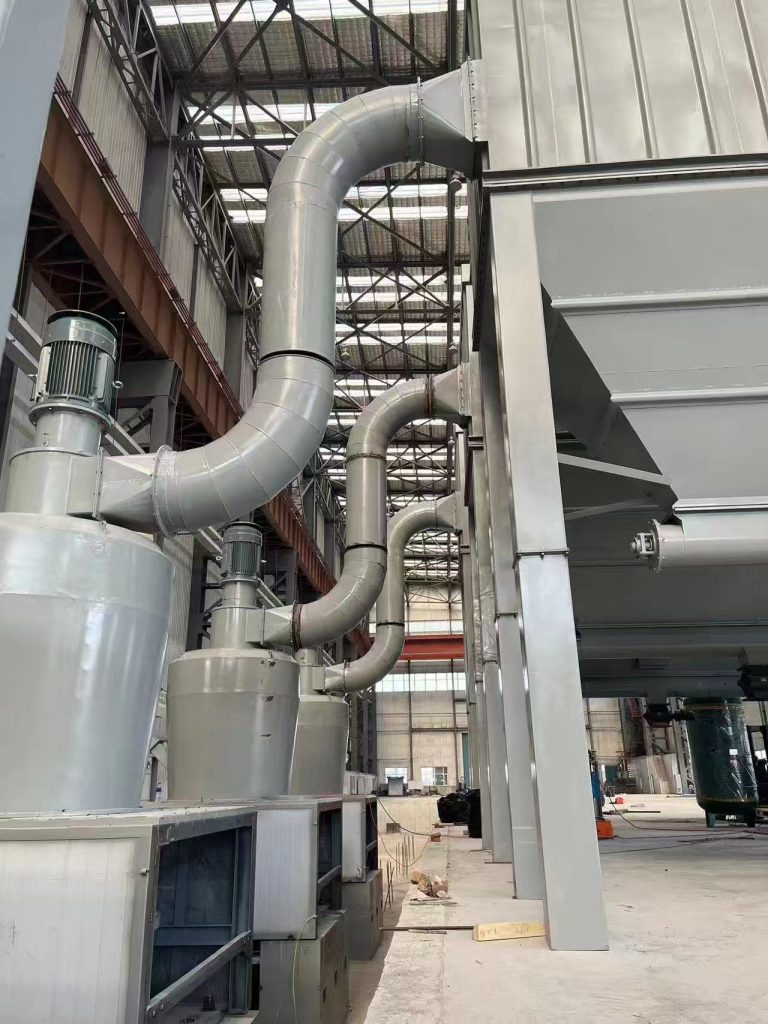
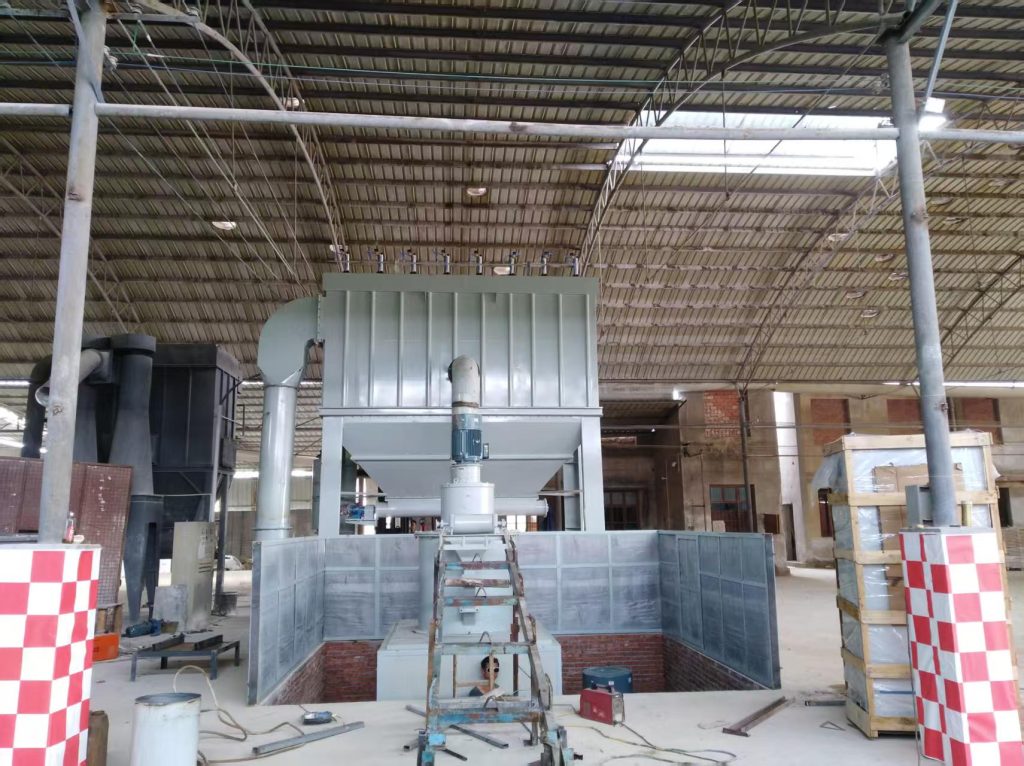
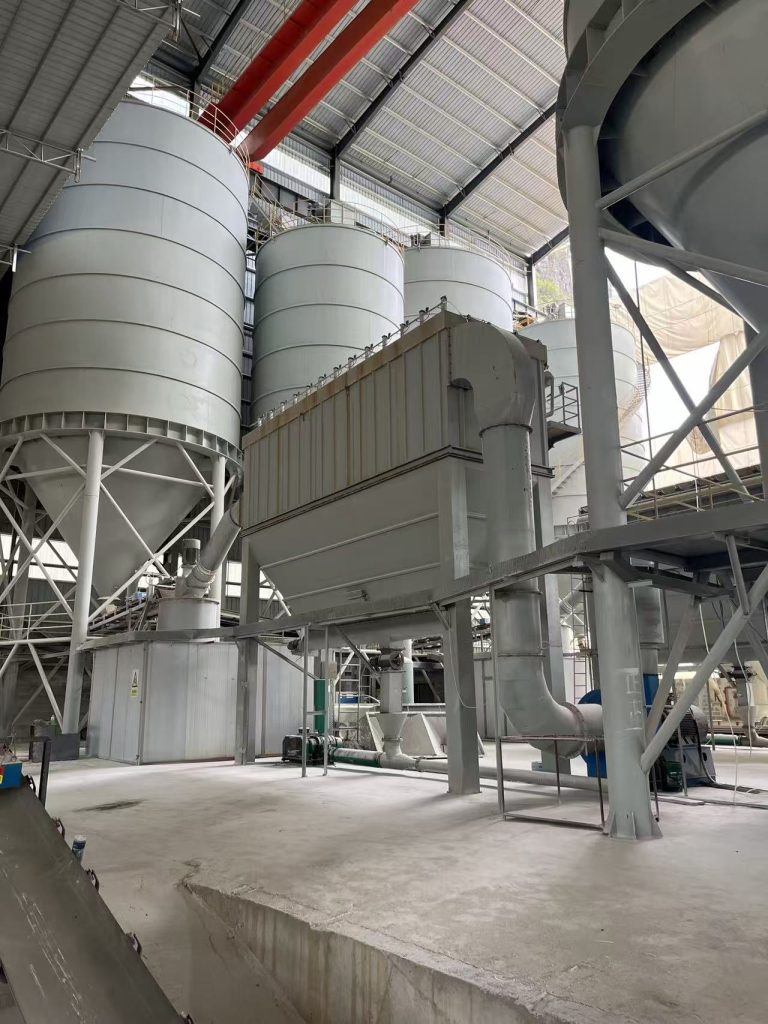
This is the refined fine-grinding version of impact equipment. Rotors are fitted with pins, turbine blades or fixed impact blocks, paired with stationary stator rings. Many modern units include built-in air classifiers to control finished fineness. Working logic: Particle impact, shear and particle-on-particle collision inside the rotor-stator gap. Common variants:
- Pin mill: Interlocking rows of pins, ideal for spices, pigments and pharmaceutical fine powder
- Turbo impact mill: Curved blades suited for slightly fibrous materials
- Air classifier impact mill: All-rounder for mineral fillers such as calcium carbonate and talc Best for: Medium-to-fine powder production when narrow particle distribution is required.
Jet Mill (Fluid Energy Mill)
This creates frequent terminology confusion. It also works by impact, but with a key difference: there are no rotating mechanical grinding parts. Compressed gas accelerates particles so they crash into one another. Working logic: Pure particle-to-particle impact driven by supersonic airflow. No hammers, pins or rotors physically striking material. Best for: Ultrafine low-contamination powder, heat-sensitive APIs, battery materials and high-grade pigments.
Vertical Impact Crusher / Impact Breaker
Larger industrial crushing equipment used in mining and construction waste recycling. A heavy rotor throws rock against impact plates for primary crushing. Best for: Large stone, aggregate and concrete coarse crushing, rarely used for fine powder production.
Mills That Do NOT Primarily Work by Impact
Knowing these distinctions prevents costly equipment selection mistakes:
Roller Mill
Grinding happens via compression and mild shear between two rotating rolls. Impact plays only a minor secondary role. It is designed for consistent granular output, not impact crushing.
Ball Mill
Ball mills use a combination of media impact and attrition friction. While steel balls do drop and strike material, compression and rubbing dominate the grinding process. Most technical classifications separate ball mills from dedicated impact grinders.
Vibratory Mill
Relies on high-frequency vibration of grinding media. Attrition is the main force, not sharp targeted impact.
Quick Comparison of Impact-Based Mills
Hammer Mill
- Impact source: Swinging mechanical hammers
- Fineness range: Coarse to medium grinding
- Particle control: Limited by screen size
- Typical use: Grain, feed, biomass pre-grinding
Pin / Air Classifier Impact Mill
- Impact source: Fixed pins, turbine rotors and stator rings
- Fineness range: Medium to fine powder
- Particle control: Adjustable via classifier speed
- Typical use: Minerals, food, pharmaceutical powder
Jet Mill
- Impact source: Particle collision driven by compressed gas
- Fineness range: Ultrafine micronised powder
- Particle control: Tuned by gas pressure and airflow
- Typical use: High-purity, heat-sensitive premium materials
Common Terminology Confusion
Q: Is a hammer mill an impact mill?
A: Yes. Hammer mills are a subcategory of impact mills. But many impact mills (pin mills, turbo mills) are not hammer mills. Marketplace listings often blur these names to capture extra search traffic.
Q: Is a jet mill considered an impact mill?
A: Mechanically, it relies on particle impact, but industry professionals usually separate jet mills from mechanical impact mills. When sourcing equipment, clarify whether you require a rotating mechanical grinder or fluid-energy jet milling.
Q: Can an impact mill achieve the same results as a hammer mill?
A: Medium and fine impact mills cannot match hammer mills for coarse, large-feed-size crushing. Hammer mills lack the ability of air classifier impact mills to produce consistent fine powder.
Practical Guidance for Equipment Selection
- If you need coarse pre-crushing, large feedstock and low maintenance: Hammer mill
- If medium-fine powder, adjustable particle size and narrow distribution are required: Air classifier impact mill or pin mill
- If ultrafine, low-contamination, heat-sensitive material: Jet mill
- Avoid choosing equipment purely based on product titles. Confirm whether impact comes from rotating mechanical components or compressed gas.
Frequently Asked Questions
Q: What is the simplest mill that works by impact?
A: The hammer mill. Its swinging hammer design is the most straightforward impact grinding setup.
Q: Do all impact mills require dry grinding?
A: Standard mechanical impact mills and jet mills are built for dry processing. Special wet variants exist but are uncommon.
Q: Can impact mills process fibrous materials?
A: Hammer mills handle fibrous biomass reasonably well. Pin-style impact mills struggle with long fibres that wrap around rotors and require pre-shredding.
Q: Which impact mill generates the least heat?
A: Jet mills benefit from gas expansion cooling. Mechanical impact mills create friction heat during high-speed rotation.
Final Verdict
Impact force is used by a variety of mill types. Mechanical impact grinders that use high-speed rotating components to strike material include hammer mills, pin mills, turbo impact mills, and air classifier impact mills.Jet mills, which lack mechanical grinding pieces and are powered by compressed airflow, also rely on particle impact.
In contrast, ball mills use a combination of impact and attrition friction; they are not considered dedicated impact mills, and roller mills rely on compression.
When choosing an impact-style mill, make sure it meets your specifications for purity, feed material, and goal particle fineness. You can avoid misunderstanding similar-sounding equipment names on supplier listings by being aware of these technical variances.
Impact Mill Blog
Roller Mills for Sale
About LKMixer
LKMixer is a professional manufacturer for grinding and mixing production line, grinder, mixer and granulator, shredder. These machines are widely used in food, pharmaceutical, cosmetic, health care products and chemical industries. The materials like Elf Powder , Calcium Carbonate , Hair Line. The Food materials like Chilli, Coca, seeds, potato, bean, tobacco, salt, cannabis, tea, Fruit, corn, Coffee, rice, pepper, grain as so on. Grinders have many types such as Air cooled crusher , grinding machine cassava which is suitable for cassava, Ultrafine Grinding Mill covers 80-200mesh, and also Winnowing Dust Grinder or other grinding machines like SF Hammer. Welcome to contact us for details. Contact us for more information. Proposal, catalog, quotation.