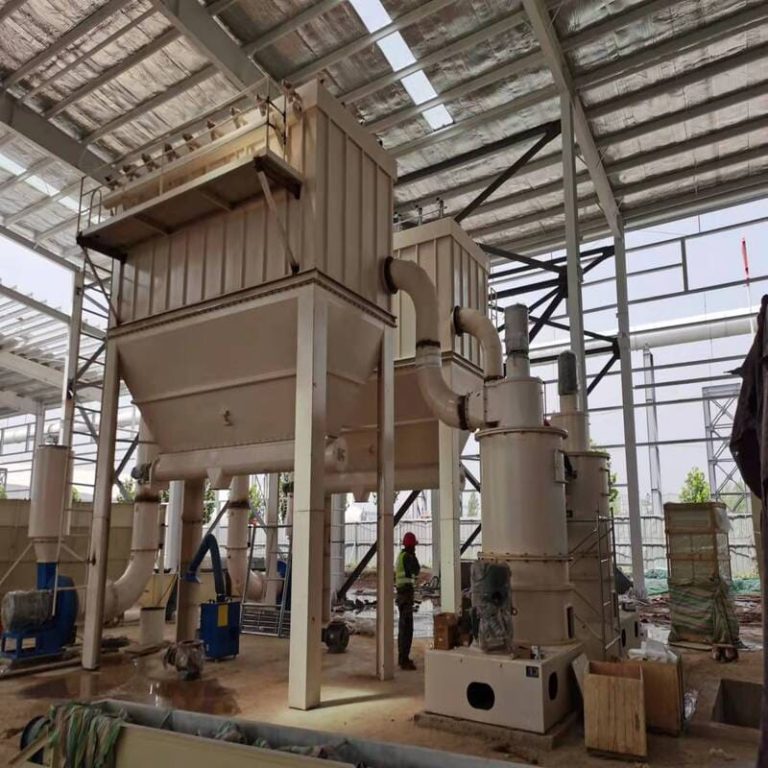
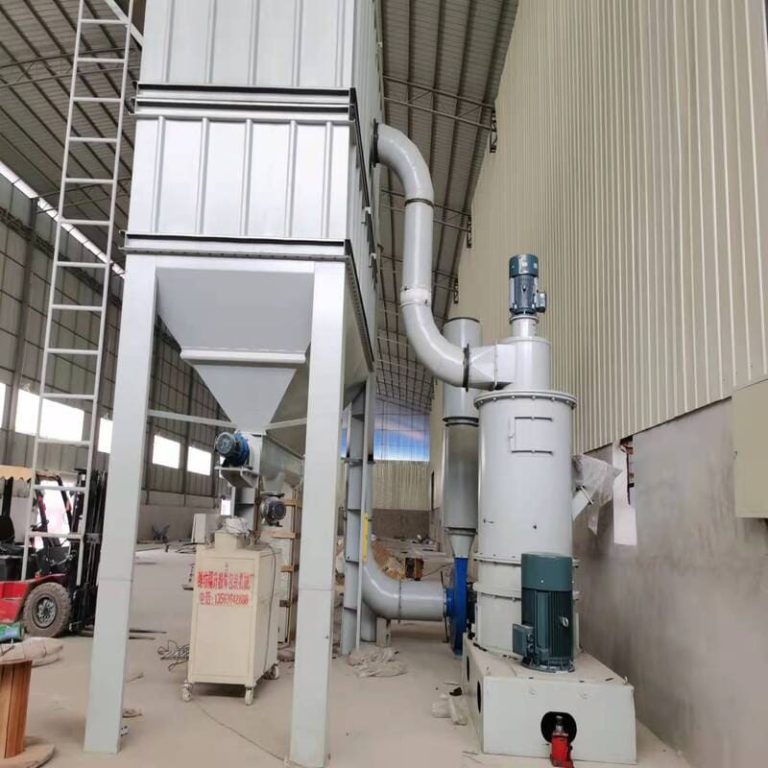
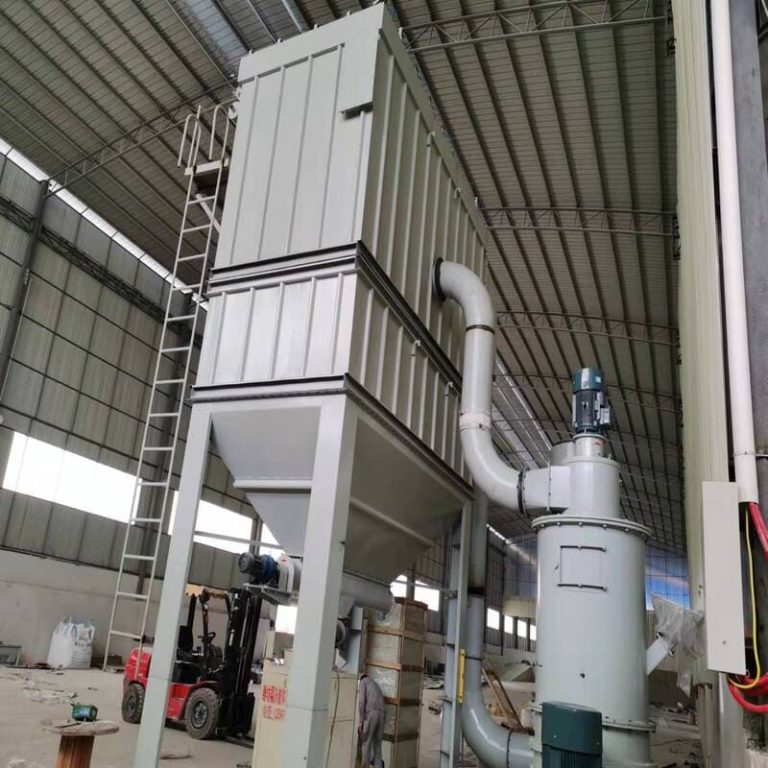
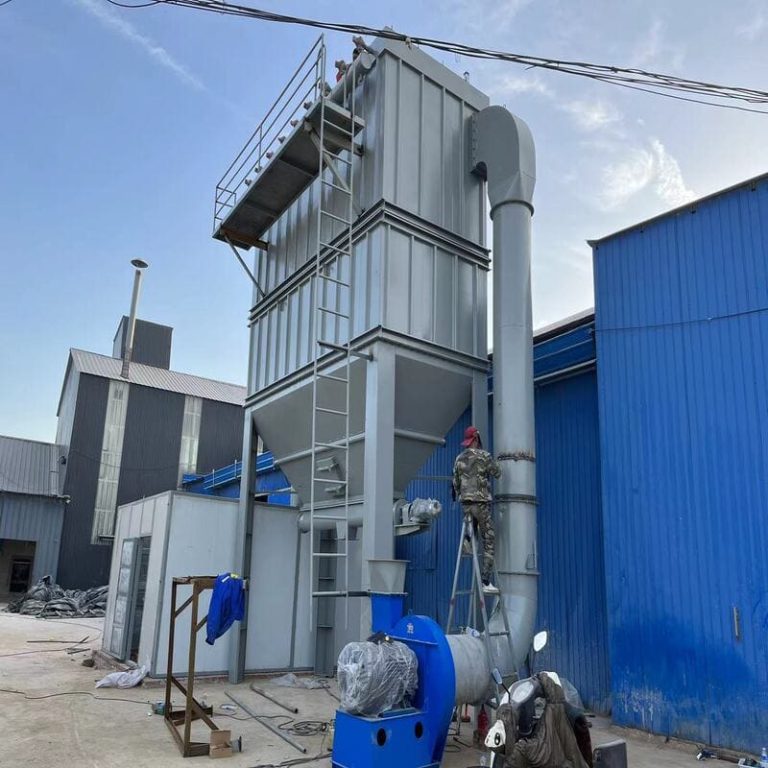
What Materials Can an Impact Mill Grind?
What Materials Can an Impact Mill Grind?
What Materials Can an Impact Mill Grind? One fundamental question often comes up when comparing grinding equipment or building a powder processing line: what materials can an impact mill grind? Impact mills use shear, high-speed collisions, and particle-on-particle friction to turn solid feedstock into a fine powder. Despite their obvious material limitations, they are incredibly adaptable. Low throughput, frequent clogging, quick internal component wear, or defective final products are all consequences of selecting the incorrect raw material.
In order to identify appropriate materials, marginal candidates that require special setup, and materials you should completely avoid feeding into an impact mill, we have collated useful insights from equipment manufacturers, independent powder testing labs, and industry forum discussions.
Core Rule for Impact Mill Suitability
First, a simple baseline: impact mills perform best on dry, brittle materials with low to medium hardness, generally Mohs hardness ≤ 4. Brittle substances fracture cleanly under sudden impact. Soft, elastic, highly sticky or ultra-abrasive materials rarely deliver good results on standard configurations.
Ideal Materials for Standard Impact Mills
These materials work reliably on most pin mills, turbo impact mills and air classifier impact mills, without complex auxiliary modifications.
Non-Metallic Minerals
This is one of the largest application segments.
- Calcium carbonate, talc, barite, limestone, dolomite
- Gypsum, kaolin, light magnesium oxide These minerals crush evenly, produce stable particle size distribution, and do not cause extreme wear on rotors when properly processed. They are widely used for filler powder, coatings and building materials.
Food & Herbal Processing
Food-grade stainless steel impact mills are common in this sector.
- Spices, dried herbs, cocoa cake, grain, sugar crystals
- Dry plant extracts, nut shells, tea powder The short residence time inside the grinding chamber helps retain flavour compared to slower friction-based grinders. Many processors choose pin-style impact mills for these organic raw materials.
Fine Chemicals, Pigments & Pharmaceutical Raw Materials
- Organic pigments, dye powders, cosmetic mineral fillers
- Dry pharmaceutical excipients, herbal medicine powder
- Lithium battery precursors such as lithium carbonate and LFP agglomerates Impact mills deliver consistent fine powder and can be built to GMP standards for low-contamination production.
Construction & Recycled Light Materials
- Concrete powder, dry mortar raw materials
- Crushed glass fragments, lightweight mineral waste
- Dry plastic flakes for secondary recycling (rigid plastics only)
Marginal Materials: Processable Only With Special Modifications
These materials can be ground in an impact mill, but standard setups will struggle. You need customized designs, adjusted operating parameters or auxiliary systems.
Heat-Sensitive Materials
Examples include wax mixtures, low-melting resins, and some food powders that are easily oxidized. Difficulties: Friction heat is produced by high-speed rotation. The material can melt, soften, and adhere to the grinding chamber. Reduced rotor speed, chilled process air, low residence-time classifier design, and integrated water jacket cooling are some of the solutions. It is not advised to use these materials without cooling.
Slightly Fibrous Materials
Examples: dry straw, plant fibre, some wood powder. Challenges: Long fibres tend to wrap around rotors instead of fracturing. Solutions: Pre-shredding before feeding, turbine-style rotor geometry, optimized airflow. Do not feed long unprocessed fibres directly.
Materials With Minor Moisture Content
Slightly damp feedstock can be handled, but high moisture causes caking and blockages. Most impact mills require feed moisture below 3%–5%. If moisture is higher, pre-drying is mandatory.
Materials You Should NOT Grind in an Impact Mill
Feeding these materials will lead to persistent operational trouble and expensive maintenance.
1. Ultra-Hard, Highly Abrasive Materials (Mohs hardness > 4)
Quartz sand, corundum, hard granite, metal ore. Hard abrasives rapidly wear pins, rotors and liners. Replacement wear parts become a continuous high cost. For these materials, ball mills or specialized vertical roller mills are more economical.
2. Highly Sticky, Oily & Waxy Materials
Unmodified wax, high-oil nut paste feedstock, viscous sludge. These materials smear onto chamber walls, build up inside the rotor-stator gap and cause frequent shutdowns for cleaning.
3. Pure Elastic & Rubber-Like Materials
Rubber, soft elastomers, flexible plastic. Instead of shattering, elastic materials deform under impact. They cannot be pulverized efficiently and wrap around rotating components. Cryogenic grinding is the typical alternative.
4. Large, Oversized Chunks
Impact mills require controlled feed size. Big rock blocks or bulky raw material must go through primary crushing first. Direct feeding of large chunks leads to unstable vibration and rotor imbalance.
How Mill Type Changes Material Compatibility
Not all impact mills handle the same feedstock equally well. The rotor configuration largely defines usable materials:
- Pin Mill: Best for brittle, heat-sensitive fine grinding; spices, pharmaceuticals, pigments.
- Hammer / Beater Impact Mill: Handles coarser pre-grinding, minerals, grain and moderate-sized feed.
- Turbo Impact Mill: Better for slightly fibrous materials and materials prone to agglomeration.
- Air Classifier Impact Mill: Versatile all-round choice, ideal when tight particle size control is required for minerals and chemicals.
Practical Operating Tips for Better Material Grinding
- Pre-screen the raw material to get rid of large pieces and hard contaminants like broken metal that could harm the rotors.
- Maintain a steady feed rate. Overloads and varying particle sizes are the results of uneven feeding.
- Set up explosion-proof housings and inert gas protection as needed for handling combustible dust materials.
- When working with new raw materials, test small batches initially to verify wear levels, temperature rise, and fineness.
Frequently Asked Questions
Q: Can an impact mill grind calcium carbonate?
A: Yes, it is a classic application. Air classifier impact mills produce consistent fine calcium carbonate powder widely used in plastics and coatings.
Q: Is an impact mill suitable for spice grinding?
A: Yes. Pin-type impact mills are popular for dried spices. Always select stainless steel contact parts to meet food safety standards.
Q: Can impact mill achieve ultrafine powder for pigments?
A: It can reach typical D97 5–40 μm. For submicron ultra-fine requirements, jet mills usually deliver better results.
Q: What happens if I feed rebar or hard rock into an impact mill?
A: Hard foreign objects create severe vibration, risk rotor damage, and can even crack the grinding housing. Metal detectors or magnetic separators are recommended upstream.
Q: Can impact mill run wet grinding?
A: Standard impact mills are designed for dry grinding. Special wet variants exist, but they are far less common. Most projects requiring wet pulverization select bead mills or wet ball mills.
Final Takeaway
Non-metallic minerals, dried spices, medicinal powders, pigments, and rigid plastic scraps are among the dry, brittle, low-to-medium hardness materials that an impact mill excels at processing. Cooling systems, pre-treatment, and specially designed rotors can be used to process materials that are heat-sensitive, slightly fibrous, or slightly moist. Steer clear of huge uncrushed pieces, extremely oily sticky feedstock, elastic rubber, and extremely hard abrasive ore.
Determine the hardness, moisture content, melting point, and brittleness of your raw material before buying or setting up an impact mill. Optimizing throughput, minimizing wear, and providing consistent powder quality can be achieved by matching m
Roller Mills for Sale
About LKMixer
LKMixer is a professional manufacturer for grinding and mixing production line, grinder, mixer and granulator, shredder. These machines are widely used in food, pharmaceutical, cosmetic, health care products and chemical industries. The Food materials like dates powder, herbal, seeds, potato, bean, tobacco, salt, cannabis, tea, mirchi , neem, Coffee, rice, pepper, grain as so on. Grinders have many types such as Air cooled crusher , grinding machine cassava which is suitable for cassava, Ultrafine Grinding Mill covers 80-200mesh, and also Winnowing Dust Grinder or other grinding machines like SF Hammer. Welcome to contact us for details. Contact us for more information. Proposal, catalog, quotation.
FAQ(Click and See More)
Why Choose Us?
We have 20 years manufacturing experiences; 15600 cubic meters factory area; 5000sets annual capacity; 55 professional engineers;
What’s your main maket?
South America: Brazil, Colombia, Peru, Bolivia, Uruguay, Paraguay ;Romania;
USA with UL Certification
Middle East: Saudi, Arabia, Oman, Turkey
Europe: Russia, Australia, Belarus, Ukraine, Poland
Can you support OEM?
– Yes, OEM or ODM. Machine can be customized according to customer detail requirement, including capacity and voltages, motor certifications.
– Drawing and raw materials also can be customized.
What after-sale services?
– 7*24 customer service online;
– 7*24 engineers online services;
– 12 months warranty services.
WHAT kind of MACHINE YOUR COMPANY HAVE?
CAN YOU GIVE ME GUIDE ON OTHER MACHINE ? TO FULL MY PRODUCTION LINE
YES ! Our f have factory build more than 20 years now, we can design and customize whole line, besides of the grinding machine, mixing machine, we can also fully support to provide the washing machine, cutting machine, drying machine, packing machine, filling machine. Though we are not producing these machine, but our brother companies co-work together for over 20 years, we have rich experience in providing you a full effective production line, fully automatically or semi-automatically.
HOW TO VISIT YOUR COMPANY?
Our Factory located in Jiangsu Province, very near to Shanghai, you can fly to Shanghai Pudong Airport, we pick you up and take you by car 2 hours ride, can reach our factory, welcome your visit.
WHAT’S YOUR BEFORE & AFTER SERVICE ?
1) Before your purchasing, we need to know your detail request, such as what kind of material you want to grind and mixing, what final product powder or granule you want to reach. Because different material and powder sizes request of different machine to do. We can provide professional advice and rich experience help to choose machine. Most of the products we have already did before for other customer, trail test or run mass production, so we knows which machine is best in performance of grinding and mixing. This is of very importance in helping you choose the right model. We also wish this can help our customer a lot. Even the material we didn’t do before, we will prepare the same material and to do the trail test and send video to you for your reference.
2) One Year guarantee of machine quality. If the machine have problem within one year, we will send you the spare parts to you for replacement, but this not including the damage caused by human causes. We also have 24 hours on line guide for customer, if you have operation difficulty, we will guide by video and on line communication with our engineer for your emergency debug.
3) For small machine, we sell with whole machine, it’s no need to install, and easy to operation, no problems for operation. While for large machine, its’s also not difficult to install with video guideline, but if you need, we can assign our technicians to go abroad, the round ticket, food and residents will be paid by customer.
HOW ABOUT YOUR PAYMENT TERM?
Our payment term is T/T. 50% payment in advance, rest of 50% payment finish before the goods shipped. When we finish the machine production we will do trail test and run the machine take videos for your green light. You pay the rest of 50% payment then.
Recommend Reading
You may also interest in other topics:
drill machine , battery ev charger , round bottle labeling machine