What Is the Difference Between a Hammer Mill and an Impact Mill?
What Is the Difference Between a Hammer Mill and an Impact Mill?
What Is the Difference Between a Hammer Mill and an Impact Mill? Hammer mills and impact mills are easily confused by anyone looking at powder processing equipment. Because they both use high-speed impact to reduce material size, many purchasers even treat them as interchangeable. Although their fundamental crushing logic is similar, they differ greatly in terms of internal architecture, particle management, output fineness, and suitable applications.
To prevent expensive equipment mismatches, it is essential to comprehend these distinctions. While most impact mills are designed to create finer, more uniform powder, hammer mills are excellent at coarse to medium grinding. The key differences, functioning principles, material appropriateness, advantages and disadvantages, and practical advice derived from industry technical papers and highly regarded Google equipment guidelines are explained here.
First: Clear Up the Terminology Confusion
A common cause of uncertainty needs to be resolved up front. Although not all impact mills are hammer mills, all hammer mills are theoretically a subset of impact grinding equipment. Pin mills, turbo mills, air classifier impact mills, and beater-style grinders are all included in the larger family that is referred to as “impact mills.” A hammer mill is a particular design that has screen discharge and swinging hammer beaters.
Direct side-by-side comparison is challenging since many manufacturers and marketplace listings informally refer to hammer mills as impact mills for search prominence. When assessing equipment, pay more attention to internal structure and separation method than generic marketing titles.
Core Working Principle Differences
Hammer Mill
Raw material enters the grinding chamber and is struck by freely swinging hammers mounted on a high-speed rotor. Particles are thrown against liner plates and repeatedly fractured. Size control depends entirely on a perforated screen fitted around the grinding zone. Material stays inside the chamber until fragments are small enough to pass through screen holes. Oversized particles remain circulating for more impact. No built-in airflow classification system. Once powder passes the screen, it exits the machine.
Impact Mill (Typically Air Classifier / Pin / Turbo Type)
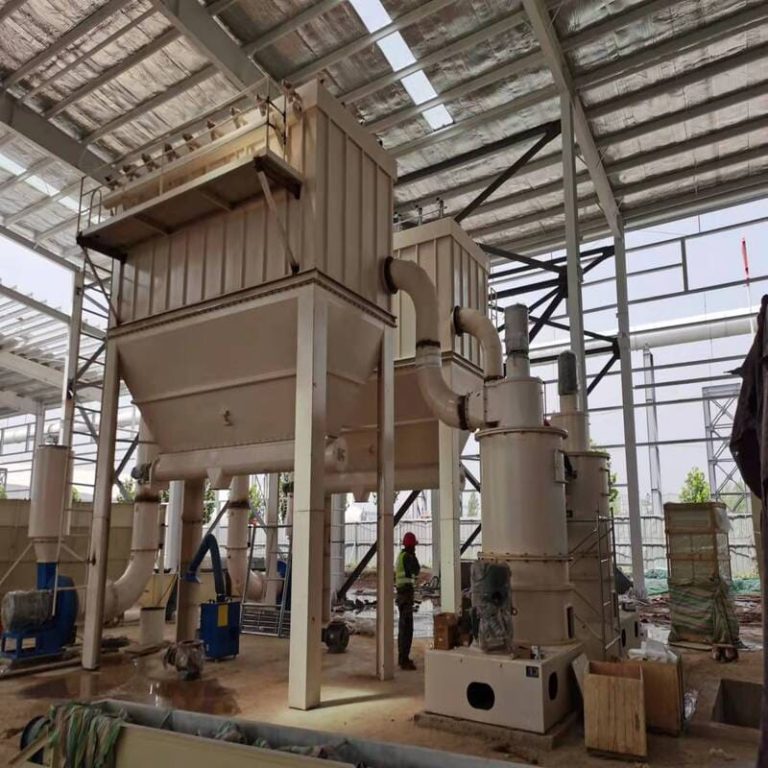
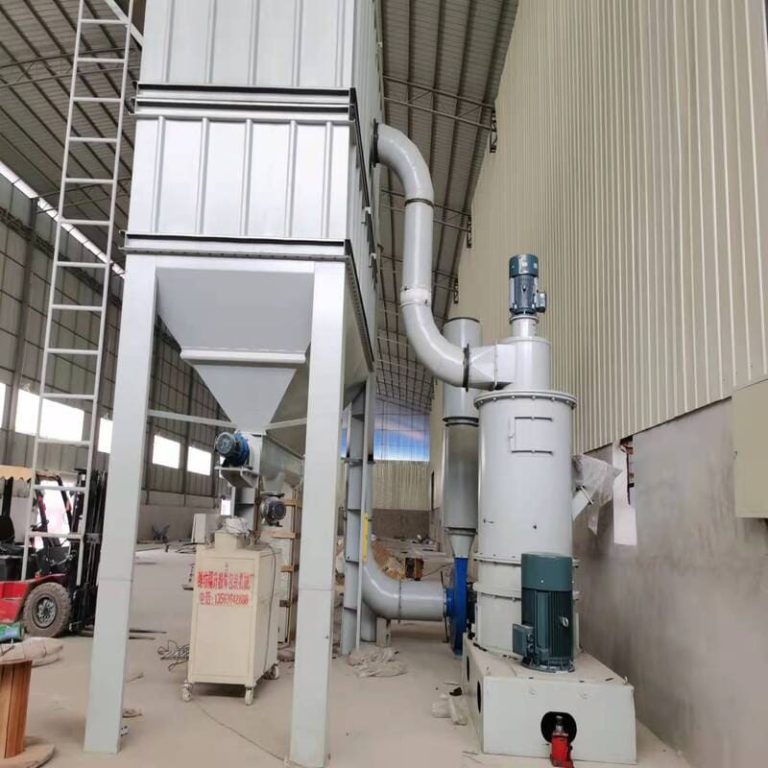
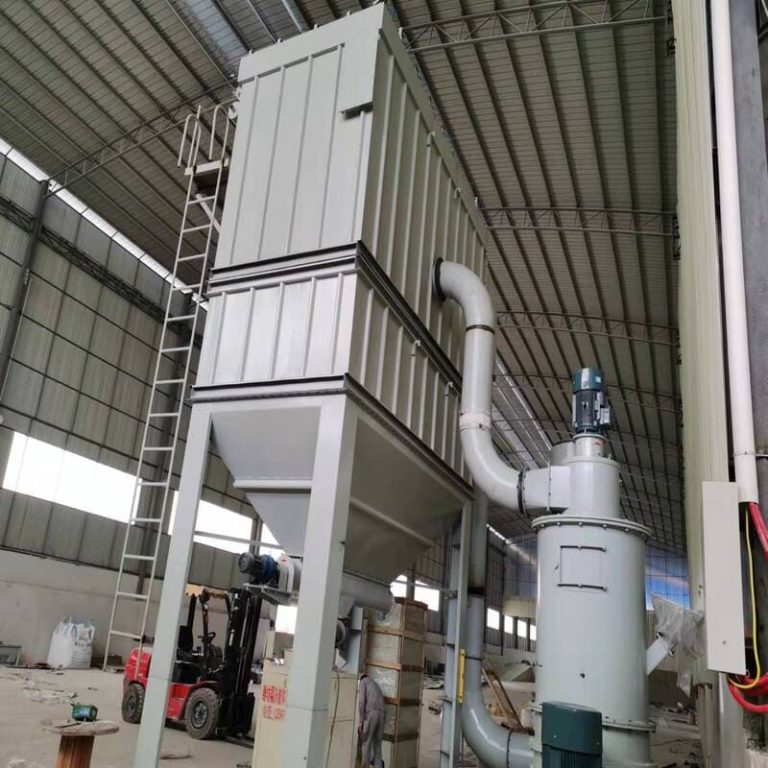
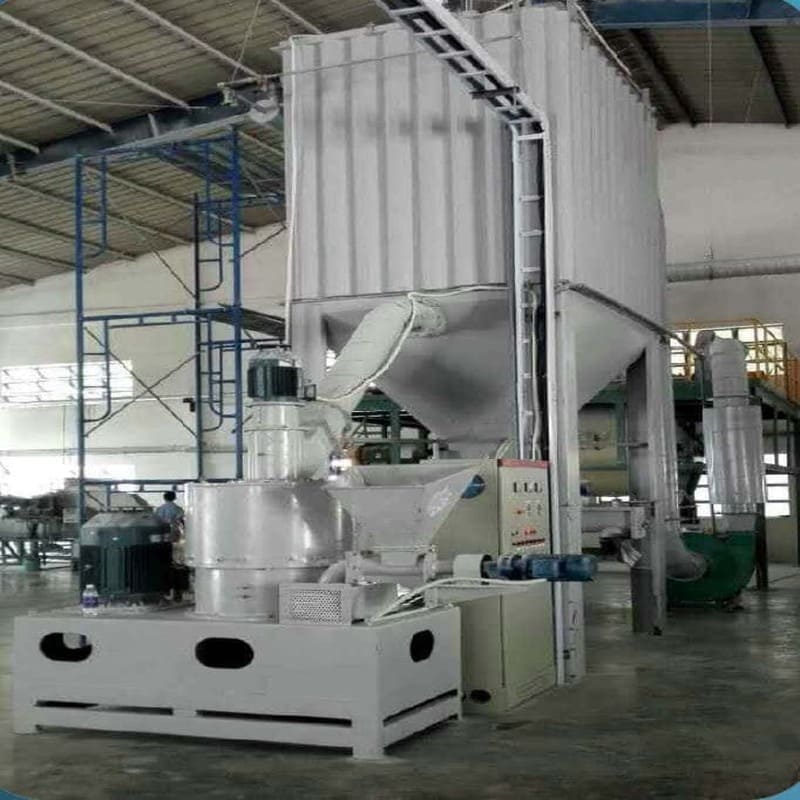
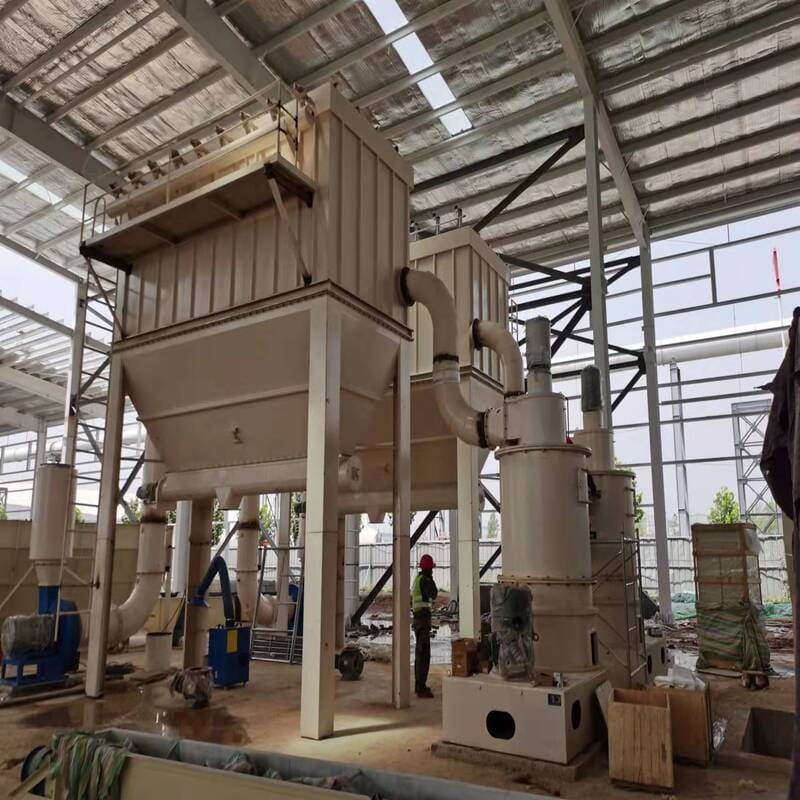
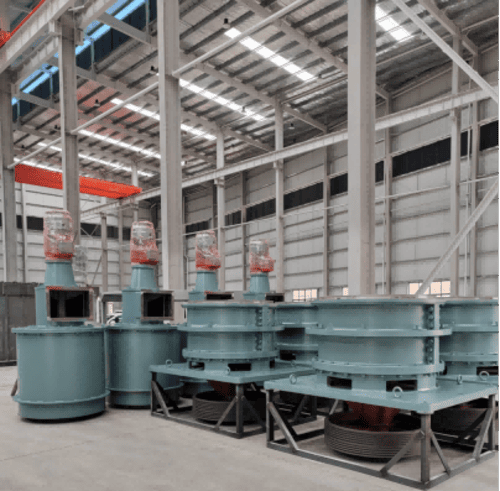
Impact mills employ stationary stator rings in conjunction with fixed or semi-fixed rotor components, such as impact blocks, turbine blades, and pins. Within the rotor-stator gap, material experiences impact, shear, and particle-on-particle collisions. An internal air classifier is integrated into the majority of contemporary impact mills. While coarse particles are separated and returned to the impact zone for further grinding, airflow removes fine-qualified powder from the grinding zone. Classifier speed and rotor RPM, not screens, are used to modify size.
Key Performance Comparison
Achievable Fineness & Particle Distribution
Hammer Mill
- Typical finished particle size: 100 μm and coarser; best suited for medium-coarse grinding.
- Particle size distribution is relatively wide. It generates a mix of coarse fragments and excess ultrafine fines.
- Fineness limits are locked by screen aperture size. Changing fineness requires swapping screens.
Impact Mill
- Typical finished D97 range: 5 μm up to roughly 100 μm. Many models reliably produce fine powder unattainable on standard hammer mills.
- Narrow, controllable particle distribution thanks to dynamic air classification.
- Adjust particle size on the fly by tuning classifier speed, no screen replacement required.
Feed Size & Throughput
Hammer Mill Accepts larger feed material, often up to 15–25 mm. Great for primary crushing and pre-grinding. High volume throughput for coarse output.
Impact Mill Requires smaller feed size, generally below 5 mm. Raw material often needs pre-crushing ahead of the impact mill. Higher efficiency for fine powder, but lower maximum throughput for coarse bulk material.
Heat Generation
Hammer Mill Long residence time inside the grinding chamber creates significant heat. Poor choice for heat-sensitive materials without extra cooling.
Impact Mill Air-swept design continuously removes finished powder. Shorter residence time lowers heat buildup. Water-jacketed cooling options are widely available for spices, herbal products and temperature-sensitive chemicals.
Wear Parts & Maintenance
Hammer Mill Simple construction. Swinging hammers are easy to replace. Screens are low-cost consumables. Overall maintenance is straightforward. Hammers wear unevenly when processing abrasive minerals.
Impact Mill Precision rotor and stator assemblies. Wear components such as pins, impact rings and liners often carry higher replacement costs. Alignment and rotor balancing require more careful servicing.
Suitable Materials for Each Machine
Hammer Mill Best Applications
- Grain, feed, biomass, wood chips, agricultural waste
- Medium-hard minerals for coarse aggregate
- Dried bulk herbs requiring rough pre-grinding
- Rigid plastic scraps for coarse recycling Materials that are slightly fibrous work reasonably well, as swinging hammers deliver cutting action.
Impact Mill Best Applications
- Fine mineral powder: calcium carbonate, talc, barite
- Spices, food powders, pharmaceutical excipients
- Pigments, dyes, cosmetic raw materials
- Dry crystalline chemicals Works best for dry, brittle, low-to-medium hardness materials. Preferred when consistent fine powder quality is required.
Materials to Avoid
- Both machines struggle with highly sticky, oily feedstock prone to caking.
- Ultra-hard abrasive ores cause rapid wear for both units.
- Elastic rubber and soft polymers cannot be efficiently pulverized in either mill.
Quick Selection Guide
Choose a Hammer Mill if:
- You need primary coarse crushing or pre-grinding
- Feed material is large, fibrous biomass or grain
- Particle uniformity is not critical, and you prioritize high throughput
- Budget and simple low-cost maintenance are top priorities
Choose an Impact Mill if:
- You need fine, tightly controlled powder particle size
- Production requires narrow particle distribution
- Processing spices, pharmaceuticals, fillers and pigments
- You want flexible fineness adjustment without swapping screens
- Heat-sensitive materials require airflow cooling
Common Misconceptions
Q: If a listing calls a machine an impact mill, is it finer than a hammer mill?
A: Not always. Some sellers market basic beater hammer mills under the “impact mill” name. Always verify whether the unit uses screen discharge or an internal air classifier.
Q: Can a hammer mill produce fine powder like an impact mill?
A: You can achieve moderately fine output by fitting small screens, but you will face low throughput, excessive heat, broad particle spread and frequent screen blockages. It is not an efficient long-term solution for fine powder production.
Q: Is a pin mill the same as a hammer mill?
A: No. Pin mills belong to the impact mill family. They use interlocking rows of pins instead of swinging hammers, built exclusively for fine grinding.
Q: Which mill consumes less power?
A: Hammer mills tend to have lower energy consumption for coarse grinding. Impact mills become more energy-efficient when consistent fine powder is your target, as they reduce over-grinding.
Frequently Asked Questions
Q: Can I use a hammer mill for calcium carbonate fine powder?
A: It can produce coarse calcium carbonate. For ultra-fine filler powder used in plastics and coatings, an air classifier impact mill delivers better particle consistency.
Q: Do impact mills need a dust collector?
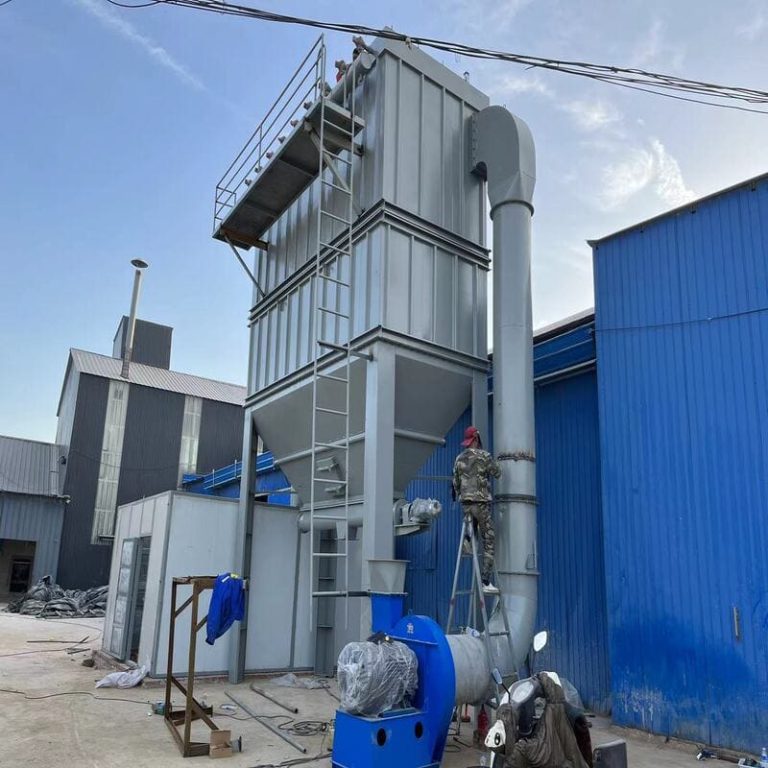
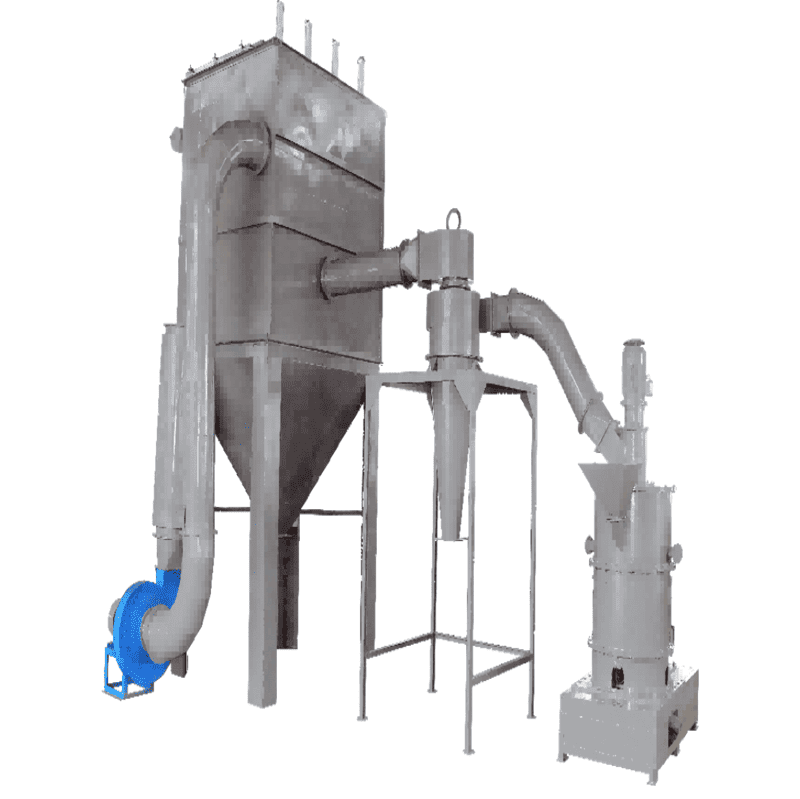
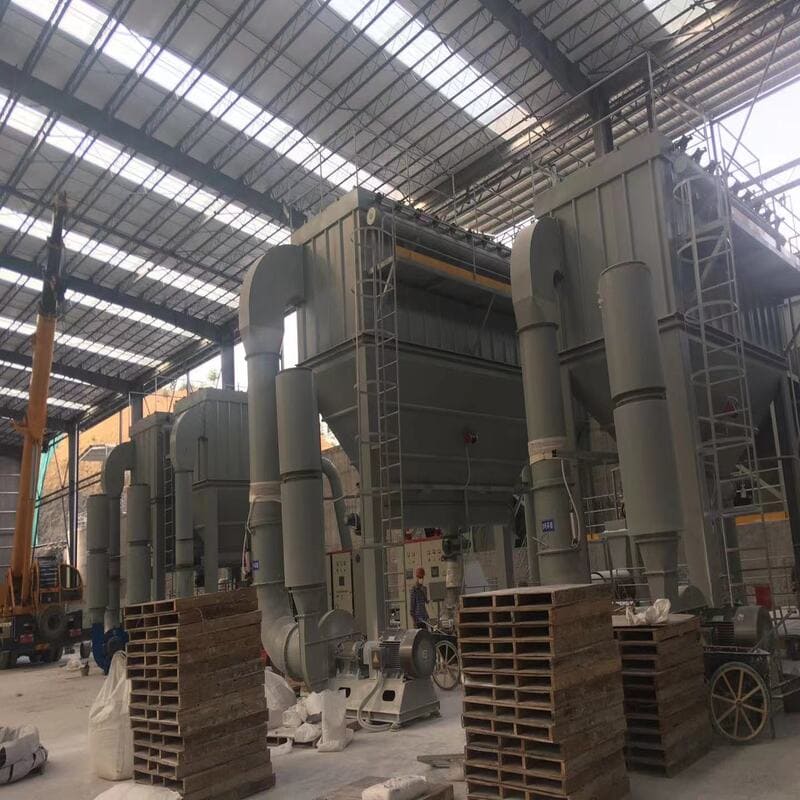
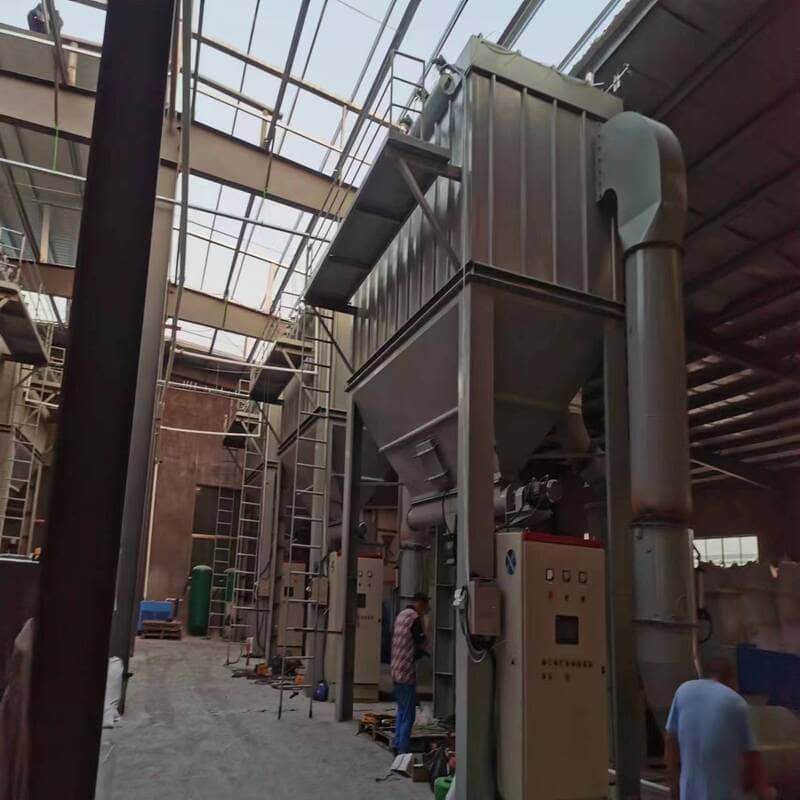
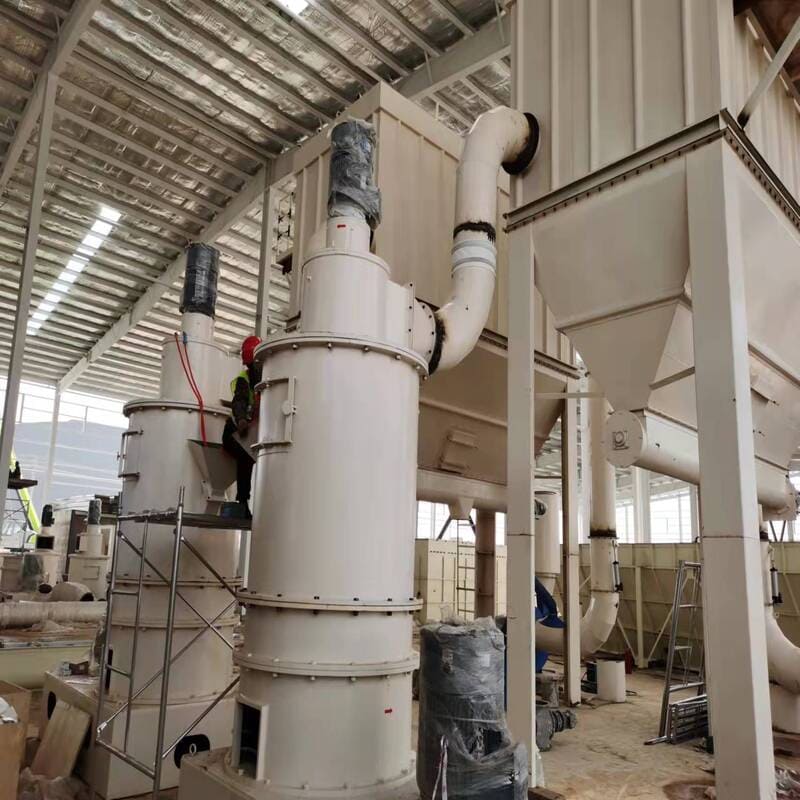
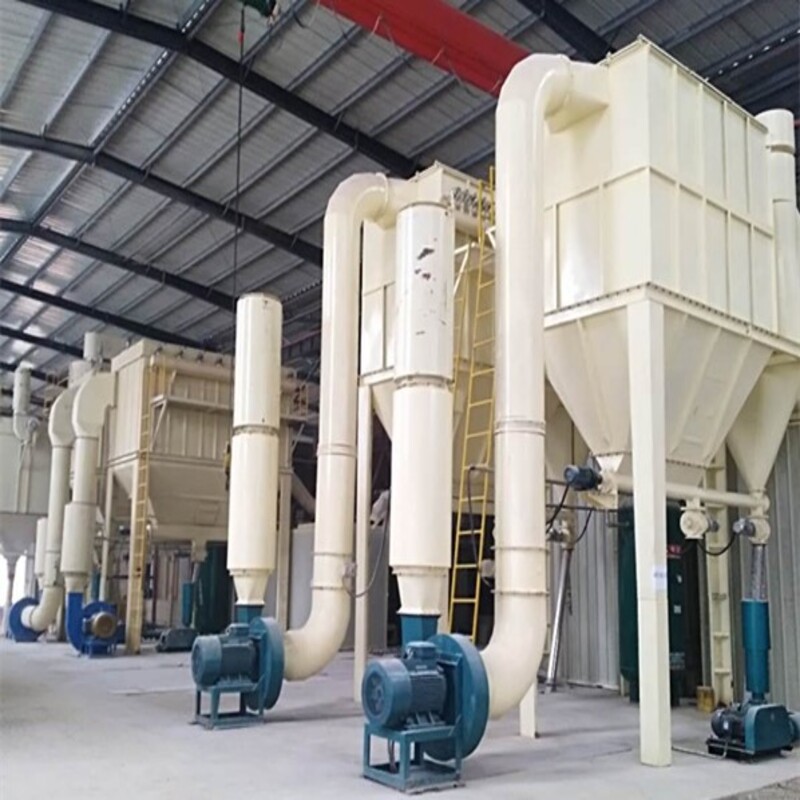
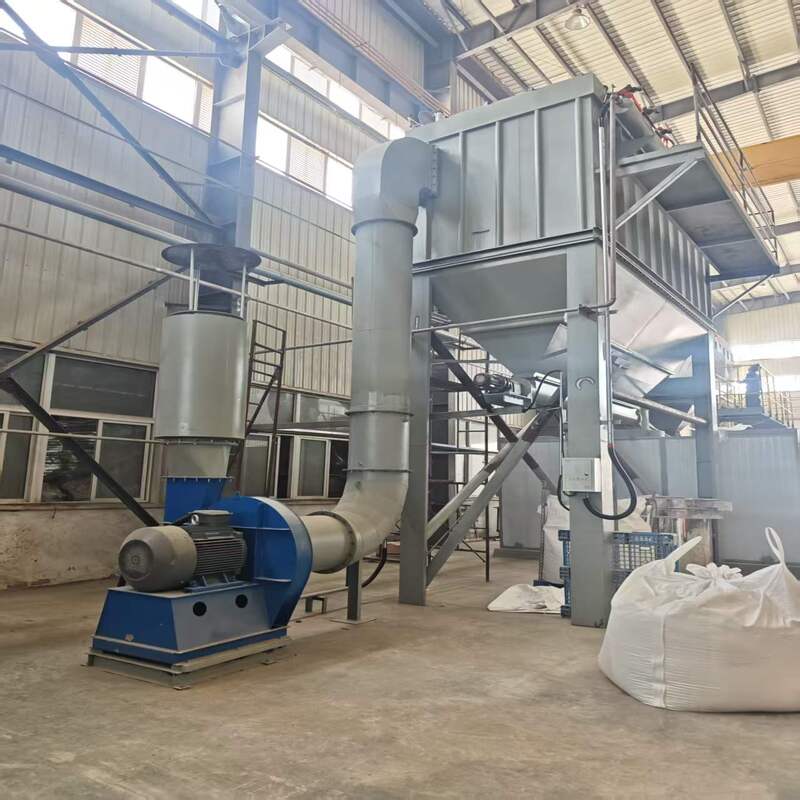
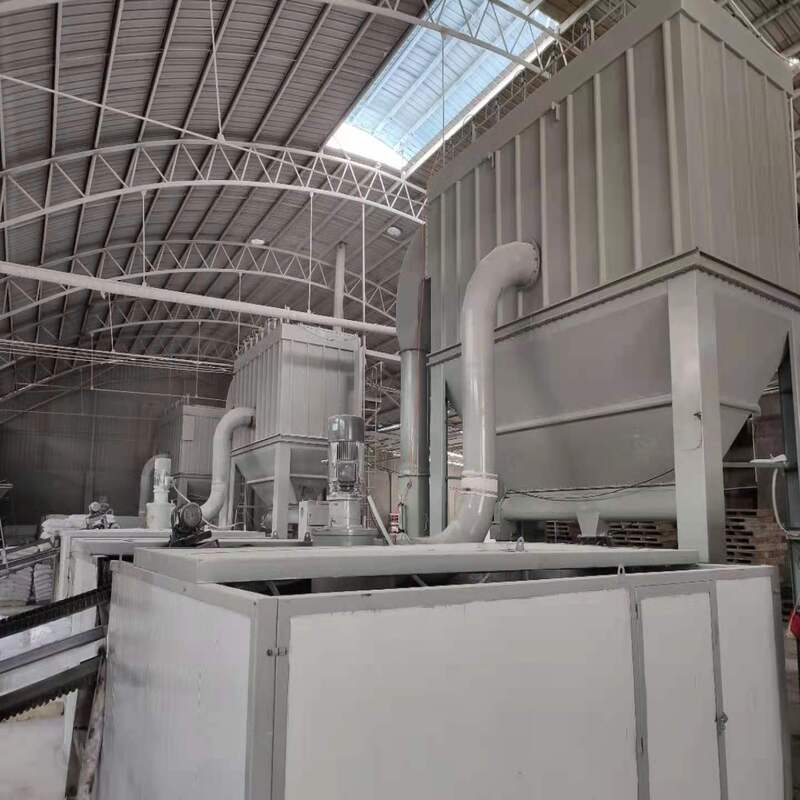
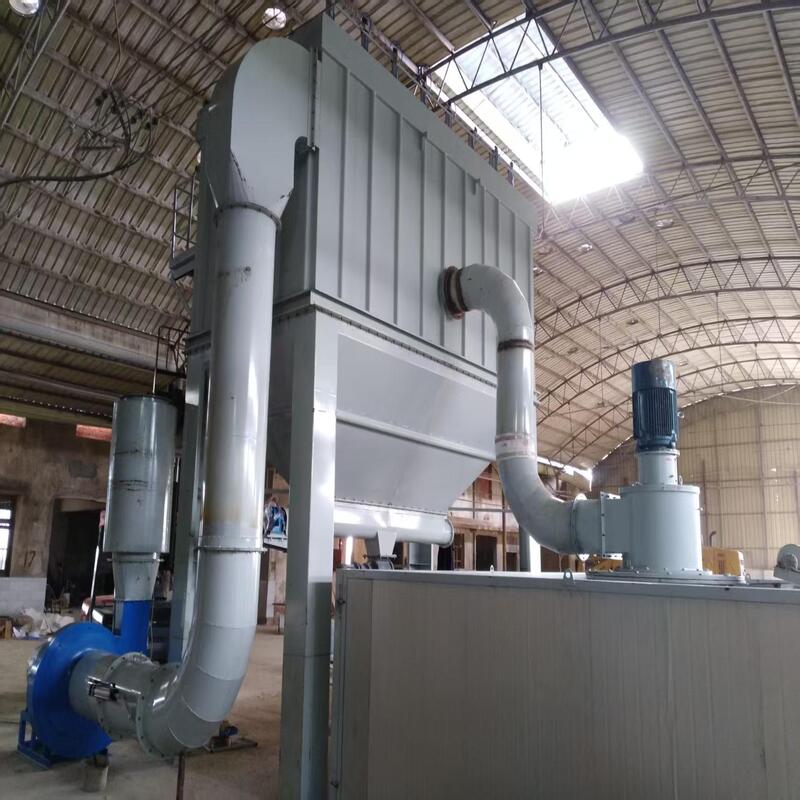
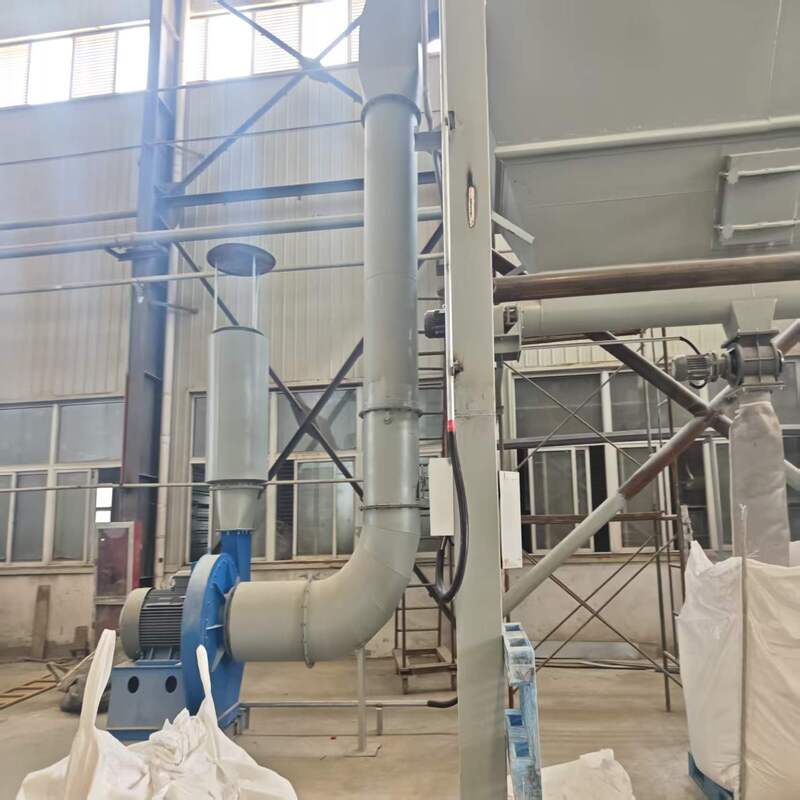
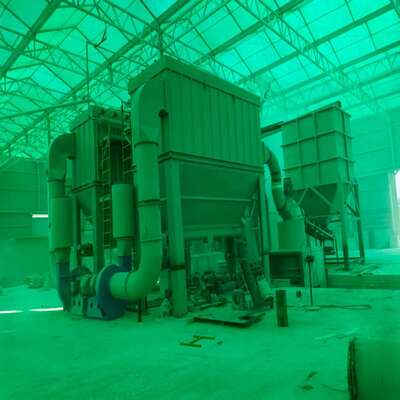
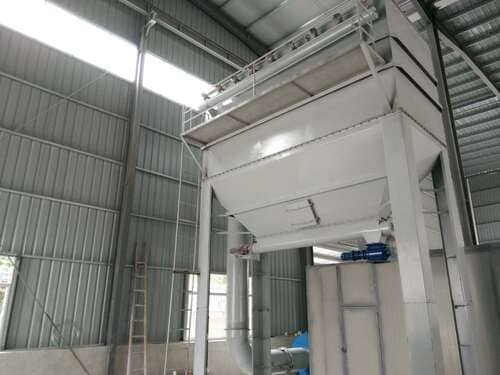
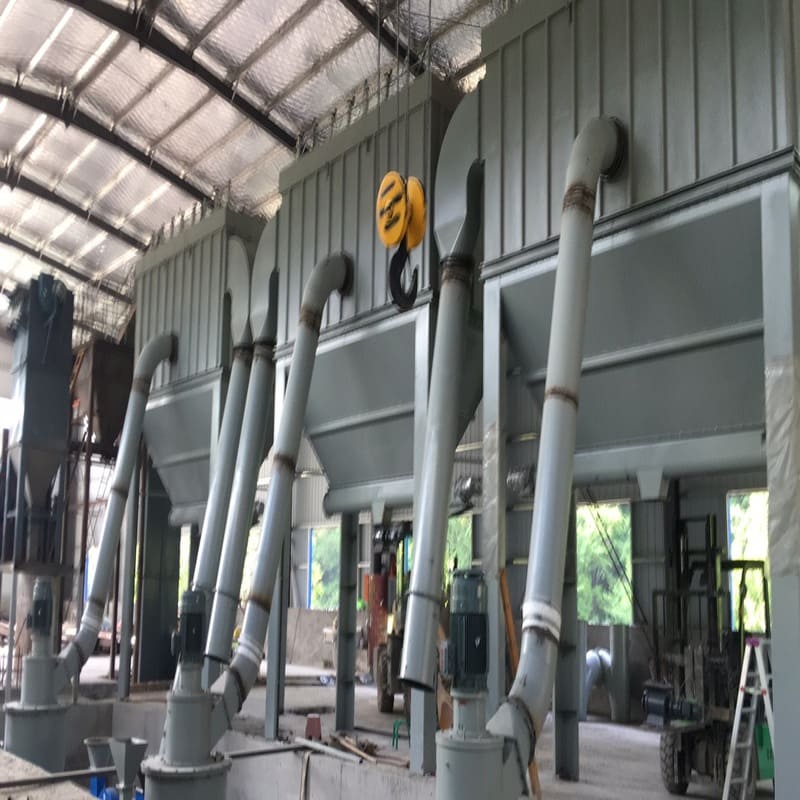
A: Yes. Most impact mills operate under negative pressure airflow, so a cyclone and dust collector form an essential part of the complete system. Hammer mills also require dust control for dry grinding.
Q: Can impact mills run wet grinding?
A: Standard impact mills are designed for dry processing. Hammer mills also rarely support wet grinding. Wet pulverization projects typically use bead mills or wet ball mills.
Final Verdict
Although they are designed for distinct processing stages, impact mills and hammer mills both use impact force to reduce size. For high feed sizes, biomass, agricultural raw materials, and coarse and medium pre-grinding, hammer mills are the best option. They provide low maintenance costs, great throughput, and easy operation.
Impact mills are made to produce fine powder. They provide a tight, changeable particle size distribution for mineral, food, pharmaceutical, and chemical processing when equipped with air classification.
Consider your goal particle size and feed material properties first when selecting equipment. Don’t depend just on product names. To prevent your production line from being mismatched, find out if the grinder employs built-in air classification (impact mill) or screen discharge (hammer mill).
Impact Mill Blog
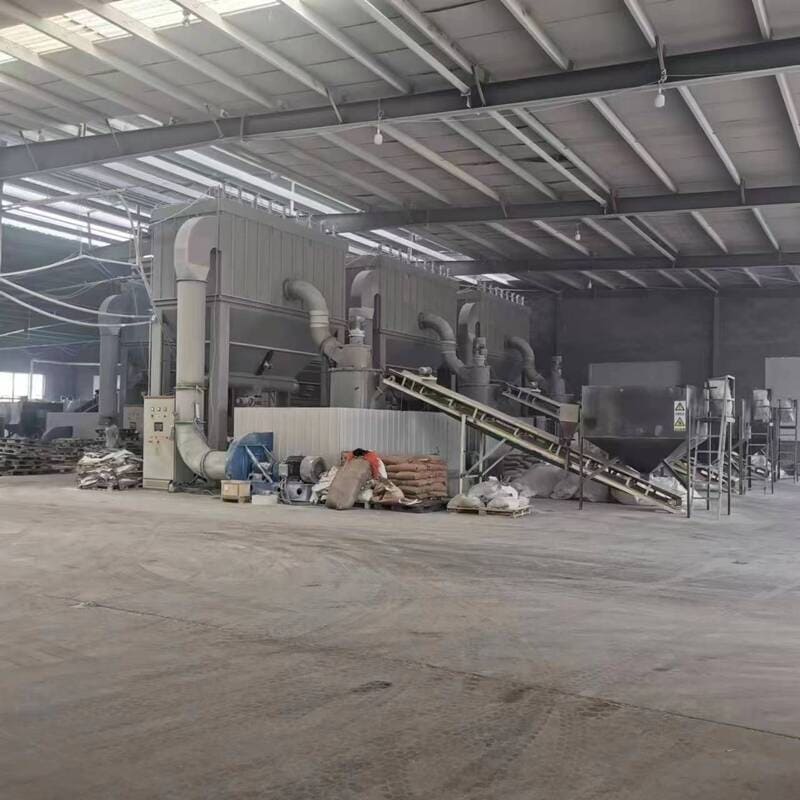
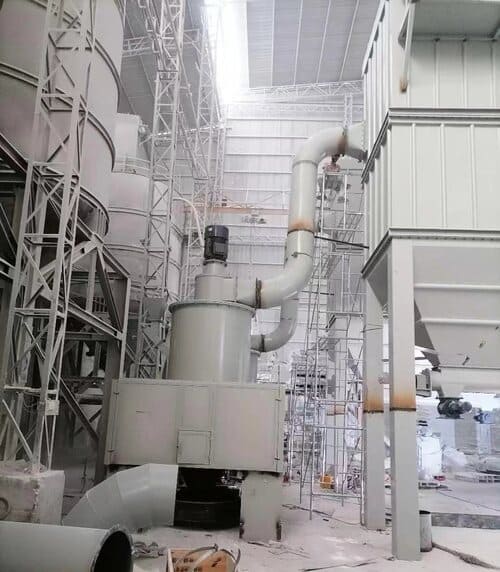
Roller Mills for Sale
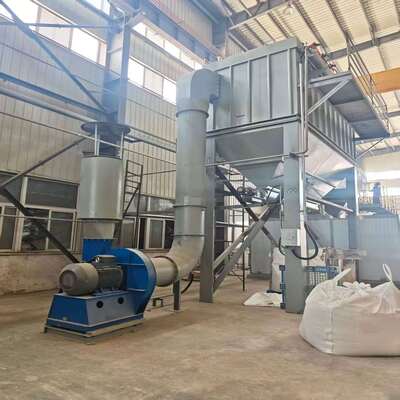
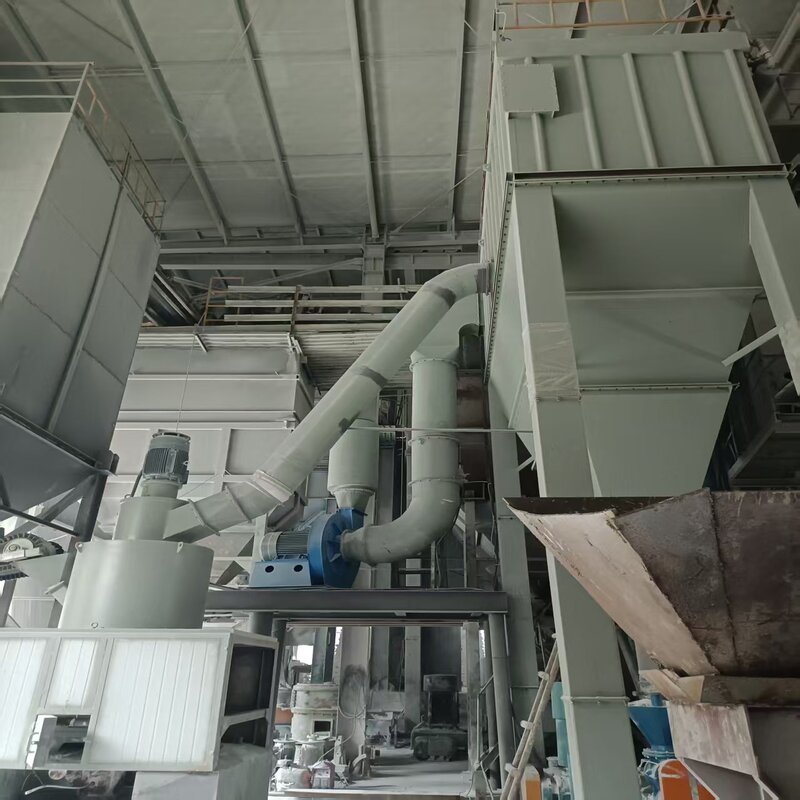
About LKMixer
LKMixer is a professional manufacturer for grinding and mixing production line, grinder, mixer and granulator, shredder. These machines are widely used in food, pharmaceutical, cosmetic, health care products and chemical industries. The materials like detergent powder , talcum , rubber. The Food materials like Sriracha Sauce, secret sauce, seeds, masala powder, tobacco, salt, cannabis, tea, Pouch sauce, corn, Coffee, rice, pepper, grain as so on. Grinders have many types such as Air cooled crusher , grinding machine cassava which is suitable for cassava, Ultrafine Grinding Mill covers 80-200mesh, and also Winnowing Dust Grinder or other grinding machines like SF Hammer. Welcome to contact us for details. Contact us for more information. Proposal, catalog, quotation.
Recommend Reading
You may also interest in other topics:
hammer drill , Battery EV Charger EV home charger- , bopp labeling machine