How Much Does a Roller Mill Cost?
How Much Does a Roller Mill Cost?
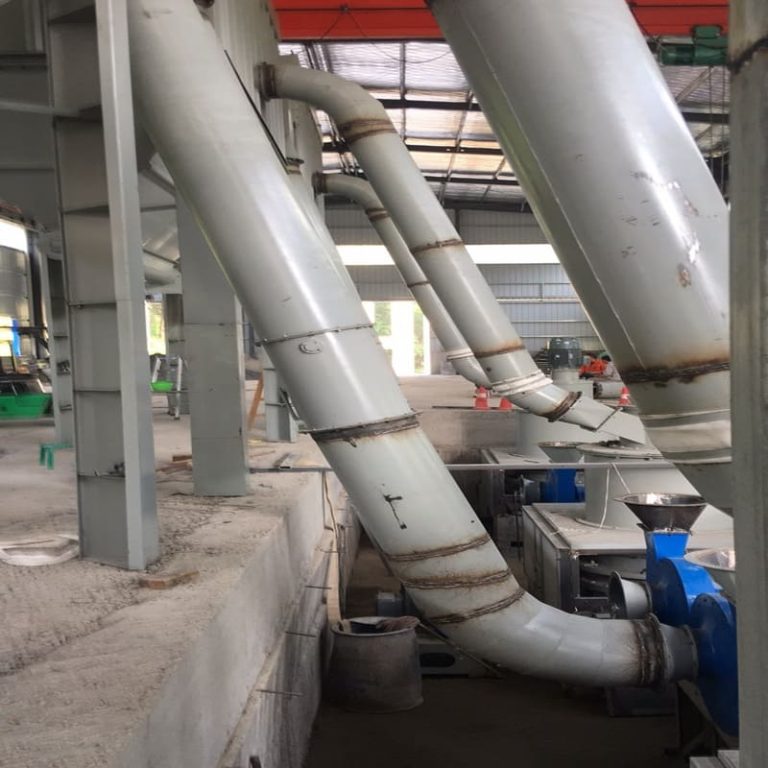
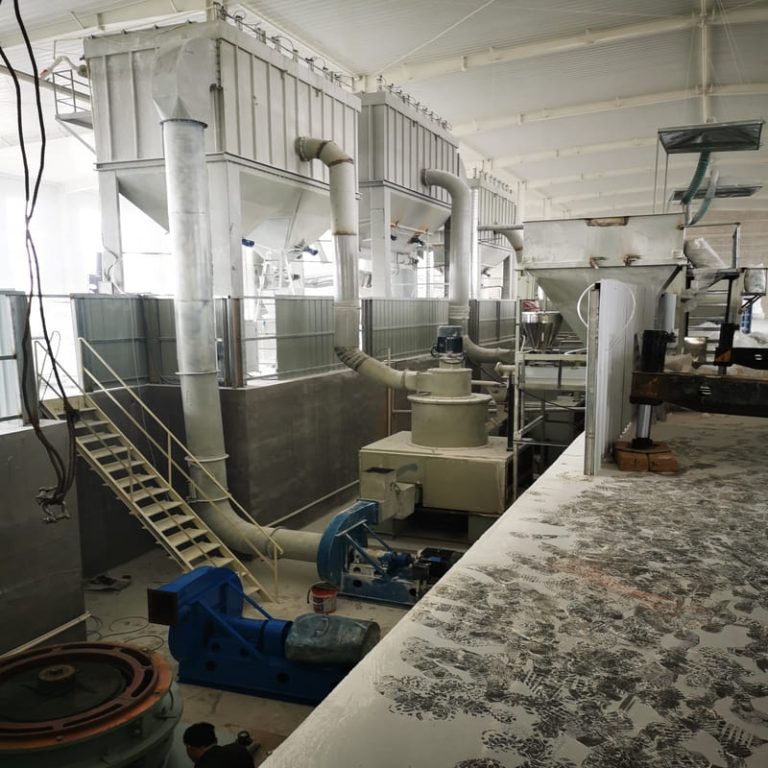
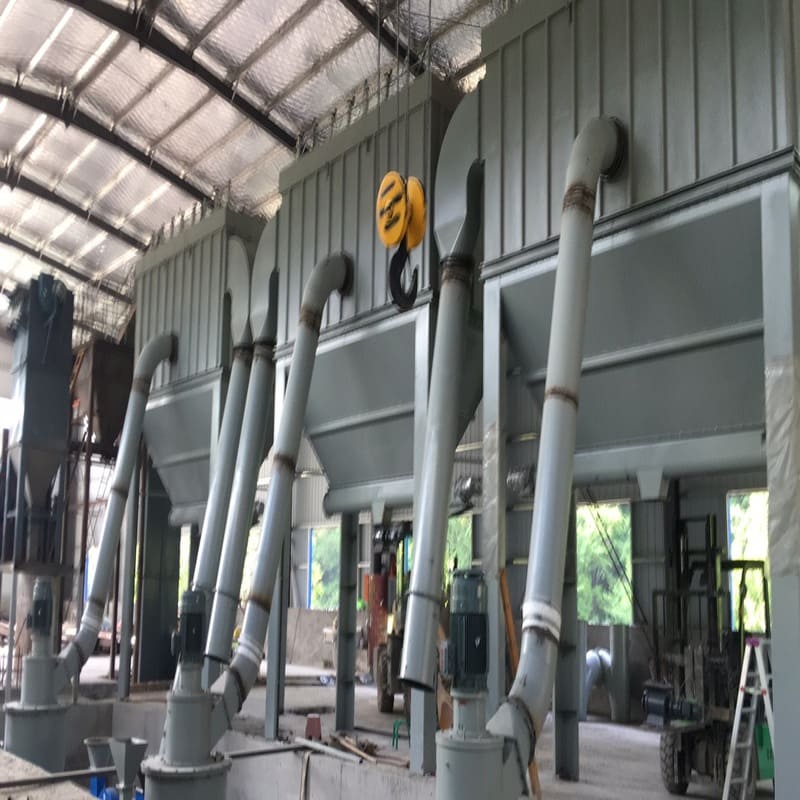
How Much Does a Roller Mill Cost? When modernizing production lines, plant managers, grain processors, and mineral mill operators frequently have to answer the question, “How much does a roller mill cost?” Roller mills include big industrial vertical roller mills, medium feed grinders, small grain processing devices, and lab-scale test equipment. Prices vary greatly, and many consumers merely compare sticker prices without taking capacity, build quality, auxiliary systems, and long-term maintenance costs into consideration.
The intended use, hourly throughput, roll configuration, material needs, and brand tier all affect the final cost. We have categorized actual pricing ranges from independent industry reviews, equipment distributors, and marketplace vendors, breaking down each category, important cost drivers, and hidden ownership costs that most buyers miss.
New Roller Mill Price Tiers
Laboratory & Small Batch Roller Mills: $1,300 – $7,000
This bracket covers compact lab roller mills, three roll mills for coatings, pigments and small test grinding. What you get: Low-capacity units designed for formulation testing, small sample batches. Many include adjustable roll gaps, stainless steel contact surfaces for lab and cosmetic applications. Best suited for: Research labs, pigment development, small cosmetic and pharmaceutical trial production. Limitations: Not built for continuous mass production. Spare roll reconditioning may have long lead times.
Small-Scale Grain & Feed Roller Mills: $2,500 – $12,000
The entry tier for commercial grain processing, used for wheat, corn, barley and animal feed. Most are double-pair horizontal roller mills with basic manual gap adjustment. What you get: Stable low-to-medium throughput, simple operation, standard carbon steel rolls. Basic dust control options available as add-ons. Best suited for: Small flour mills, farm feed operations, micro-breweries requiring consistent grain crushing. Note: Units at the lower end of this range often exclude supporting feeders and dust collectors.
Medium-Duty Commercial Roller Mills: $12,000 – $50,000
This is the most popular investment range for established feed mills, medium flour processing plants and light mineral grinding. What you get: Higher continuous throughput, automatic roll gap control, constant-speed drive systems, improved heat dissipation, and stronger roll housings. Many models support long unattended operation. Best suited for: Regular grain milling, pelleted feed pre-grinding, non-abrasive mineral processing. Offers balanced efficiency and reliability for multi-shift production.
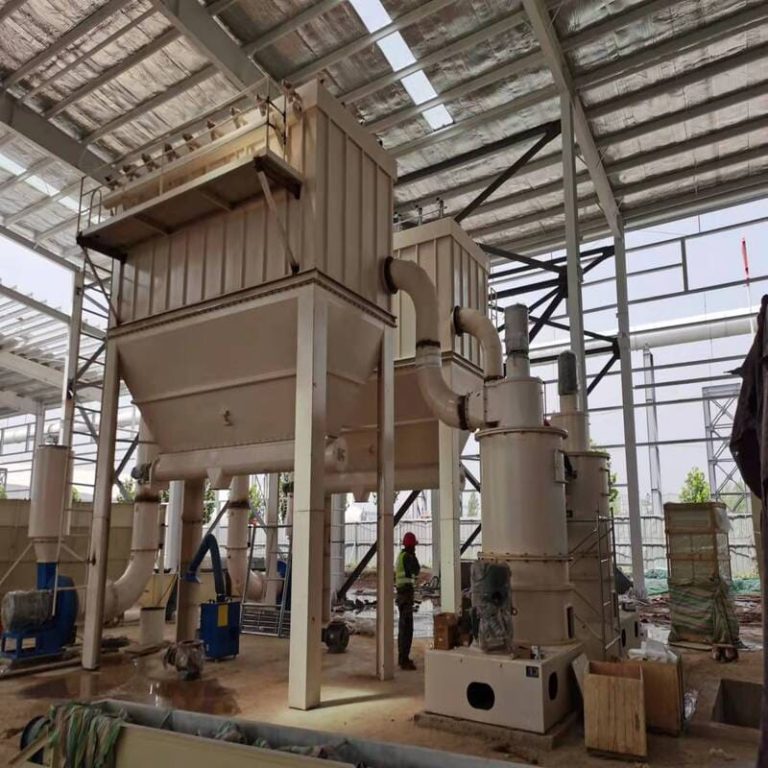
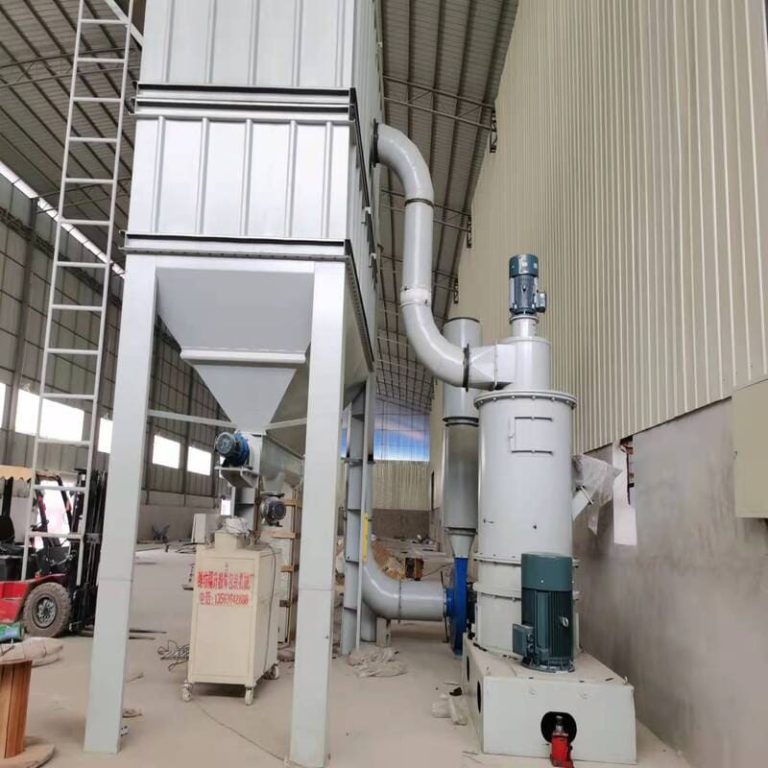
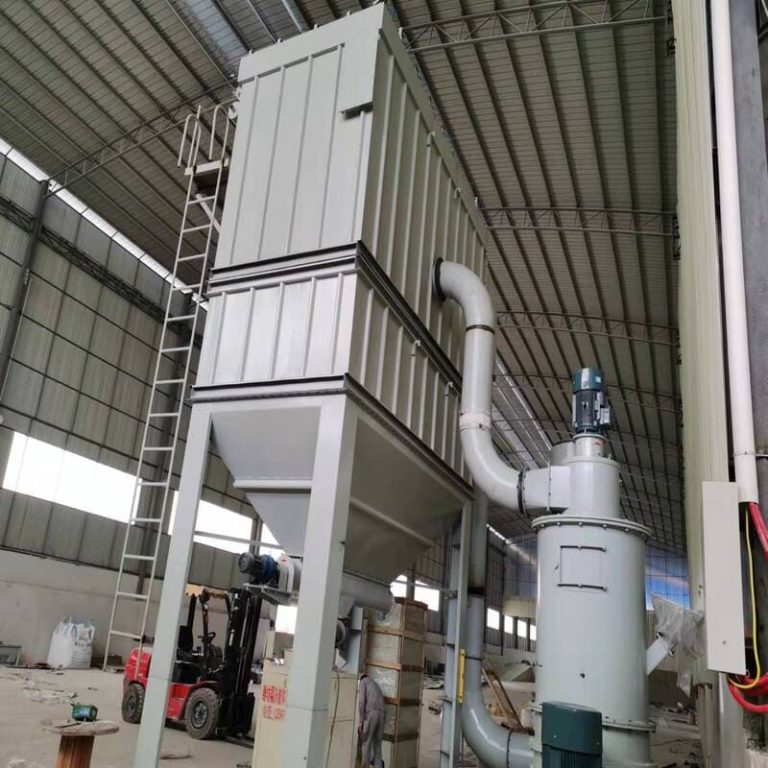
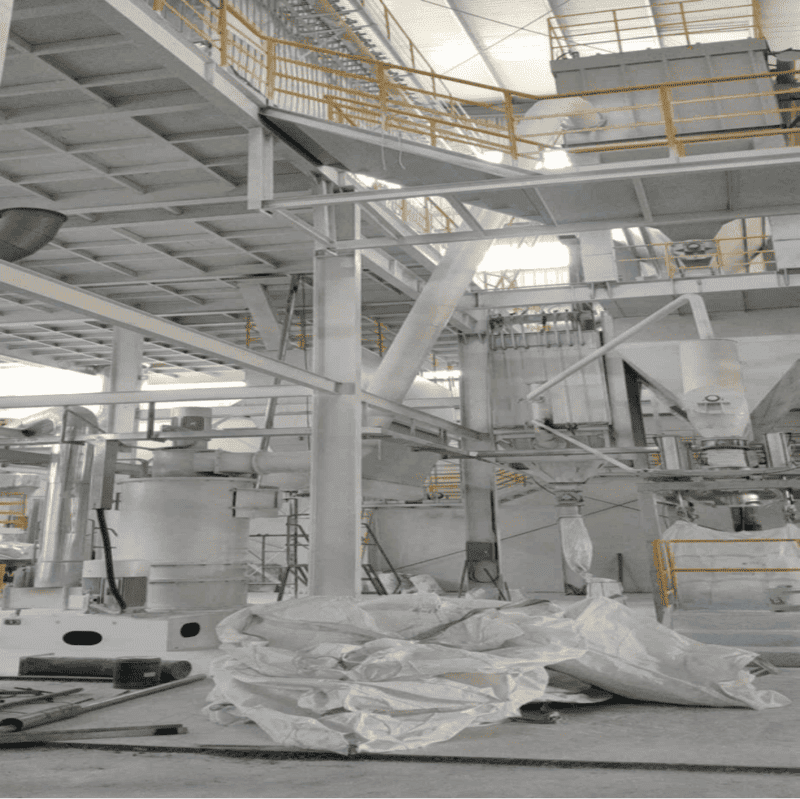
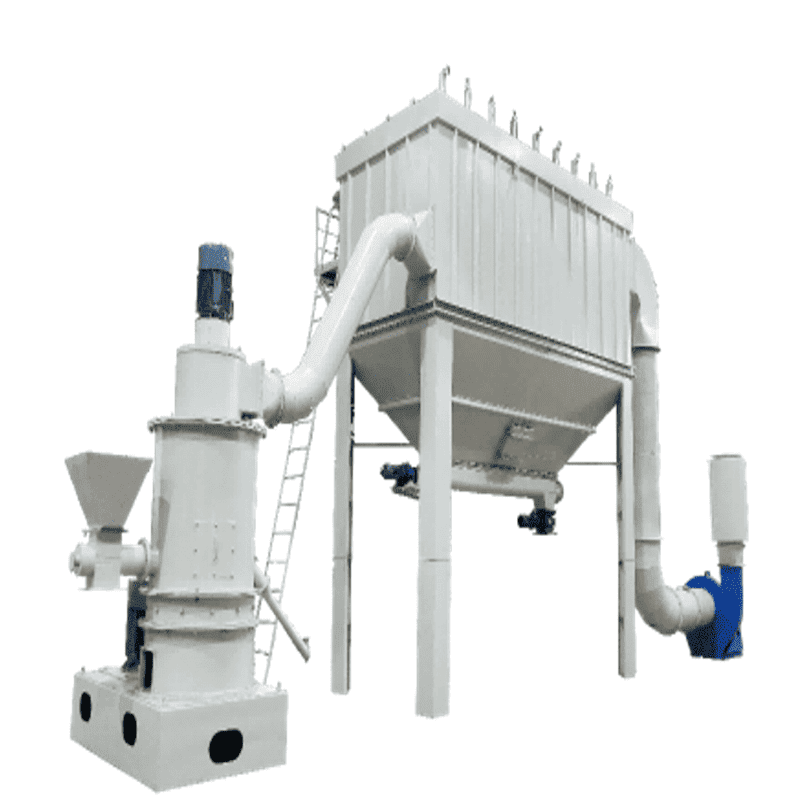
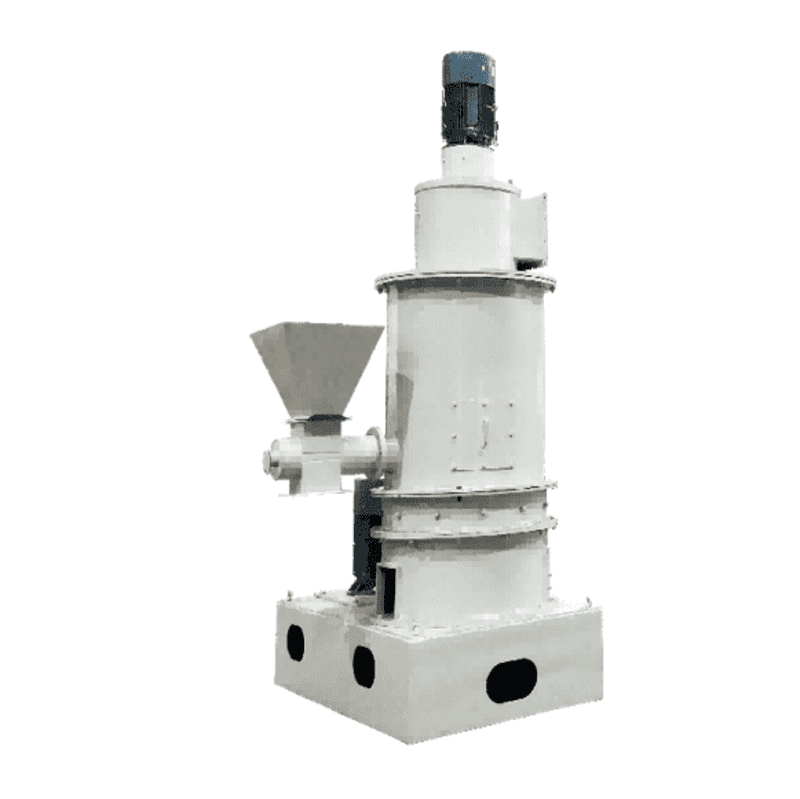
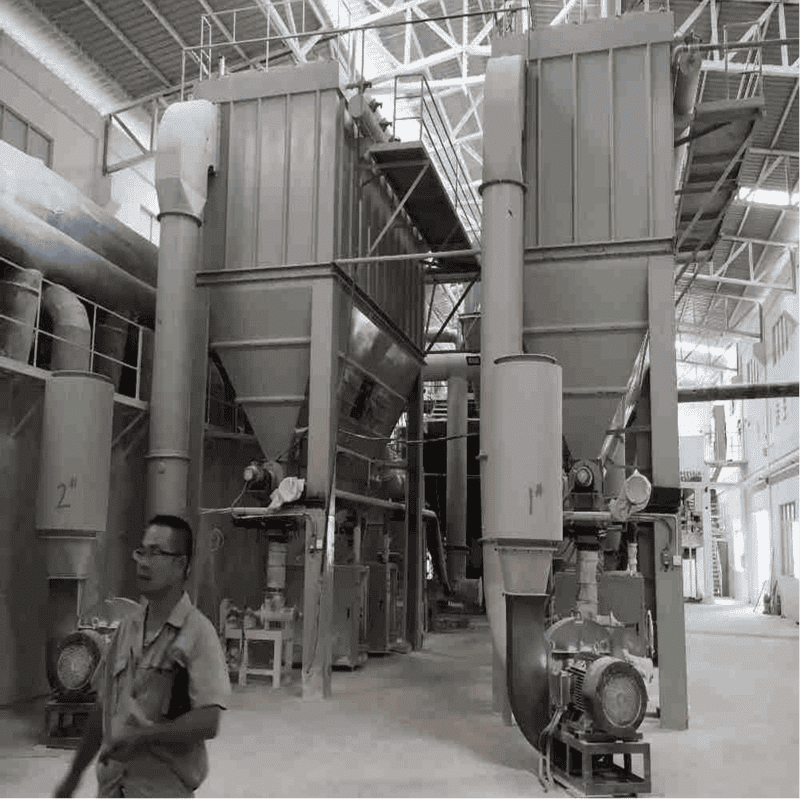
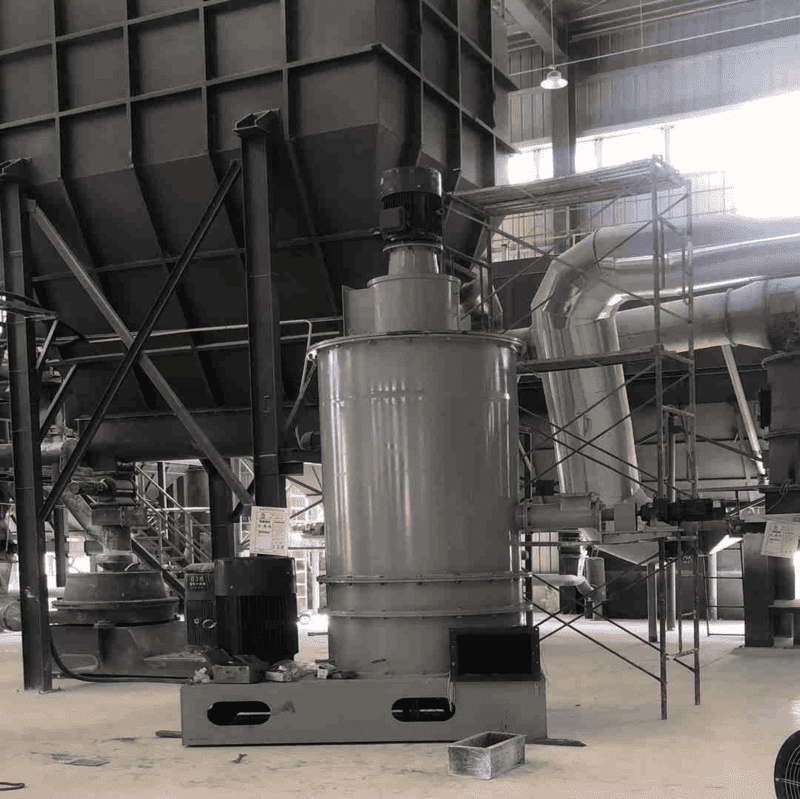
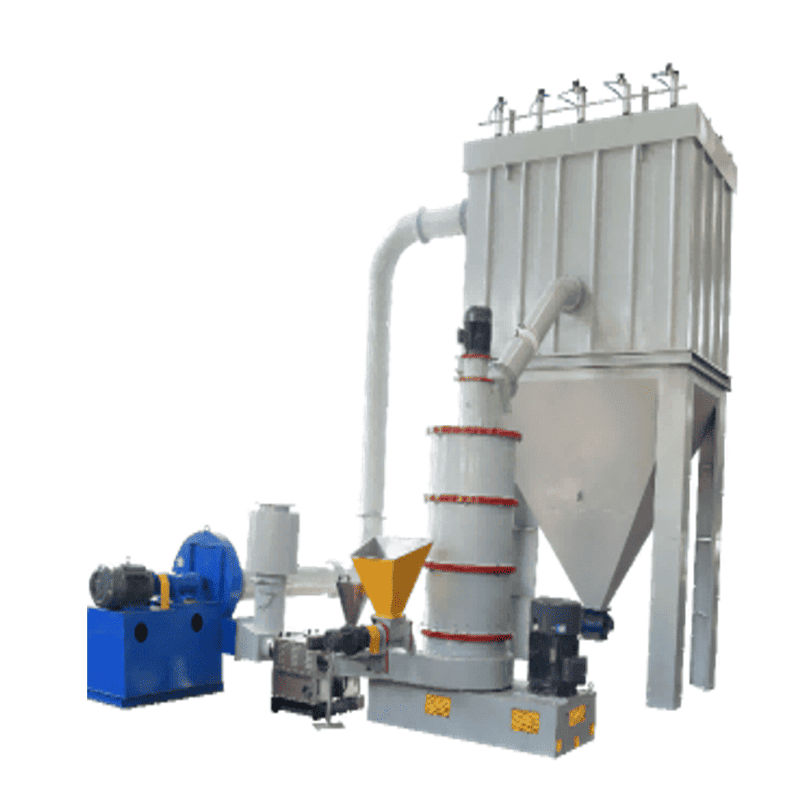
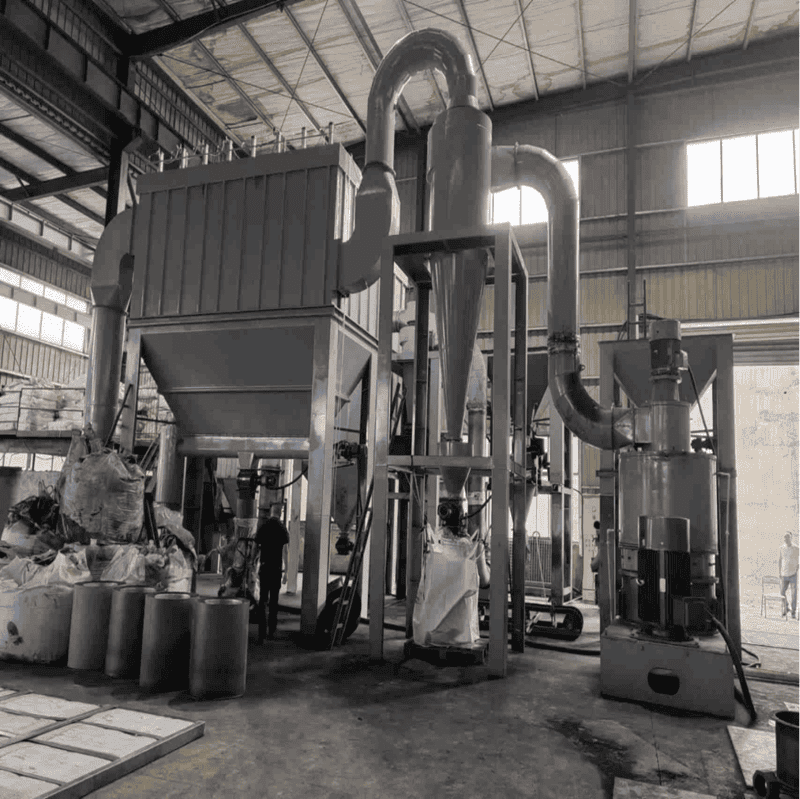
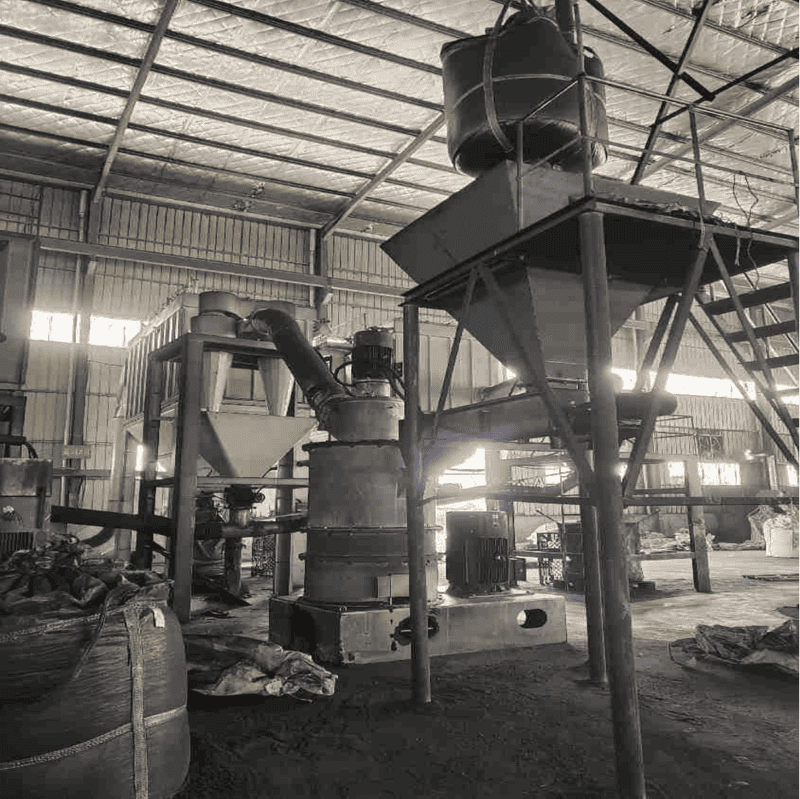
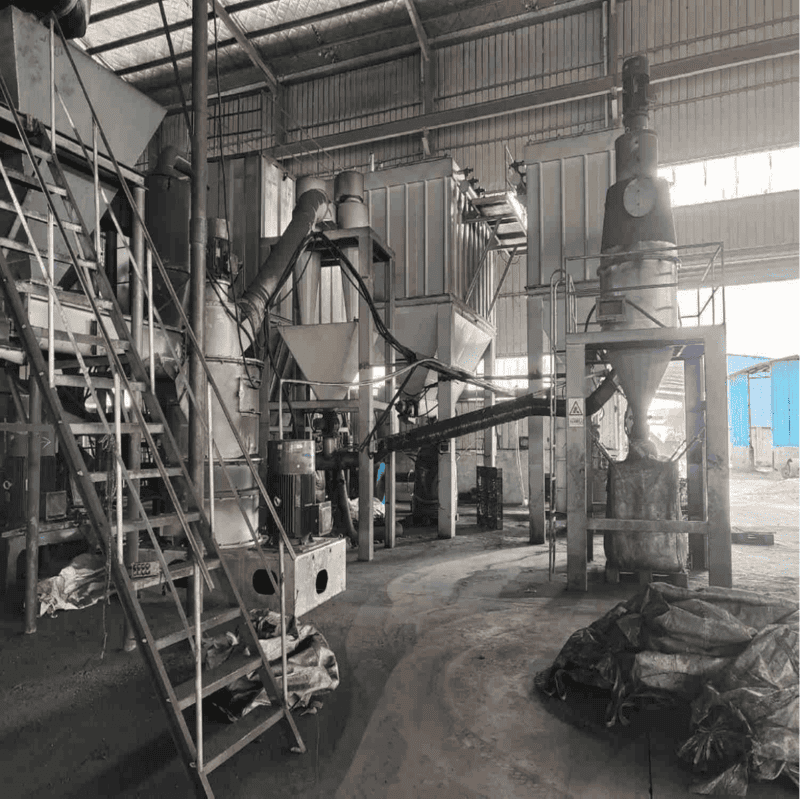
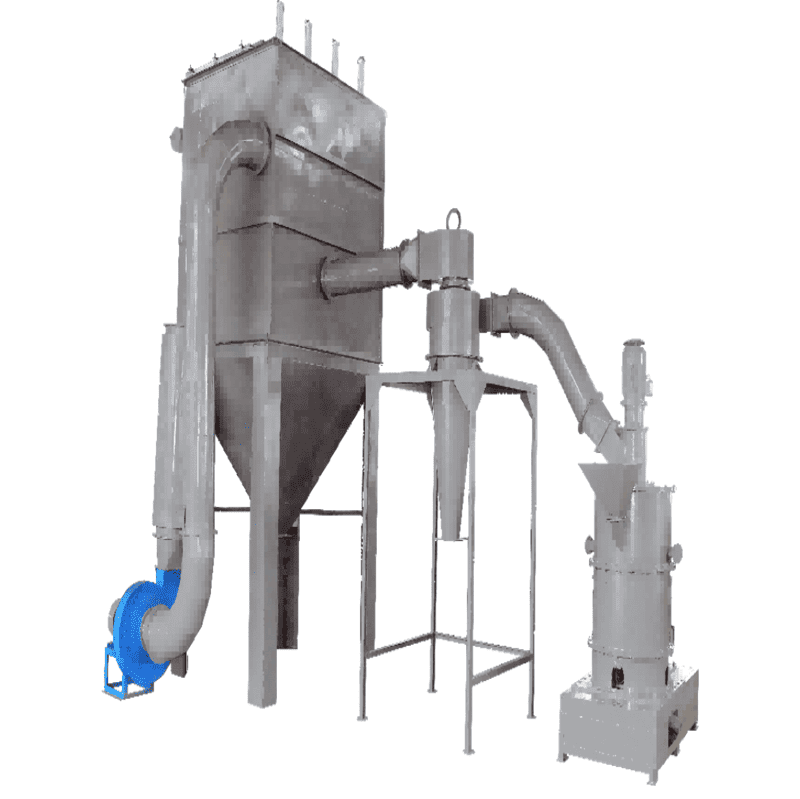
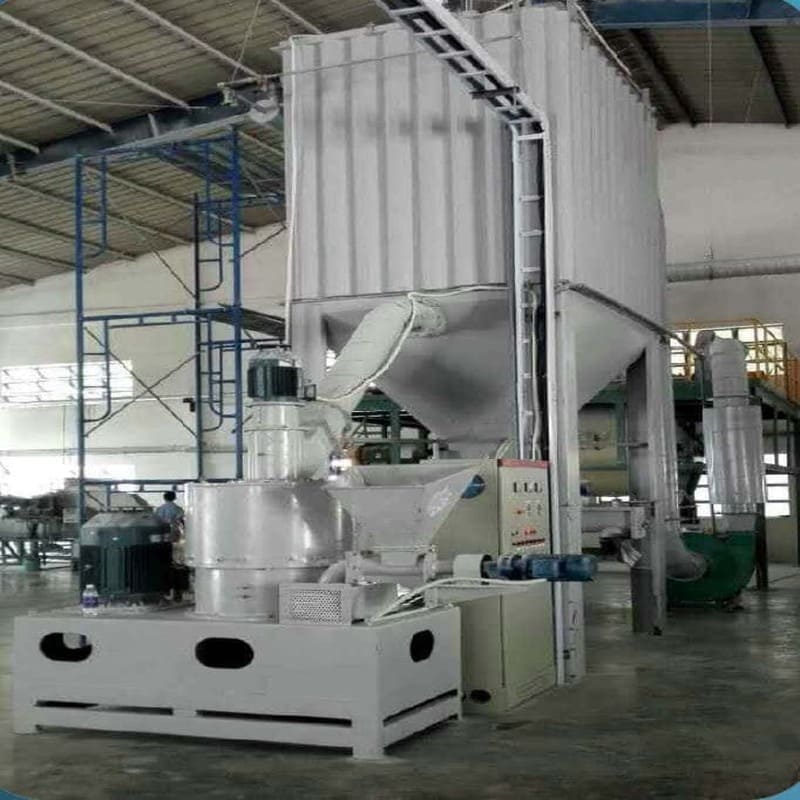
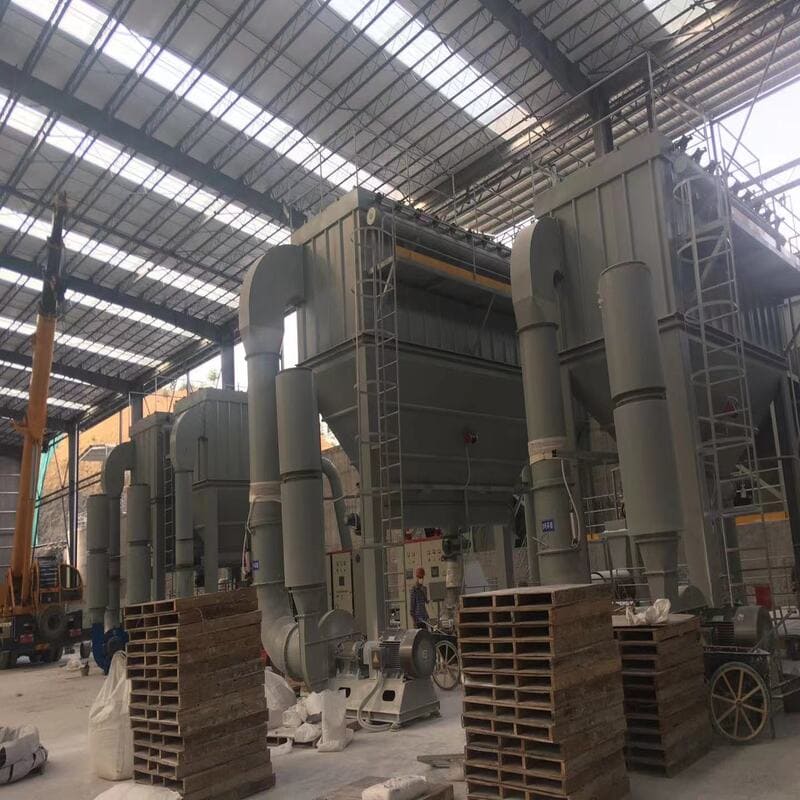
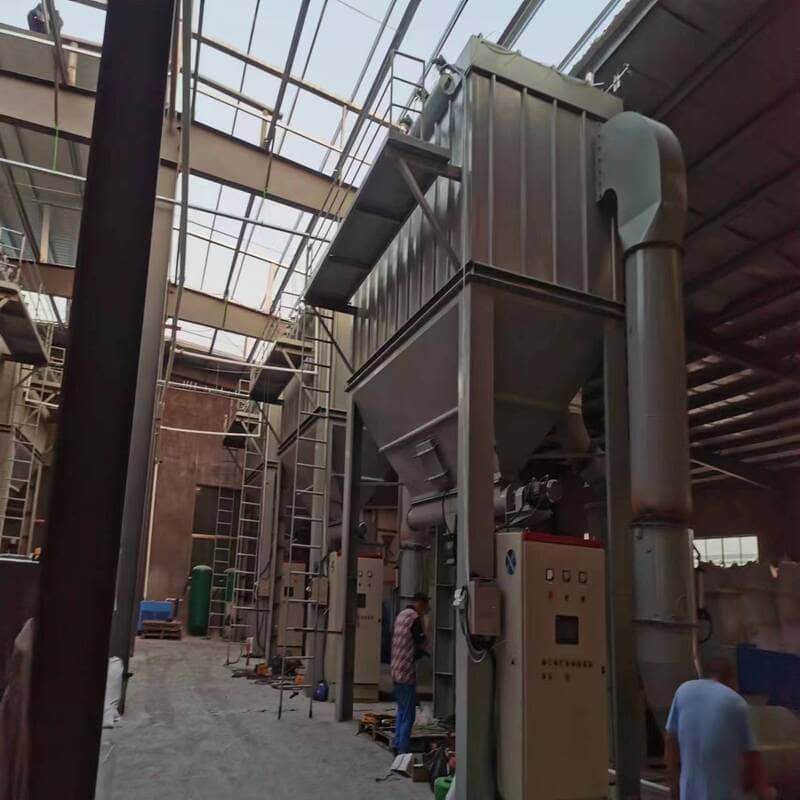
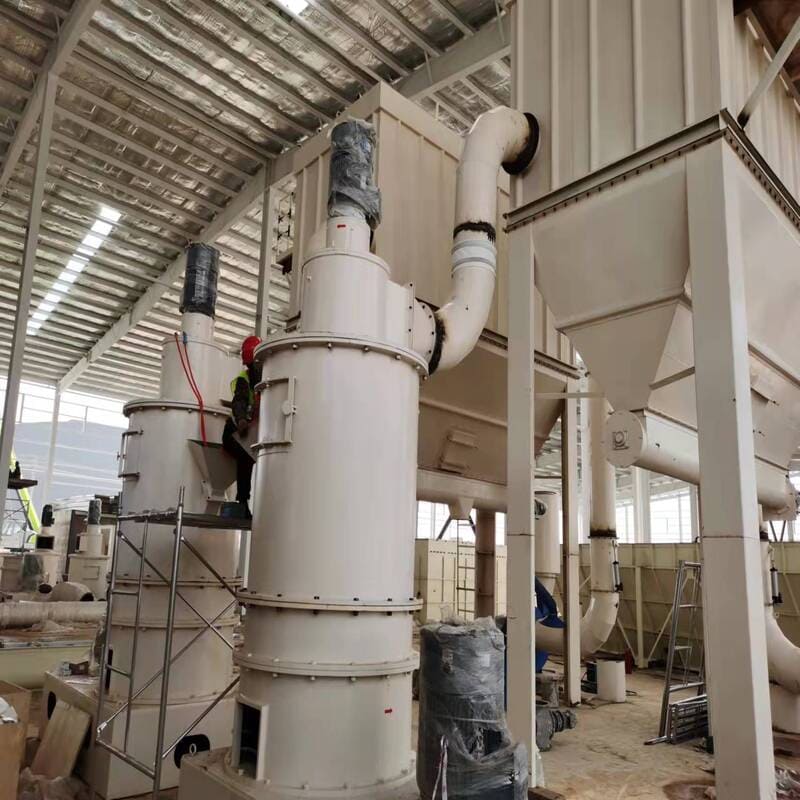
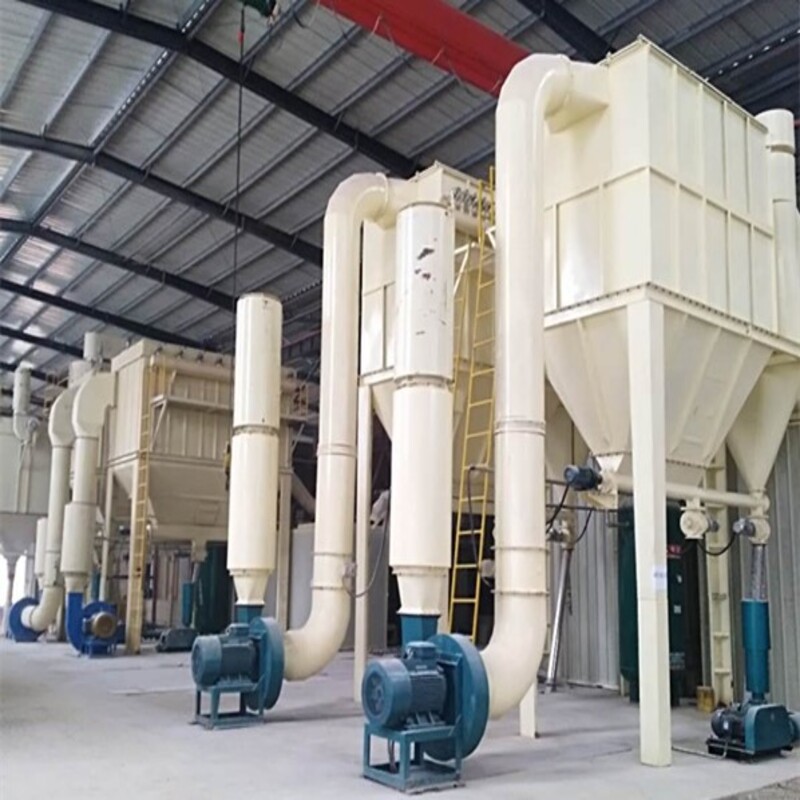
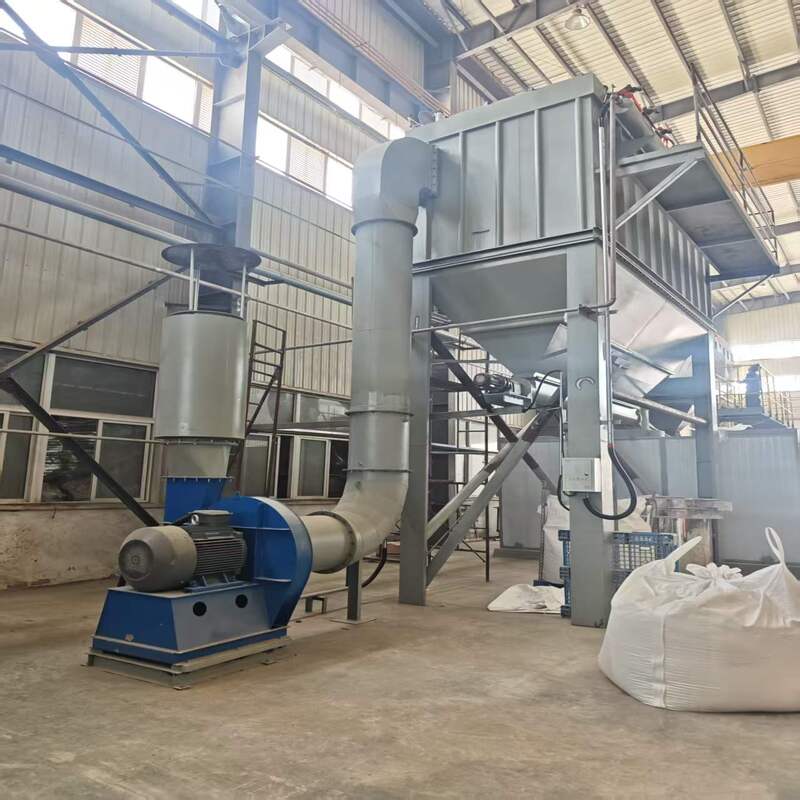
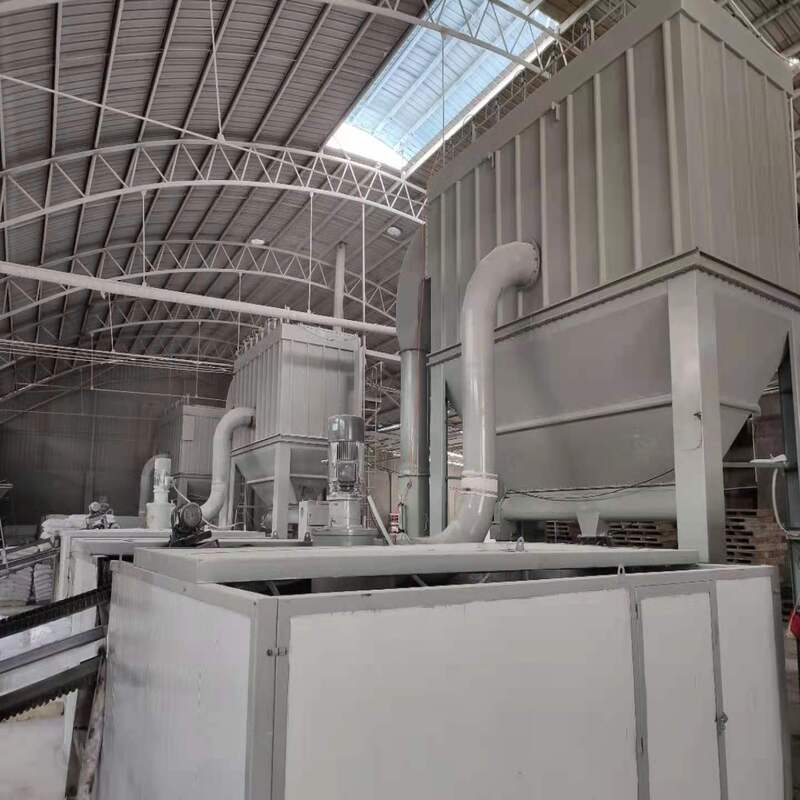
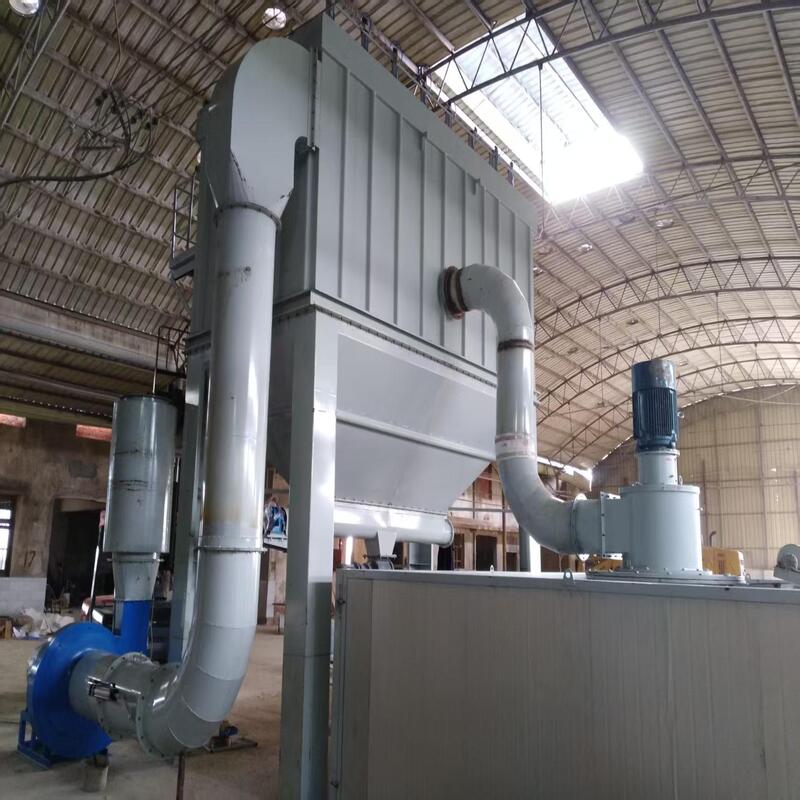
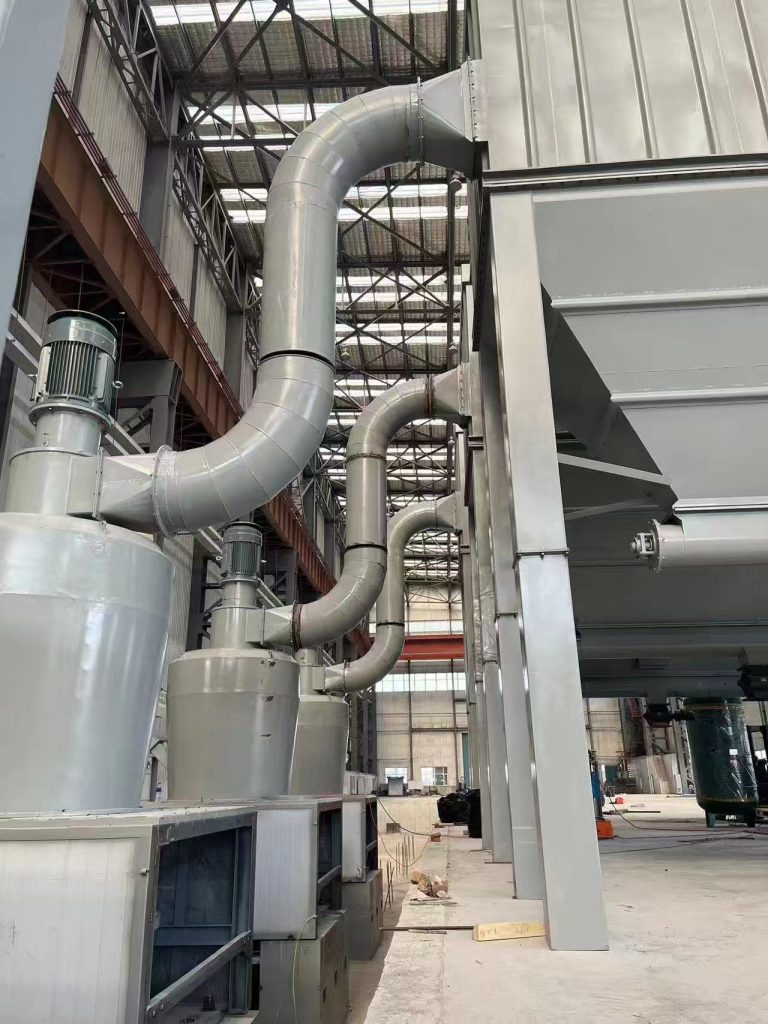
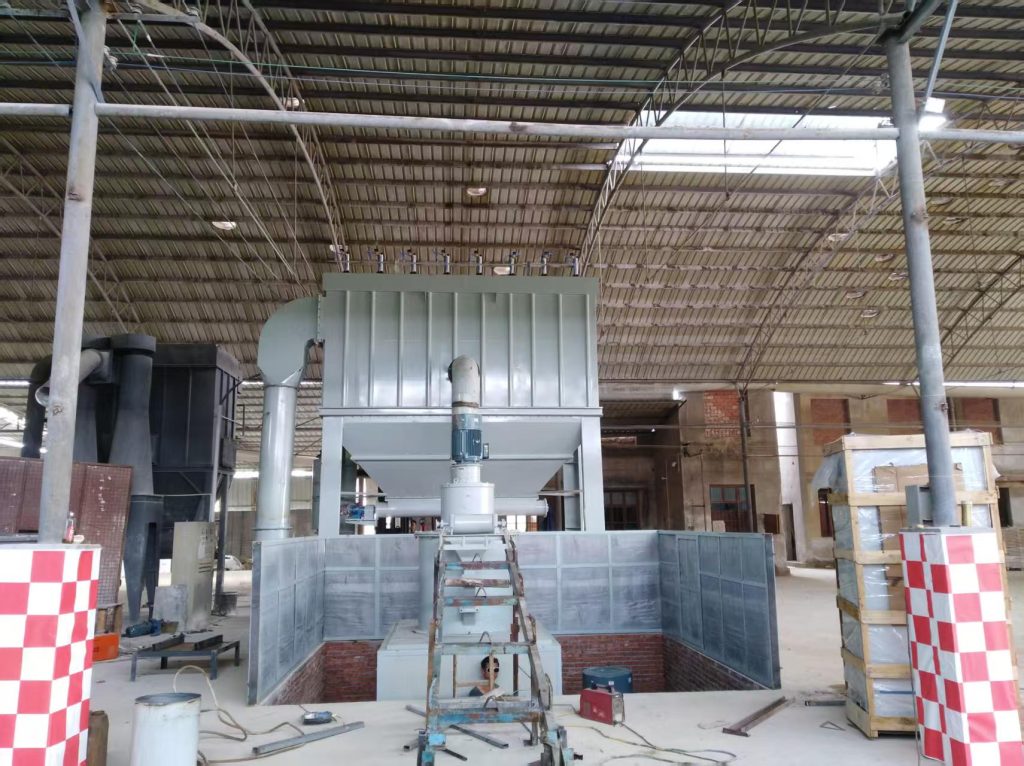
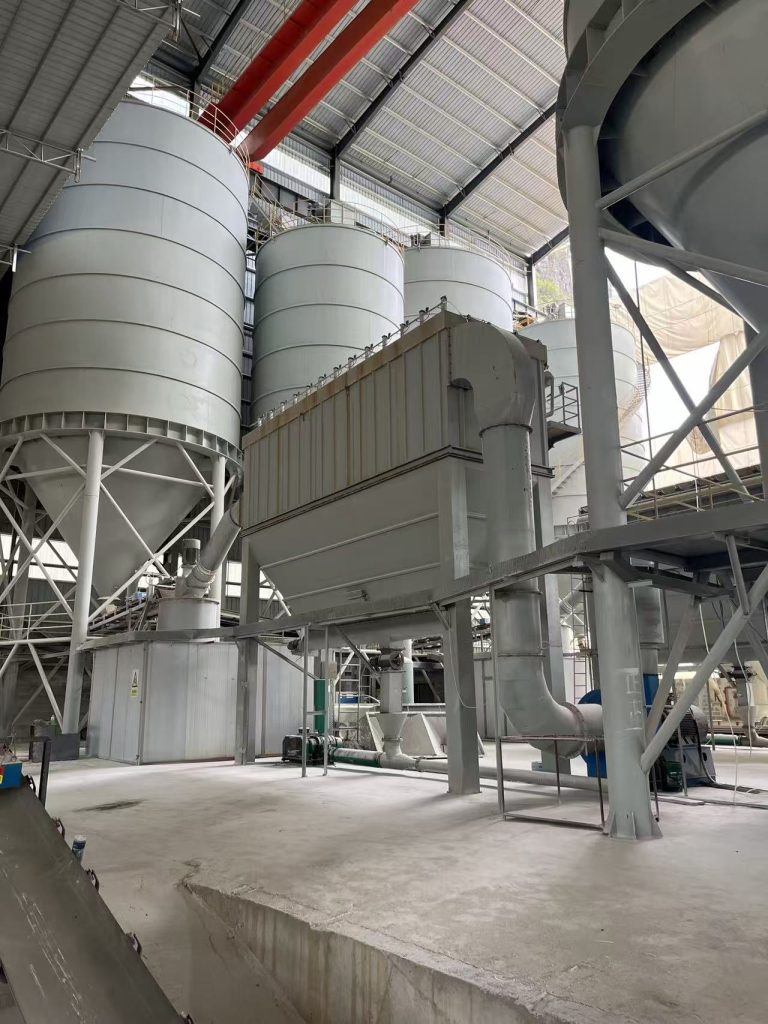
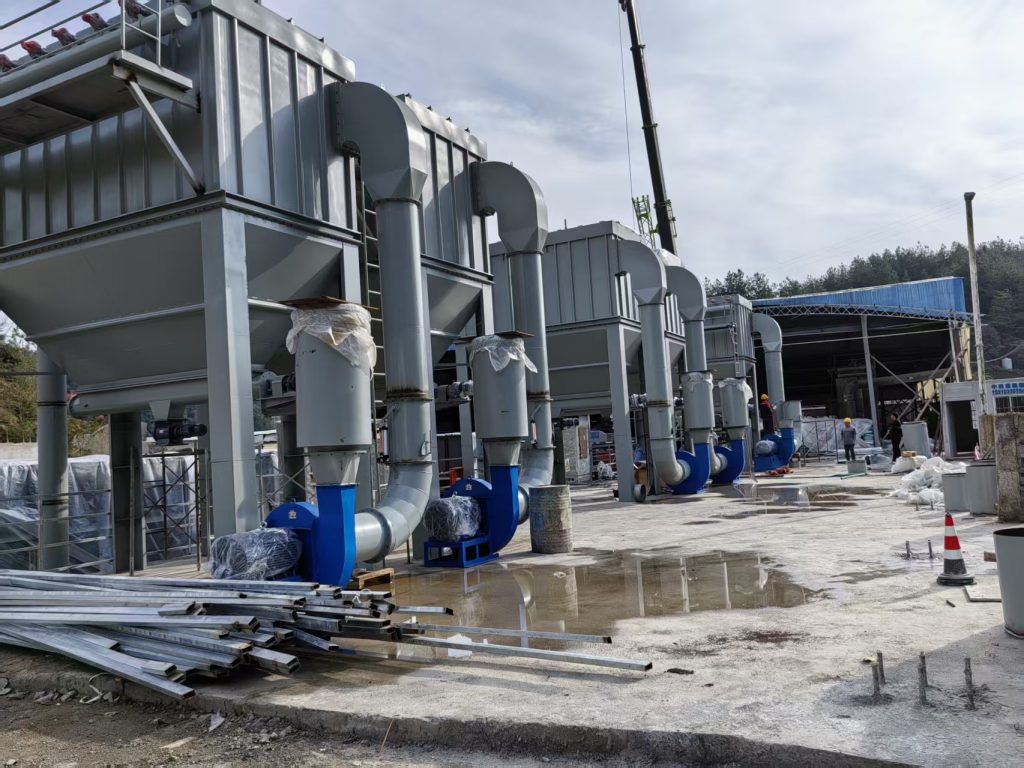
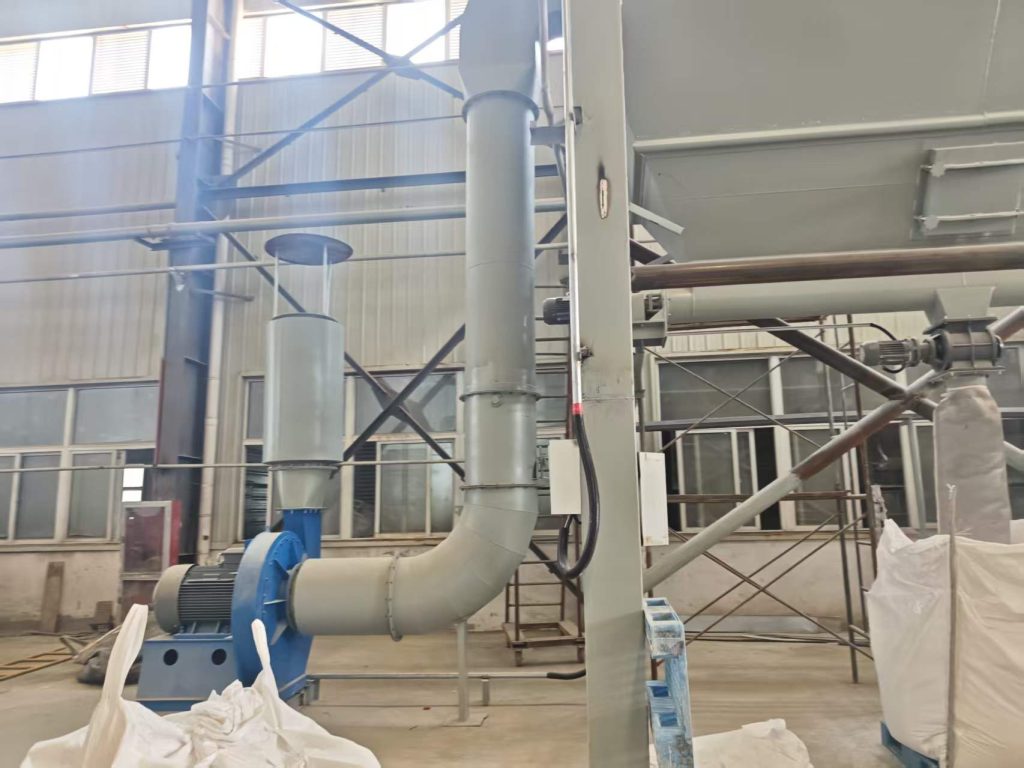
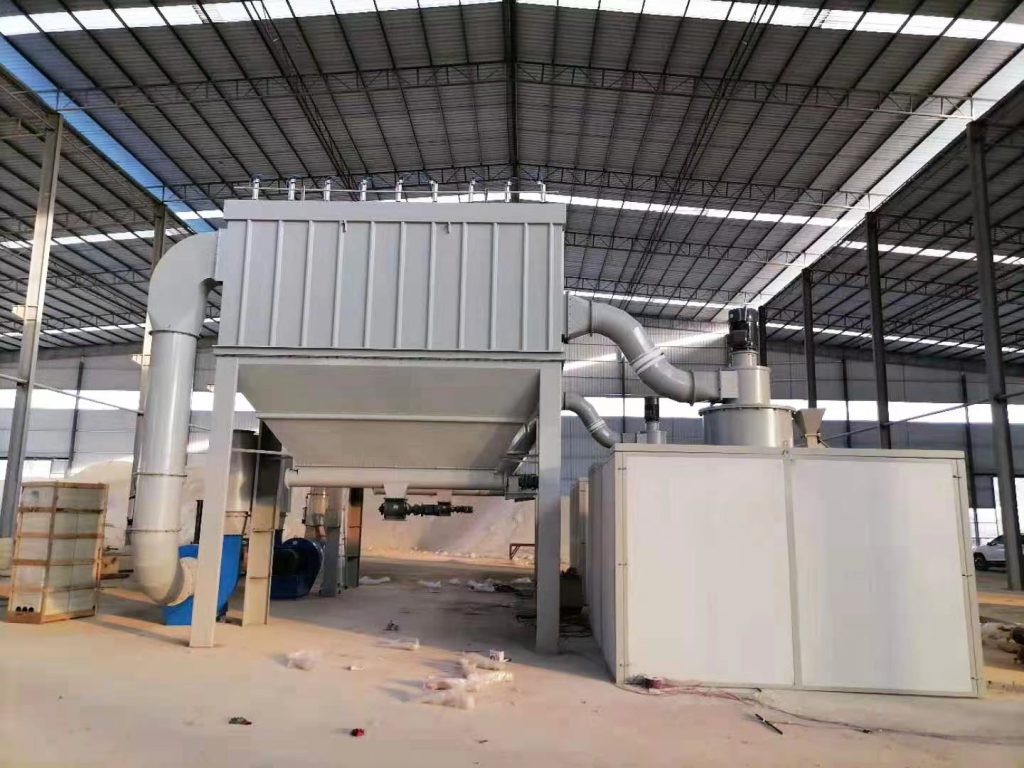
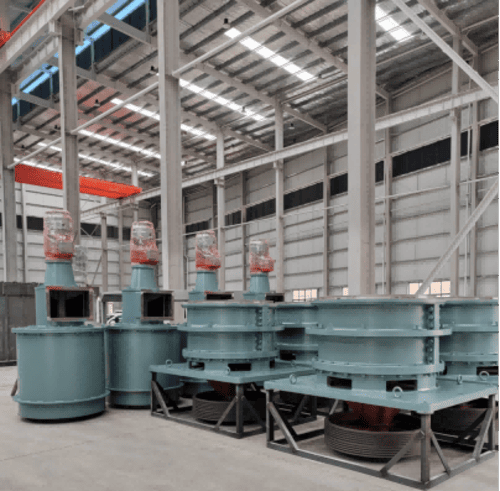
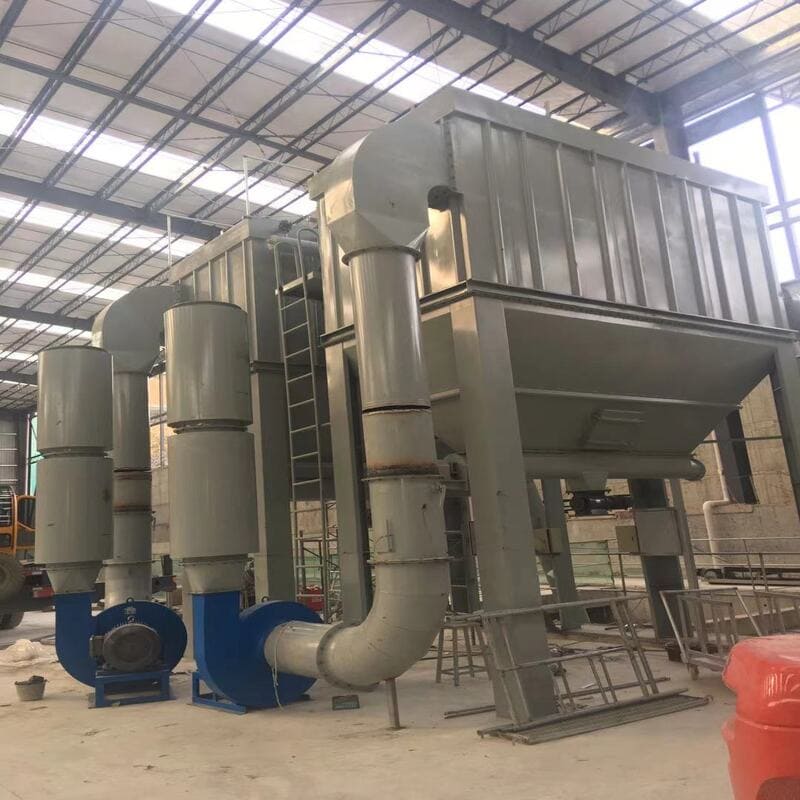
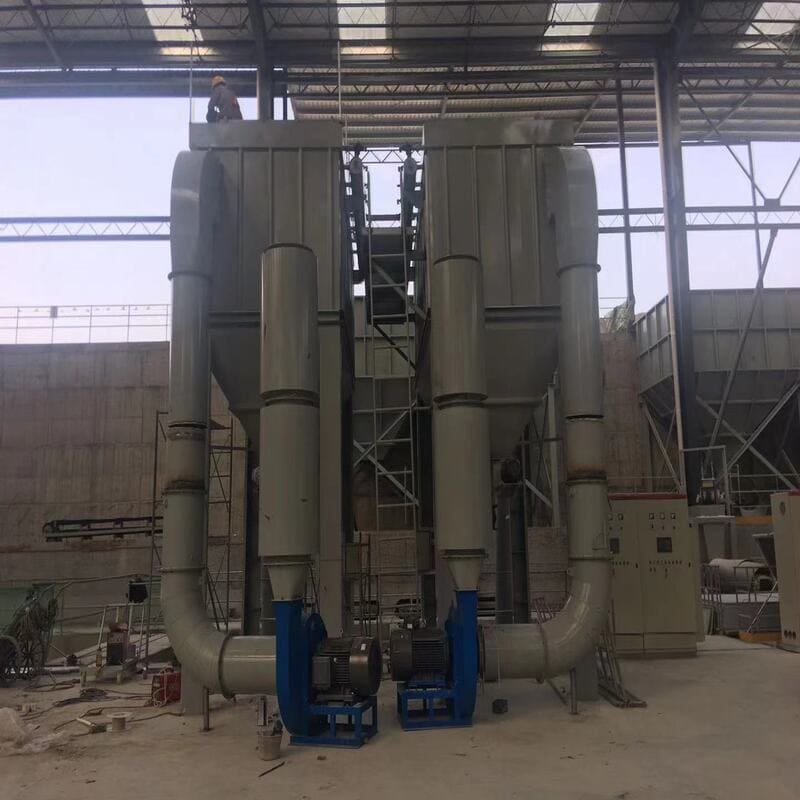
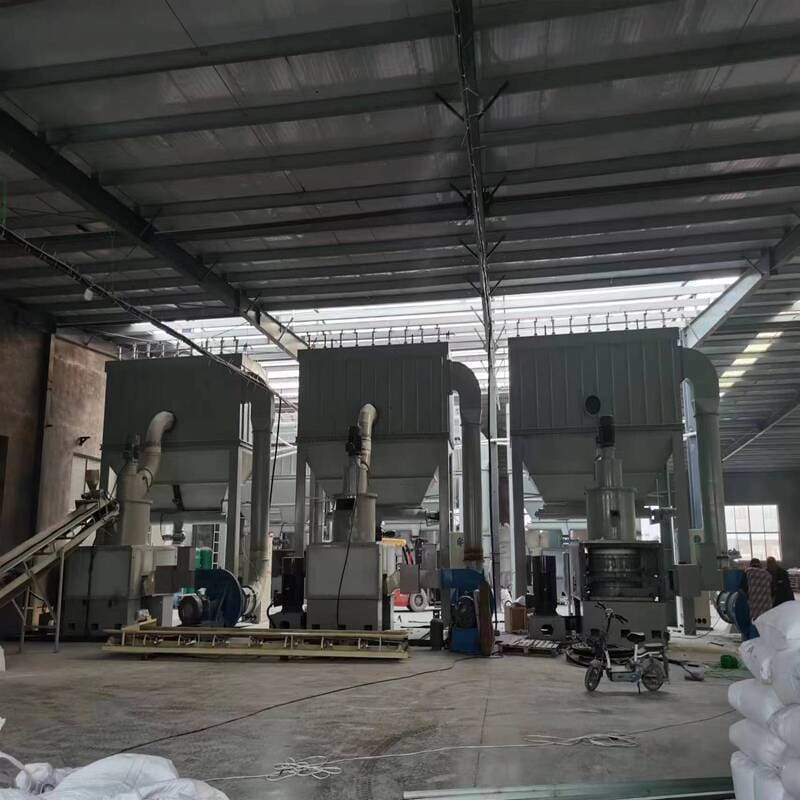
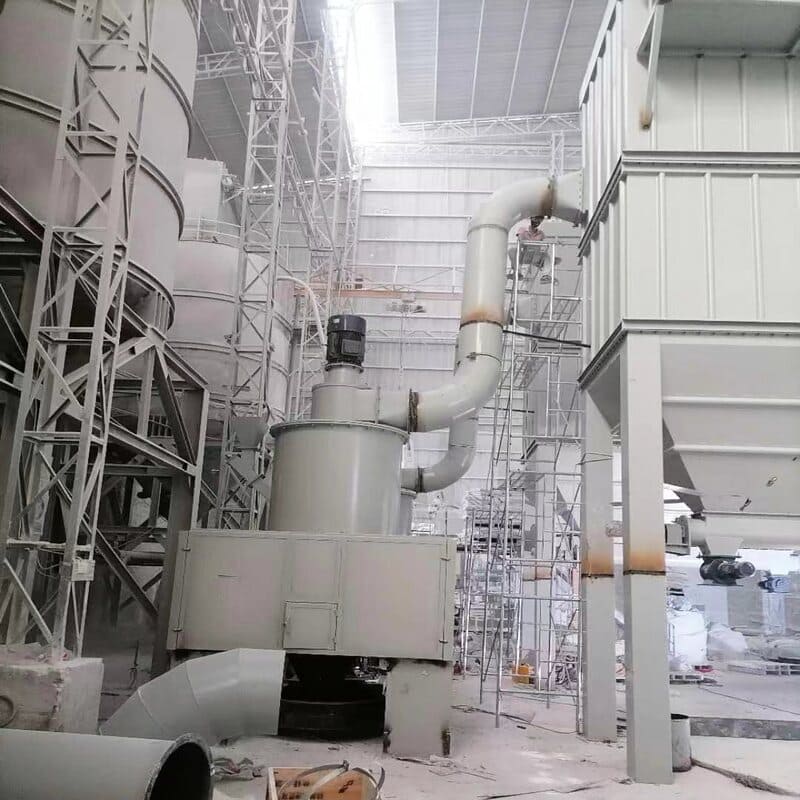
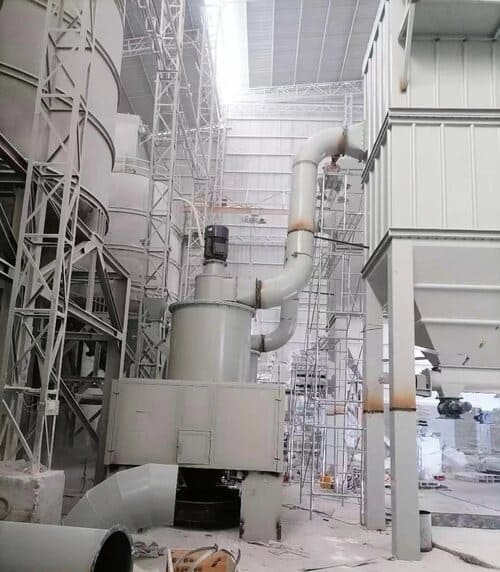
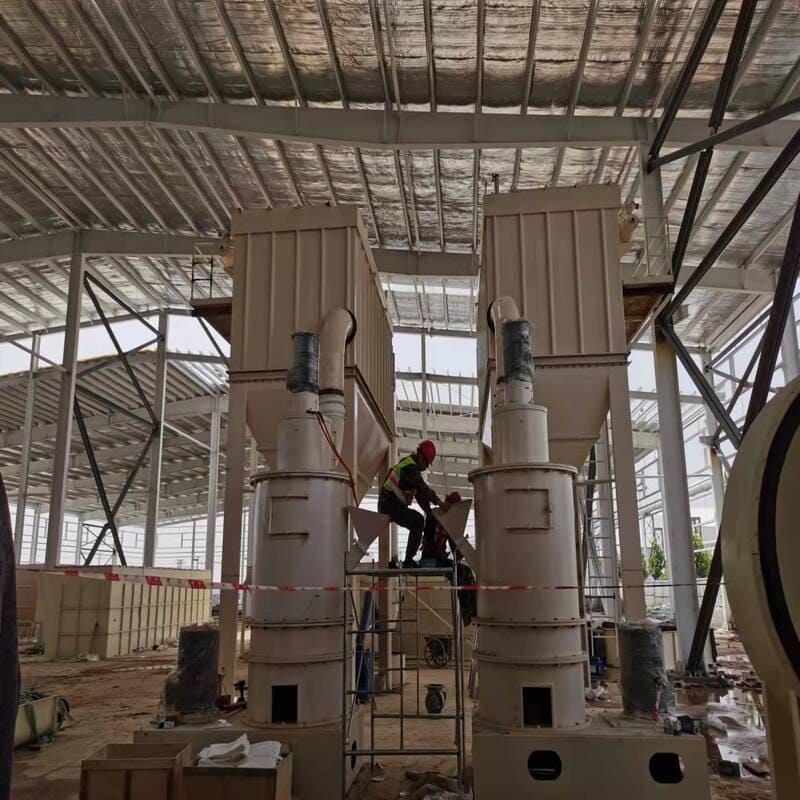
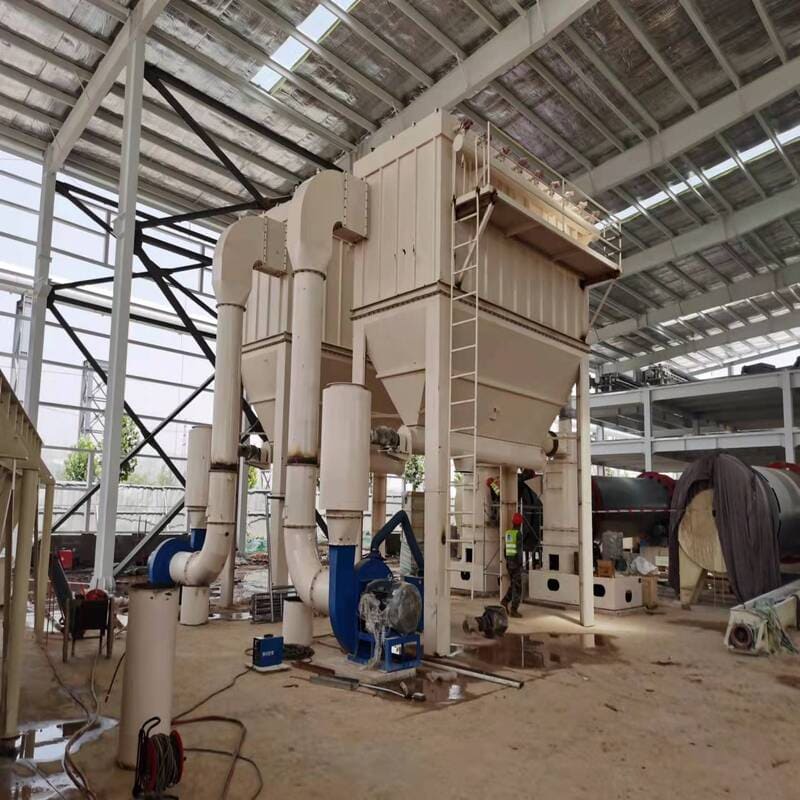
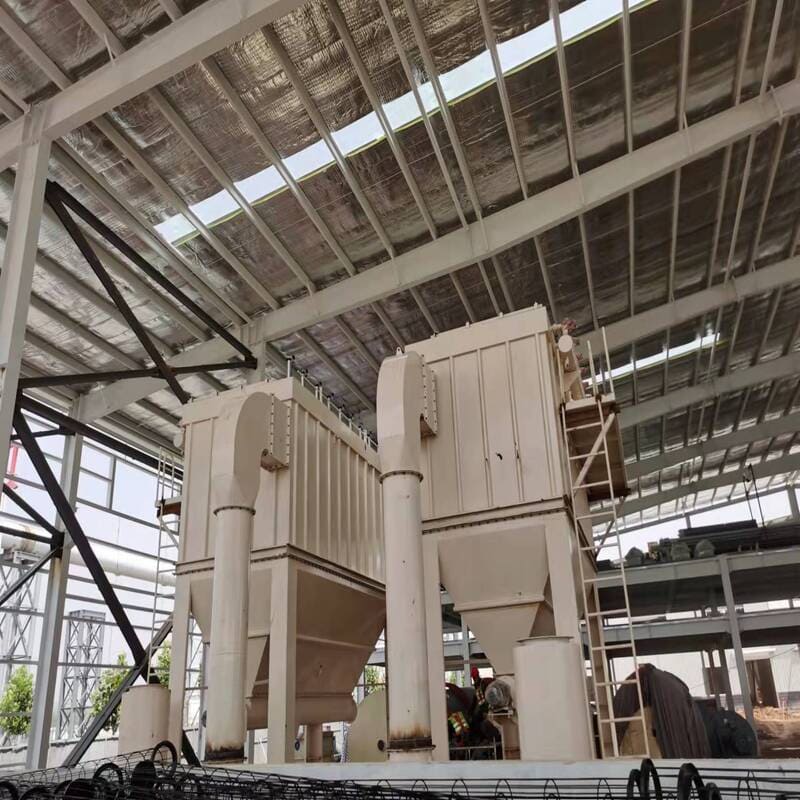
Heavy-Duty Industrial Roller Mills / Raymond Roller Mills: $50,000 – $150,000+
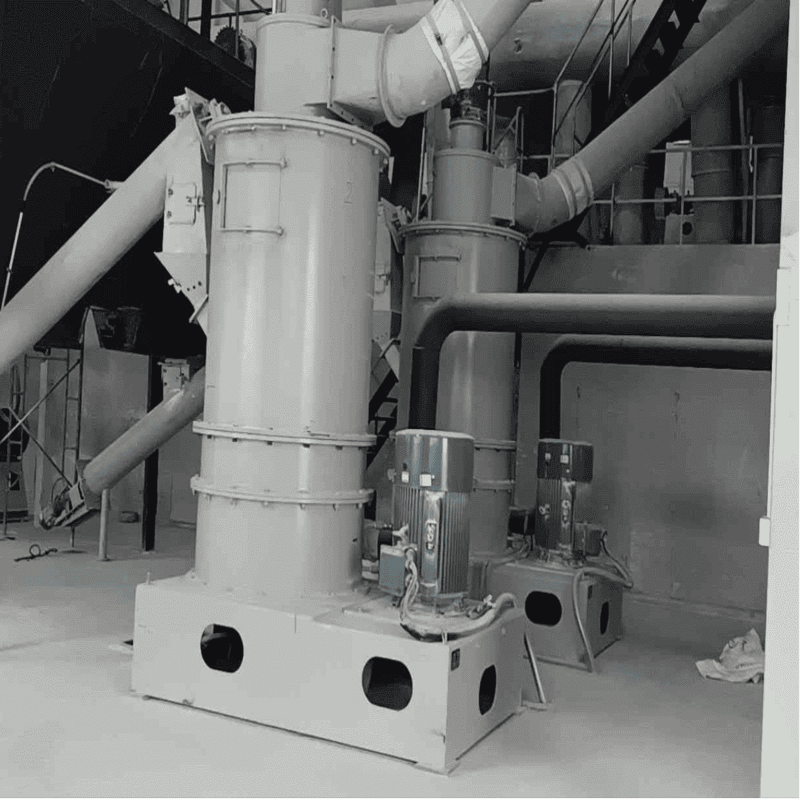
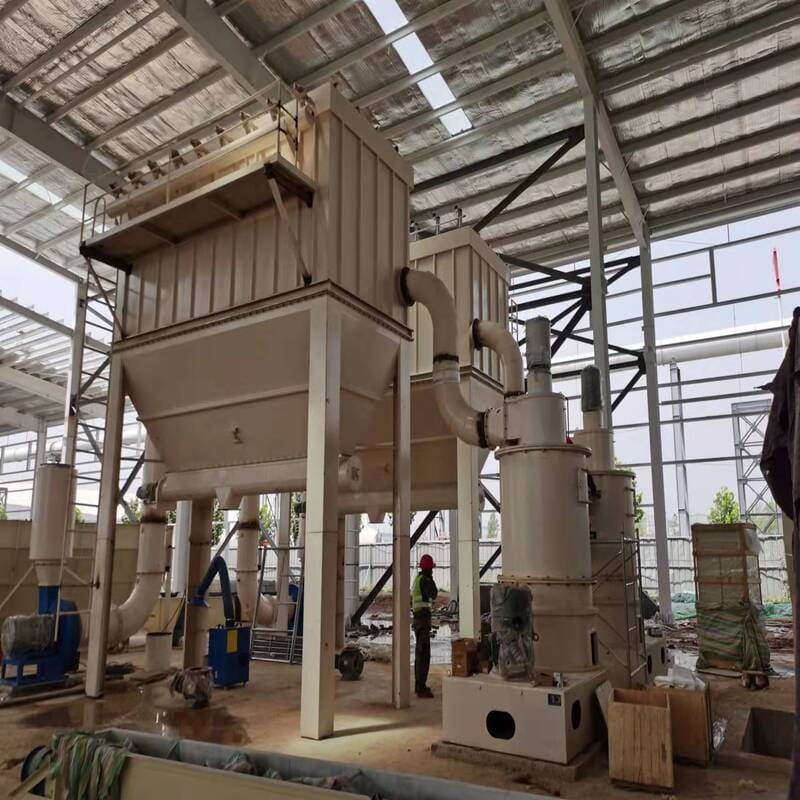
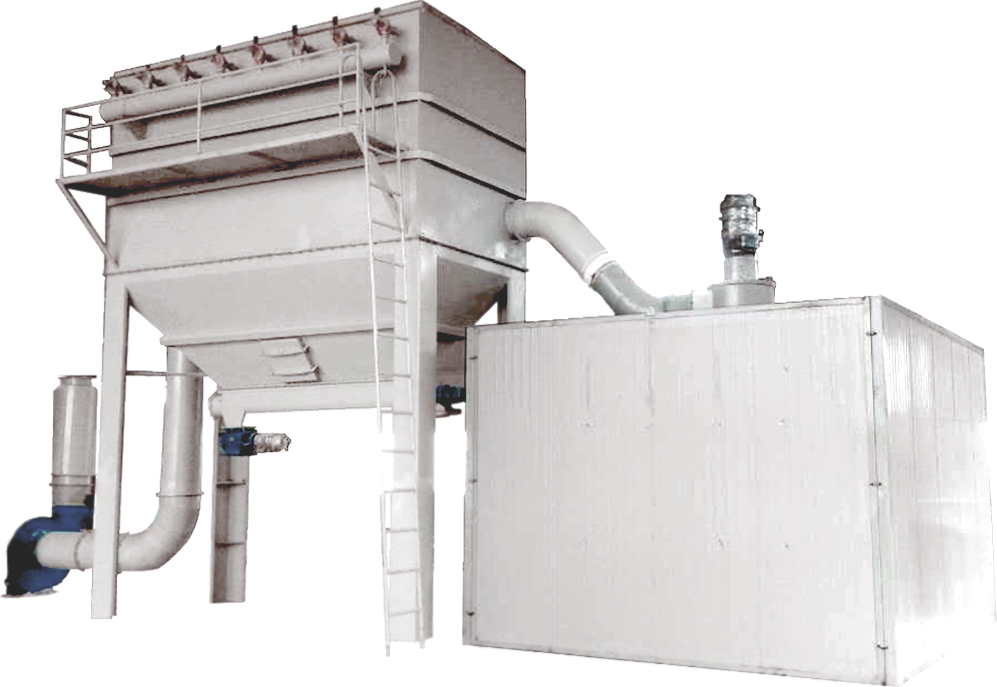
Designed for medium-fine mineral powder production, including limestone, talc, dolomite. Equipped with built-in air classifiers for controlled particle fineness. Strengths: Optimized for dry mineral grinding, lower energy consumption compared to hammer mills for consistent granular output. Best suited for: Mineral filler factories, building material powder processing.
Vertical Roller Mills (VRM, Large Industrial Grade): $150,000 – $500,000+
These massive vertical roller mills serve cement, slag and large-scale mineral processing lines. Prices climb far higher for complete systems including feeders, classifiers and dust collection. Pros: Extremely high throughput, industry-leading energy efficiency for ultra-large grinding circuits. Cons: Huge upfront investment, heavy foundation requirements, complex installation and commissioning. Only viable for large commercial production facilities.
Cordless and compact portable roller mills
These are rare in grinding applications; most roller mills run fixed installation on three-phase power. Portable small grain roller mills usually fall inside the $2,500–$8,000 bracket.
Used Roller Mill Pricing
If you want to cut capital expenditure, second-hand units offer an alternative:
- Small grain roller mill used: $1,000 – $6,000
- Medium commercial used roller mill: $7,000 – $25,000
Critical buying reminder: Inspect roll surface condition carefully. Worn, corrugated rolls produce uneven particle size. Budget for roll reconditioning, which often runs $2,000–$8,000 depending on roll size. Avoid older industrial units without service records.
Key Factors That Push Roller Mill Prices Higher
1. Production Capacity
Hourly throughput is one of the largest pricing drivers. Larger rolls, heavier gearboxes and reinforced frames raise manufacturing costs. Always match capacity to your actual output demand instead of overbuying.
2. Roll Material & Surface Treatment
Standard carbon steel rolls are affordable. Hardened alloy rolls, chilled cast iron and stainless steel rolls for food/pharma applications carry a noticeable price premium. Rolls for abrasive minerals need special surfacing to extend service life.
3. Automation Level
Manual gap adjustment = lower cost. Automatic hydraulic gap control, constant load monitoring and PLC control systems add cost but reduce operator labour and deliver steady particle quality.
4. Bit Material & Application Requirements
Food-grade GMP construction, sealed design for low-dust operation, explosion-proof configuration for combustible powders all increase base pricing.
5. Auxiliary Equipment
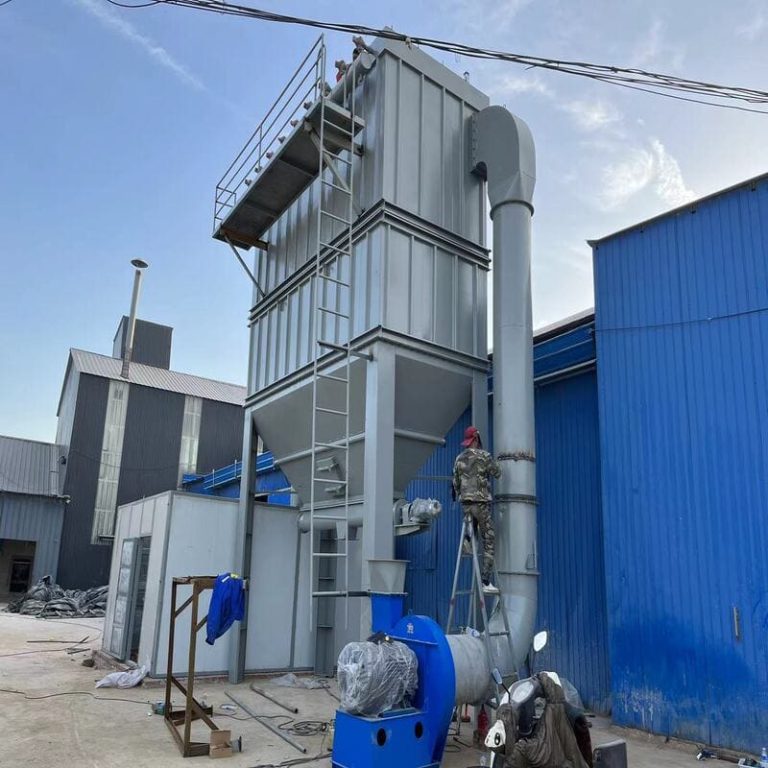
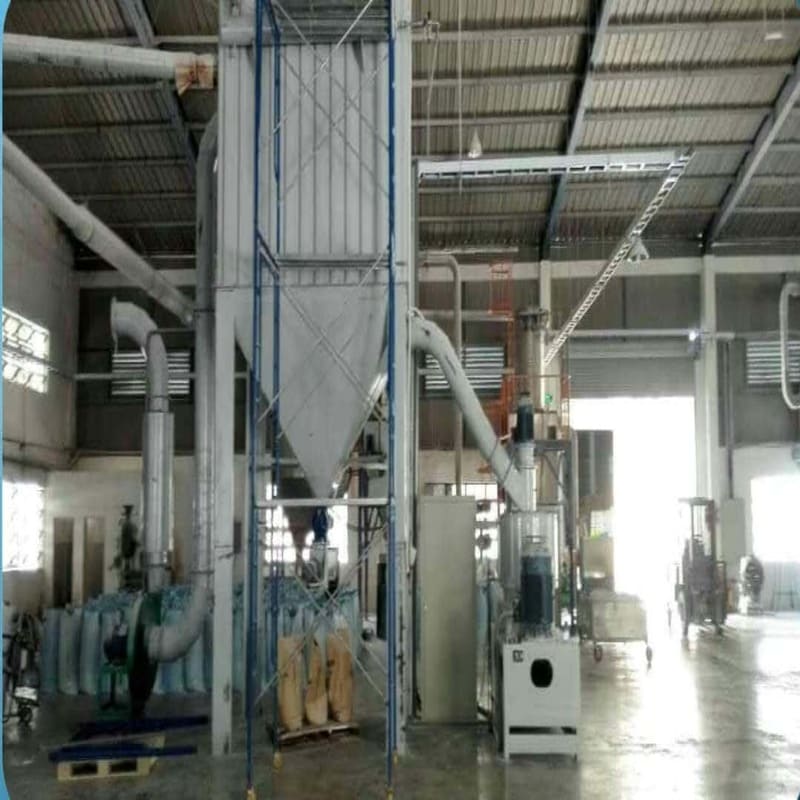
Many suppliers quote the bare machine only. Additional costs often include feeders, cyclones, dust collectors, control cabinets and installation. These extras can add 15%–35% to your total project budget.
6. Brand & After-Sales Support
Premium international brands offer global service networks and readily available spare parts. Low-cost generic units often face long delays for roll reconditioning, making them risky for continuous production.
Hidden Long-Term Ownership Costs Most Buyers Ignore
The purchase price is just the beginning of your total cost of ownership:
- Roll reconditioning or replacement: The biggest recurring expense. Depending on material abrasiveness, rolls need re-corrugation every several thousand operating hours.
- Power consumption: Roller mills are more energy-efficient than hammer mills for granular output, but electricity remains a major ongoing operational cost for multi-shift factories.
- Installation, foundation and commissioning fees. Large industrial VRMs require reinforced concrete foundations.
- Consumables and routine maintenance: lubrication oil, seals, bearings, drive belts.
- Safety and environmental equipment: dust collection systems, noise reduction enclosures.
Cheap roller mills may appear attractive upfront, but frequent roll rework and unplanned downtime can erase initial savings within two to three years of regular operation.
Quick Budget Recommendation Guide
- Lab testing, small sample grinding: $1,300 – $7,000 laboratory roller mill
- Farm-level grain, small batch feed milling: $2,500 – $12,000 small horizontal roller mill
- Medium flour mills, regular residential feed production: $12,000 – $50,000 medium-duty commercial model
- Non-metallic mineral fine powder processing: $50,000+ Raymond roller mill
- Large cement, slag and heavy mineral production lines: Vertical roller mill full system investment
Frequently Asked Questions
Q: Is an expensive roller mill worth the money over budget alternatives?
A: For continuous daily production, yes. The longer service intervals, stable particle uniformity and fewer shutdowns justify higher initial investment. Casual operators doing occasional small batches can select mid-range affordable models.
Q: Roller mill vs hammer mill: which has lower long-term cost?
A: For long-run grain and granular feed production, roller mills deliver lower energy and wear-part costs. If you frequently switch materials and require fine powder output, hammer mills often have lower entry pricing.
Q: Can I rent a roller mill instead of buying?
A: Roller mills are large fixed equipment, so rental availability is far more limited than demolition hammers or hammer mills. For most processors, purchasing or sourcing a used unit is more practical.
Q: Why do two roller mills with similar capacity have vastly different prices?
A: Capacity alone does not tell the full story. Differences in roll material, automation, anti-wear design and after-sales support create large price gaps. Always ask for roll specifications and service part availability.
Final Thoughts on Roller Mill Pricing
Compact lab-scale roller mill equipment costs about $1,300, whereas full industrial vertical roller mill systems can cost hundreds of thousands of dollars.
Smaller horizontal roller mills in the entry to mid-tier range can be targeted by small farms and casual grain processors. To save recurring maintenance expenses, full-time feed mills and mineral manufacturers should give priority to medium or heavy-duty models with sturdy rolls.
Don’t base your purchase just on the listed price that is the lowest. To determine the actual total cost of ownership during the machine’s service life, compare throughput, roll quality, automation capabilities, and spare part accessibility.
Impact Mill Blog
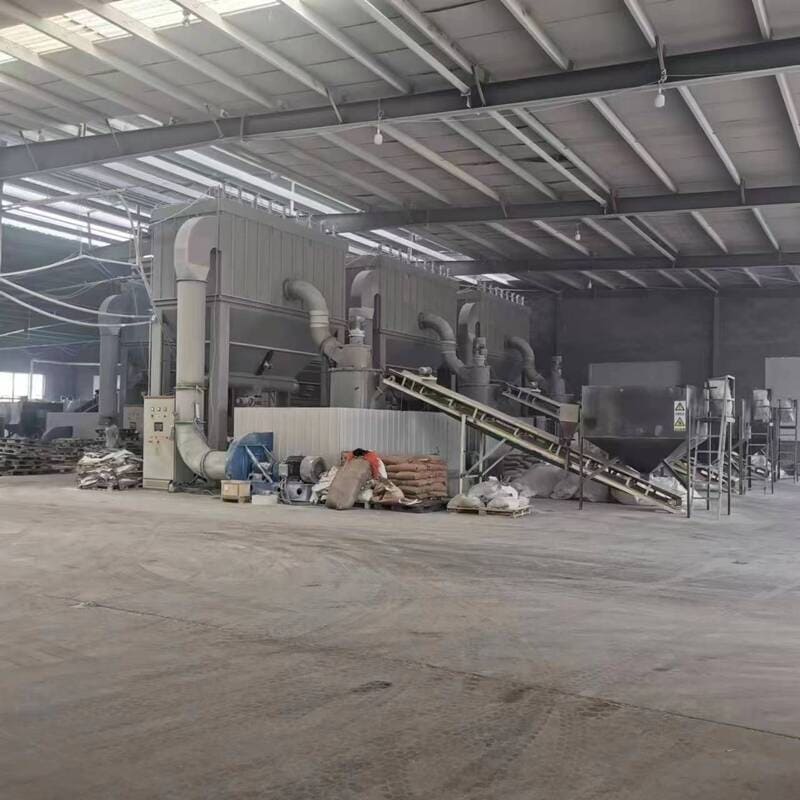
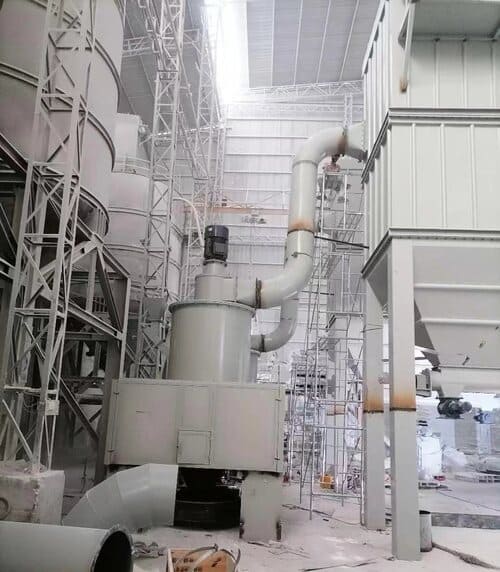
Roller Mills for Sale
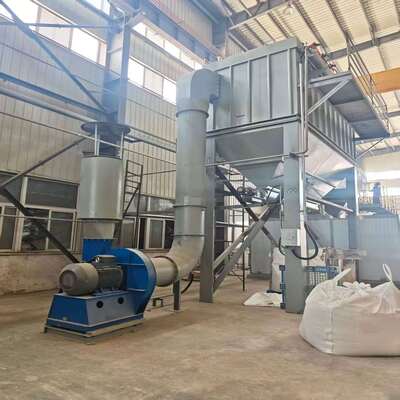
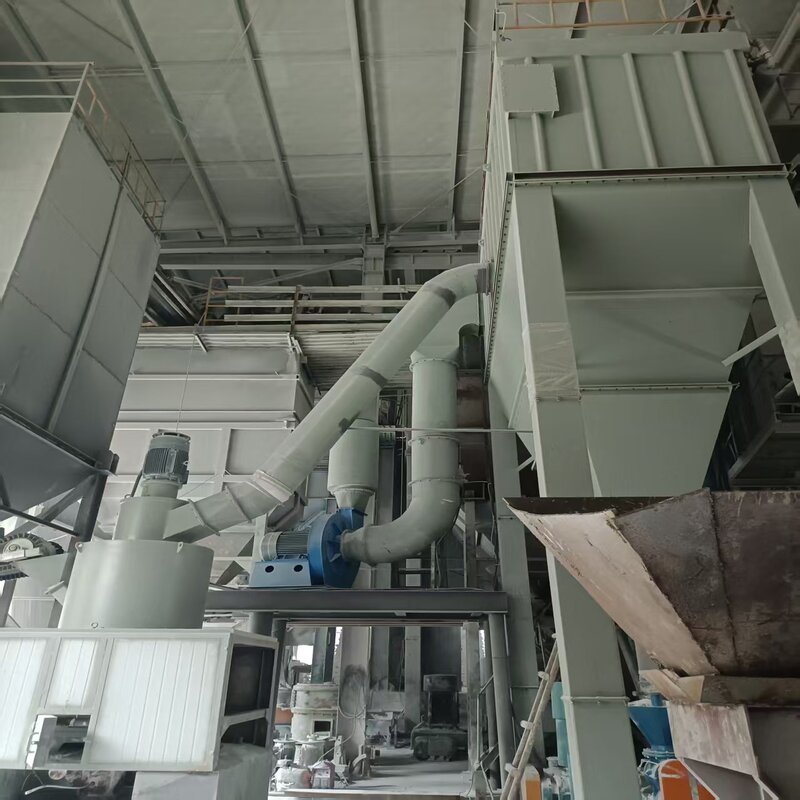
About LKMixer
LKMixer is a professional manufacturer for grinding and mixing production line, grinder, mixer and granulator, shredder. These machines are widely used in food, pharmaceutical, cosmetic, health care products and chemical industries. The materials like Epdm Rubber , Liquid Detergent , baby powder. The Food materials like vegetable, Sauce Paste, seeds, potato, bean, tobacco, salt, cannabis, tea, Tomato Sauce, corn, Coffee, grain as so on. Grinders have many types such as Air cooled crusher , grinding machine cassava which is suitable for cassava, Ultrafine Grinding Mill covers 80-200mesh, and also Winnowing Dust Grinder or other grinding machines like SF Hammer. Welcome to contact us for details. Contact us for more information. Proposal, catalog, quotation.
Recommend Reading
You may also interest in other topics:
rotary hammer drill , 480V EV Charger , jar labeling machine