What Is the Difference Between a Jet Mill and an Impact Mill?
What Is the Difference Between a Jet Mill and an Impact Mill?
What Is the Difference Between a Jet Mill and an Impact Mill? Jet mills and impact mills are frequently compared by anyone looking for equipment for fine powder processing. During their initial equipment study, many customers who are unfamiliar with powder technology are confused by the fact that both generate fine powder from solid brittle materials. To attract more search traffic, industry marketplace listings occasionally combine these terms.
Their basic grinding mechanism is the main distinction between them. An impact mill employs a motor-driven spinning rotor to strike material against stationary liners, whereas a jet mill uses high-speed compressed gas to drive particle-on-particle collisions. Significant disparities in feasible fineness, contamination risk, heat generation, operating costs, and appropriate production scenarios are caused by this one mechanical distinction. The characteristics, benefits, and material compatibility of each machine are broken down below, along with unambiguous recommendations derived from independent powder testing and highly regarded Google equipment guides.
Core Working Principle Comparison
Jet Mill (Fluid Energy Mill)
No high-speed rotating grinding rotor inside the milling chamber. Raw material is accelerated by supersonic compressed air or inert gas from precision nozzles. Particles smash into one another at extreme velocity, fracturing along internal grain boundaries. Size reduction happens purely through particle-to-particle impact. Most jet mills integrate an internal air classifier. Fine powder exits with airflow, while coarse particles circulate back for further grinding. A unique physical trait: gas expands after leaving the nozzle, creating natural Joule-Thomson cooling inside the grinding zone.
Impact Mill (Mechanical Impact Mill / Air Classifier Impact Mill)
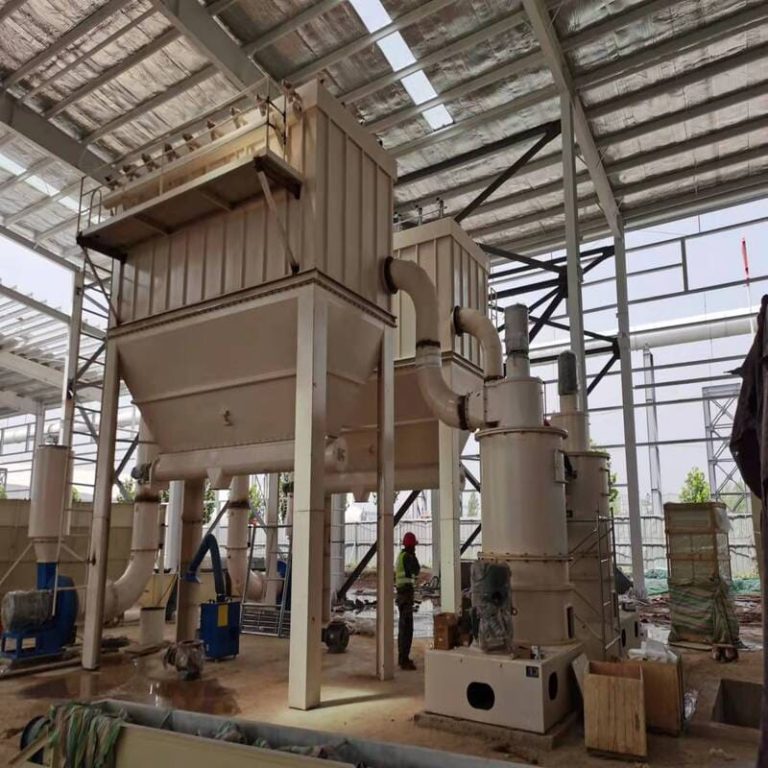
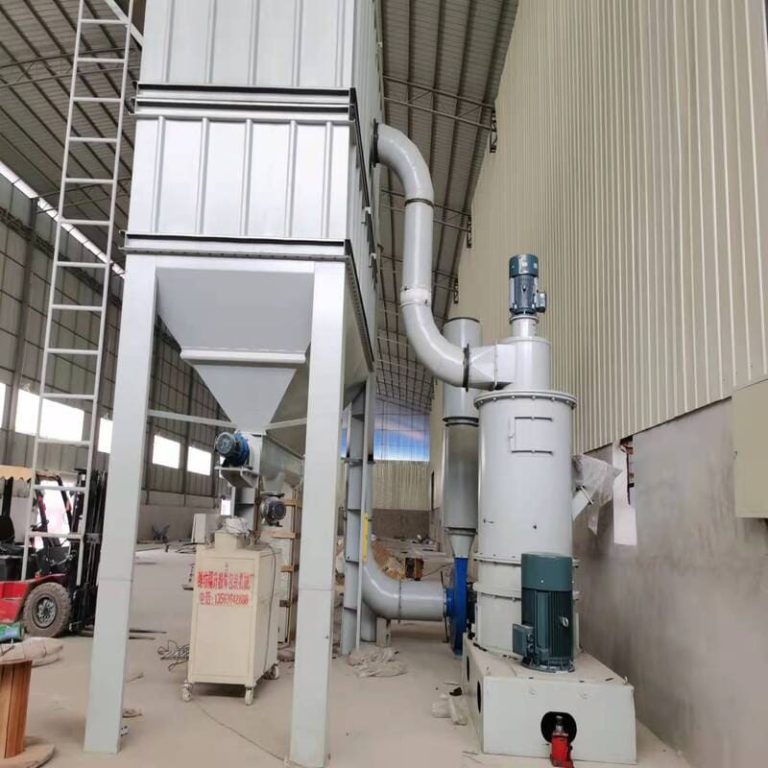
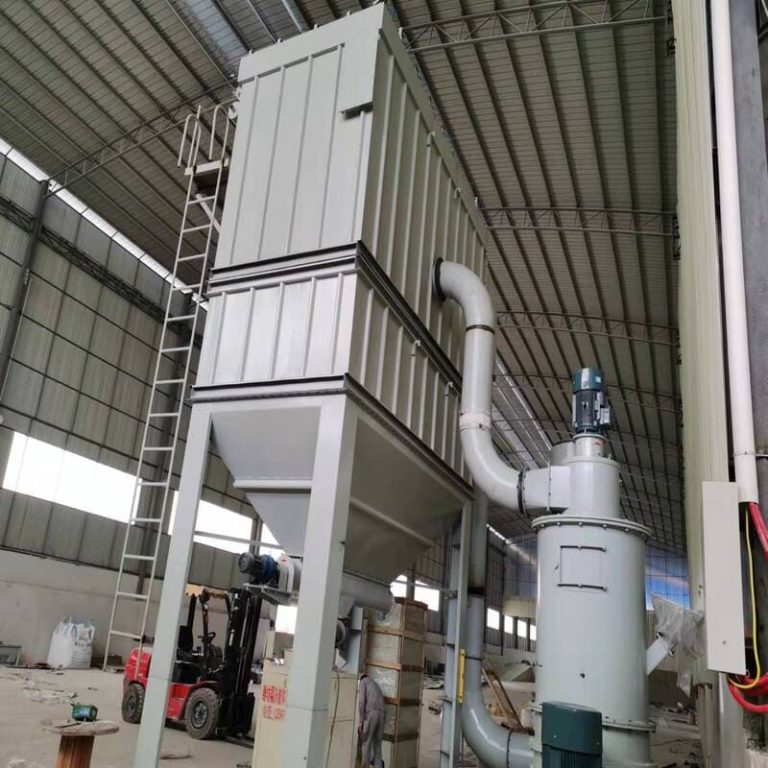
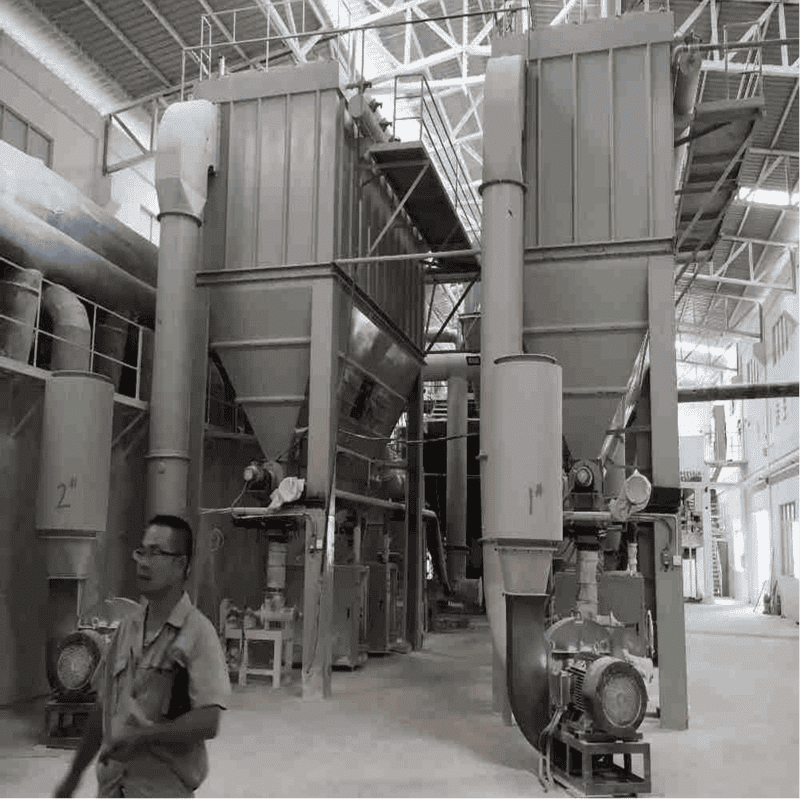
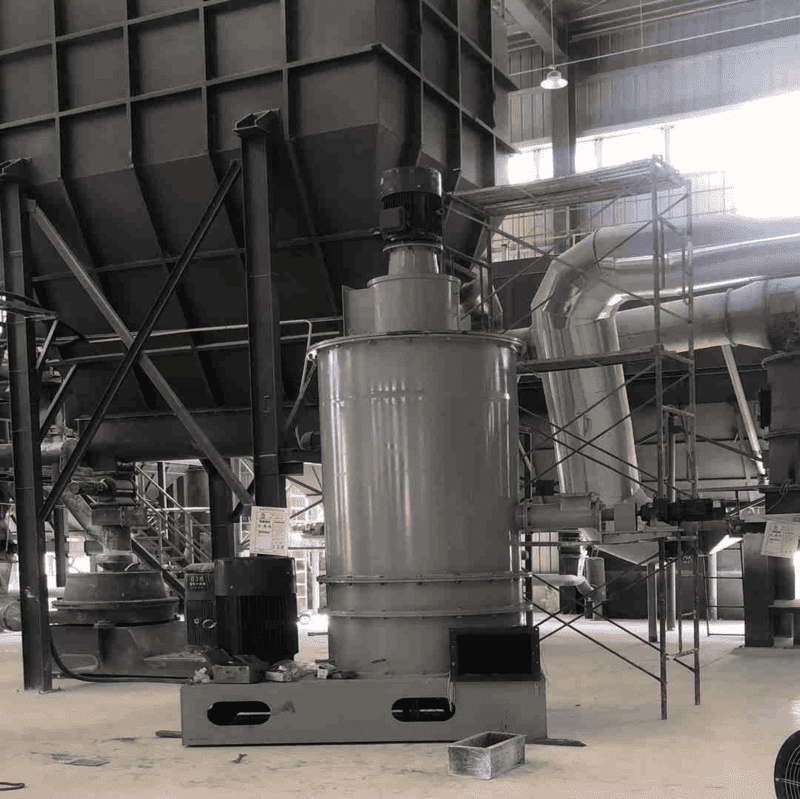
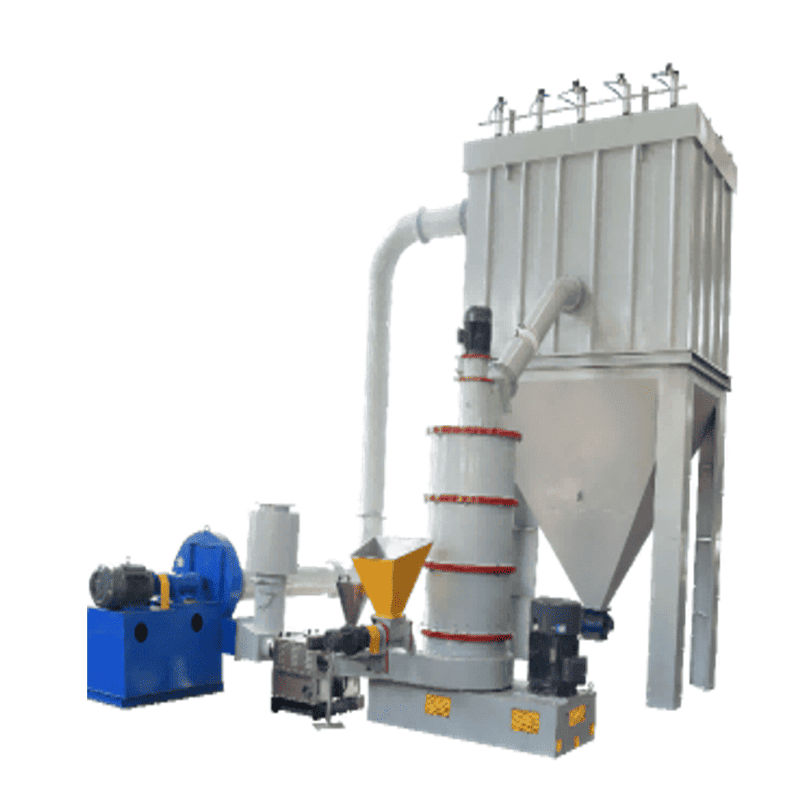
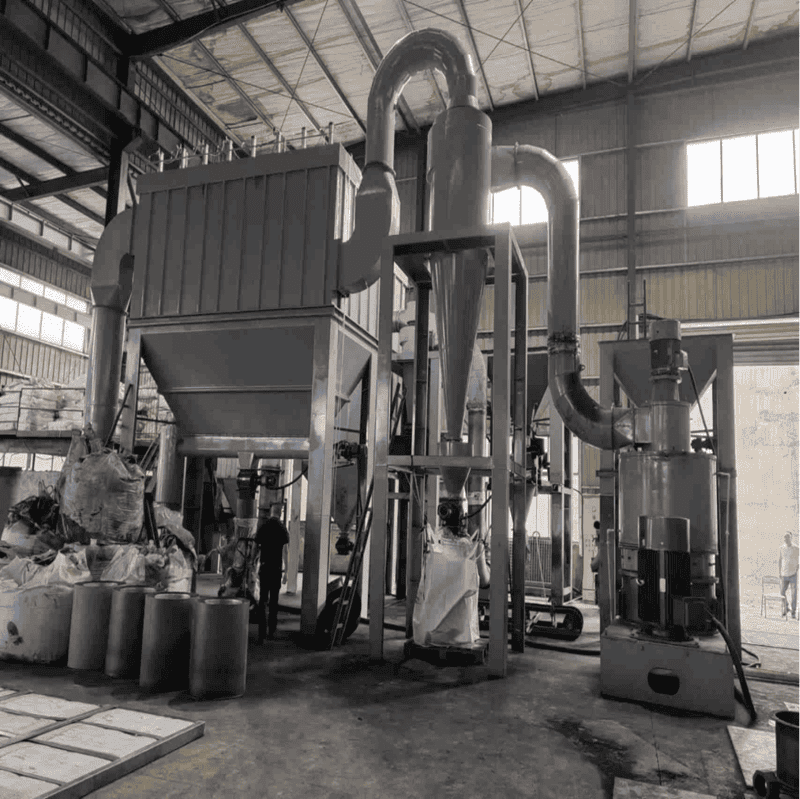
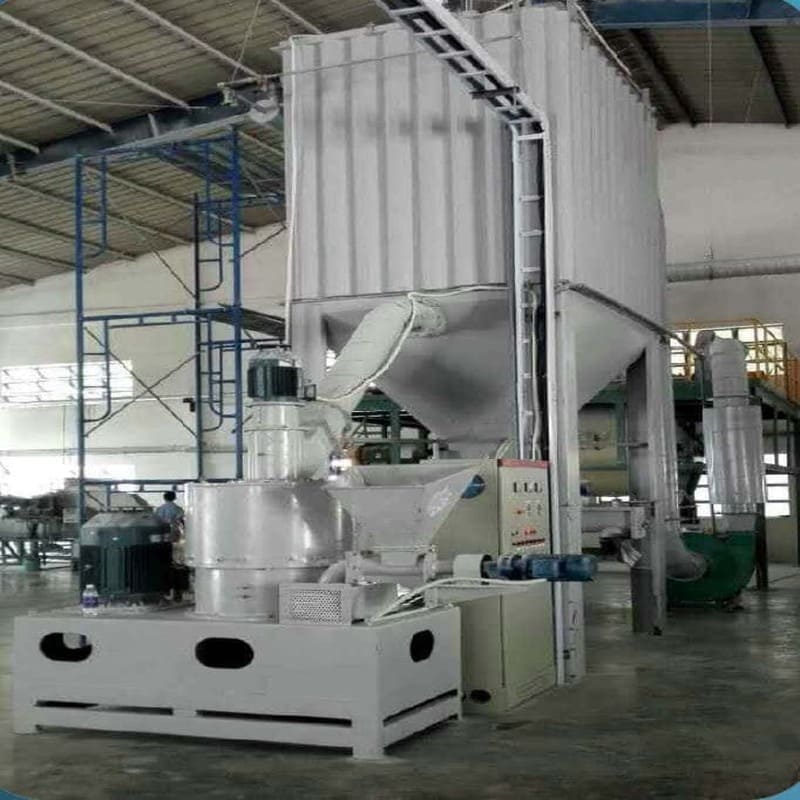
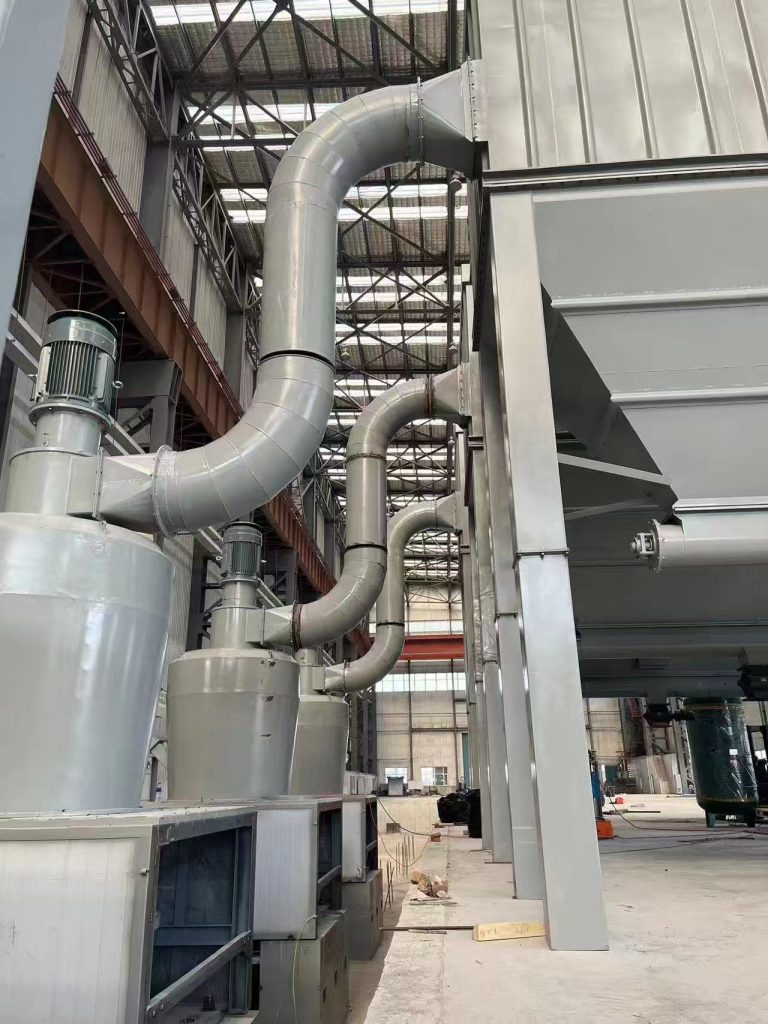
Powered by an electric motor spinning a rotor fitted with pins, turbine blades or impact beaters. Material enters the grinding chamber and is flung outward by centrifugal force. Particles collide with fixed stator liners, plus shear and friction between rotor and stator gaps. Many modern impact mills include built-in classification wheels to control particle size. All grinding force originates from mechanical contact between the rotor assembly and feedstock. Continuous high-speed rotation inevitably generates friction heat.
Achievable Particle Fineness & Particle Distribution
Jet Mill
Typical finished D50 range: 1 μm up to 20 μm. Capable of true ultrafine micronization, and delivers an extremely narrow particle size distribution. This makes jet mills the standard choice when consistent ultra-fine powder quality is mandatory.
Impact Mill
Typical finished D50 range: 10 μm up to 150 μm. It performs well for medium-fine powder, but cannot easily reach the sub-10 μm ultrafine range achieved by jet mills. Particle distribution is controllable with a built-in classifier, yet it is usually broader than powder produced by a jet mill under identical feed conditions.
Heat Generation & Suitability for Heat-Sensitive Materials
Jet Mill
Near-ideal for heat-sensitive materials. The adiabatic expansion of compressed gas naturally lowers chamber temperature. Minimal frictional heat is created because there are no moving mechanical grinding components touching the material. Commonly selected for herbal extracts, certain polymer powders, pharmaceutical APIs and low-melting-point raw materials that degrade under elevated temperatures.
Impact Mill
High-speed rotor operation creates persistent friction heat inside the grinding zone. Without auxiliary water-jacket cooling, material temperature rises noticeably during continuous operation. It can process moderately heat-resistant materials, but untreated standard impact mills are risky for easily degraded, low-melting feedstock.
Contamination Risk
Jet Mill
Very low contamination risk. No metal-on-material impact from rotating hammers or pins. If lined with ceramic or polymer materials, metal impurity levels stay extremely low. This is a critical advantage for lithium battery materials, high-purity pigments, electronic raw materials and pharmaceutical products where trace metal pollution ruins finished quality.
Impact Mill
Rotor pins, impact blocks and liners wear gradually during grinding. Fine wear debris can mix into powder. When processing abrasive minerals, regular replacement of wear parts becomes necessary to control contamination. Food-grade and pharmaceutical impact mills require expensive stainless steel or ceramic lining to reduce impurity risks.
Energy Consumption & Operating Costs
Jet Mill
High ongoing operating expense. It requires large air compressors to supply high-pressure gas. Compressed air consumption dominates electricity bills. Initial equipment investment is also high. For high-value small-batch ultrafine powder, the cost premium is justified. It becomes uneconomical for large-volume medium-fine grinding.
Impact Mill
Far lower energy consumption for medium-fine powder production. No supporting air compressor system is required. Initial purchase price and routine running costs are significantly more affordable. For mass production of powder above 15 μm, impact mills deliver much better cost per ton output.
Suitable Raw Materials
Jet Mill Best Applications
- High-purity ultrafine inorganic minerals
- Lithium battery cathode and anode materials
- Pharmaceutical APIs, herbal extracts
- Heat-sensitive food and specialty spice ingredients
- High-grade pigments, advanced ceramics
- Explosive or oxidizable materials operable under inert gas protection
Impact Mill Best Applications
- Medium-fine calcium carbonate, talc, barite and other non-metallic fillers
- Regular spice and dry herb grinding
- General chemical fillers, coatings raw materials
- Rigid plastic scraps, recycled mineral waste
- Continuous medium-fine grinding for large-volume production
Materials Not Ideal for Either Machine
- Ultra-high hardness ores (Mohs > 4): Rapid wear on impact mill liners; jet mills still work but consume massive volumes of compressed air.
- Highly sticky, oily raw materials: Risk of caking and chamber buildup in both systems.
- Large oversized chunks: Pre-crushing is required before feeding into both mills.
Key Advantages & Limitations Side-by-Side
Jet Mill
✅ Advantages
- Ultrafine grinding capability below 10 microns
- Natural low-temperature grinding for heat-sensitive materials
- Minimal contamination risk
- No wear components that directly strike raw materials
❌ Limitations
- High energy consumption and operational costs
- Lower maximum throughput for bulk production
- Dependent on stable high-pressure compressed air supply
Impact Mill
✅ Advantages
- Lower investment and electricity cost for medium-fine powder
- Higher continuous throughput for large-volume processing
- Compact layout, simple installation and maintenance
- Flexible adjustment between medium and fine grinding
❌ Limitations
- Not suitable for sub-10 μm ultrafine requirements
- Heat buildup during operation
- Wear parts require periodic replacement; higher contamination risk
Common Misconceptions Cleared Up
Q: Can an impact mill achieve the same ultrafine powder as a jet mill?
A: Modern air classifier impact mills can reach around 10 μm D50 under optimized settings, but stable sub-5 μm output remains difficult. If your target is consistent ultrafine powder, jet milling is the proven technology.
Q: Is a pin mill a jet mill?
A: No. Pin mills belong to the mechanical impact mill family, relying on rotating pins for impact grinding. They have the same heat and wear limitations as standard impact mills.
Q: Can jet mills process fibrous materials?
A: Fibrous materials are challenging for jet mills. Most fibres do not fracture cleanly via particle collision; impact mills with modified rotors are usually the better choice.
Quick Selection Guide
Choose a Jet Mill if:
- Target particle size below 10 μm
- Processing heat-sensitive, high-purity or battery/pharma materials
- Strict limits on metal contamination
- Small to medium batches of high-value powder
Choose an Impact Mill if:
- Target particle size 15 μm and above
- Large-volume continuous medium-fine mineral or chemical grinding
- You want to avoid high compressed air operating costs
- Working close to power outlets with no requirement for extreme fineness
Frequently Asked Questions
Q: Can jet mills run without compressed air?
A: No. Compressed gas is the core driving force. Without a matched air compressor, a jet mill cannot operate.
Q: Do impact mills and jet mills use the same dust collection system?
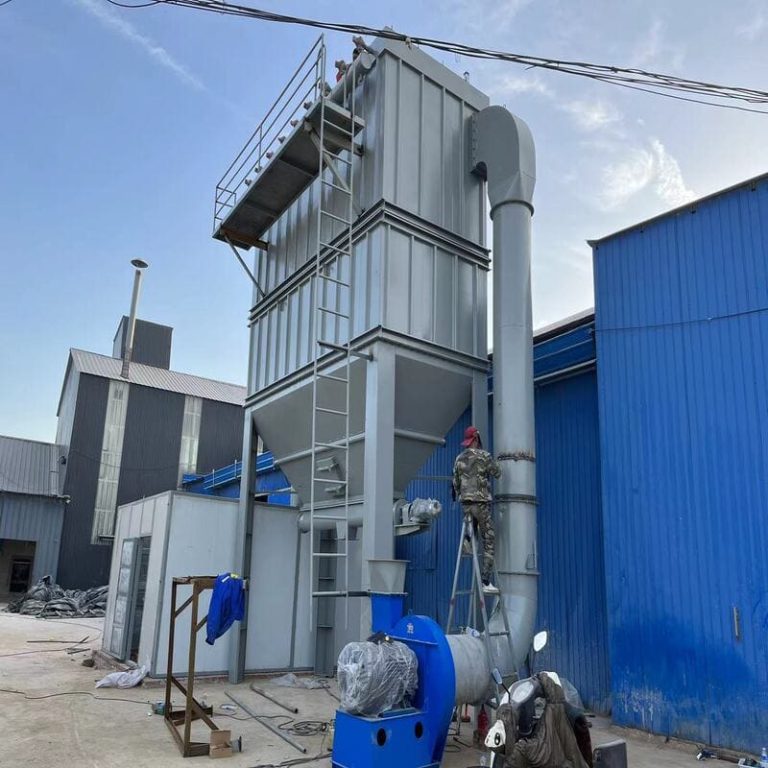
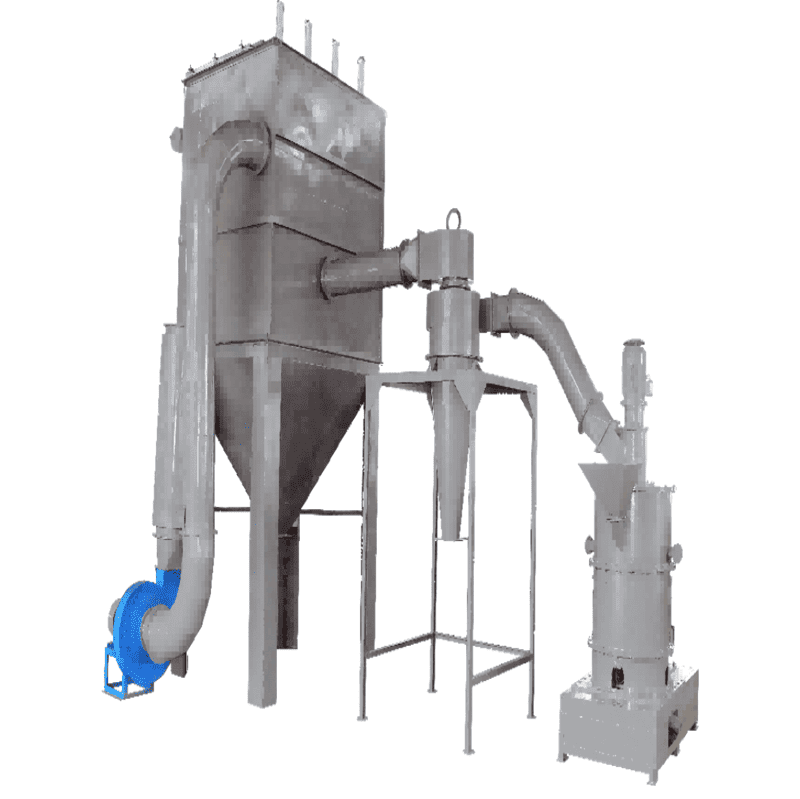
A: The basic cyclone and baghouse principle is similar, but airflow parameters differ significantly. Do not reuse an existing dust system without re-calculating airflow volume.
Q: Which mill requires less maintenance?
A: Jet mills have fewer moving parts inside the grinding chamber. Impact mills need regular inspection and replacement of pins, rotors and liners.
Q: Can I switch between different raw materials easily?
A: Both require thorough cleaning between batches. Jet mills with smooth ceramic liners are generally easier to fully sanitize for food and pharmaceutical production.
Final Verdict
Impact mills employ a high-speed mechanical rotor to strike materials, whereas jet mills use compressed gas for particle self-collision. This is the primary distinction between the two types of mills.
Jet mills are the industry leader in producing ultrafine, low-temperature, high-purity powders suitable for innovative chemicals, medicines, and battery materials.For large-scale medium-fine grinding of minerals, food ingredients, and general fillers, impact mills are an affordable workhorse.
Prior to making a choice, compare your desired particle size, material heat stability, purity requirements, and manufacturing capacity. To balance throughput and ultimate powder quality, many processors combine the two technologies: ultrafine micronization with a jet mill after pre-grinding with an impact mill.
Impact Mill Blog
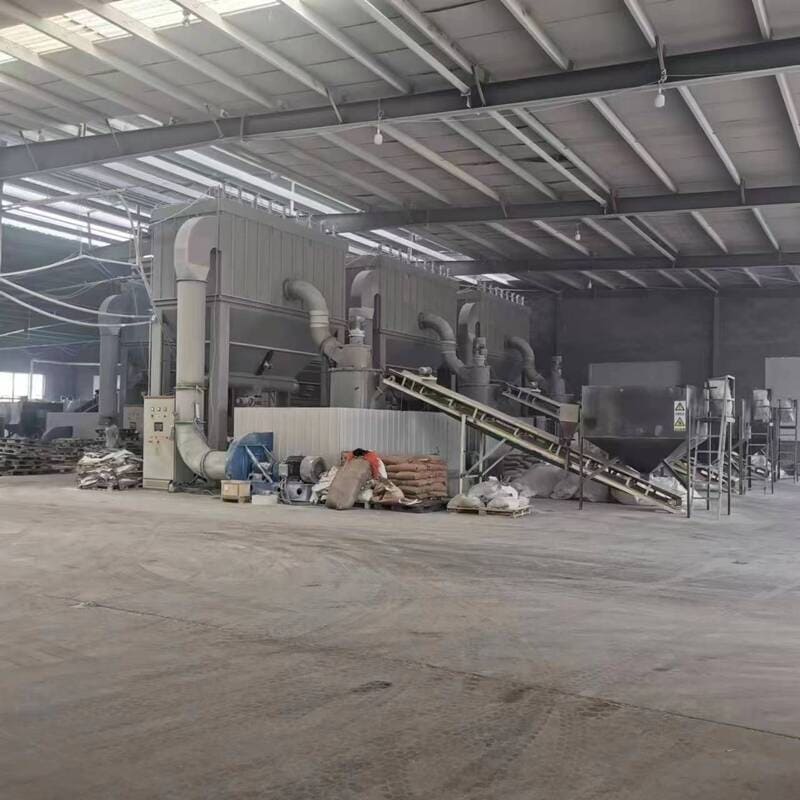
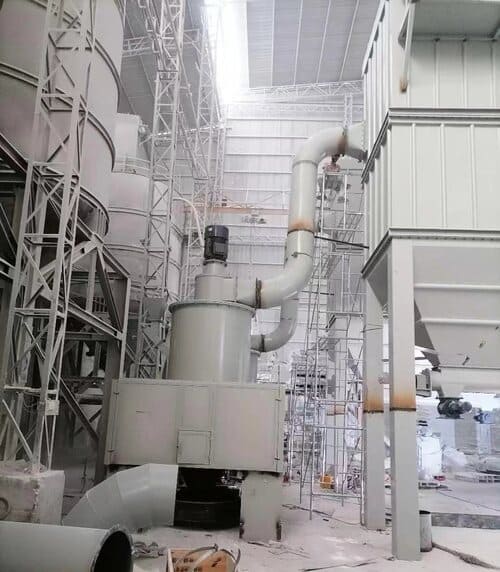
Roller Mills for Sale
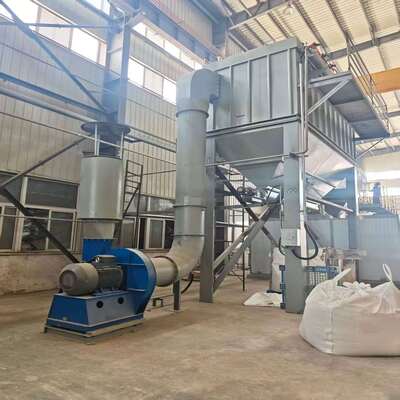
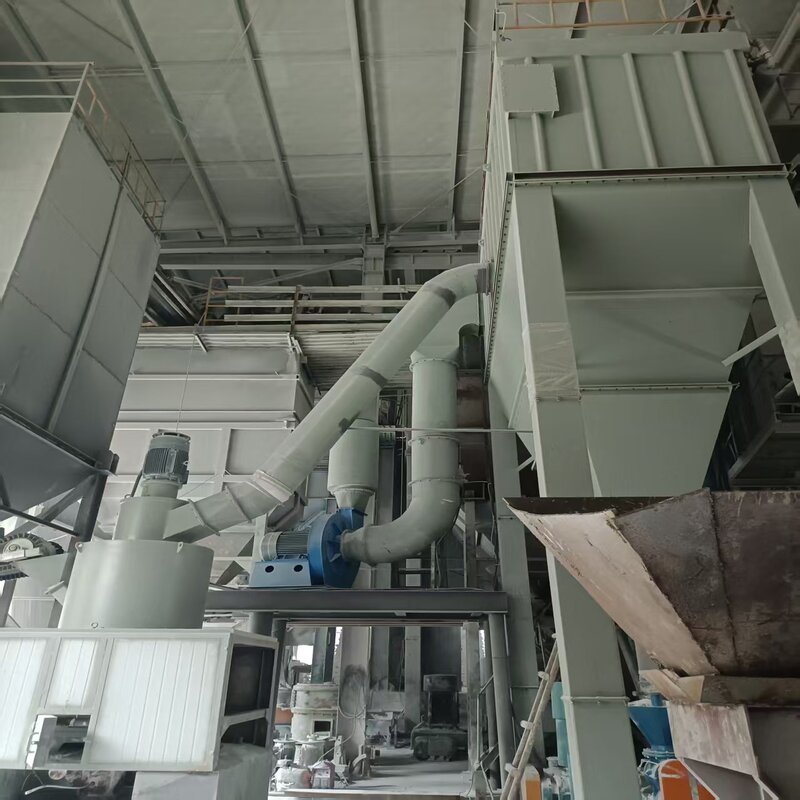
About LKMixer
LKMixer is a professional manufacturer for grinding and mixing production line, grinder, mixer and granulator, shredder. These machines are widely used in food, pharmaceutical, cosmetic, health care products and chemical industries. The materials like Aluminum , Washing Powder , Gypsum. The Food materials like Moringa Leaf, Baobab, seeds, tobacco, salt, cannabis, tea, purple sweet potato, corn, Coffee, rice, pepper, grain as so on. Grinders have many types such as Air cooled crusher , grinding machine cassava which is suitable for cassava, Ultrafine Grinding Mill covers 80-200mesh, and also Winnowing Dust Grinder or other grinding machines like SF Hammer. Welcome to contact us for details. Contact us for more information. Proposal, catalog, quotation.
Recommend Reading
You may also interest in other topics:
rotary hammer , 400V GB/T connectors , round labeling machine