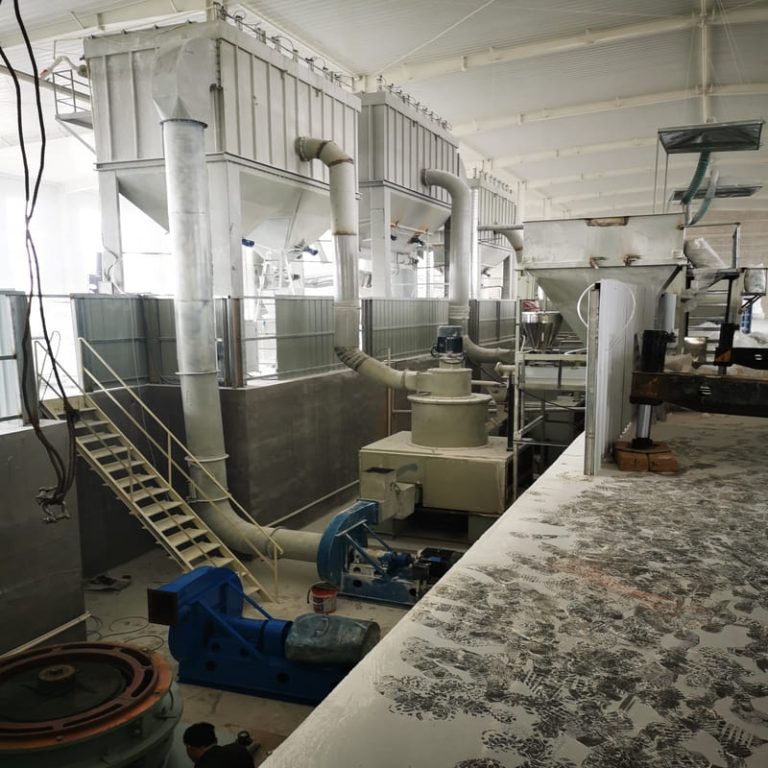
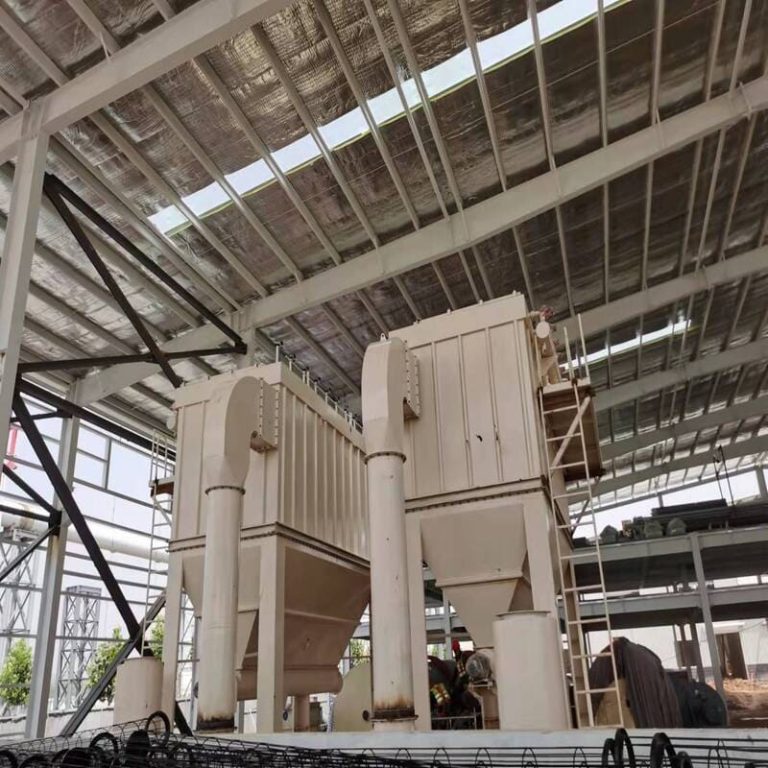
Impact Mill Particle Size Range
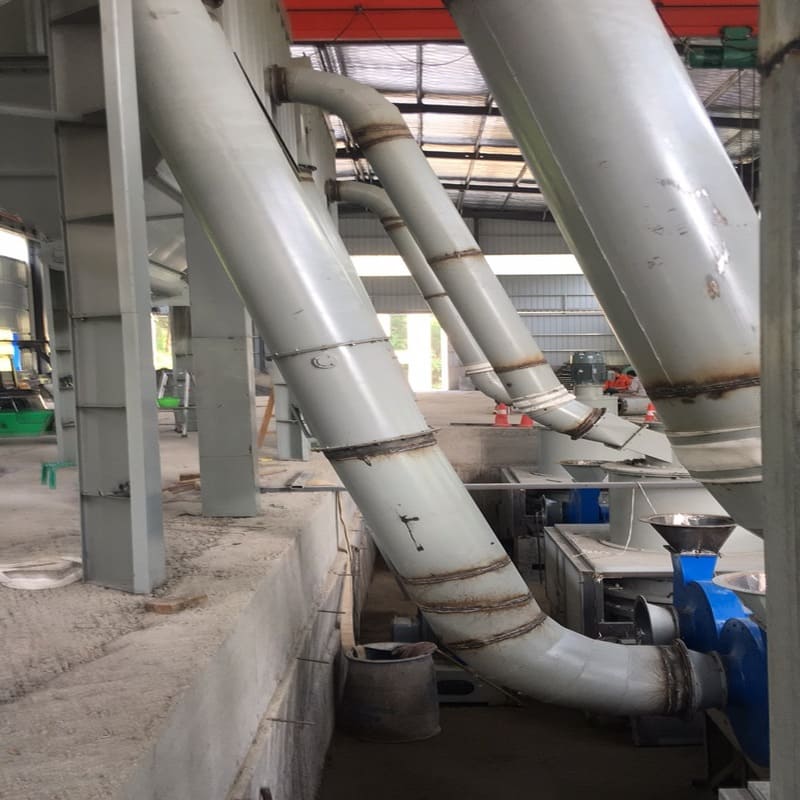
Impact Mill Particle Size Range
Impact Mill Particle Size Range. Knowing the range of particle sizes that an impact mill can produce is crucial when constructing a powder processing line or comparing grinding equipment. Many consumers choose the incorrect machine based only on manufacturer marketing descriptions, either failing to achieve the desired level of fineness or overspending on superfluous ultrafine capability.
An impact mill’s possible particle size is largely dependent on its setup; simple screen-type impact mills are very different from air classifier impact mills, and rotor style (pin, turbo, or hammer) also affects performance limits. A clear image of normal output ranges and important constraints is provided by data gathered from independent powder testing, contractor operational experience, and highly regarded technical guidelines.
First: Understand How Particle Size Is Measured
Powder processors almost always reference D97, meaning 97% of particles are smaller than the stated micron value. You will also see D50 (median particle size) used for quality control. Do not confuse mesh size with micron values. Mesh describes sieve openings, while micron directly measures particle diameter. High rotor speed alone cannot guarantee fine powder; classification design is the decisive factor.
Typical Particle Size Ranges by Impact Mill Type
1. Basic Screen-Type Impact Mill
Simple units without internal air classification, controlling particle size by perforated screens. Usual finished range: D97 80 μm ~ 500 μm Best for: Medium-coarse grinding, pre-crushing minerals, grain, biomass, rigid plastic scraps. Limitations: Fineness is locked by screen hole size. Attempting ultra-fine output causes frequent screen clogging, low throughput and broad particle distribution. Not suitable for applications requiring consistent fine powder.
2. Pin Mill (Pin-Type Impact Mill)
Equipped with concentric rotating and stationary pin rows, widely used for fine grinding of brittle materials. Usual finished range: D97 10 μm ~ 150 μm Strengths: Can reach relatively fine powder with narrow distribution. Shorter residence time reduces over-grinding risk for spices, pigments and some heat-sensitive materials. Note: Maximum fineness still cannot match jet mills for sub-10 μm mass production.
3. Turbo / Beater Impact Mill
Fitted with turbine-shaped or curved beating rotors to strengthen internal airflow circulation. Usual finished range: D97 20 μm ~ 200 μm Best for: Slightly fibrous raw materials, agglomerated powders and materials that tend to stick to chamber walls. Balances medium fineness and processing capacity.
4. Air Classifier Impact Mill (ACM)
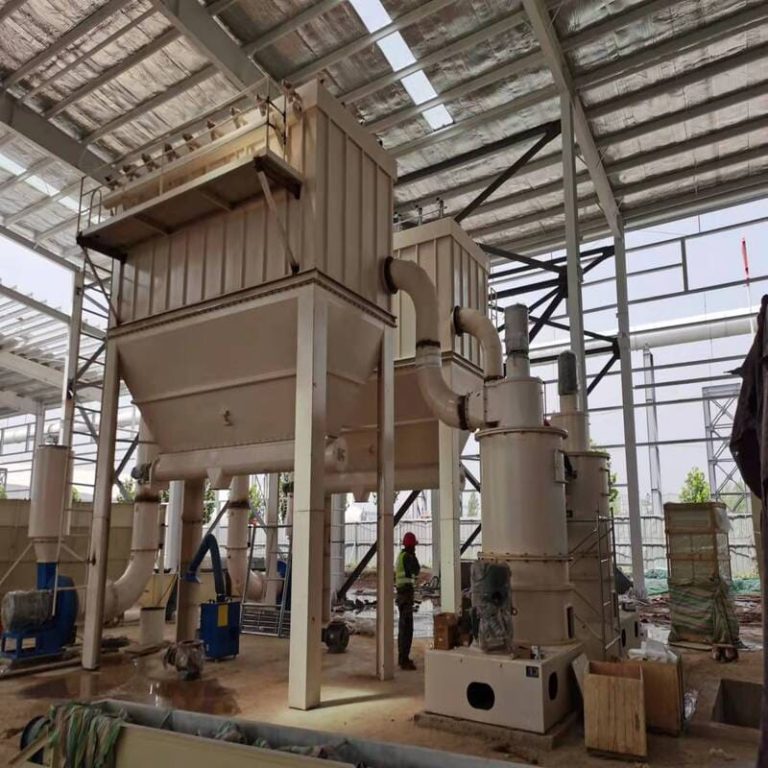
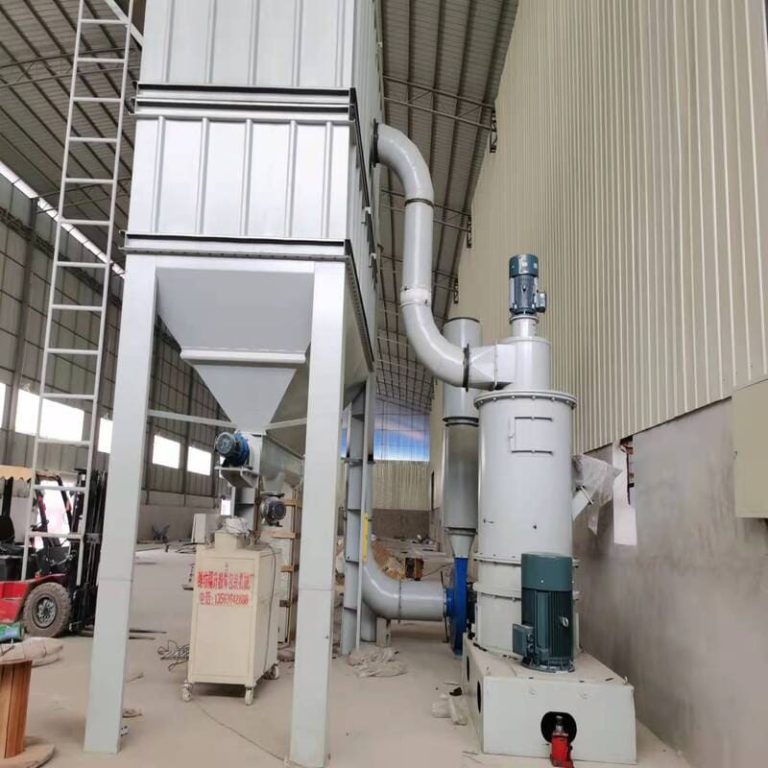
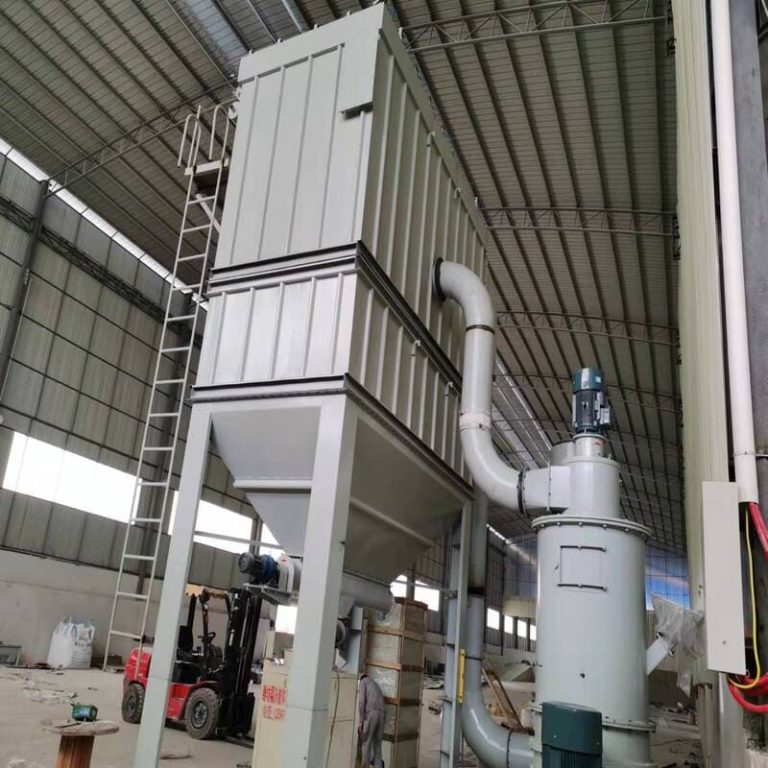
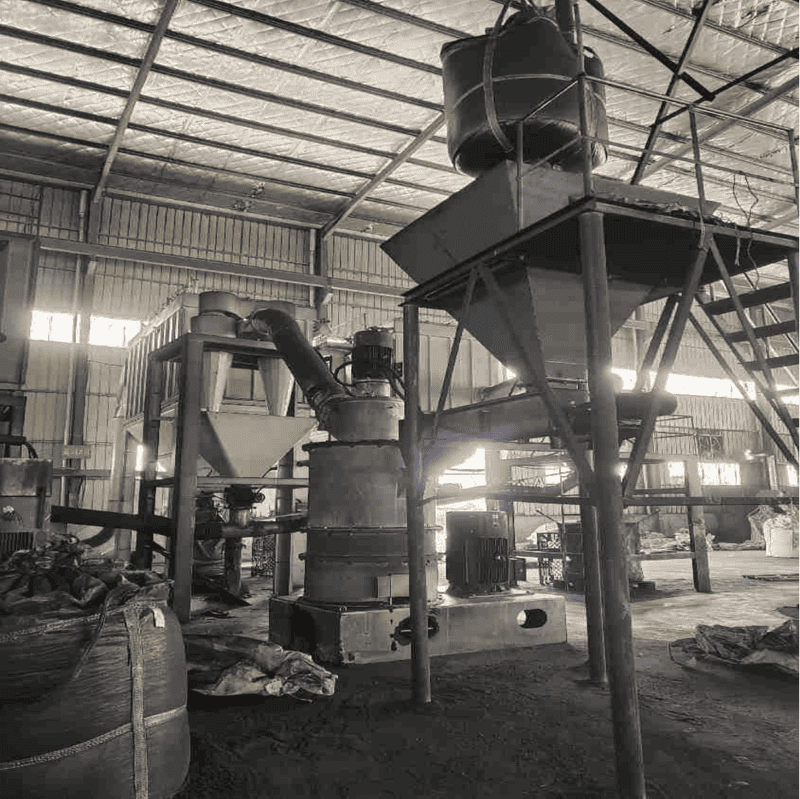
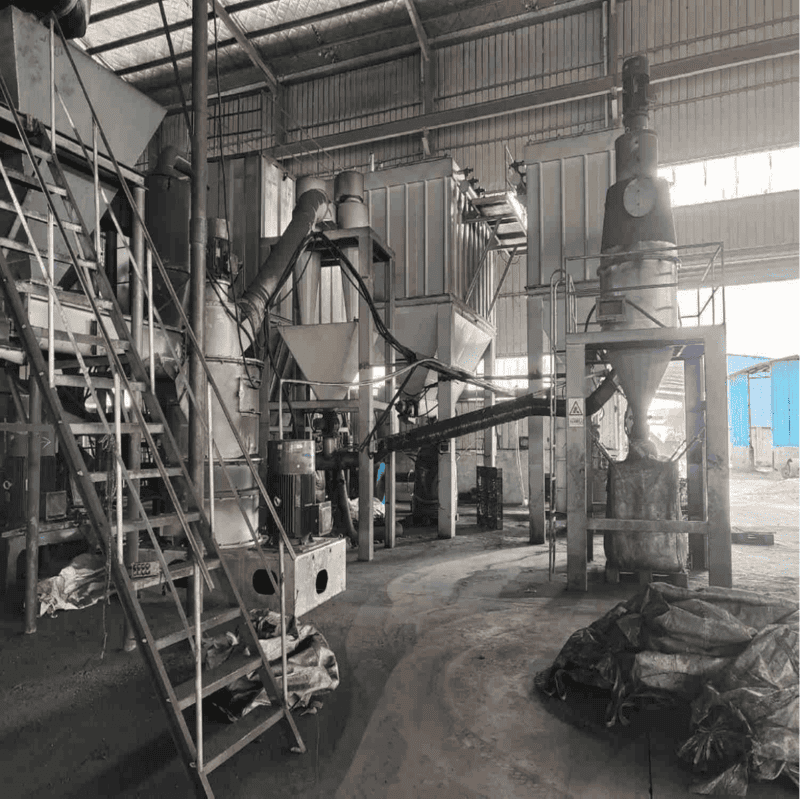
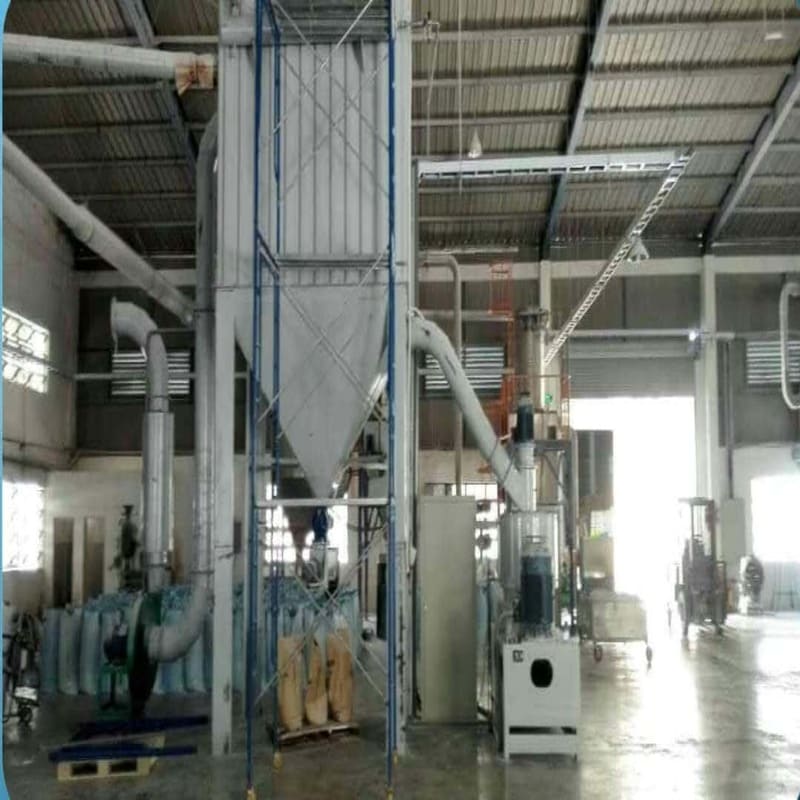
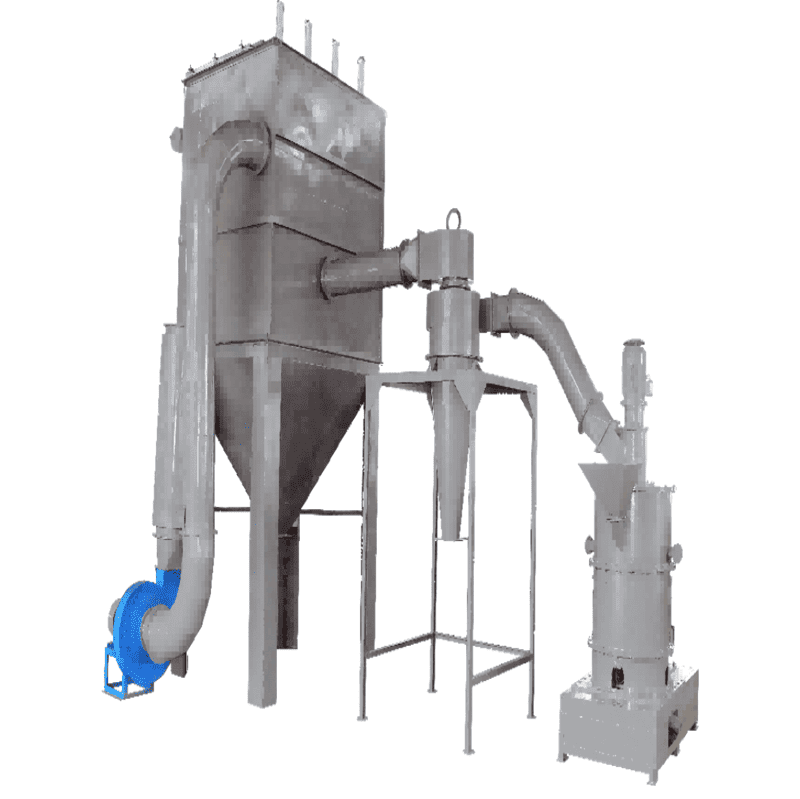
The most versatile mainstream design, integrating built-in dynamic air classification. This is the most common model used for mineral fillers, chemicals and food powder production. Usual finished range: D97 5 μm ~ 150 μm Operators adjust rotor speed and classifier wheel frequency to continuously tune fineness without stopping production to swap screens. Many production lines target D97 10–45 μm for calcium carbonate, talc, barite and coating raw materials.
Upper and Lower Fineness Limits You Should Know
Minimum Practical Fineness
Under standard dry grinding conditions, most air classifier impact mills stably reach D97 = 5–8 μm. Consistent mass production below 5 μm becomes challenging. For reliable submicron or ultra-fine powder below 3 μm, jet mills remain the standard solution.
Maximum Practical Coarseness
Impact mills are not designed for coarse crushing above roughly 500 μm. Large feed lumps need primary crushing before feeding. If your target output is consistently above 500 μm, a hammer mill will deliver higher throughput at lower operating cost.
Key Factors That Shift Particle Size Results
1. Rotor Speed (Tip Speed)
Higher peripheral speed creates stronger impact force and pushes output finer. However, excessive speed generates extra heat and accelerates wear parts consumption.
2. Classifier Wheel Speed (Only for ACM models)
Raising classifier speed cuts off coarse particles and produces finer powder. Lower speed allows larger particles to pass through for coarser output. This is the primary adjustment lever for finished fineness.
3. Airflow Volume
Airflow carries qualified powder out of the grinding zone. Insufficient airflow leads to over-grinding and uneven particle distribution. Too much airflow carries excessive coarse material into finished product.
4. Feed Rate
Overfeeding results in incomplete grinding and coarser output. Too low feed raises energy consumption and may cause over-grinding. Stable feeding is required to maintain consistent particle size.
5. Raw Material Properties
- Harder materials require higher rotor speed to reach the same fineness.
- Heat-sensitive materials cannot run at maximum speed due to thermal buildup, limiting achievable fineness.
- Fibrous materials are harder to pulverize into fine powder and often produce wider particle distribution.
Impact Mill Particle Size Comparison With Other Common Mills
- Impact Mill: D97 5 μm ~ 500 μm (varies by classifier configuration)
- Hammer Mill: D97 100 μm ~ 1000 μm; difficult to achieve stable fine powder
- Jet Mill: D97 0.5 μm ~ 30 μm; dominates ultra-fine low-contamination requirements
- Roller Mill: Granular output, generally above 100 μm for consistent particle shape
Common Misconceptions
Q: Can every impact mill produce powder below 10 μm?
A: Only air classifier impact mills can reliably reach this range. Basic screen-type impact mills cannot achieve such fineness, no matter how much you increase rotor speed.
Q: Higher rotor speed always means finer powder?
A: Only within a reasonable range. Once particles reach the grind limit, extra speed just creates more heat and vibration without obvious fineness improvement.
Q: Will particle distribution be narrow automatically?
A: No. Mills without internal classifiers produce broad particle spans. Air classifier models deliver much tighter particle distribution, which is critical for plastics fillers, pigments and coating raw materials.
Quick Reference Guide by Target Fineness
- D97 > 200 μm, pre-crushing and biomass processing: Screen-type impact mill or hammer mill
- D97 50 ~ 150 μm, regular mineral and food powder: Turbo or pin impact mill
- D97 10 ~ 50 μm, medium-fine fillers, spice powder: Medium-speed air classifier impact mill
- D97 5 ~ 15 μm, consistent fine powder production: High-spec air classifier impact mill
- D97 below 5 μm, ultra-fine high-purity materials: Jet mill is recommended
Frequently Asked Questions
Q: Can an impact mill achieve the same fineness as a jet mill?
A: Modern high-performance air classifier impact mills can reach around 5 μm D97, but stable submicron powder and ultra-narrow particle distribution are still easier to achieve with jet milling.
Q: Does moisture affect particle size results?
A: Yes. Higher material moisture causes agglomeration. Even if individual particles are fine, agglomerates will be counted as larger particles. Raw material moisture should be controlled below 3%–5%.
Q: Can I change particle size without stopping the machine?
A: Air classifier impact mills support real-time adjustment of classifier speed. Screen-type impact mills require shutdown to swap screens, which interrupts production.
Q: Why do two identical impact mills produce different particle sizes?
A: Uneven feed rate, worn rotor pins or liners, unstable airflow and variations in raw material hardness all lead to inconsistent fineness. Regular equipment maintenance is essential.
Final Summary
The particle size range of an impact mill is mostly determined by its design:
Simple screen impact mills for medium-coarse grinding: D97 80–500 μm
D97 10–200 μm pin and turbo impact mills for processing fine powder
D97 5–150 μm air classifier impact mills are the most adaptable design for medium-fine powder.
Jet milling is a superior option if your target powder is regularly finer than 5 μm. For increased efficiency, think about using a hammer mill for output larger than 500 μm. Always match your required D97 value to the mill configuration, rather than assuming all impact mills deliver identical fineness.
Impact Mill Blog
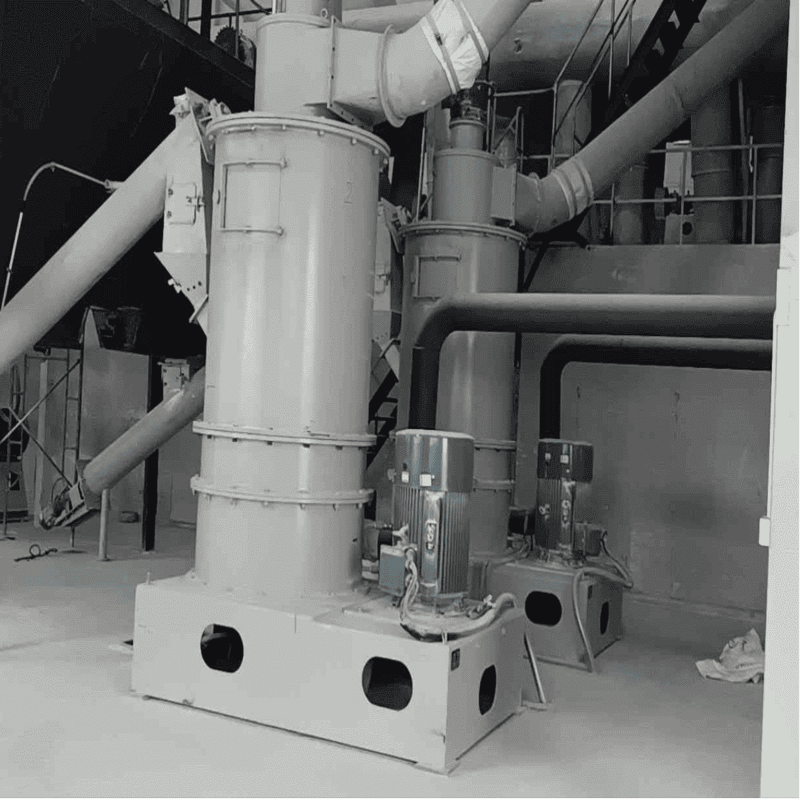
Roller Mills for Sale
About LKMixer
LKMixer is a professional manufacturer for grinding and mixing production line, grinder, mixer and granulator, shredder. These machines are widely used in food, pharmaceutical, cosmetic, health care products and chemical industries. The materials like Rubber , Talc , Putty. The Food materials like Tomato, Egg Shell, seeds, potato, bean, tobacco, salt, cannabis, tea, Protein Powder, corn, Coffee, rice, pepper, grain as so on. Grinders have many types such as Air cooled crusher , grinding machine cassava which is suitable for cassava, Ultrafine Grinding Mill covers 80-200mesh, and also Winnowing Dust Grinder or other grinding machines like SF Hammer. Welcome to contact us for details. Contact us for more information. Proposal, catalog, quotation.
Recommend Reading
You may also interest in other topics:
rotary hammer dust extractor , Floor mounted ev charger , automatic capping machine