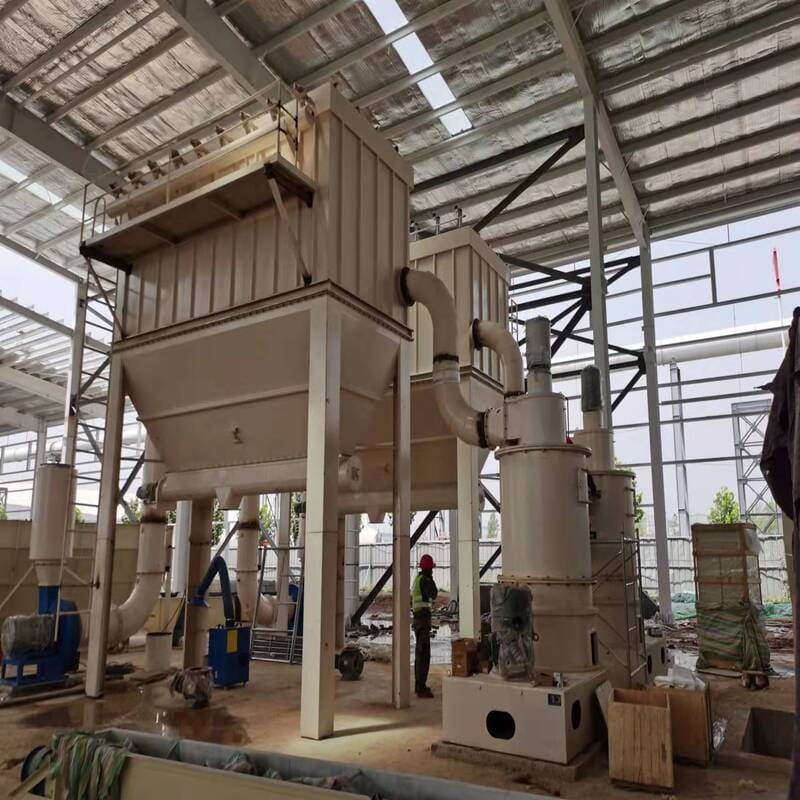
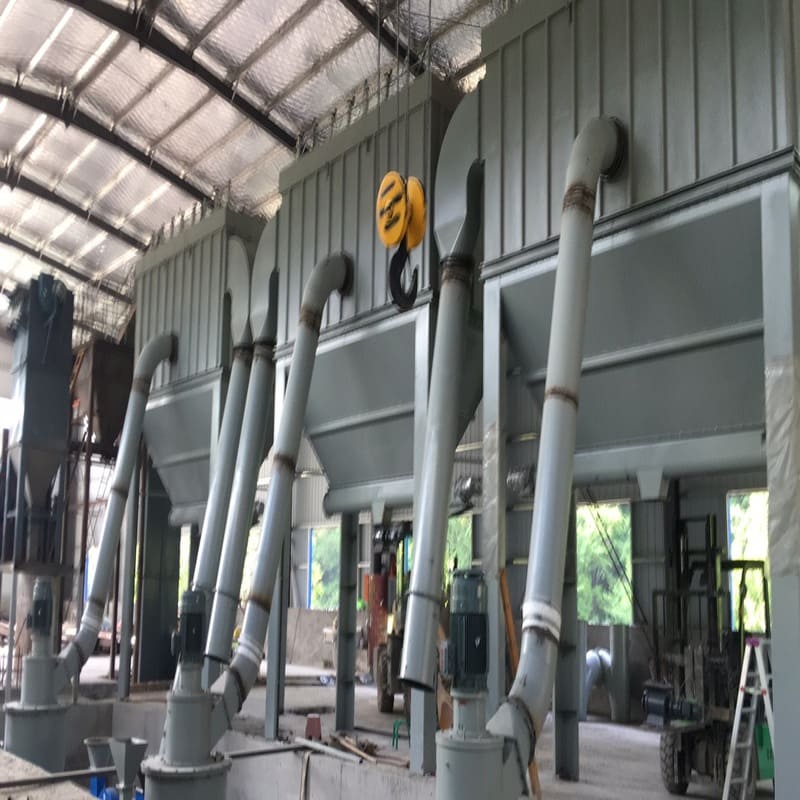
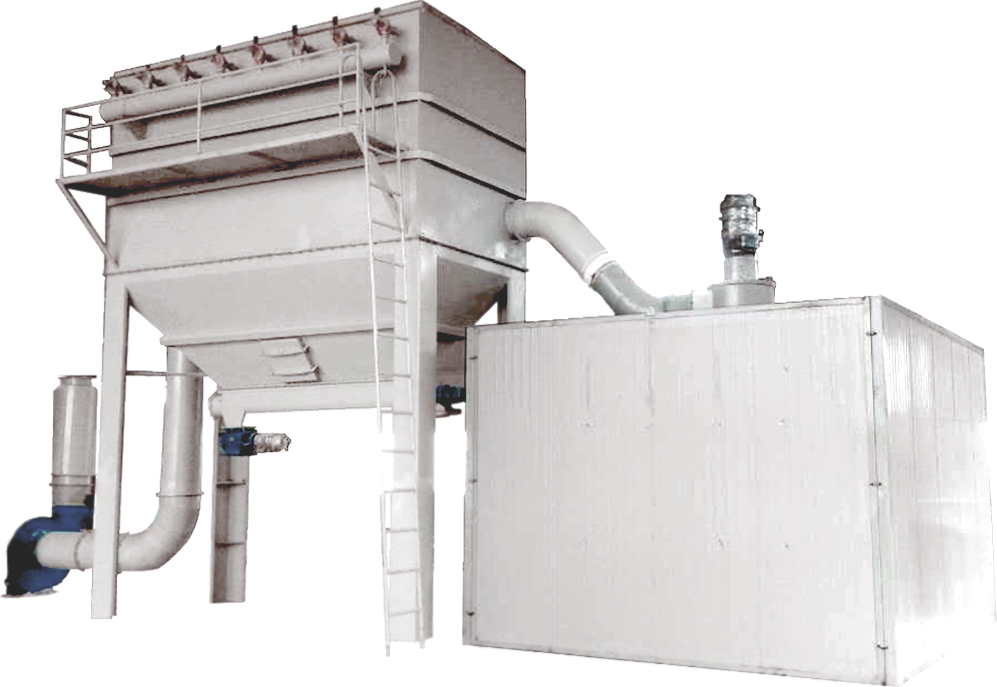
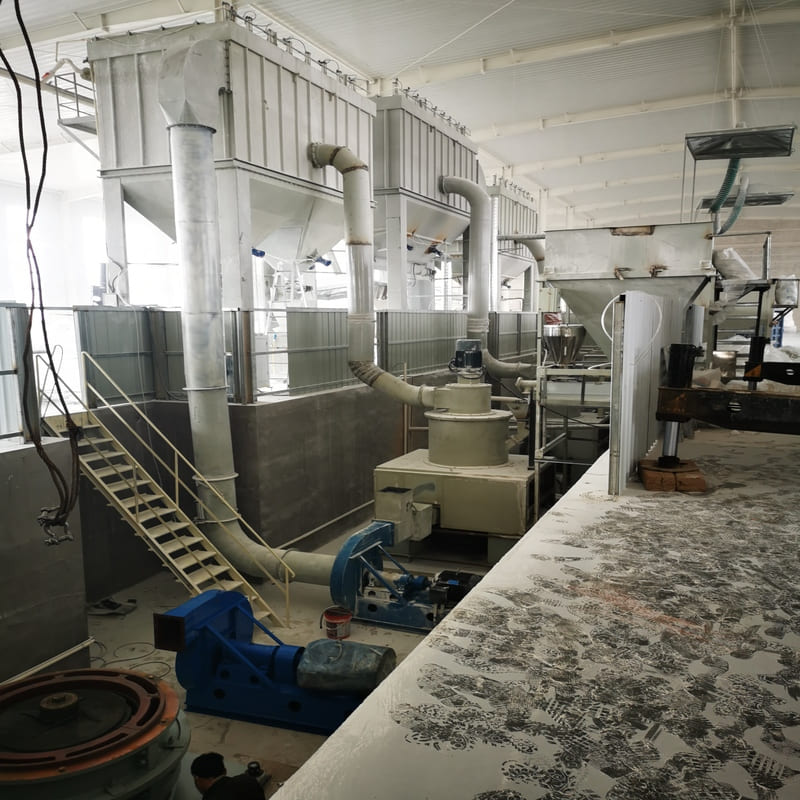
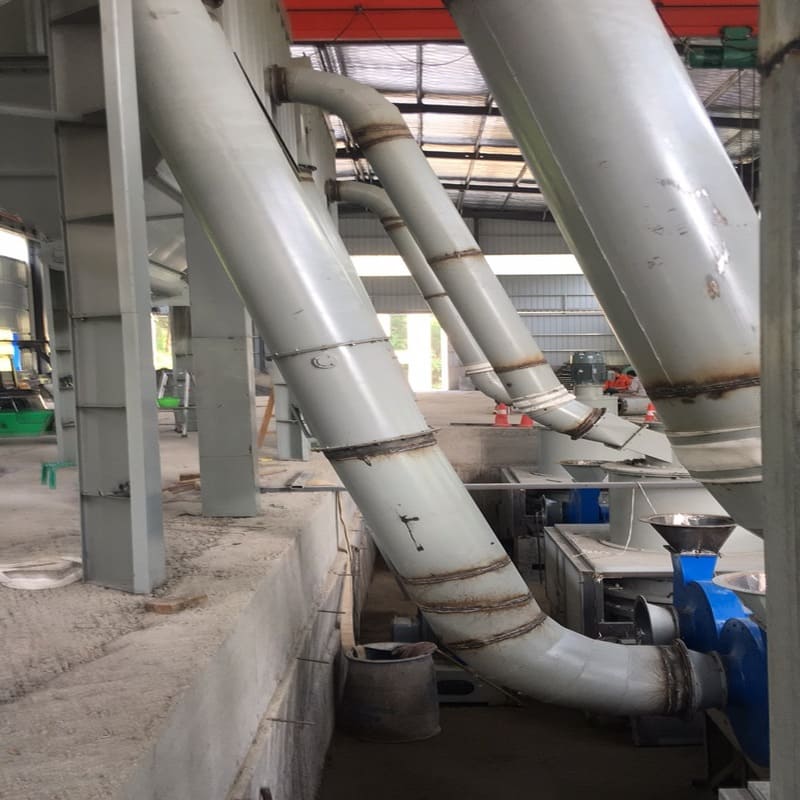
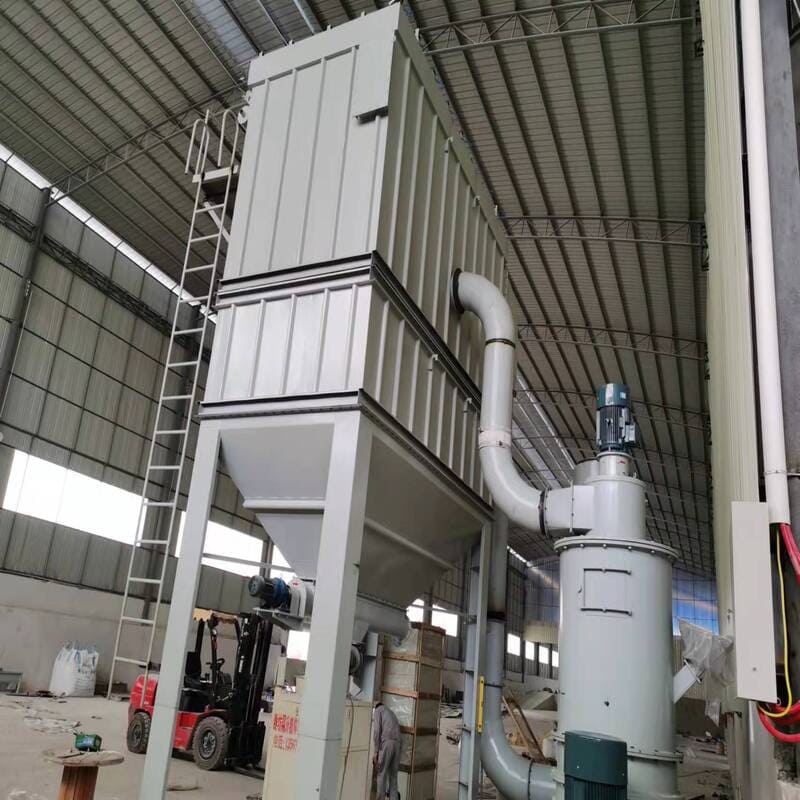
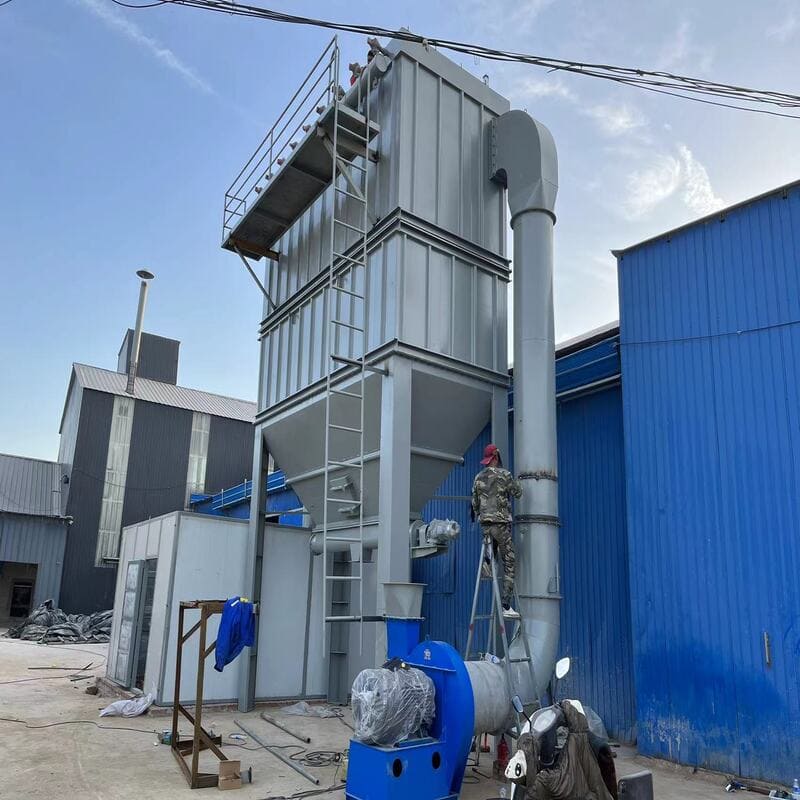
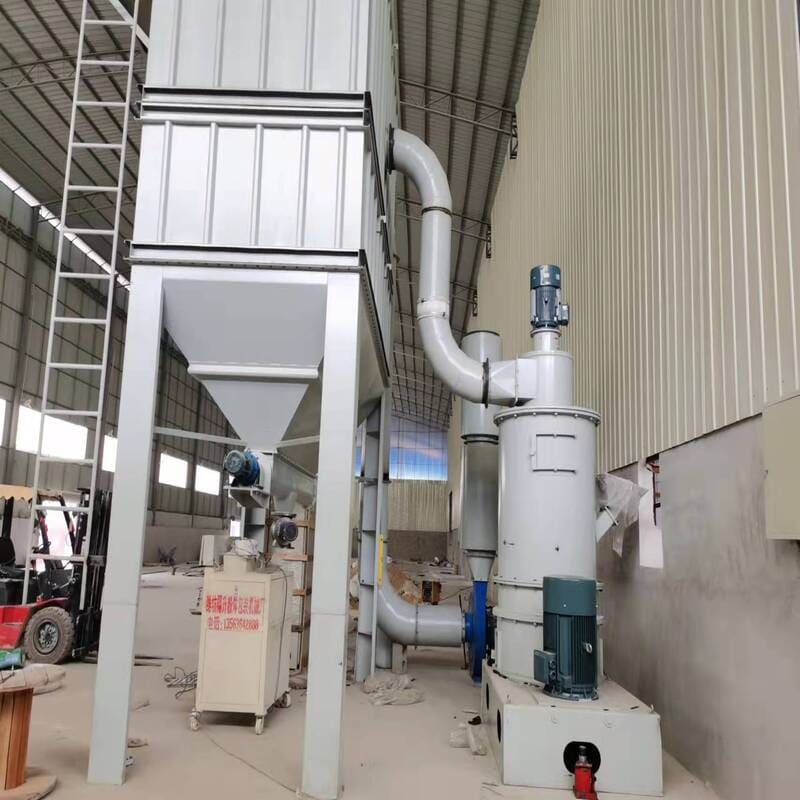
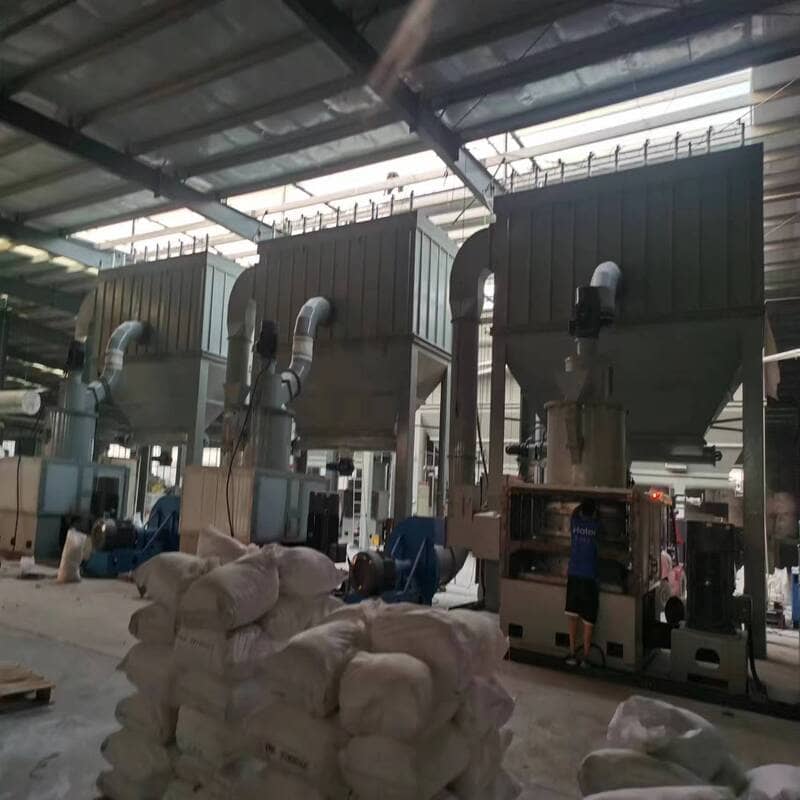
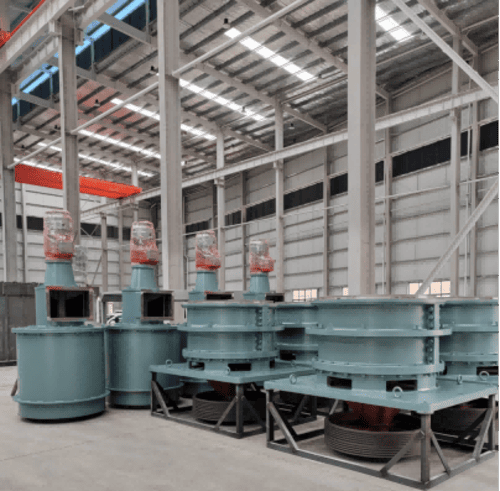
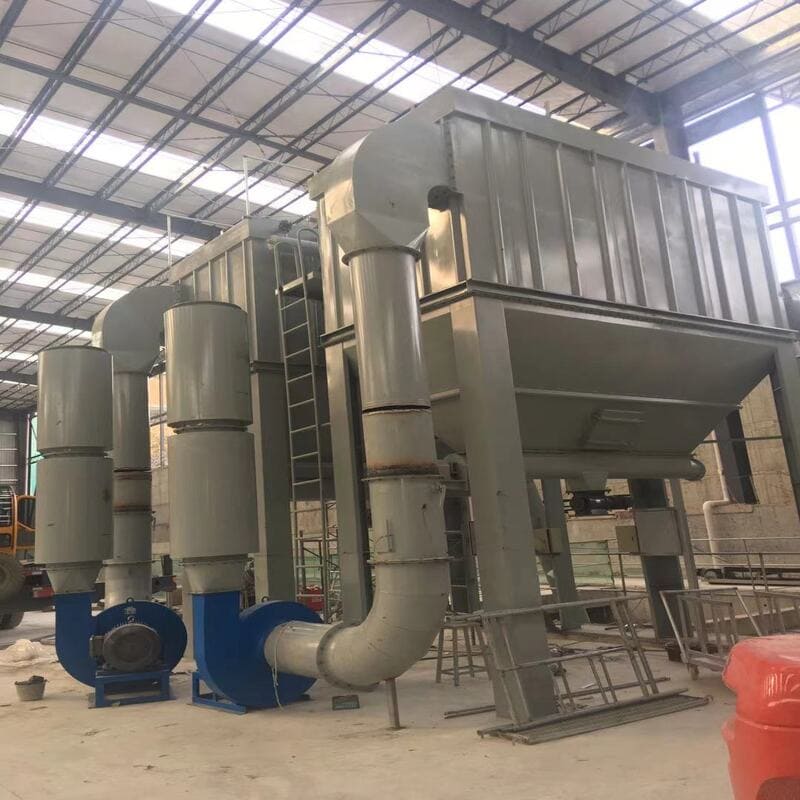
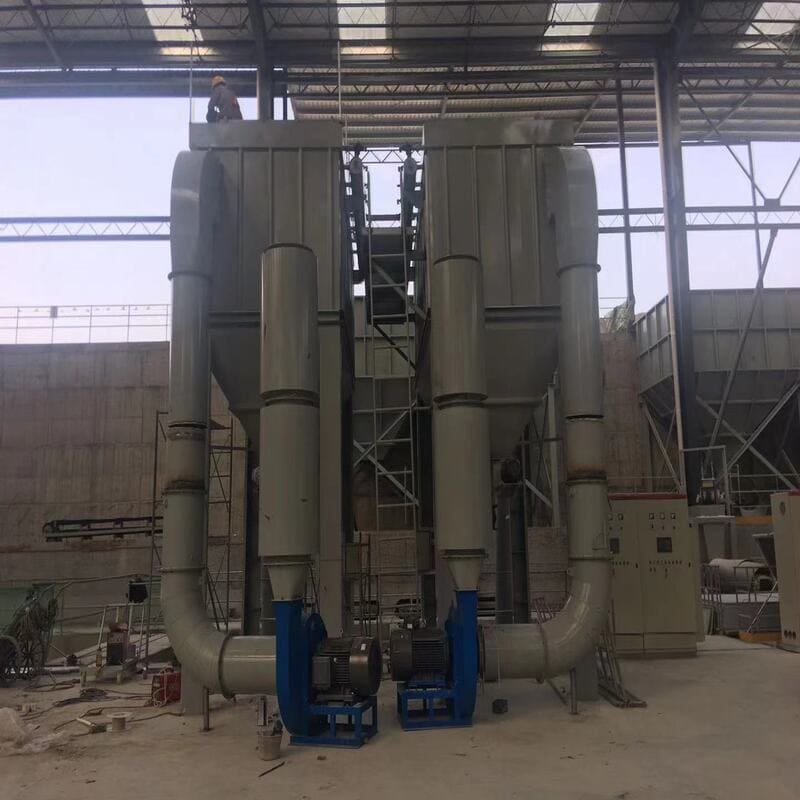
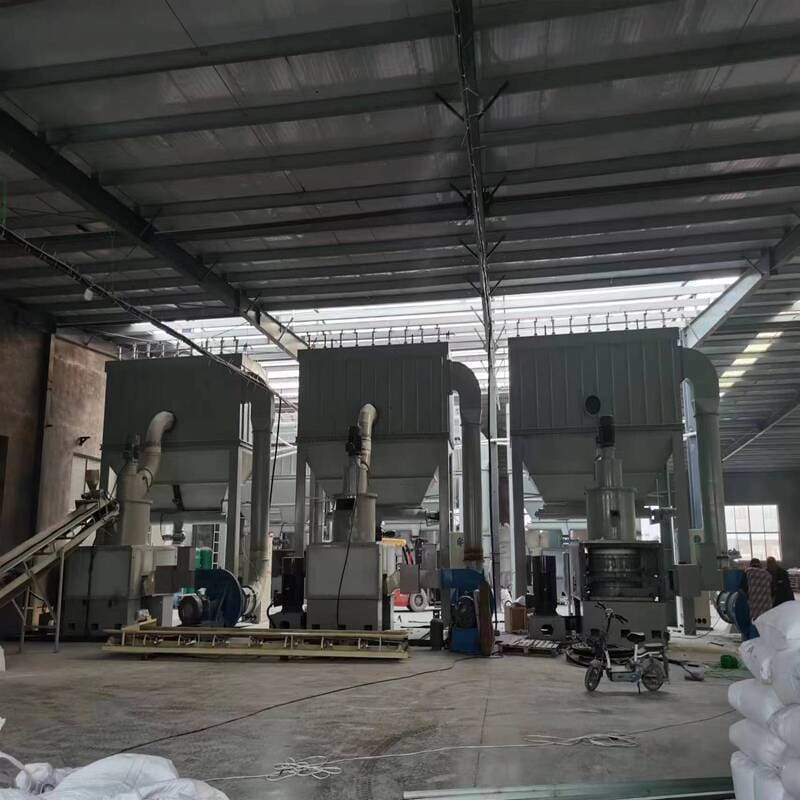
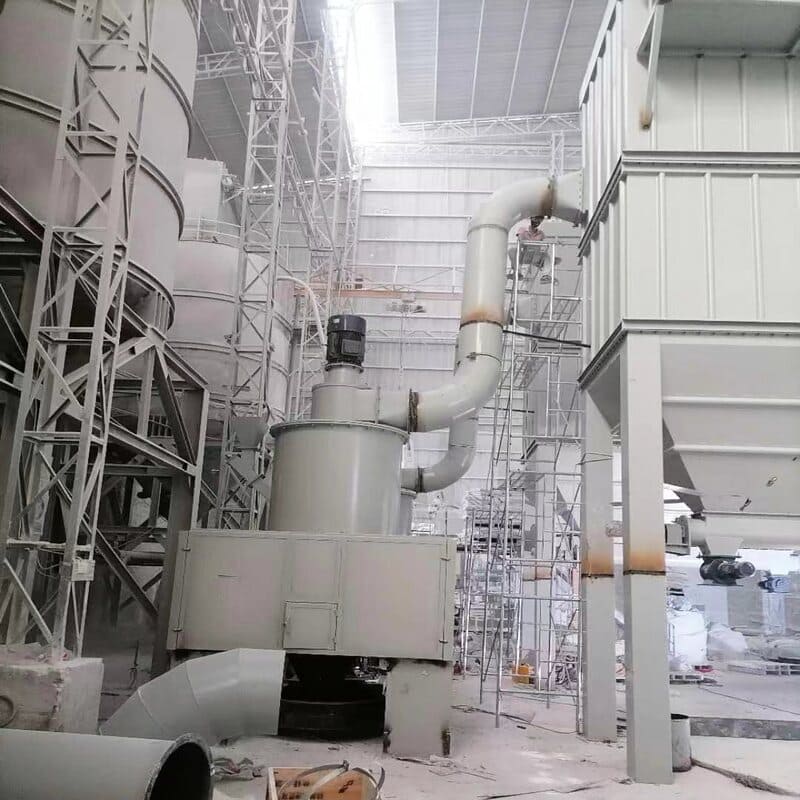
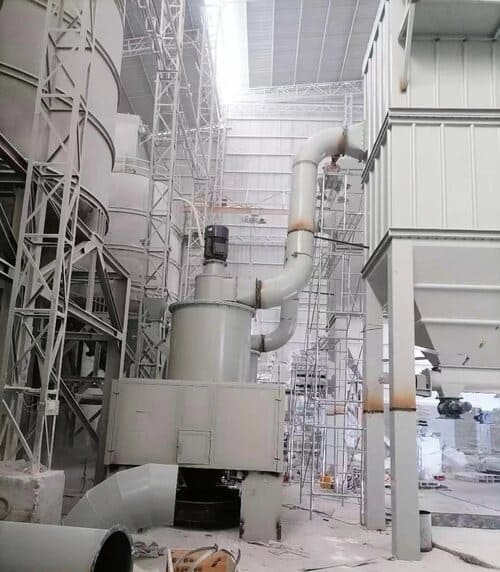
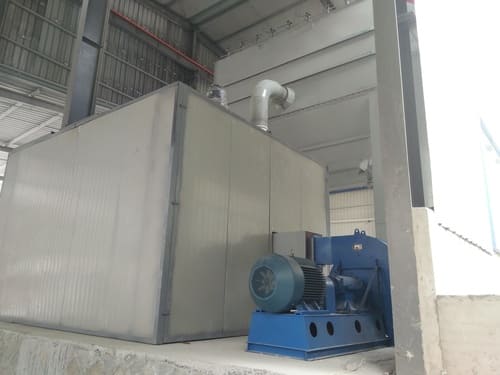
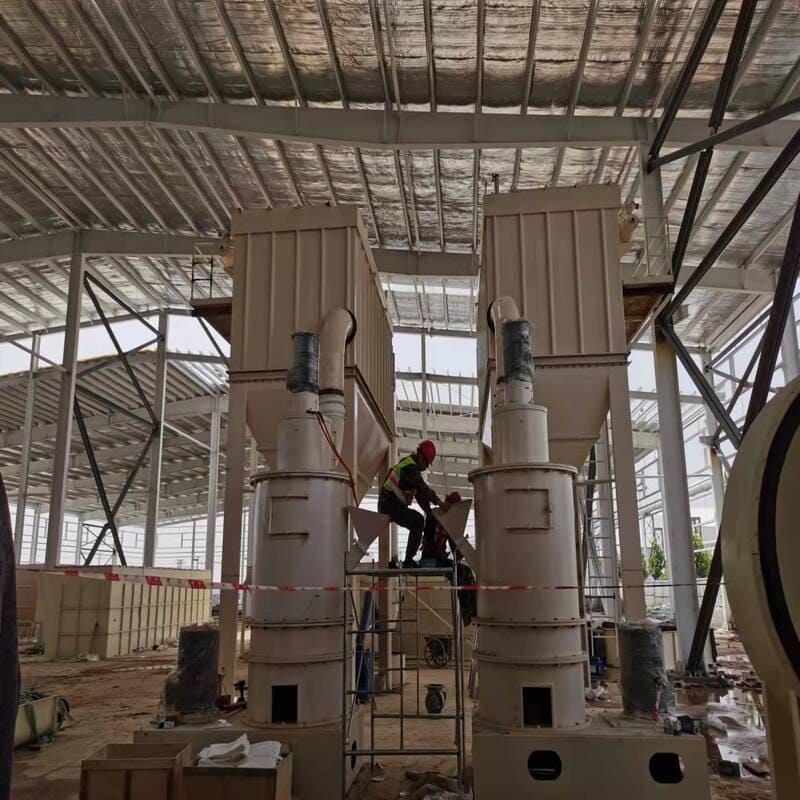
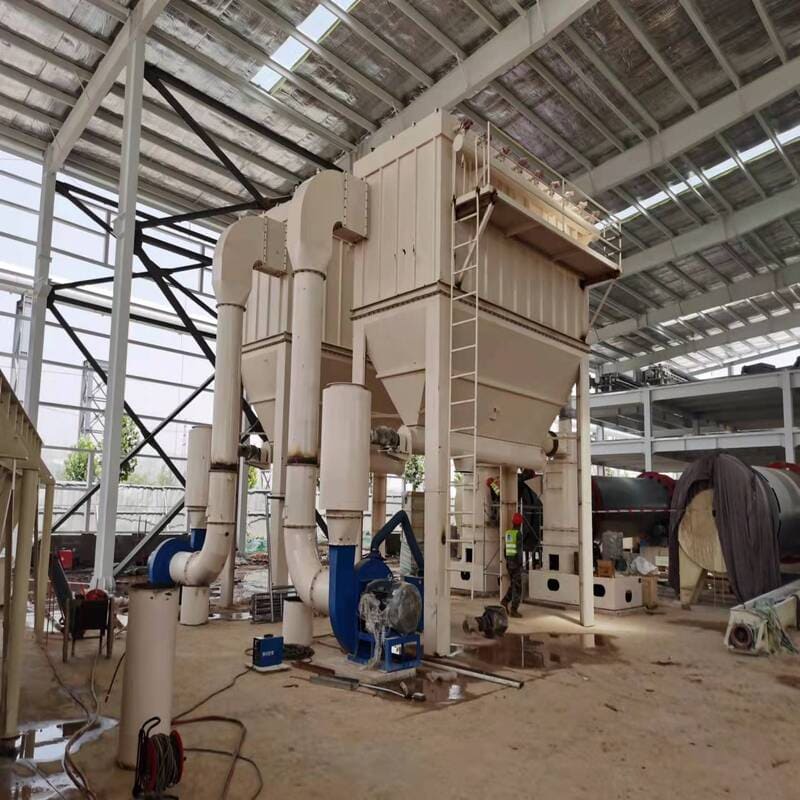
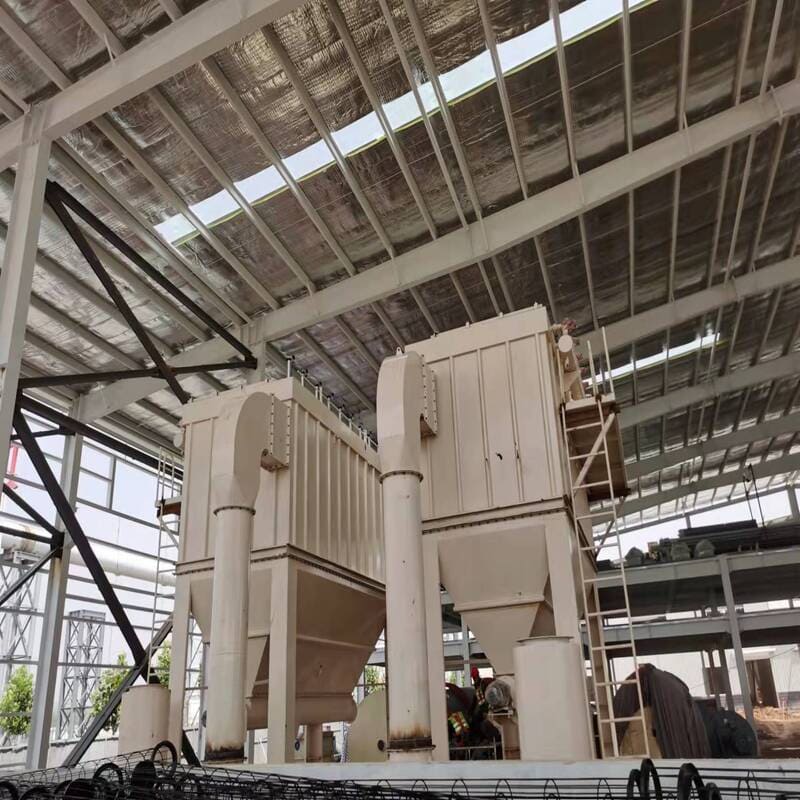
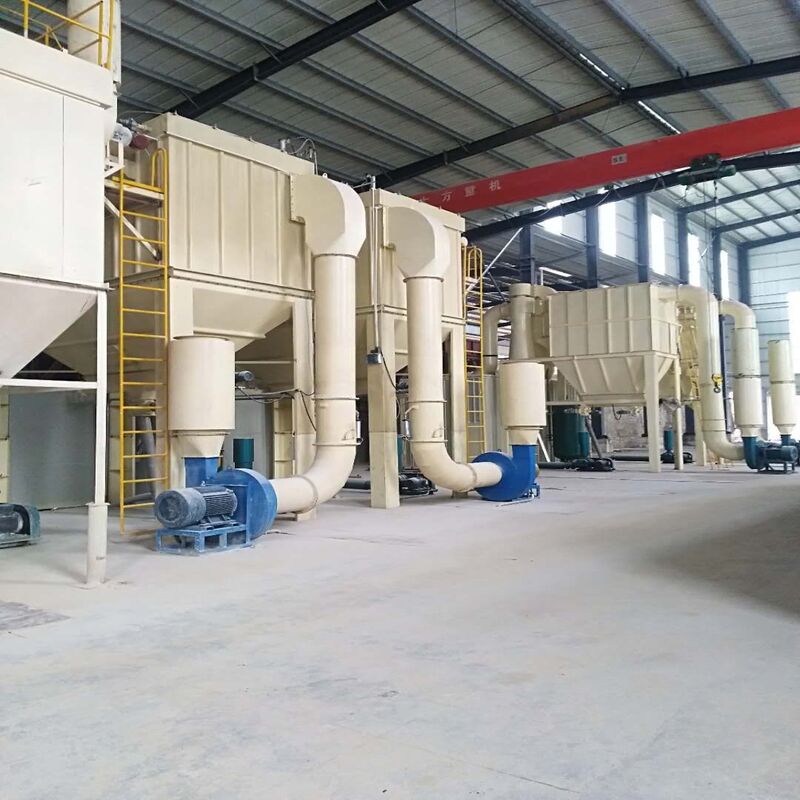
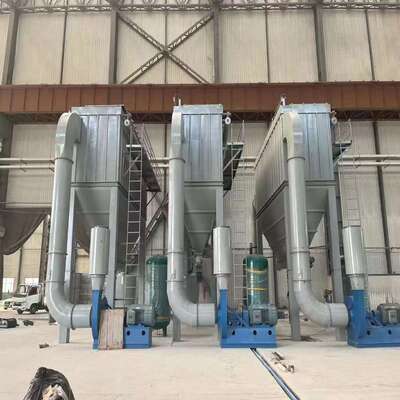
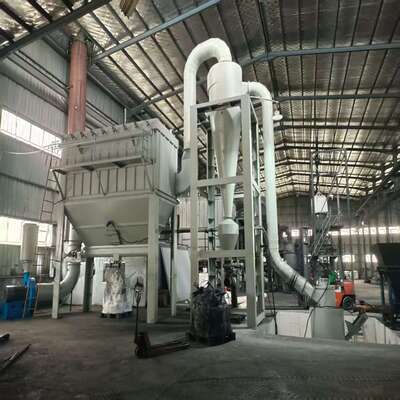
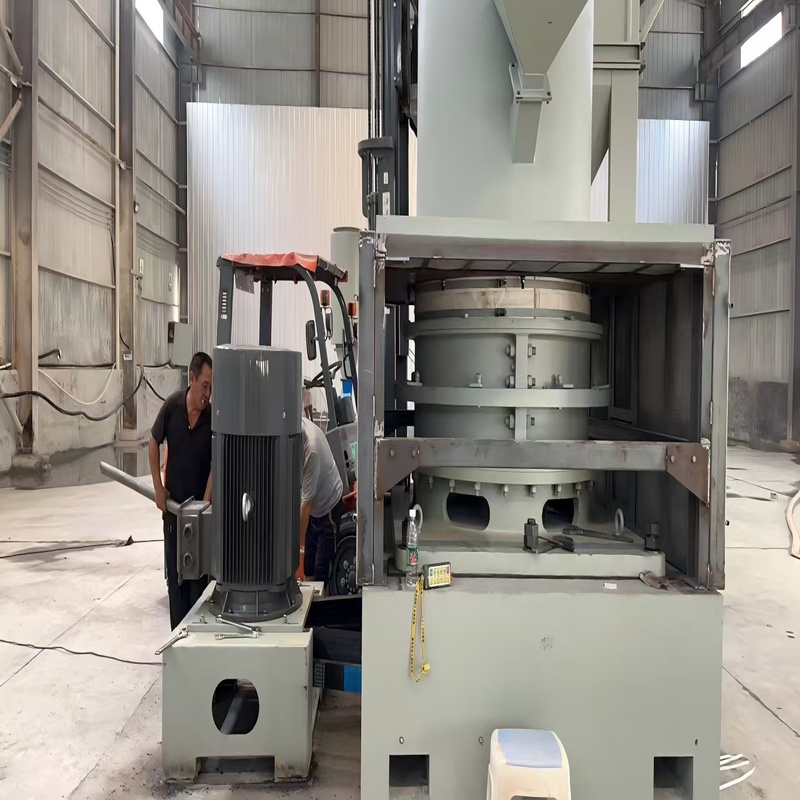
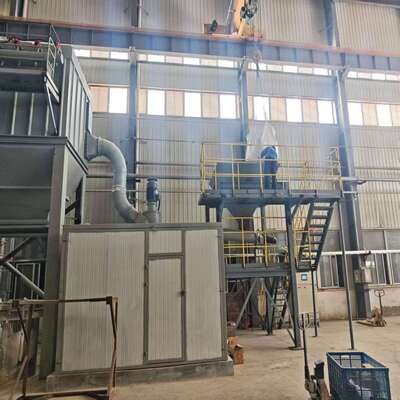
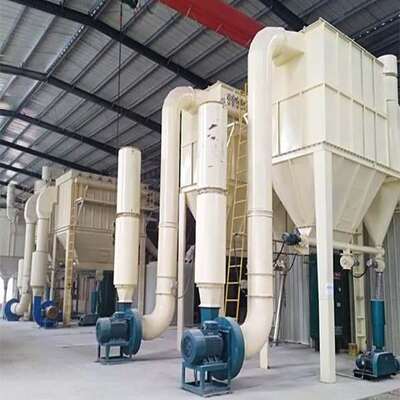
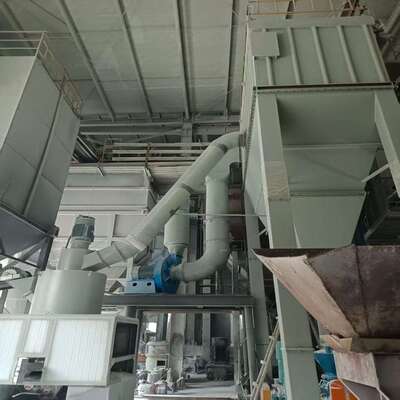
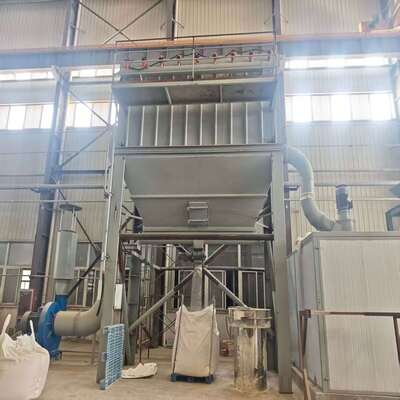
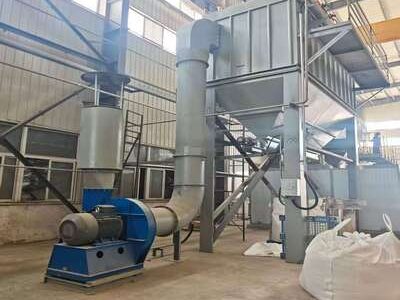
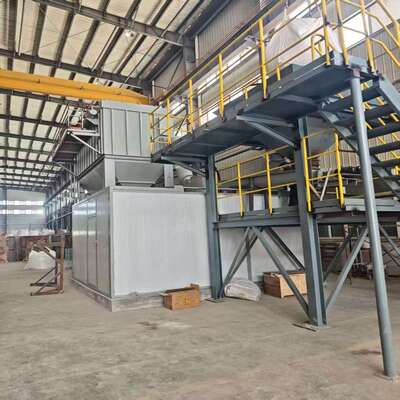
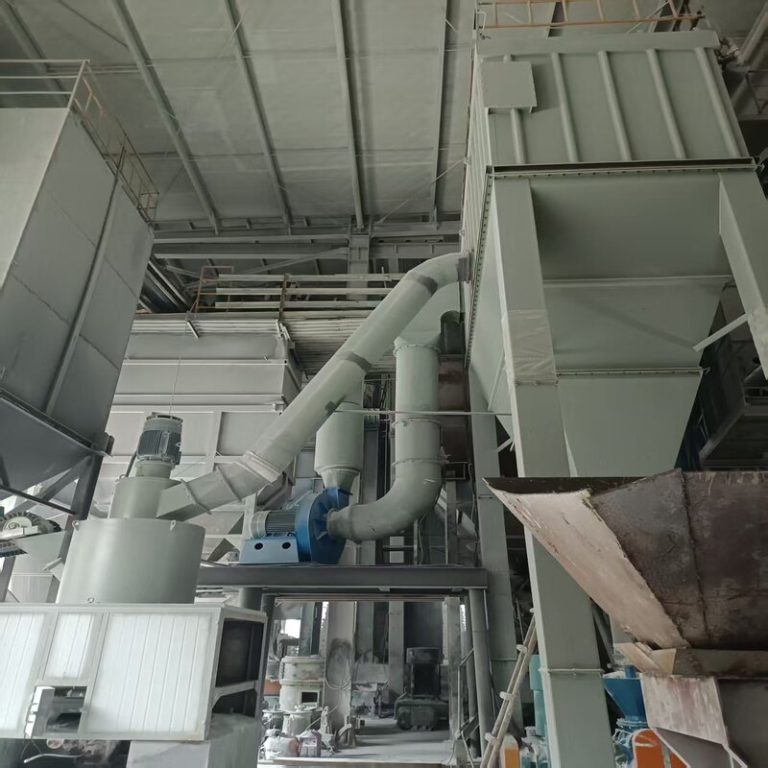
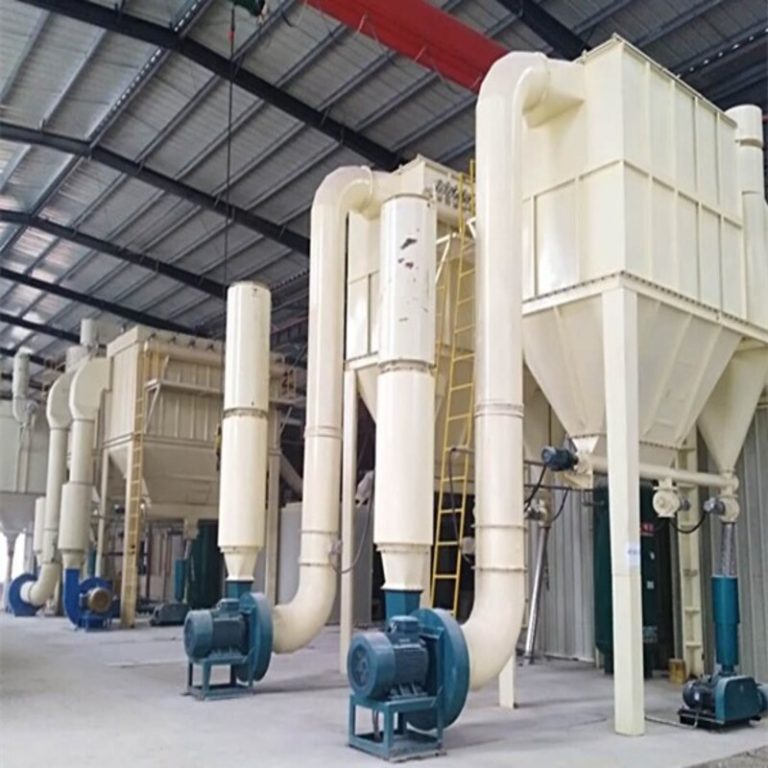
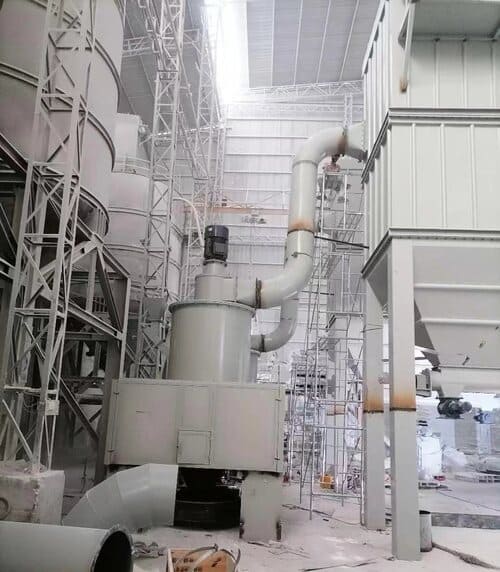
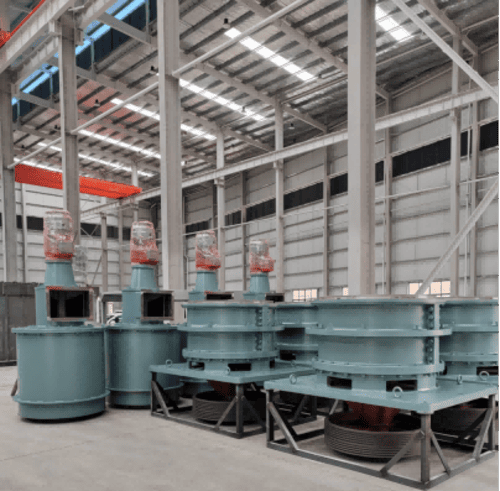
Calcium carbonate grinding mill
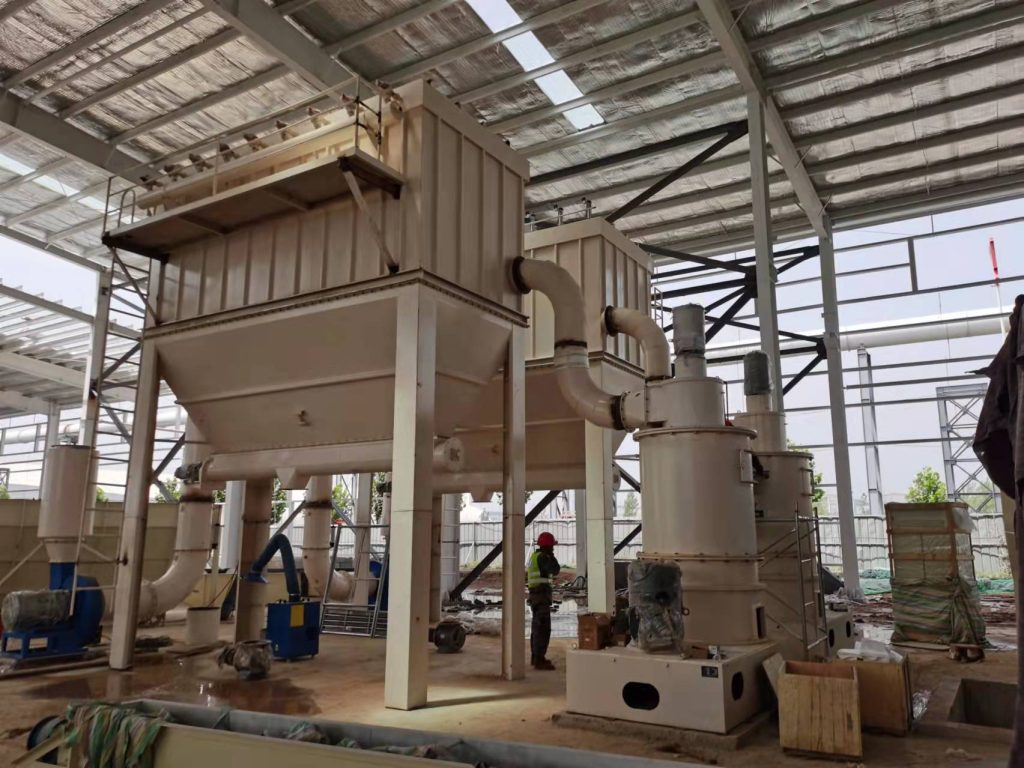
China No.1 Technology
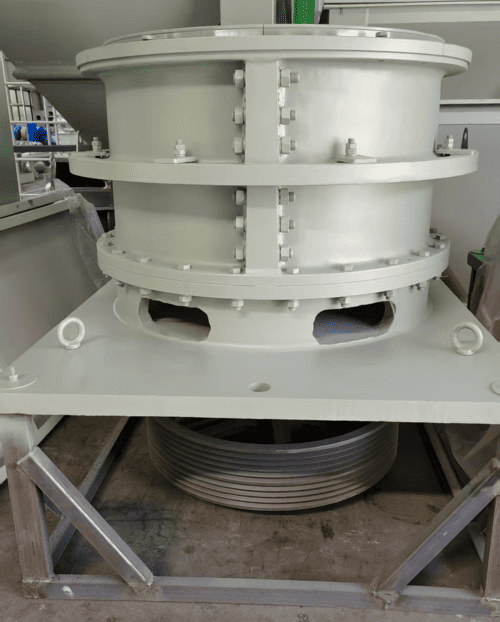
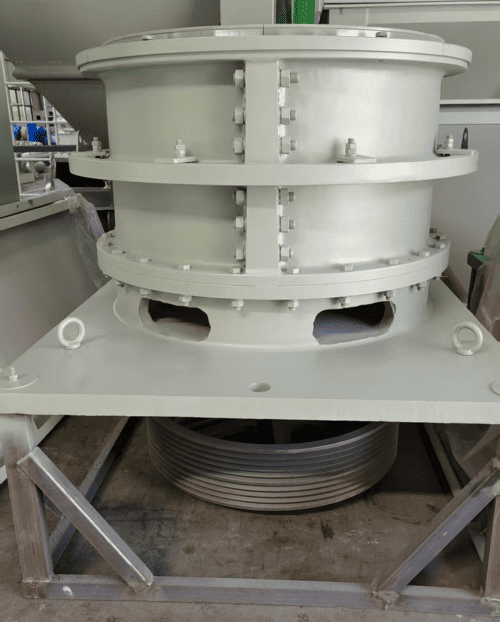
- Our New type: Combined grinding wheel bracket – Demonstration of assembly
- Our New – type: Rhombic Spindle
- Easy to disassemble.
- Low cost of accessories.
- Spindle nut No loosening, No thread slipping, No falling off.
- Low cost, High reliability
Calcium carbonate grinding mill description:
Calcium carbonate grinding mills are specialized industrial machines designed to pulverize calcium carbonate (CaCO₃) into fine and ultra-fine powders. Calcium carbonate is one of the most widely used mineral fillers and raw materials across numerous industries, including plastics, rubber, paper, paint, coatings, pharmaceuticals, construction, and agriculture. The grinding mill plays a critical role in transforming raw limestone, marble, or chalk into powdered products with precise particle size distributions.
Several types of grinding mills are commonly employed for calcium carbonate processing. Raymond mills are traditional and cost-effective solutions suitable for producing powders ranging from 80 to 400 mesh. Ball mills use rotating steel balls to crush and grind material, offering high capacity for coarse to medium grinding. Vertical roller mills are highly efficient for large-scale production, combining drying, grinding, and classification in a single unit. Ultra-fine grinding mills, such as HGM micro powder mills, can produce powders as fine as 2,500 mesh (5 microns), meeting the demanding requirements of advanced applications.
The grinding process typically involves feeding raw calcium carbonate into the mill, where it is crushed, ground, and classified by air or mechanical separators. The final product fineness can be precisely controlled to meet specific industrial standards. Modern mills incorporate advanced technologies such as automatic control systems, energy-saving designs, and dust collection units to ensure environmental compliance and operational efficiency.
Key advantages of calcium carbonate grinding mills include high production capacity, low energy consumption, adjustable particle size, and long service life. When selecting a grinding mill, manufacturers consider factors such as desired fineness, production volume, raw material hardness, moisture content, and budget. With growing demand for high-quality calcium carbonate powder worldwide, these grinding mills remain indispensable equipment in the mineral processing and manufacturing sectors.
What is the calcium carbonate?
Calcium carbonate is an inorganic compound with the chemical formula CaCO₃, serving as the main component of limestone and marble. It generally appears as odorless white crystals, barely soluble in water, and readily reacts with acids to release carbon dioxide.
As one of the common substances on Earth, calcium carbonate exists in rocks such as aragonite, calcite, chalk, limestone, marble and travertine. It also constitutes the major part of the bones and shells of certain animals. Additionally, it is an essential building material and boasts extensive industrial applications.
What is the calcium carbonate grinding process?
1. Primary Crushing
Raw calcium carbonate rocks are extracted from quarries and fed into jaw crushers or hammer crushers, reducing large chunks to 10–50 mm fragments.
2. Secondary Crushing
Crushed material passes through impact or cone crushers, further reducing size to 5–20 mm for efficient mill feeding.
3. Grinding
The pre-crushed material enters the grinding mill — such as a Raymond mill, ball mill, vertical roller mill, or ultrafine mill — where mechanical forces (compression, impact, shear, and friction) break particles into progressively finer sizes.
4. Classification
An air classifier or powder separator separates qualified fine powder from coarse particles. Oversized material is recycled back to the mill for re-grinding, while fine product proceeds forward.
5. Collection and Packaging
Dust collectors (pulse jet bag filters, cyclone separators) capture finished powder to prevent environmental pollution. The powder is stored in silos and packaged into bags or bulk containers.
6. Quality Control
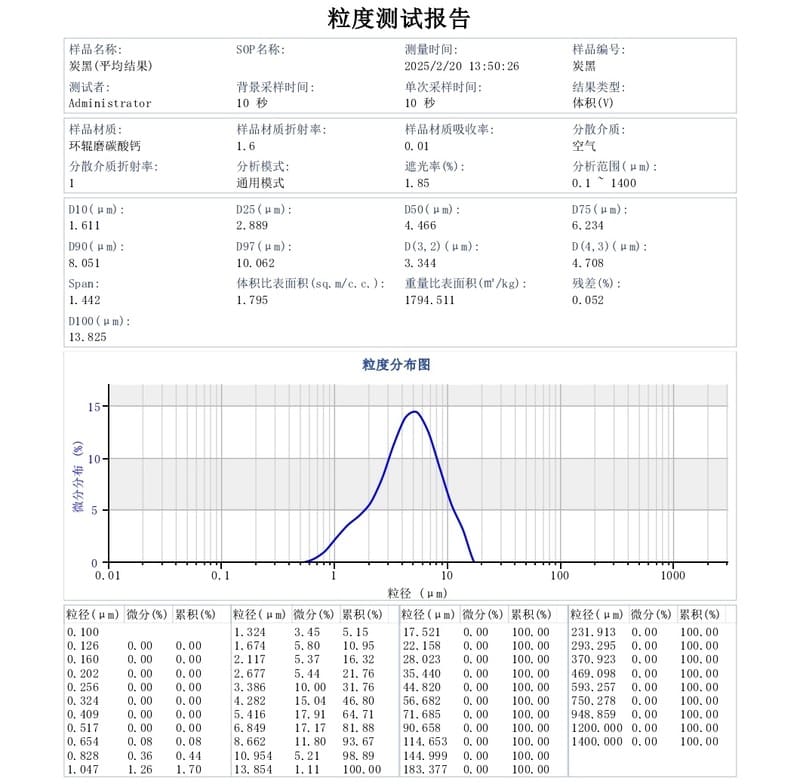
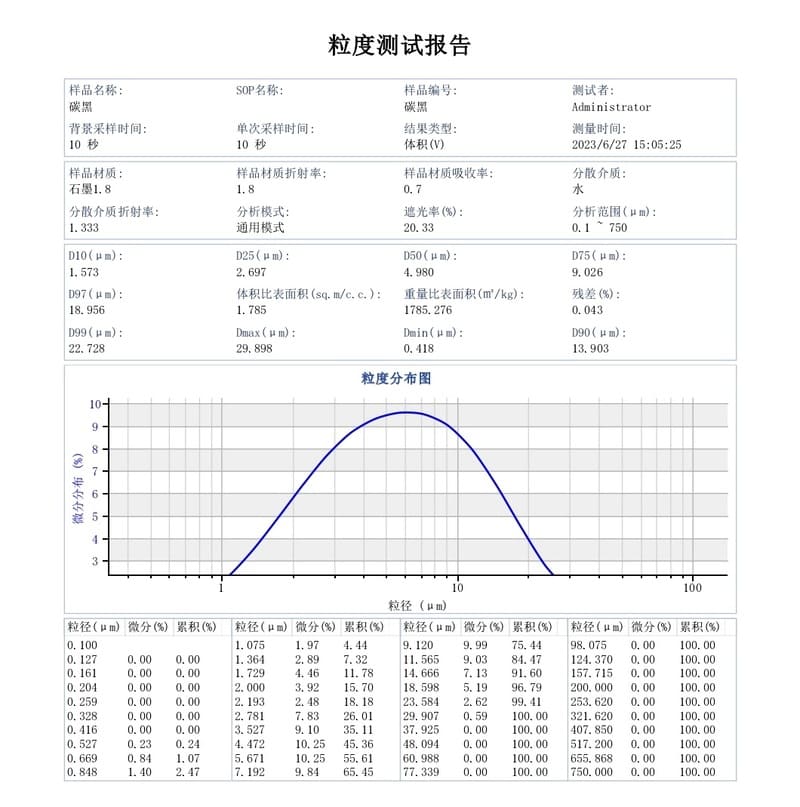
Throughout processing, particle size distribution, whiteness, moisture content, and purity are monitored using laser diffraction, sieve analysis, and chemical testing to ensure product specifications are met.
What are the uses of calcium carbonate?
Medical & Healthcare Applications
Calcium carbonate is a leading calcium supplement used to prevent and treat osteoporosis, rickets, and calcium deficiency in children, pregnant women, and the elderly. It is commonly combined with vitamin D to enhance absorption. As an antacid, it rapidly neutralizes excess stomach acid, relieving heartburn, acid reflux, and indigestion. It also serves as a pharmaceutical excipient in tablets and capsules, and as a gentle abrasive in toothpaste for plaque removal.
Food Industry
In food processing, calcium carbonate is used as a nutritional fortifier added to flour, biscuits, beverages, and dairy products to boost calcium content. It functions as a leavening agent in baking, an anti-caking agent to prevent clumping, and a firming agent in canned fruits and vegetables. As food additive E170, it is recognized as safe within regulated limits.
Construction & Building Materials
Calcium carbonate is a fundamental raw material for producing cement, lime, concrete, marble, tiles, and wall coatings. It enhances the hardness, durability, and weather resistance of building materials, making it indispensable in modern construction.
Paper & Pulp Industry
It is extensively used as a filler and coating pigment in paper manufacturing. Calcium carbonate improves paper brightness, opacity, smoothness, and printability while reducing production costs by partially replacing wood pulp. The paper industry is one of its largest consumers globally.
Plastics, Rubber & Coatings
As a cost-effective filler, calcium carbonate is added to plastics to improve rigidity, heat resistance, and dimensional stability. In rubber, it reinforces products like tires and hoses. In paints and coatings, it acts as an extender pigment, enhancing coverage, durability, and gloss while lowering formulation costs.
Agriculture & Environment
In farming, calcium carbonate neutralizes acidic soils, promoting crop growth, and is added to animal feed for bone development. Environmentally, it treats wastewater by adjusting pH and removing heavy metals, and is used in flue gas desulfurization to reduce SO₂ emissions from industrial plants.
What is the best calcium carbonate grinding machine?
For Standard Fineness (80–400 mesh): MTW European Trapezium Mill
The MTW European Grinding Mill is widely regarded as the top choice for conventional calcium carbonate processing. Evolved from the traditional Raymond mill, it features a compact design, high automation, low energy consumption, and excellent powder quality. With a capacity of 3–55 tons per hour, it suits medium-to-large operations while maintaining low dust emissions and easy installation.
For Large-Scale Production: Vertical Roller Mill (LM Series)
The vertical roller mill integrates crushing, drying, grinding, and classification in one unit, delivering 6–80 tons per hour. Its hydraulic pressure system applies far greater grinding force than Raymond mills, making it ideal for high-volume, cost-efficient manufacturing of 400–600 mesh products. It is a mainstream choice for major calcium carbonate producers worldwide.
For Ultra-Fine Powder (800–2,500 mesh): LUM Ultrafine Vertical Mill & Ring Roller Mill
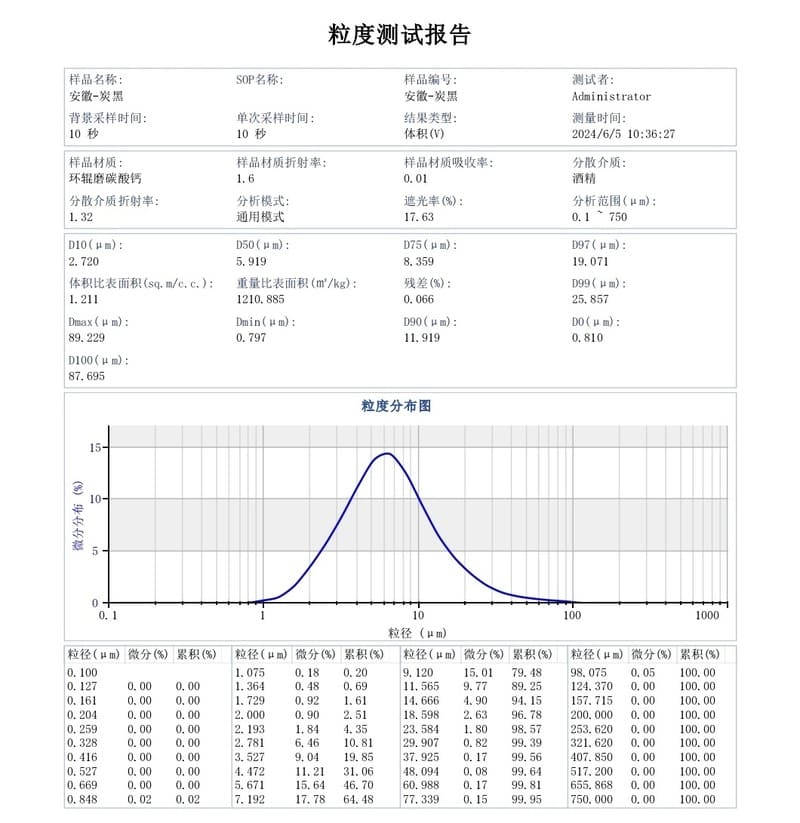
When ultra-fine calcium carbonate (D97 ≤ 5 μm) is required, the LUM ultrafine vertical mill and MW ring roller mill excel. These dry-process systems use variable-frequency classifiers to produce superfine powder directly, eliminating external screening. They are particularly favored in pharmaceutical, food, and high-end coating applications.
For Fine Calcium (600–1,500 mesh): Ring Roller Mill & Ball Mill
The ring roller mill offers a cost-effective upgrade over Raymond mills with superior efficiency, while modified ball mills remain reliable for producing 800–2,500 mesh products with stable output and minimal over-grinding.
Calcium carbonate grinding mill Application:
Construction: Ground calcium carbonate is essential for producing cement, concrete, lime, mortar, tiles, and bricks, enhancing structural strength and durability.
Plastics & Rubber: As the most widely used mineral filler, calcium carbonate powder improves rigidity, heat resistance, and stability in PVC pipes, polyethylene films, automotive parts, tires, and hoses while reducing costs.
Paper Industry: It serves as a filler and coating pigment, improving brightness, opacity, smoothness, and printability while partially replacing expensive wood pulp.
Paints & Coatings: The powder acts as an extender pigment in decorative and industrial paints, primers, and sealants, enhancing coverage and durability.
Pharmaceuticals & Food: In healthcare, it is used in calcium supplements, antacids, and tablets. In food processing, it serves as additive E170 for fortification, anti-caking, and dough conditioning.
Agriculture & Environment: It neutralizes acidic soils, supplements animal feed for bone development, treats wastewater, and reduces industrial SO₂ emissions through flue gas desulfurization.
Advanced Manufacturing: Ultra-fine powder (800–2,500 mesh) is used in ceramics, optical glass, electronics, and cosmetics.
Calcium Carbonate Powder Processing Technology:
Wet Processing
Used for ultra-fine powders (d97 ≤ 3–5 μm), wet processing involves suspending dry-ground powder in water and further grinding using wet stirred mills, sand mills, or peeling machines. The slurry is then classified, dehydrated, dried, and activated. This method is preferred for paper coating and high-purity applications.
Light Calcium Carbonate Production
Unlike ground calcium carbonate, light (precipitated) calcium carbonate is chemically synthesized: limestone is calcined at >900°C to produce CaO, which is slaked into Ca(OH)₂, then carbonated with CO₂ to precipitate CaCO₃. The product is filtered, dried, and milled.
Surface Modification
To enhance performance, processed powders undergo surface treatment using fatty acids, silane coupling agents, or mechanical-chemical methods, improving dispersion and compatibility in polymer composites.
Guide to Calcium Carbonate Grinding: Mills, Tips, and Uses
Raymond Mill (MTW/HC Series)
The most popular choice for 80–600 mesh products. It uses rollers pressing against a grinding ring, offering 1.5–40 t/h capacity with low energy consumption. Ideal for construction, plastics, and paints.
Ultrafine Mill (HGM/Ring Roller Mill)
Produces superfine 800–3,000 mesh powders for pharmaceuticals, food additives, and high-end coatings. Multi-layer grinding rings with advanced classifiers deliver precise fineness control.
Ball Mill
A versatile wet or dry grinder using steel balls for impact grinding. Suitable for 80–300 mesh medium-scale production. Reliable and adaptable but more energy-intensive.
Vertical Roller Mill (VRM)
Handles 6–80 t/h by combining crushing, drying, and grinding. Best for large-scale 400–600 mesh production in cement and ceramics.
Essential Tips
- Match mill type to target fineness
- Keep feed size under 20 mm
- Regularly inspect wear parts (rollers, rings, liners)
- Optimize airflow for uniform classification
- Install dust collection systems for environmental compliance
Major Uses
Construction (cement, tiles), plastics (PVC filler), paper (brightness agent), paints (extender pigment), pharmaceuticals (supplements), food (fortifier E170), and agriculture (soil treatment, animal feed).
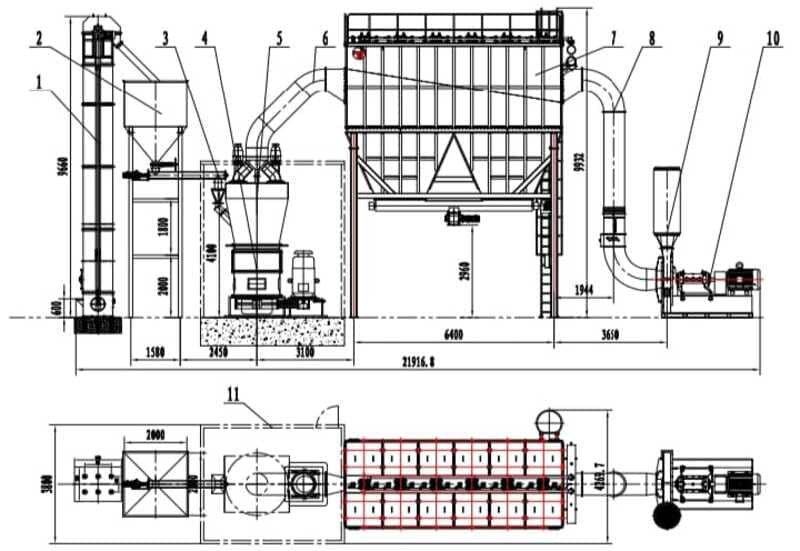
What is the auxiliary equipment in a calcium carbonate plant?
Vibrating Feeder
Installed at the raw material inlet, it evenly and continuously feeds crushed limestone into the grinding mill at a controlled rate, preventing blockages and ensuring stable production.
Air Classifier (Powder Separator)
Positioned above or behind the mill, it separates fine qualified powder from coarse particles using centrifugal and airflow forces. Oversized particles are recycled back for re-grinding, ensuring precise particle size control.
Pulse Jet Dust Collector
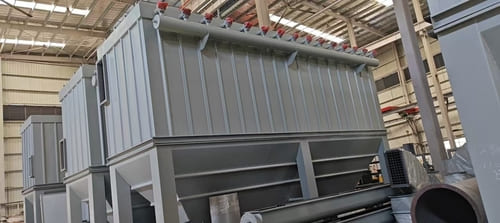
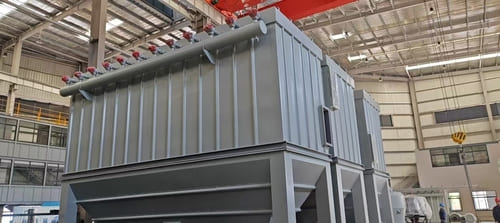
A critical environmental device that captures fine dust particles generated during grinding. Its pulse-cleaning mechanism prevents filter clogging, maintaining high collection efficiency (99%+) and meeting emission standards.
Bucket Elevator
Transports ground powder vertically from the mill or classifier to storage silos, ensuring dust-free material transfer throughout the plant.
Jaw Crusher & Hammer Crusher
These primary and secondary crushers reduce raw stone to suitable feed size (under 20 mm) before grinding.
Storage Silo & Packaging Machine
Silos store finished powder, while automatic bagging or bulk loading machines package products for shipment.
Induced Draft Fan
Creates negative pressure within the system, facilitating airflow through the mill, classifier, and dust collector for optimal grinding and dust management.
Electromagnetic Vibrating Screen
Screens and removes impurities from raw material or finished product to ensure purity and quality.
How to optimize calcium carbonate grinding efficiency?
1. Optimize Feed Size and Rate
Keep raw material under 20 mm before entering the mill. Uniform, consistent feeding prevents blockages, reduces over-grinding, and ensures stable particle size distribution. Use a vibrating feeder for precise control.
2. Select the Right Mill Type
Match the mill to your target fineness: Raymond mills for 80–600 mesh, ultrafine mills for 800–3,000 mesh, and ball mills for flexible medium-scale production. Using an oversized mill wastes energy; an undersized one causes bottlenecks.
3. Maintain Classifier Settings
Properly adjust the air classifier to separate fine powder accurately. Tight classification reduces re-grinding cycles and improves throughput while ensuring consistent product quality.
4. Regular Maintenance
Inspect and replace worn rollers, rings, liners, and blades promptly. Worn parts reduce grinding force, increase energy use, and degrade powder quality. Schedule preventive maintenance to avoid unexpected shutdowns.
5. Control Moisture Content
Dry material grinds more efficiently. Install dryers or dehumidifiers if raw material moisture exceeds 2–3%, as excess water causes clumping and reduces mill capacity.
6. Upgrade Dust Collection Systems
Efficient pulse jet dust collectors maintain negative pressure, ensuring smooth airflow through the mill and preventing powder loss.
7. Automate and Monitor
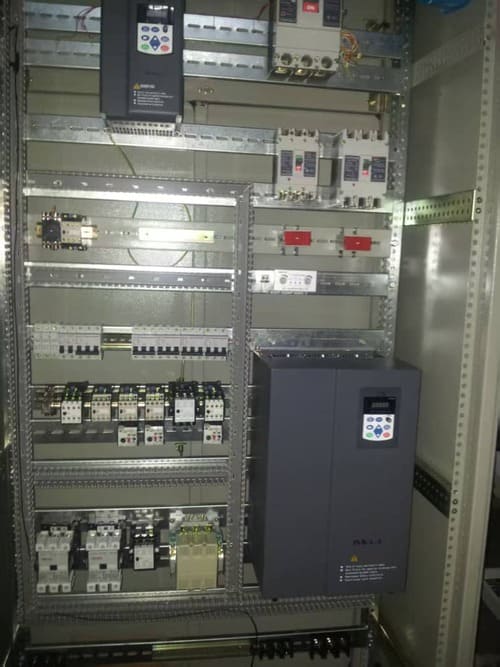
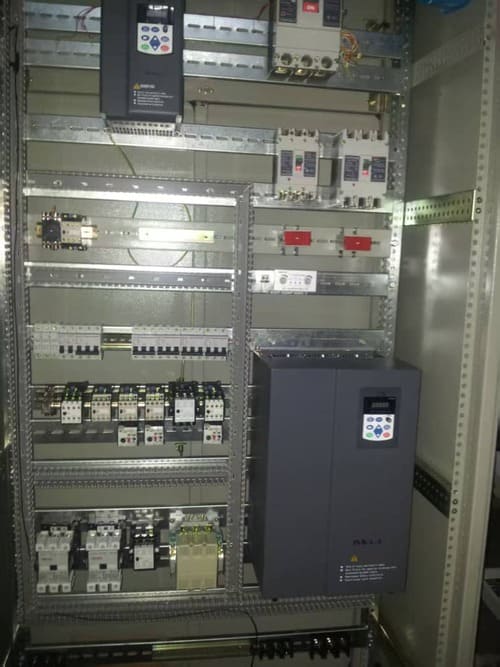
Use PLC-controlled systems to monitor temperature, vibration, airflow, and power consumption in real time, enabling immediate adjustments for peak performance.
| Mesh (D97) | 319 Type | |
| Output (kg/h) | Cunsumption of Electricity (kWh/t) | |
| 325 | 10000~12000 | 22-26 |
| 400 | 9000~9500 | 26-30 |
| 600 | 6000~7500 | 31-36 |
| 800 | 5000~6500 | 46-53 |
| 1250 | / | / |
| 377-407 kW | ||
| Mesh (D97) | 219 Type 28 rollers or 26 Roller Price are the same | 309 Type 32 Roller or 28 Roller price are the same | 1160 Type 32rollers or 34rollers price are the same | |||
| Output (kg/h) | Cunsumption of Electricity (kWh/t) | Output (kg/h) | Cunsumption of Electricity (kWh/t) | Output (kg/h) | Cunsumption of Electricity (kWh/t) | |
| 400 | 5000~6000 | 29-38 | 9000~9500 | 26-30 | ||
| 800 | 4000~4500 | 45-53 | 5500~6500 | 43-48 | 6500~7500 | 41-48 |
| 1250 | 2300~3000 | 65-70 | 3500~4000 | 66-72 | 4500~5200 | 59-75 |
| 1500 | 1600~2300 | 83-90 | 2500~3000 | 85-92 | 3200~4000 | 78-90 |
| 2000 | 1100~1600 | 125-133 | 1500~2000 | 125-133 | 2300~2800 | 110-134 |
| 2500 | 900~1300 | 138-145 | 1100~1500 | 138-146 | 1500~1800 | 160-201 |
| 3000 | / | / | 1000~1200 | 185-192 | / | / |
| Total Power | 237 kW | 340-387 kW | 372-457 kW | |||
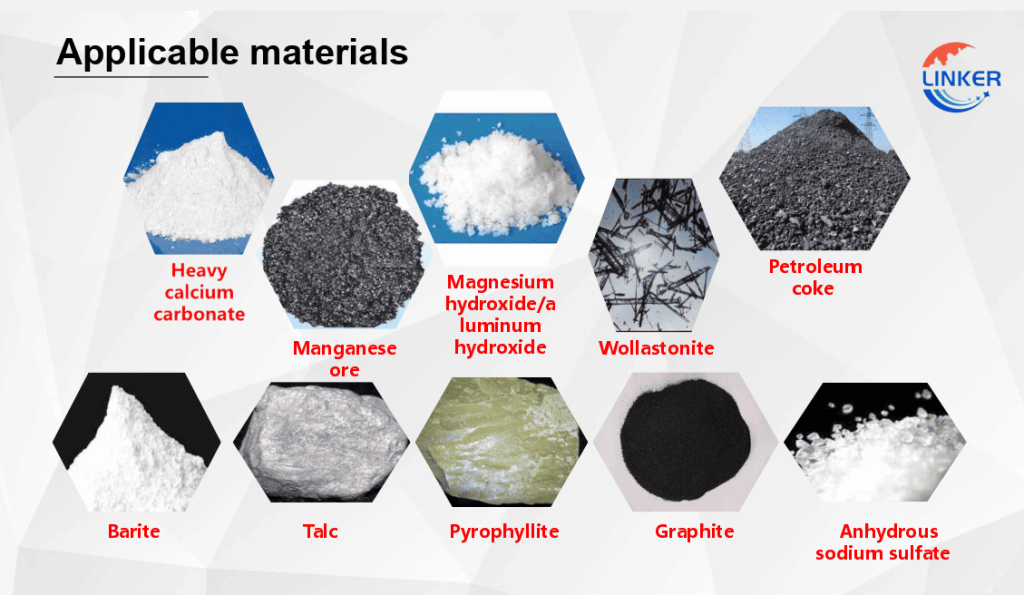
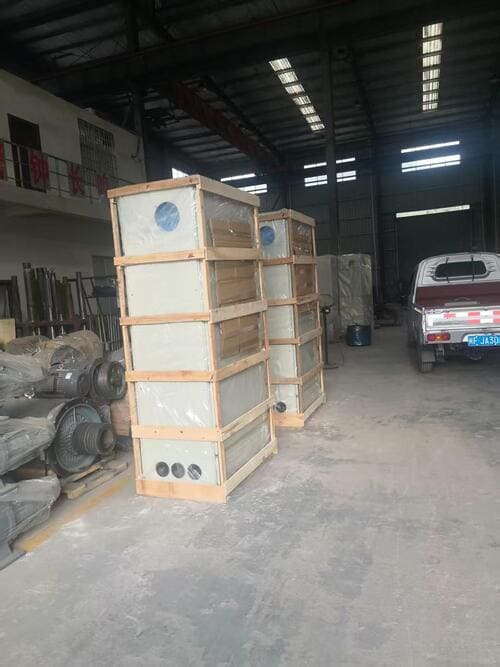
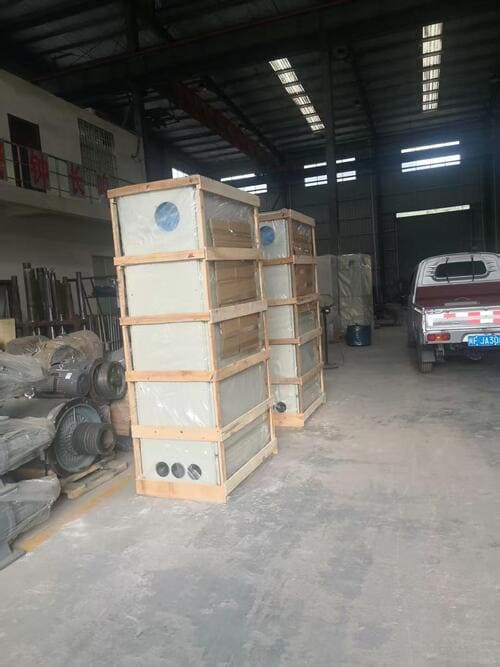
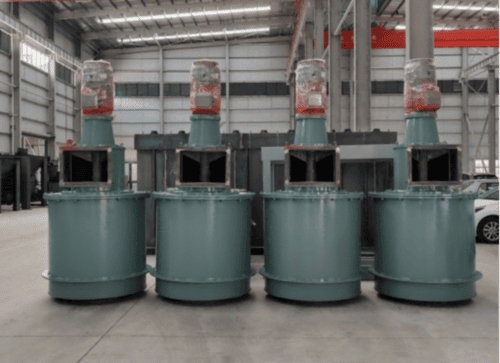
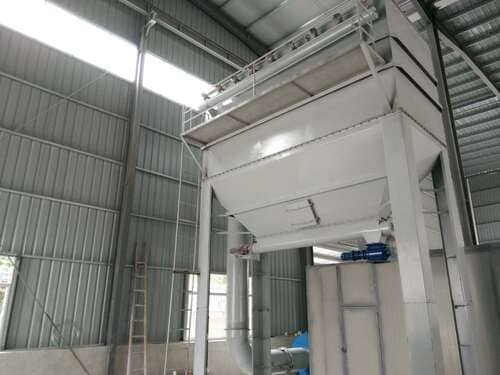
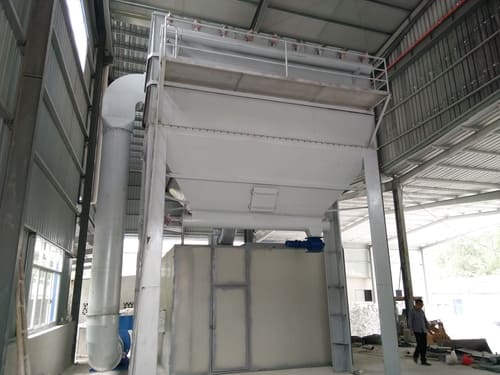
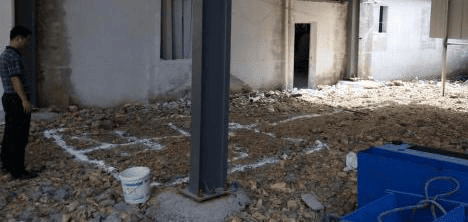
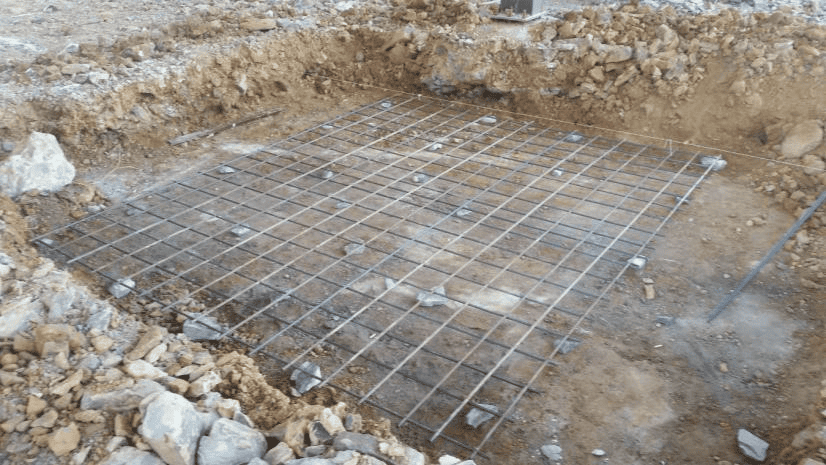
- Drawing line: As shown in below picture:
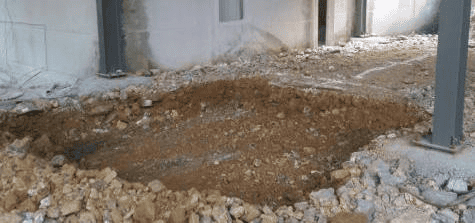
- Dig a hole: The SHM-309 foundation drawing showed size : length:3.65M,wide:3M,highly:0.5M.When Dig the hole need to have reservation some size.
Suggest size: length:4M,wide:3.5M.
- Put reinforced:Arrangement of two layers of rebar in the pit.
The size of reinforced:DiameterΦ16,spacing:20cm,Tie the rebar tightly with steel wire.
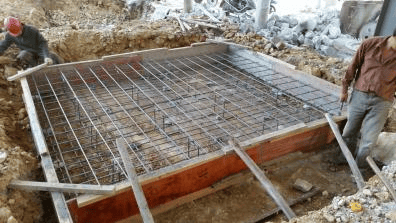
- Set mould: Enclose the square pit with template and height is the same as the ground.
- Welded: Accurately arrange the position of the steel mould and motor seat.Put 6 rebar (Φ 24) inside of each steel die (2 steel mould); Four corners of the motor base stand up and 1 rebar(Φ 18). Each rebar is 50 cm higher than the horizontal plane.
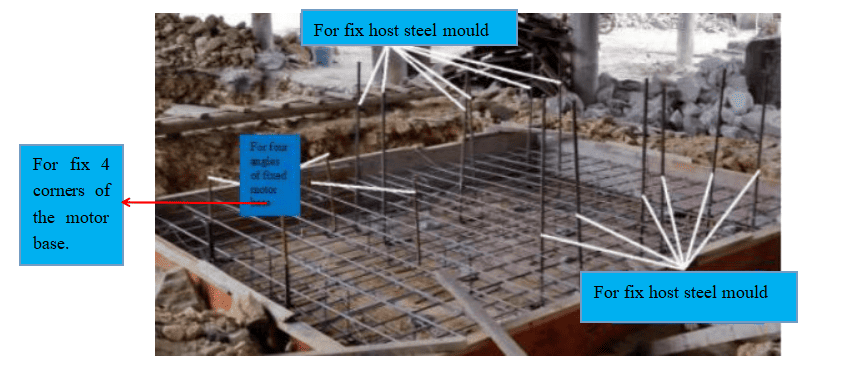
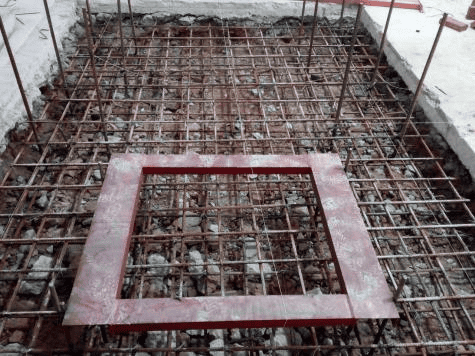
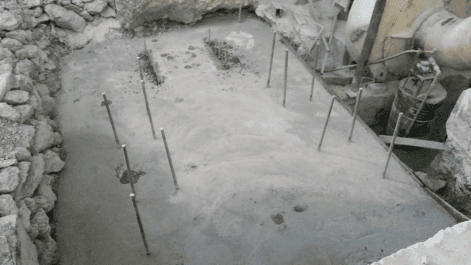
- First pouring concrete: The height is the same as the floor.
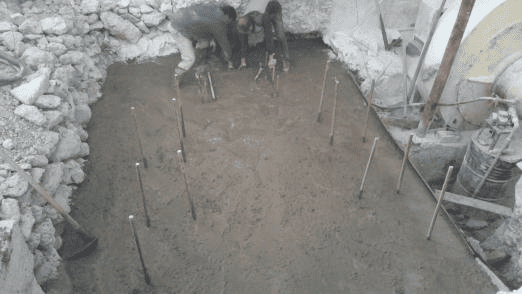
- Placing main machine steel die: The next day, Placing the main machine steel mould according to the size of the basic drawing.
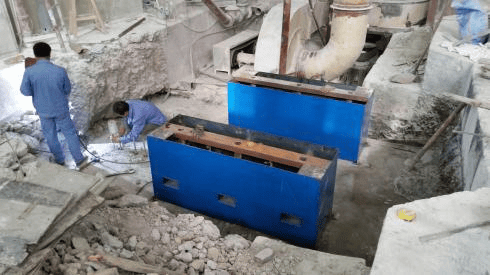
- Weld: After the steel mould is put in place and make sure all sizes are correct. Weld the steel mould with 6 rebars (Φ24) together.
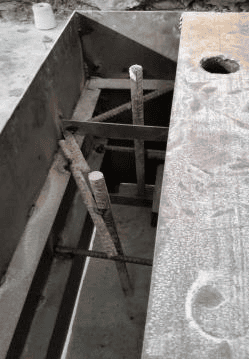
- The second pouring concrete. When pouring, the first steel mould is pouring half, and then poured another half of the steel mould, then back to pouring the first steel mould. It ensures that the size comparison does not deviate.Attention
- A single steel mould must be horizontal, at the same time, two steel mould dies must be horizontal.
- The pitch-row of the foundation bolts of two steel mould must be accurate. SHM-309 roller mill is 2045mm.
- Two steel mould cannot be misplaced.(It can be corrected by diagonal lines between steel dies, the length of diagonal must be equal.)
- The center line between steel mould and motor seat must be accurate. SHM-309 roller mill is 1900mm.
- After the steel mould is put in place and make sure all sizes are correct, the two steel mould must be welded and fixed with three channels steel before pouring concrete. Make sure the steel mould is not displacement and dimension not error during pouring. (This step must be done.)
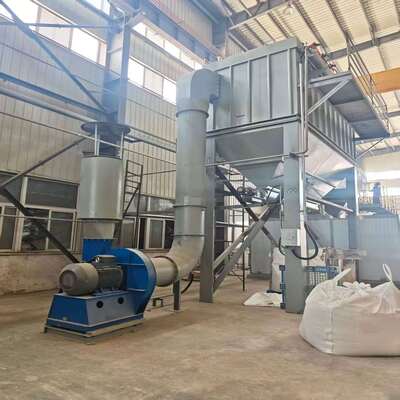
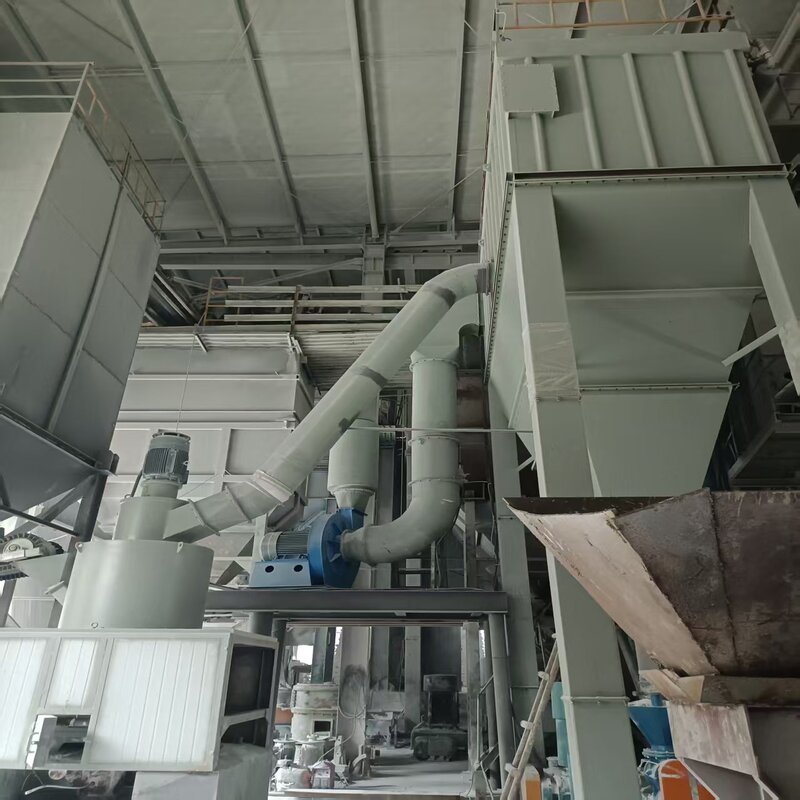
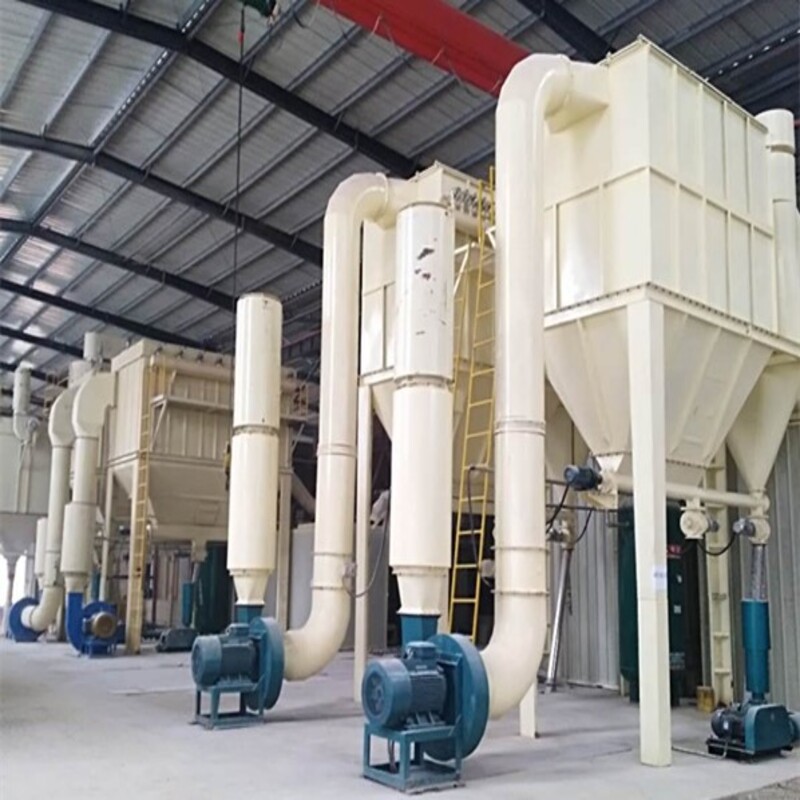
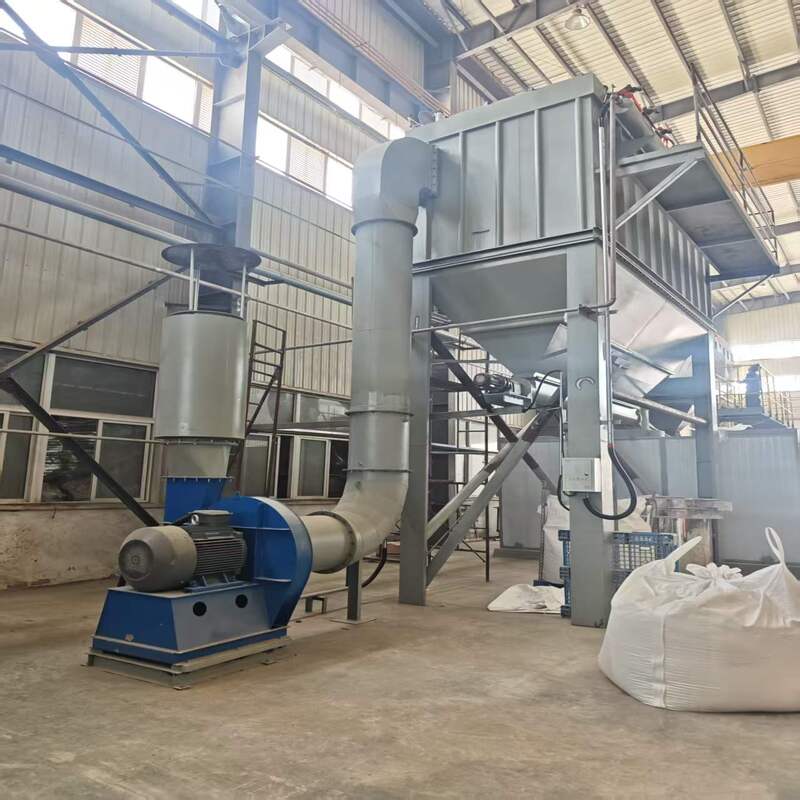
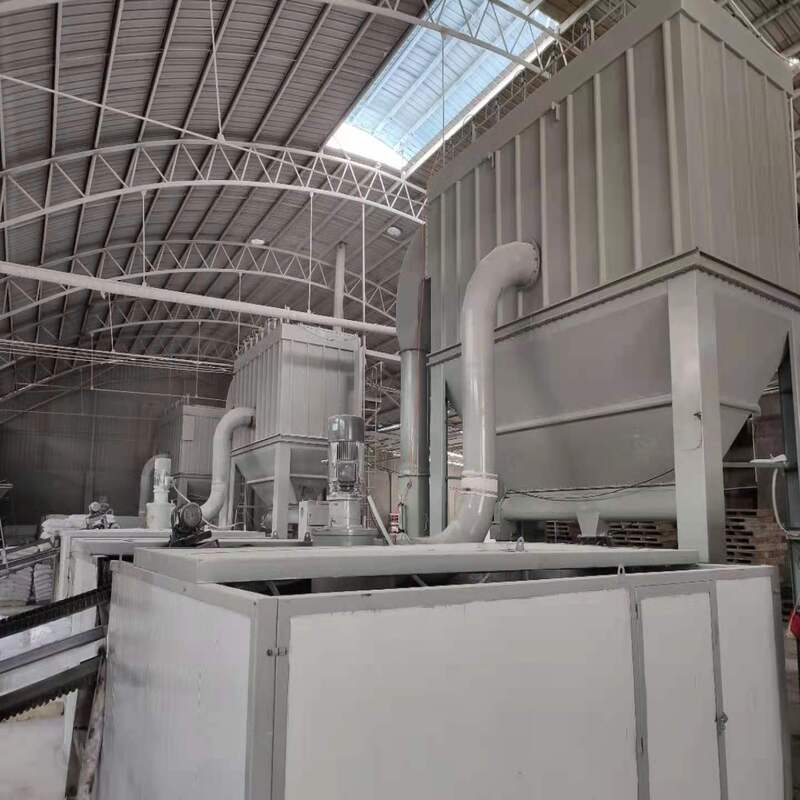
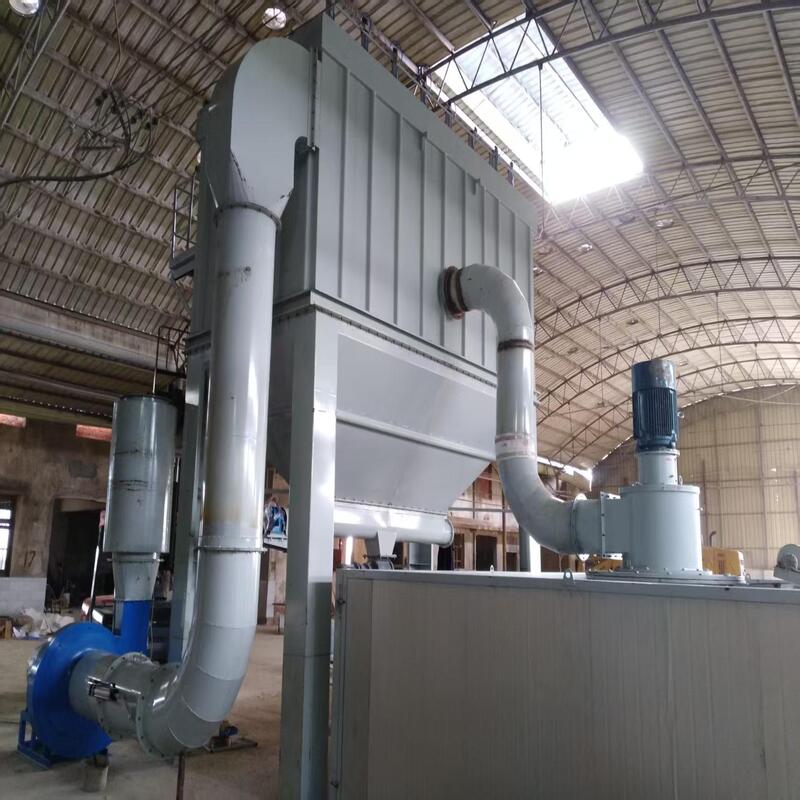
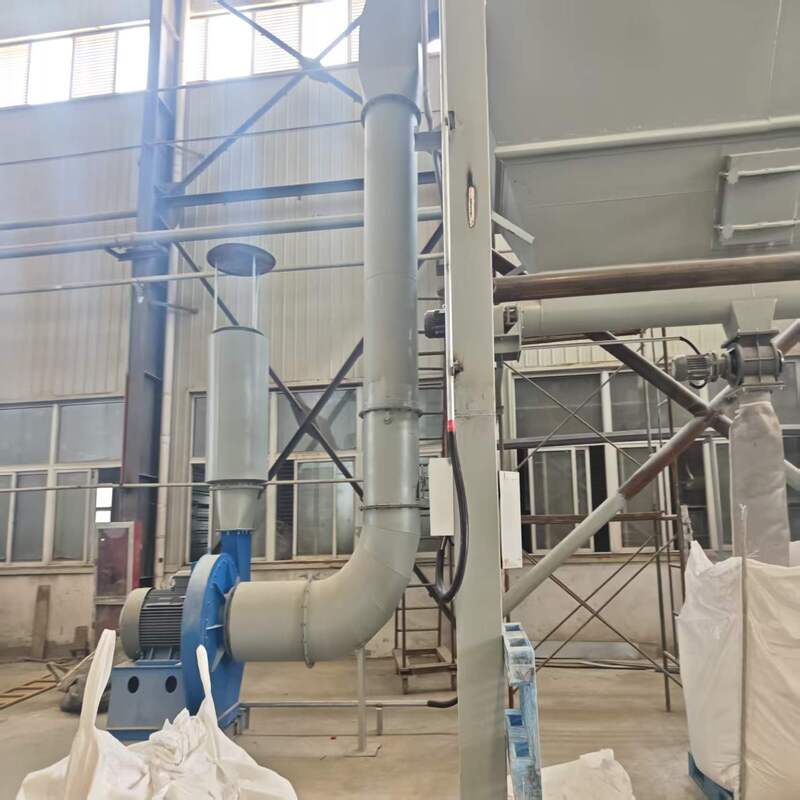
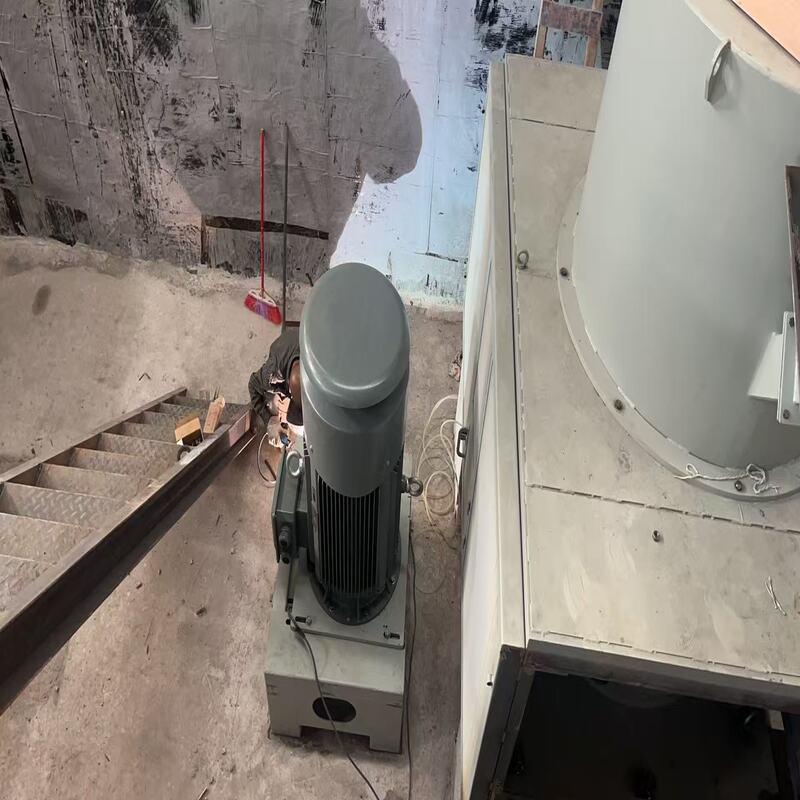
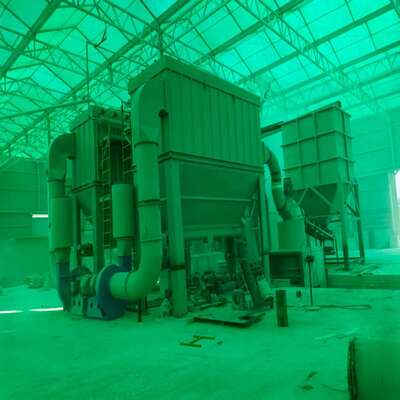
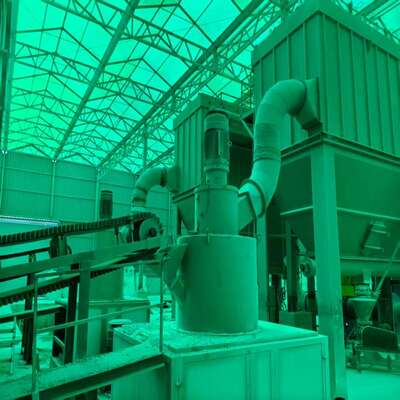
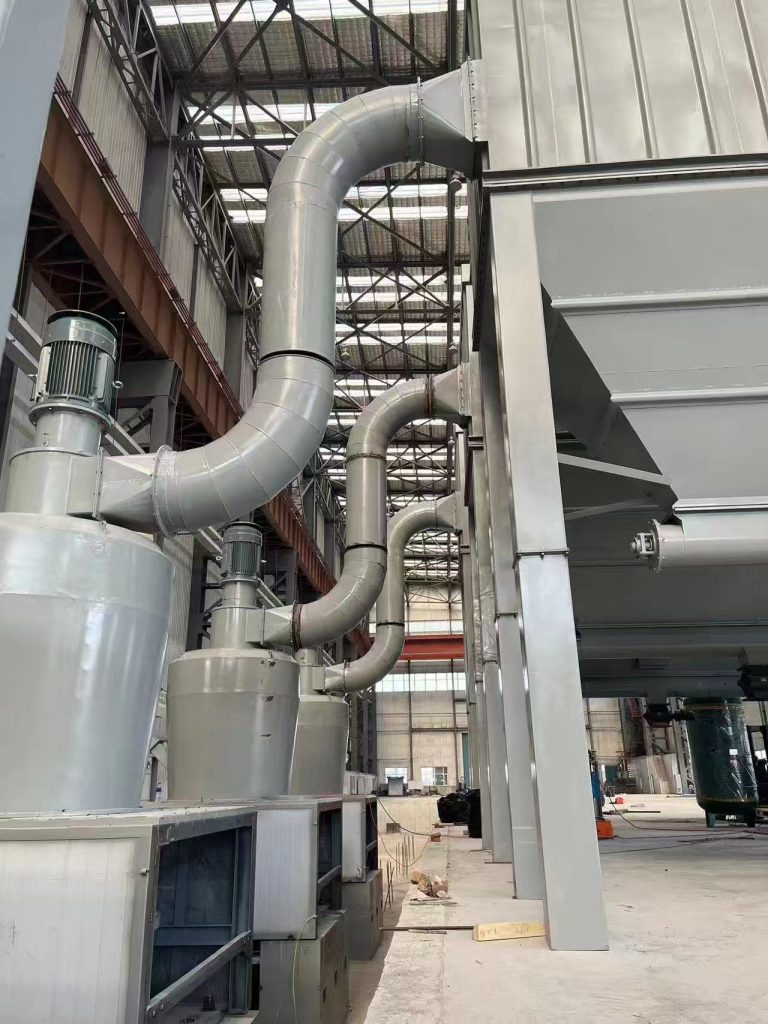
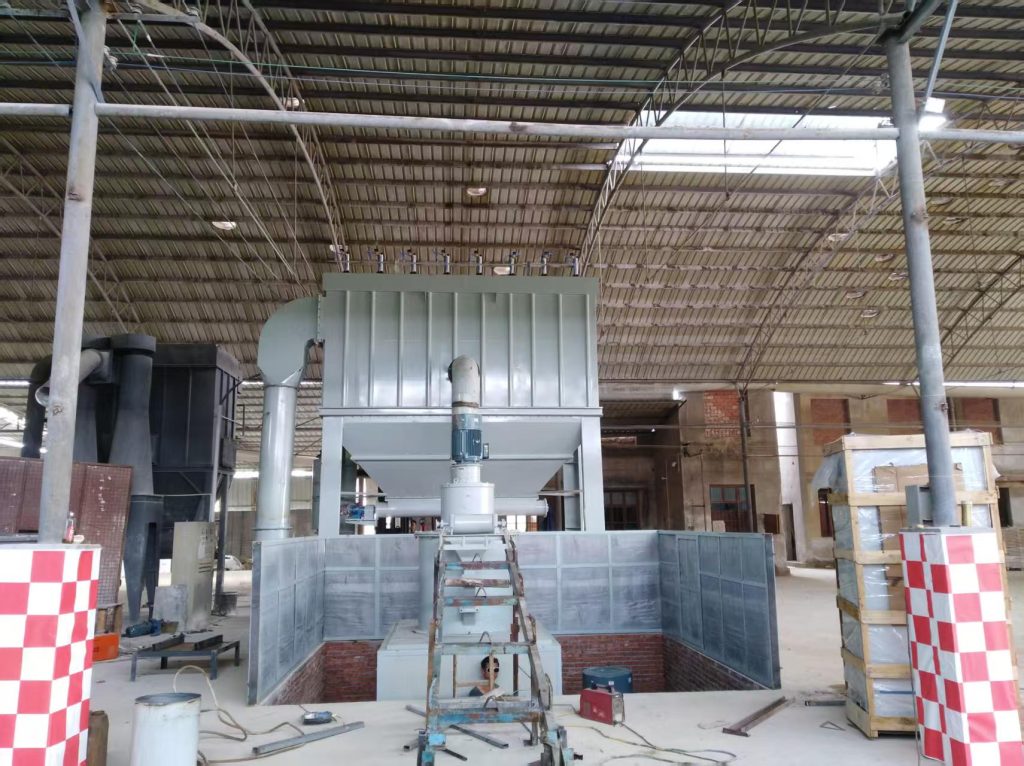
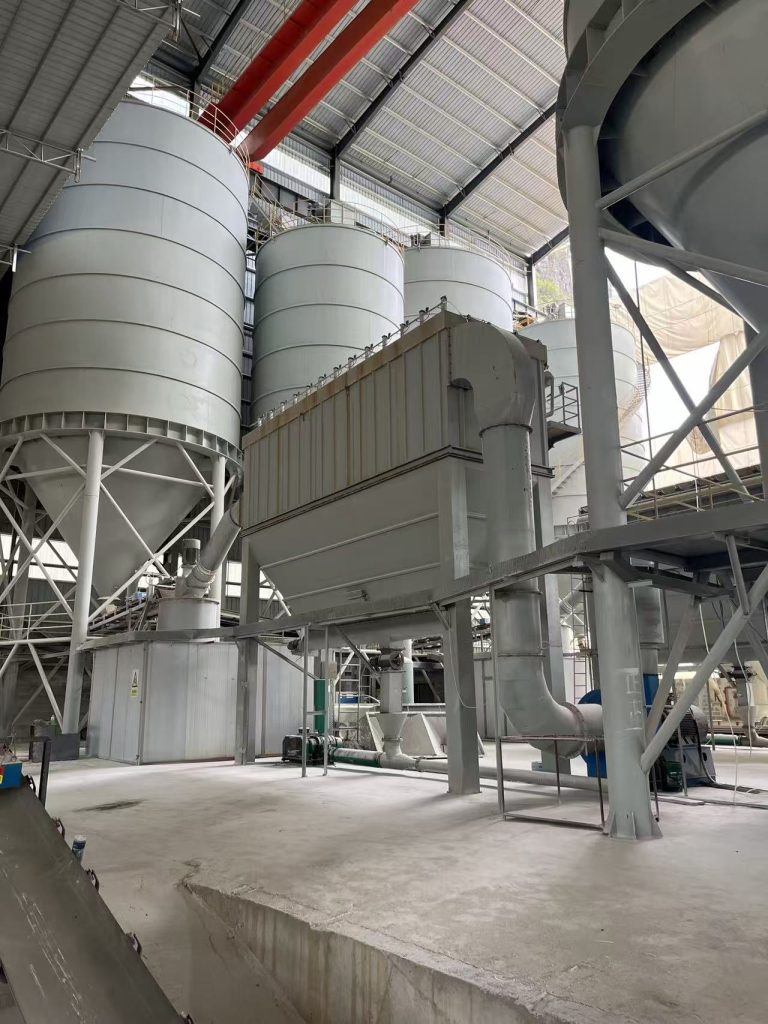
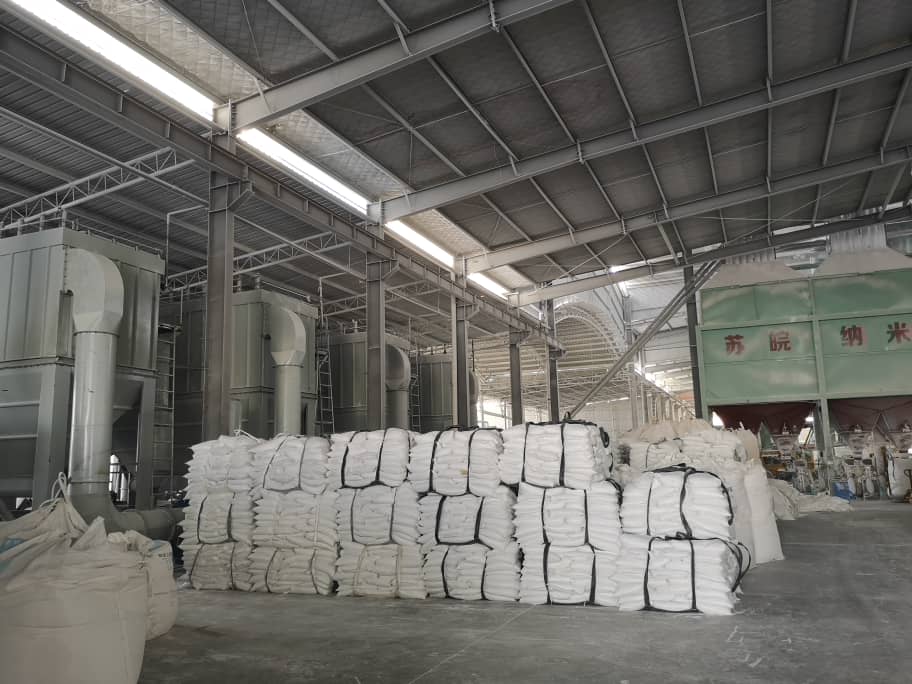
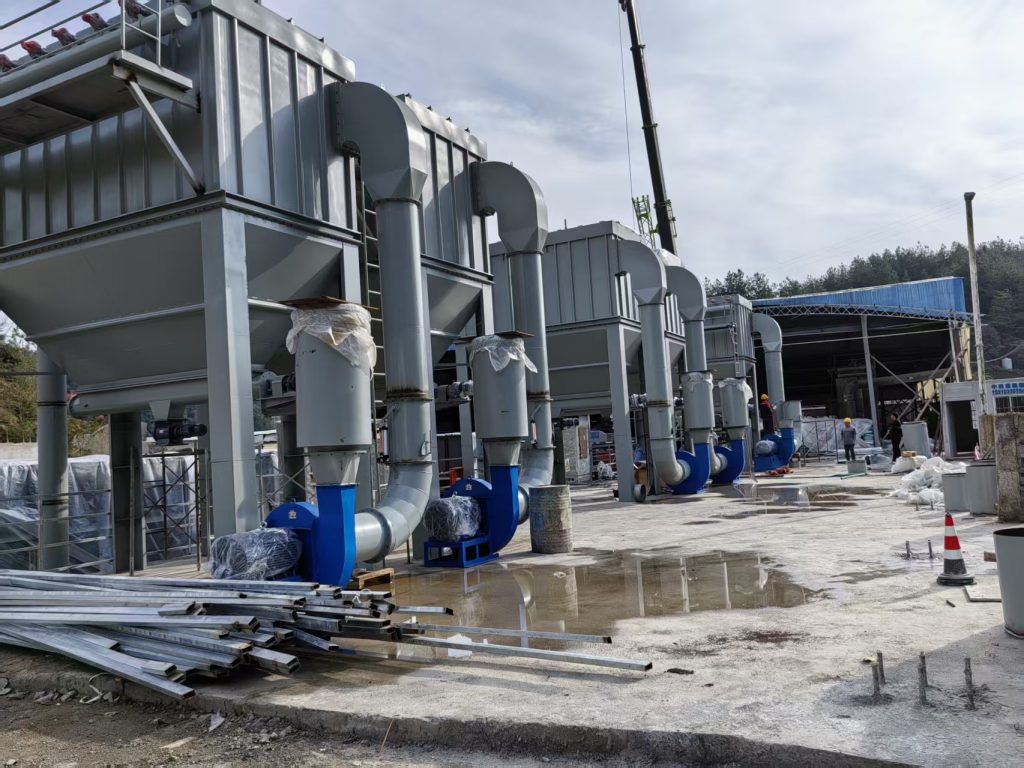
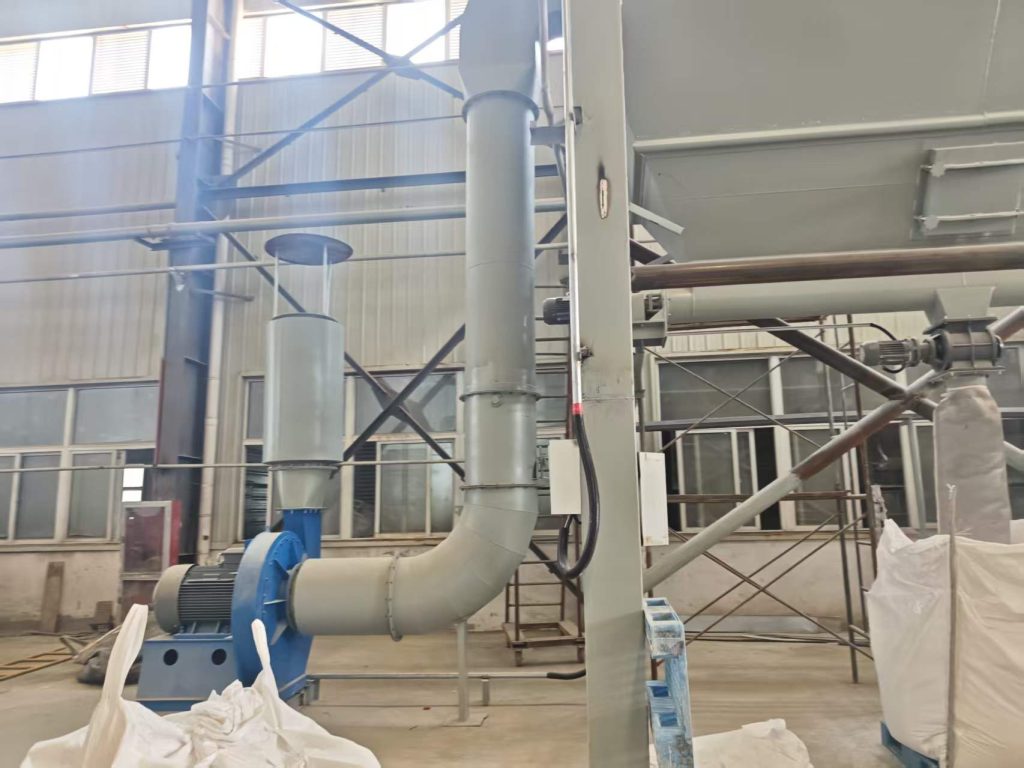
Roller Mills for Sale
About LKMixer
LKMixer is a professional manufacturer for grinding and mixing production line, grinder, mixer and granulator, shredder. These machines are widely used in food, pharmaceutical, cosmetic, health care products and chemical industries. The Food materials like turmeric, tomato, seeds, potato, bean, tobacco, salt, cannabis, tea, Sugar, corn, Coffee, rice, pepper, grain as so on. Grinders have many types such as Pulse Dust Grinder which suitable for zero pollution environment, Turbine Mill which is suitable for coffee bean, 12-120mesh all can meet, Ultrafine Grinding Mill covers 80-200mesh, and also Winnowing Dust Grinder or other grinding machines like SF Hammer. Welcome to contact us for details. Contact us for more information. Proposal, catalog, quotation.
FAQ(Click and See More)
Why Choose Us?
We have 20 years manufacturing experiences; 15600 cubic meters factory area; 5000sets annual capacity; 55 professional engineers;
What’s your main maket?
South America: Brazil, Colombia, Peru, Bolivia, Uruguay, Paraguay ;Romania;
USA with UL Certification
Middle East: Saudi, Arabia, Oman, Turkey
Europe: Russia, Australia, Belarus, Ukraine, Poland
Can you support OEM?
– Yes, OEM or ODM. Machine can be customized according to customer detail requirement, including capacity and voltages, motor certifications.
– Drawing and raw materials also can be customized.
What after-sale services?
– 7*24 customer service online;
– 7*24 engineers online services;
– 12 months warranty services.
WHAT kind of MACHINE YOUR COMPANY HAVE?
CAN YOU GIVE ME GUIDE ON OTHER MACHINE ? TO FULL MY PRODUCTION LINE
YES ! Our f have factory build more than 20 years now, we can design and customize whole line, besides of the grinding machine, mixing machine, we can also fully support to provide the washing machine, cutting machine, drying machine, packing machine, filling machine. Though we are not producing these machine, but our brother companies co-work together for over 20 years, we have rich experience in providing you a full effective production line, fully automatically or semi-automatically.
HOW TO VISIT YOUR COMPANY?
Our Factory located in Jiangsu Province, very near to Shanghai, you can fly to Shanghai Pudong Airport, we pick you up and take you by car 2 hours ride, can reach our factory, welcome your visit.
WHAT’S YOUR BEFORE & AFTER SERVICE ?
1) Before your purchasing, we need to know your detail request, such as what kind of material you want to grind and mixing, what final product powder or granule you want to reach. Because different material and powder sizes request of different machine to do. We can provide professional advice and rich experience help to choose machine. Most of the products we have already did before for other customer, trail test or run mass production, so we knows which machine is best in performance of grinding and mixing. This is of very importance in helping you choose the right model. We also wish this can help our customer a lot. Even the material we didn’t do before, we will prepare the same material and to do the trail test and send video to you for your reference.
2) One Year guarantee of machine quality. If the machine have problem within one year, we will send you the spare parts to you for replacement, but this not including the damage caused by human causes. We also have 24 hours on line guide for customer, if you have operation difficulty, we will guide by video and on line communication with our engineer for your emergency debug.
3) For small machine, we sell with whole machine, it’s no need to install, and easy to operation, no problems for operation. While for large machine, its’s also not difficult to install with video guideline, but if you need, we can assign our technicians to go abroad, the round ticket, food and residents will be paid by customer.
HOW ABOUT YOUR PAYMENT TERM?
Our payment term is T/T. 50% payment in advance, rest of 50% payment finish before the goods shipped. When we finish the machine production we will do trail test and run the machine take videos for your green light. You pay the rest of 50% payment then.