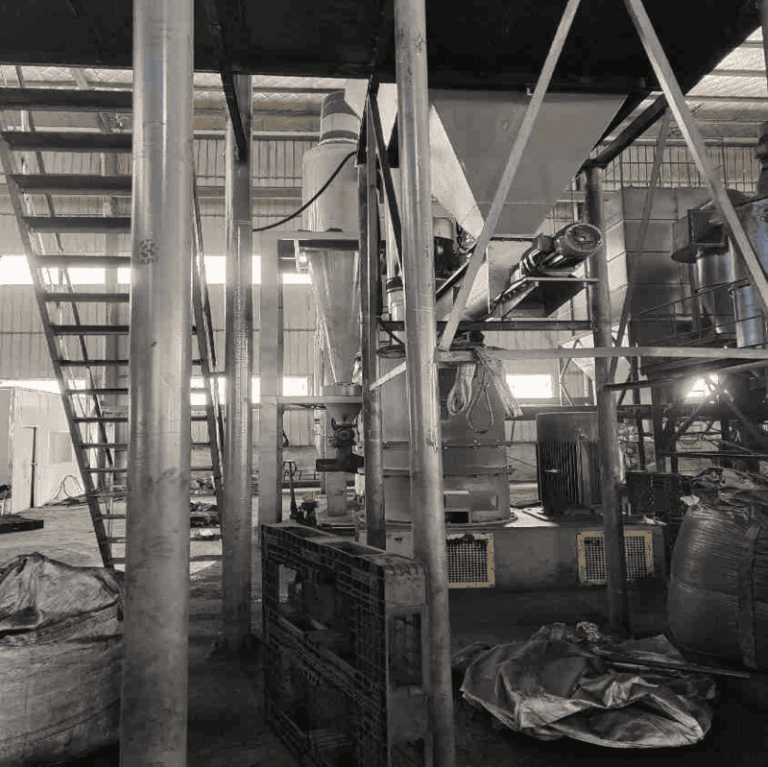
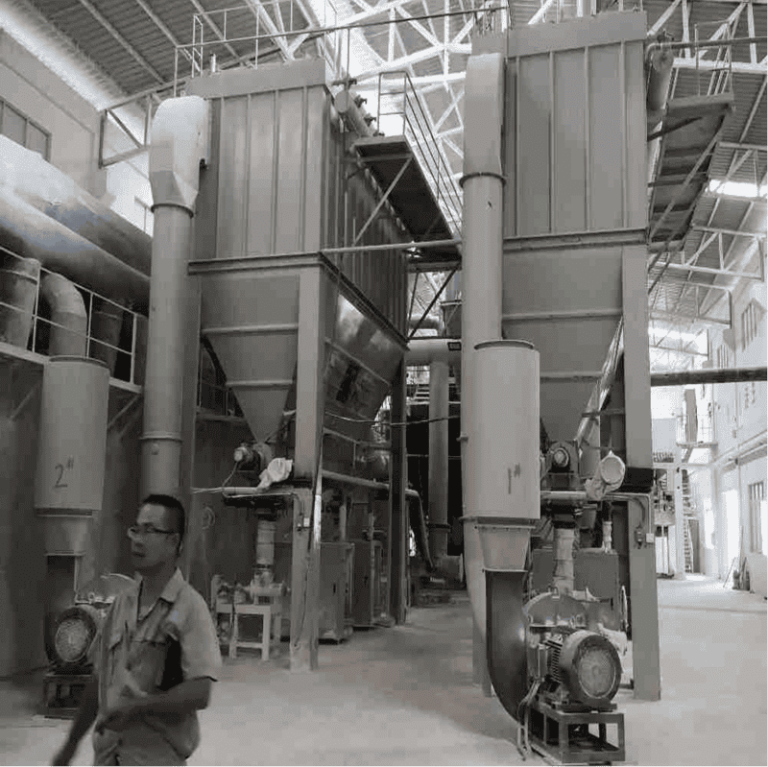
vertical impact mill
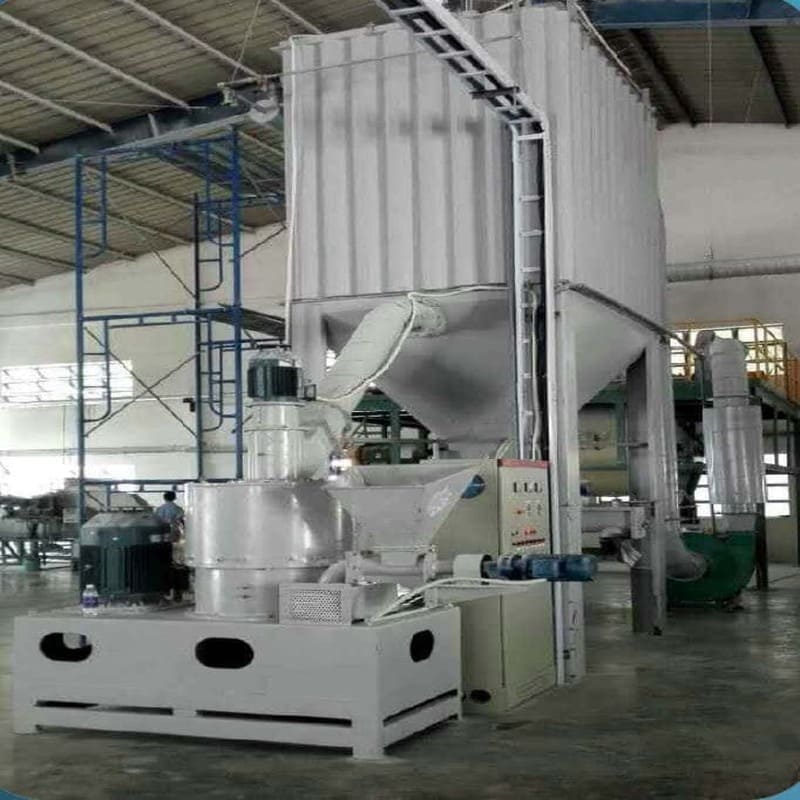
China No.1 Technology
- Complete model lineup delivers higher throughput, with 10%-20% larger output than single-layer mills under identical working conditions.
- Integrated crushing and shaping process drastically cuts comprehensive costs on equipment, drying and labor.
- Enlarged crushing chamber and dual crushing forces produce powder with narrow particle size distribution, ideal morphology and high tap density.
- Wear-resistant protective components reduce consumable costs by nearly 50%, and cathode models eliminate metal contamination.
- Compatible with various anode and cathode raw materials, featuring lower equipment investment and energy consumption for equivalent output.
Impact mill components
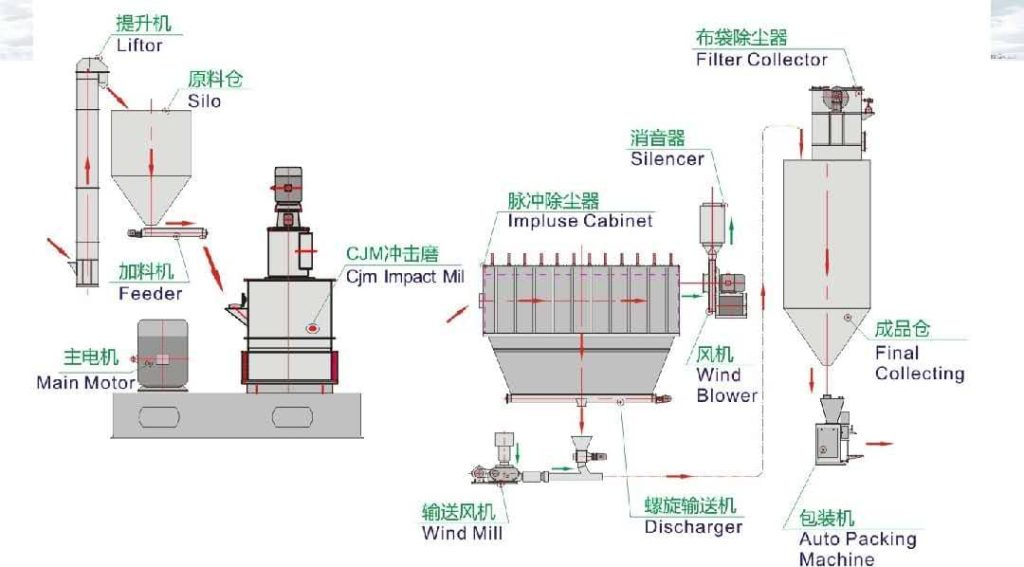
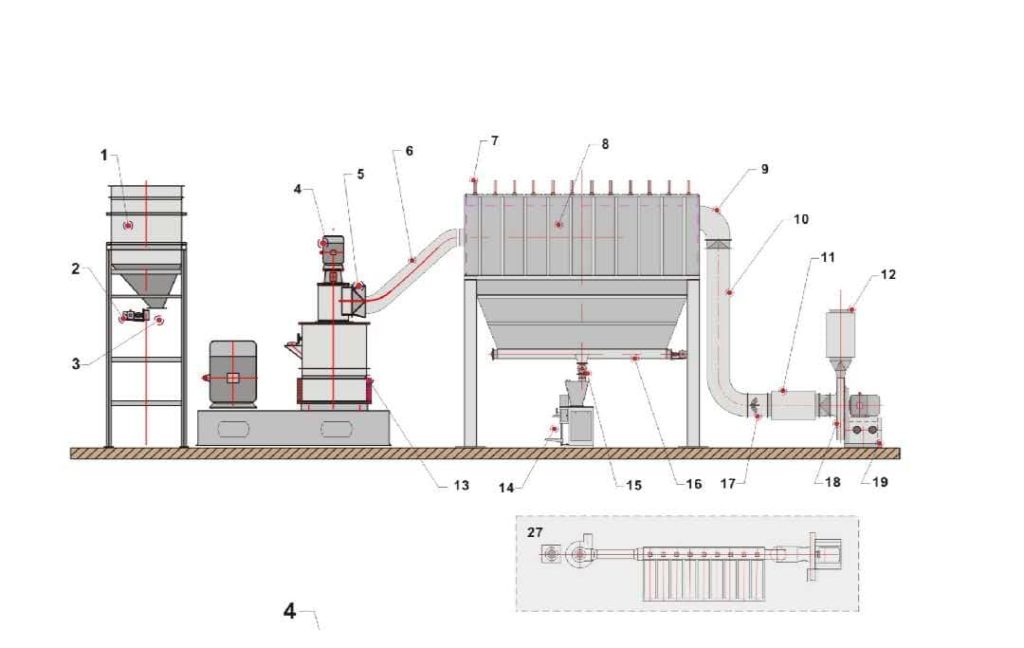
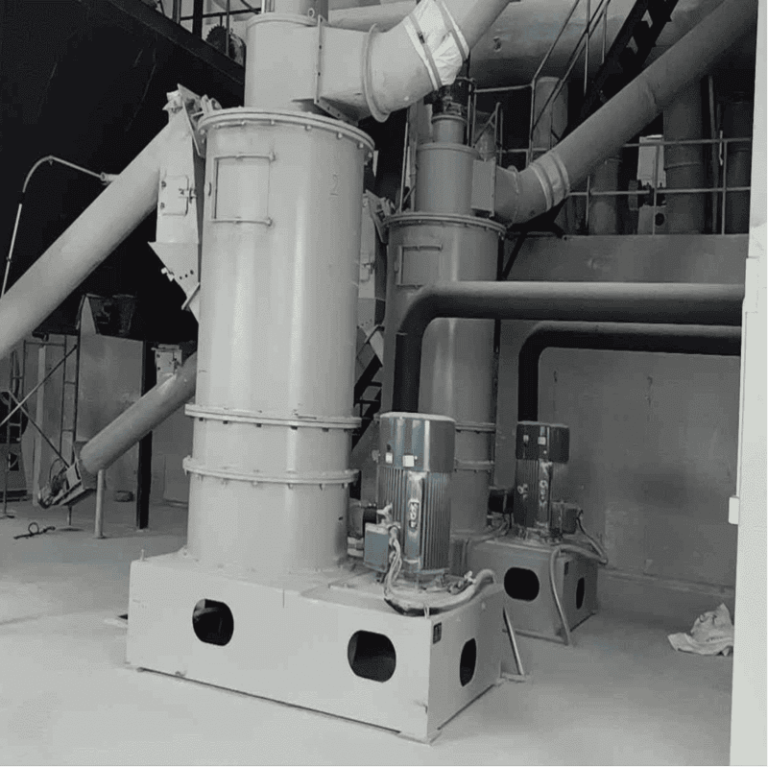
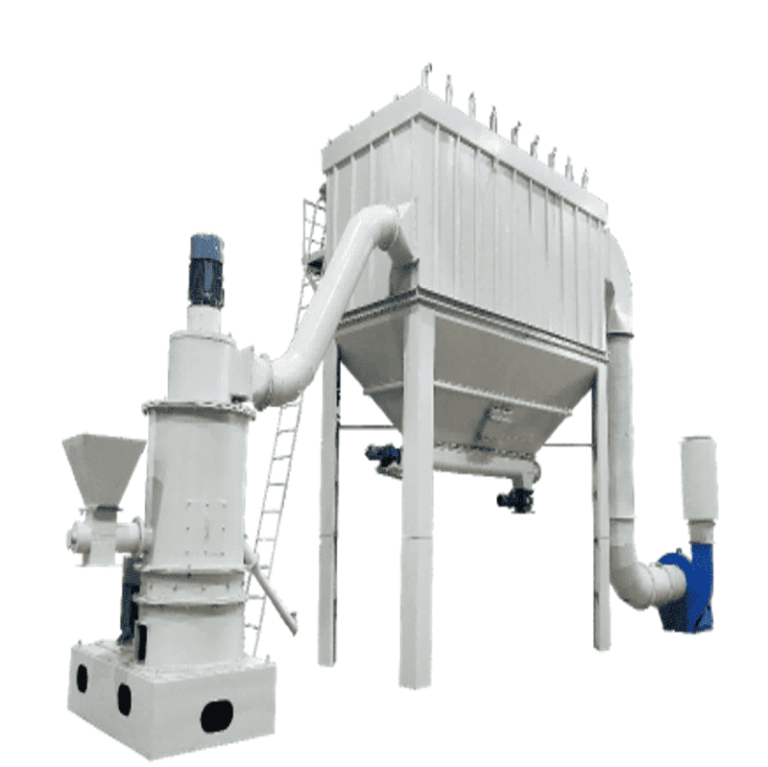
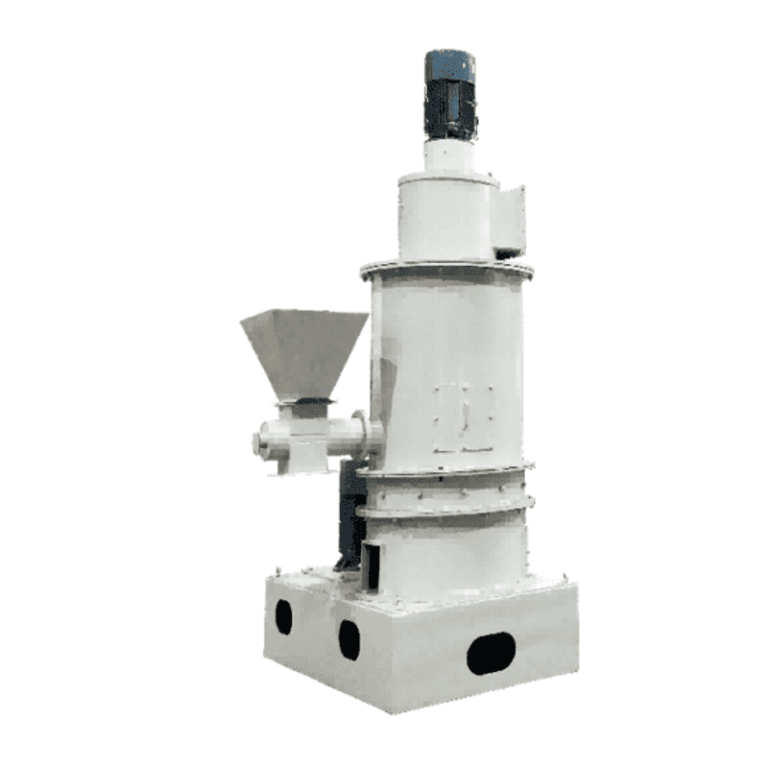
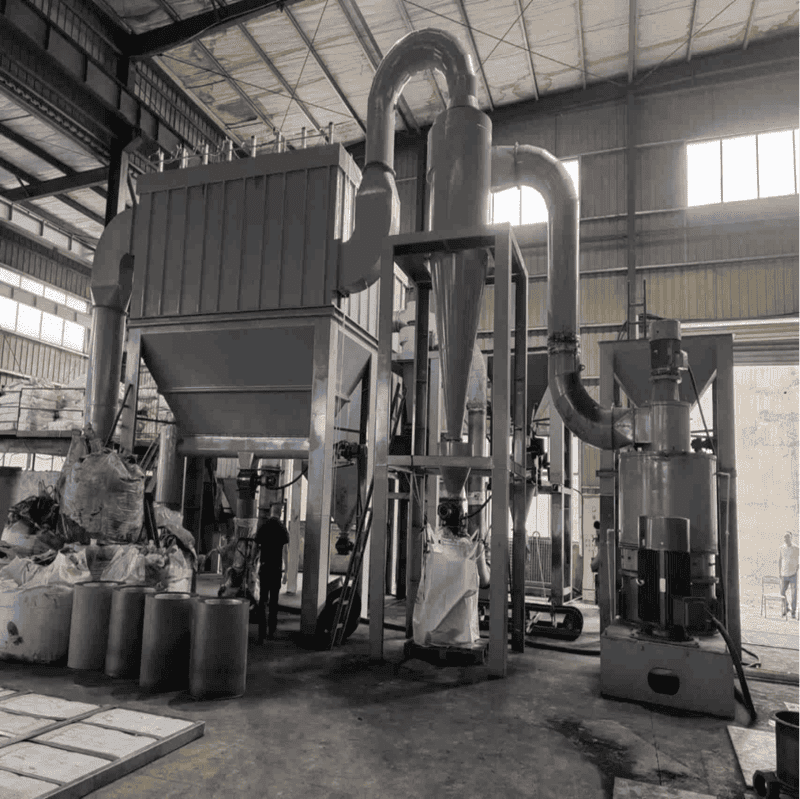
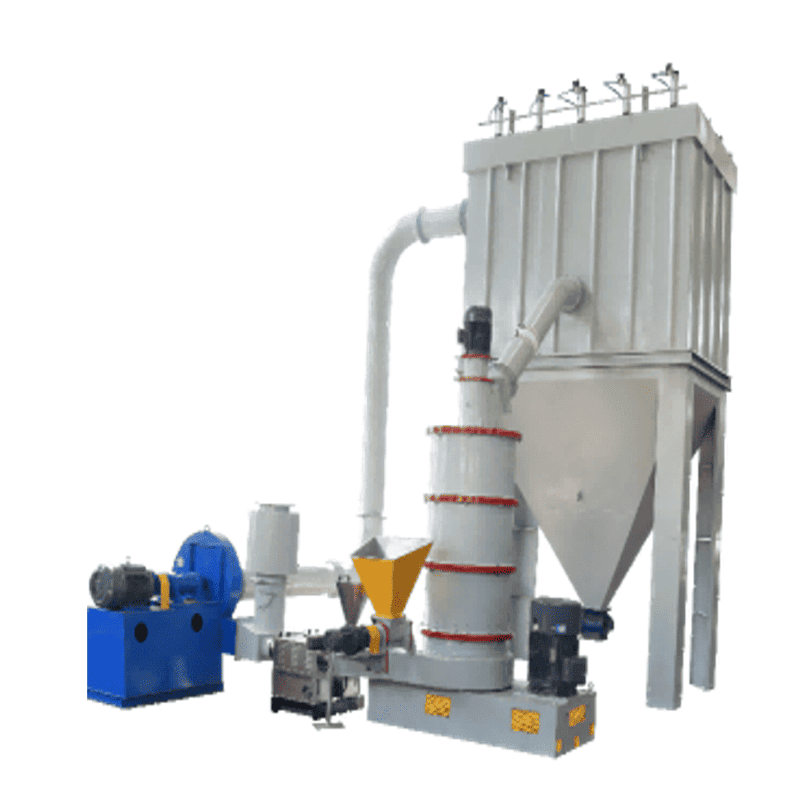
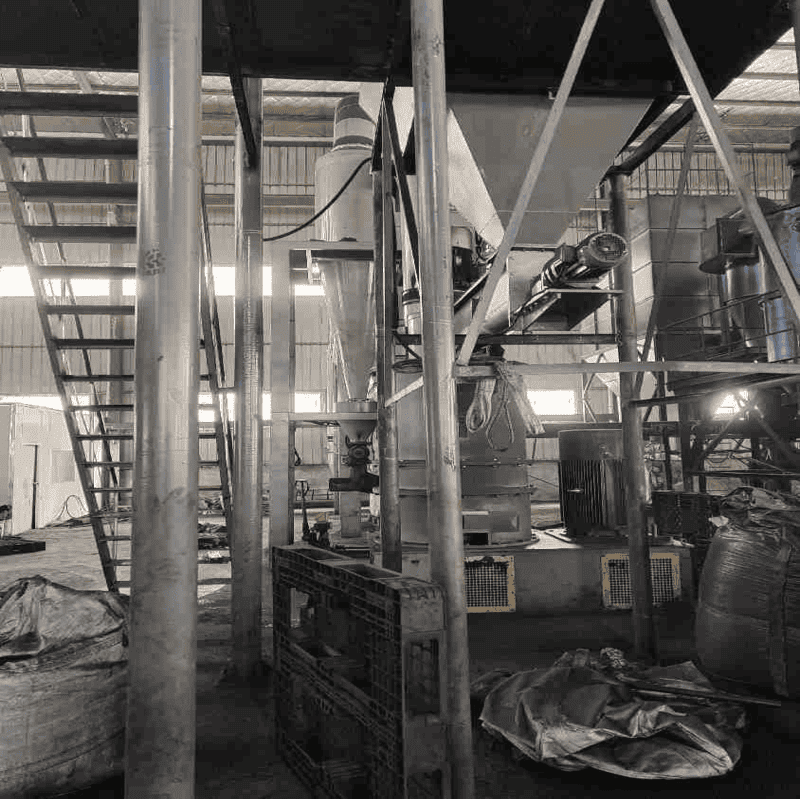
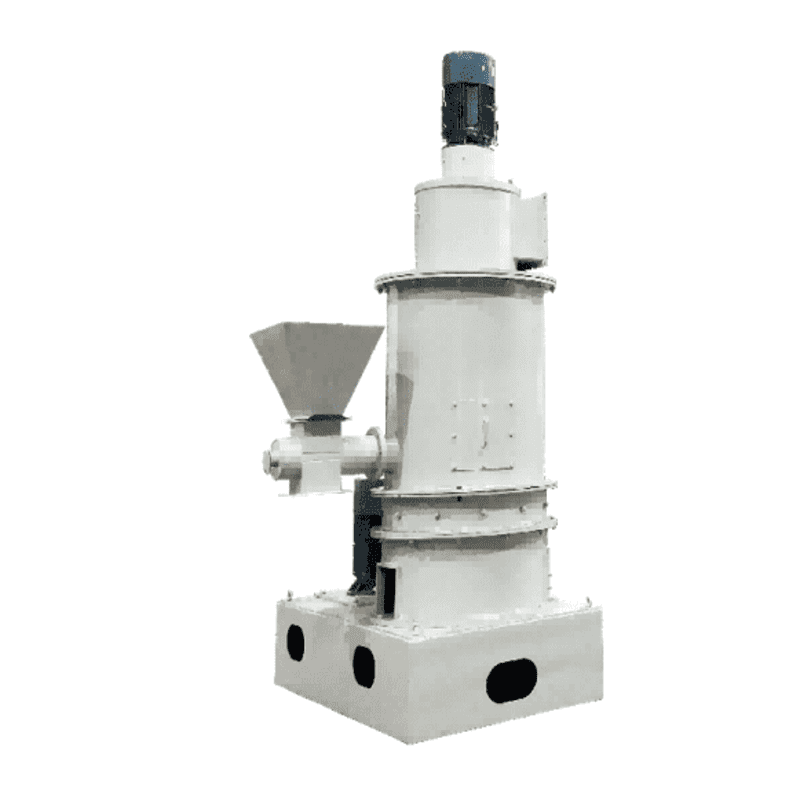
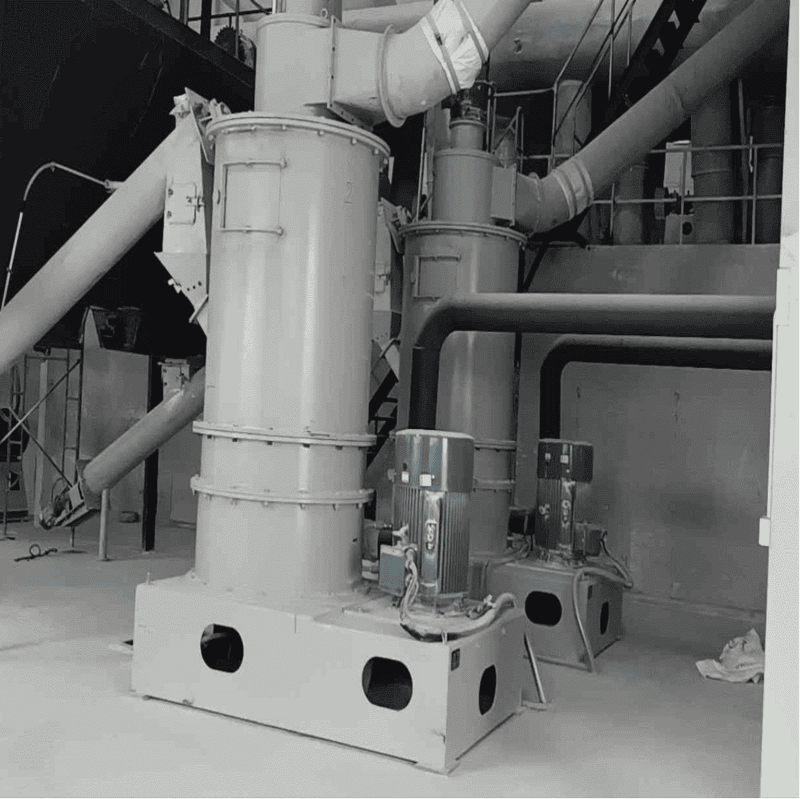
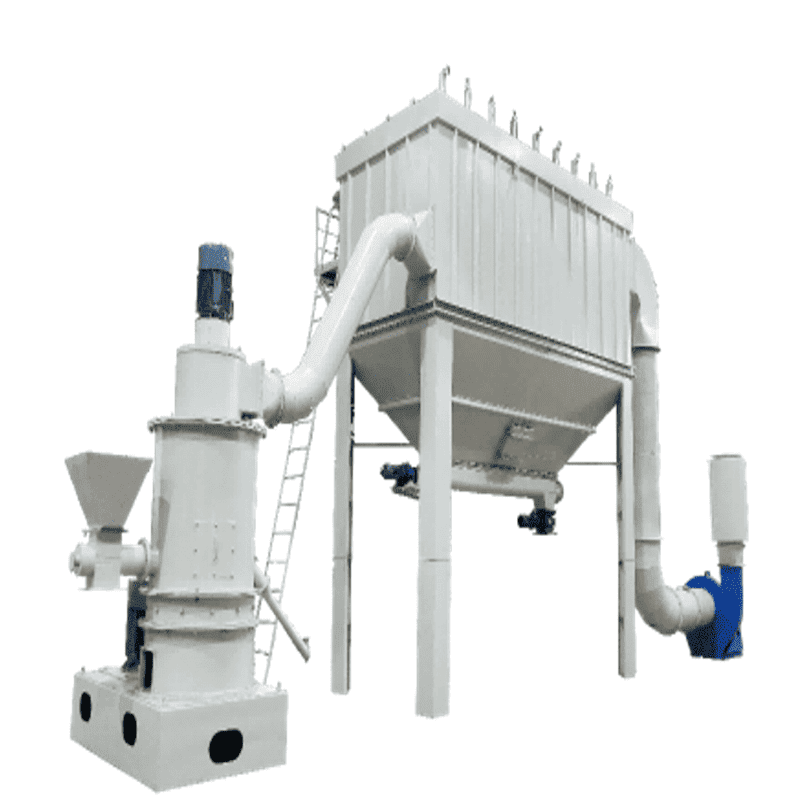
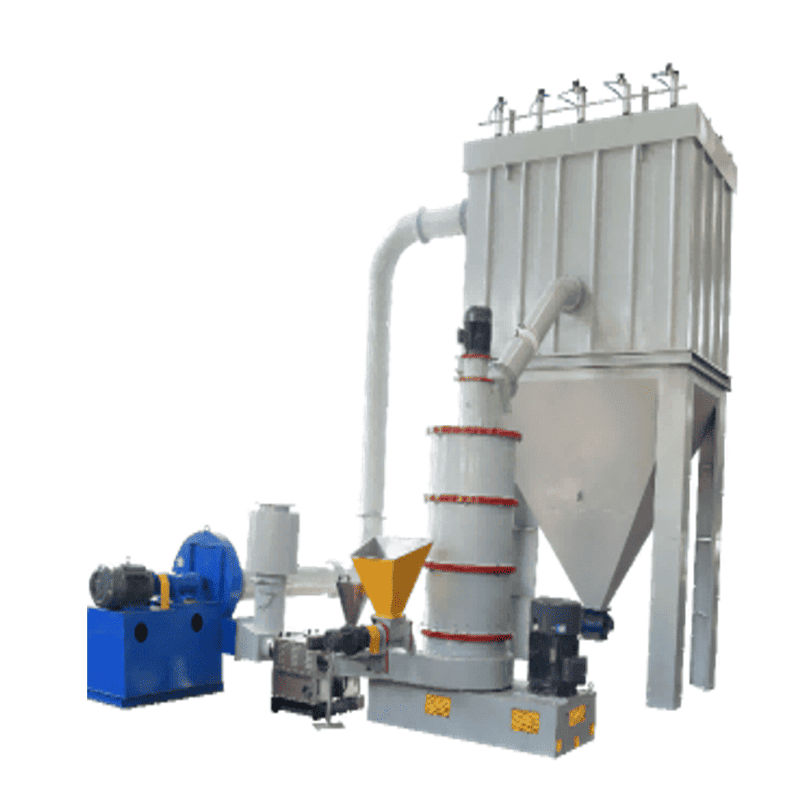
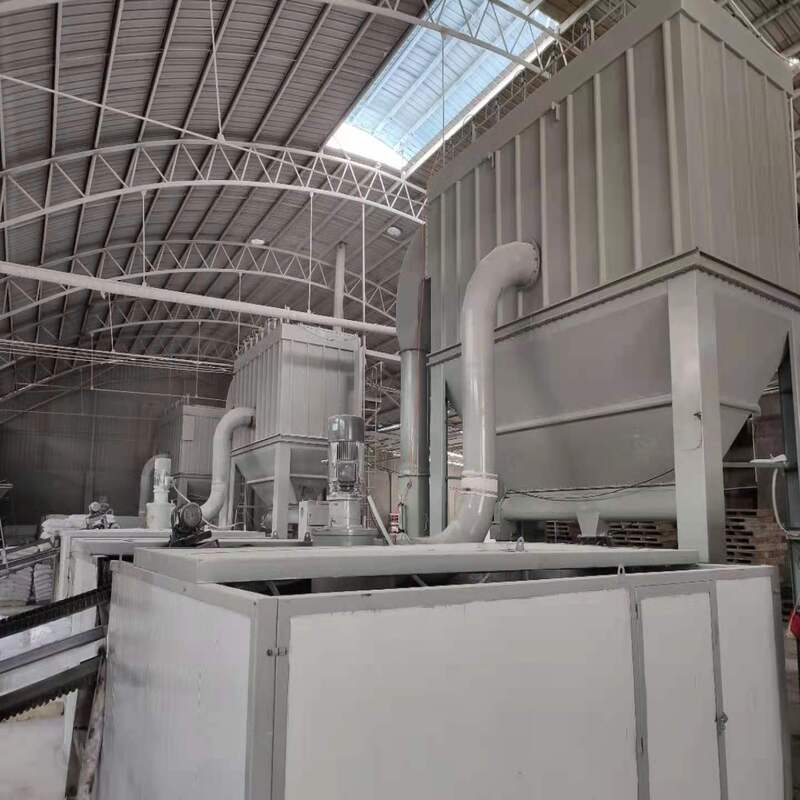
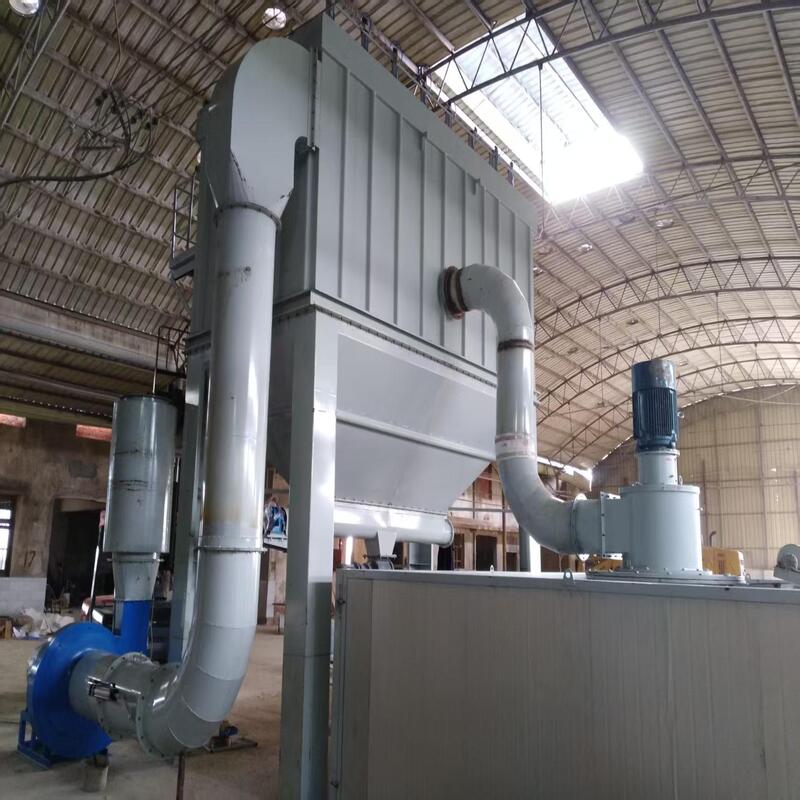
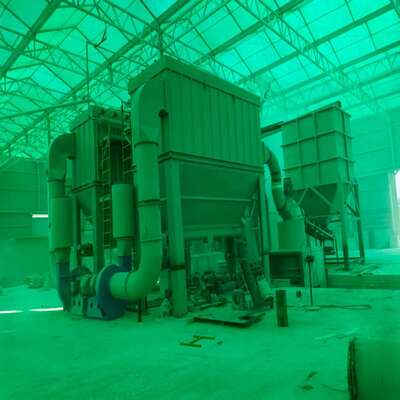
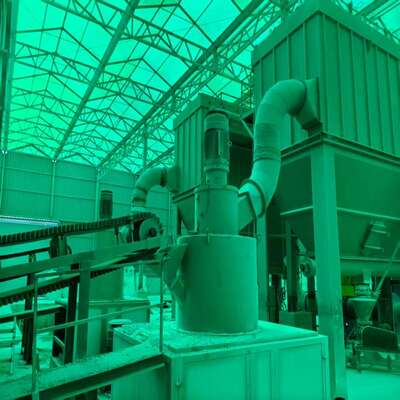
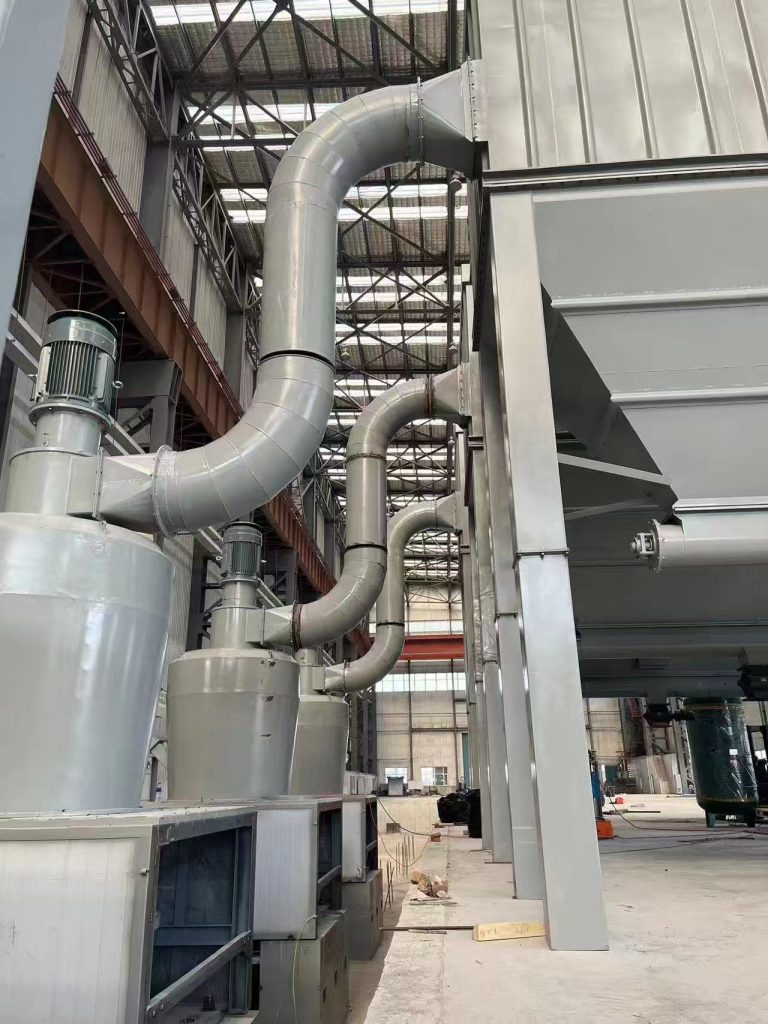
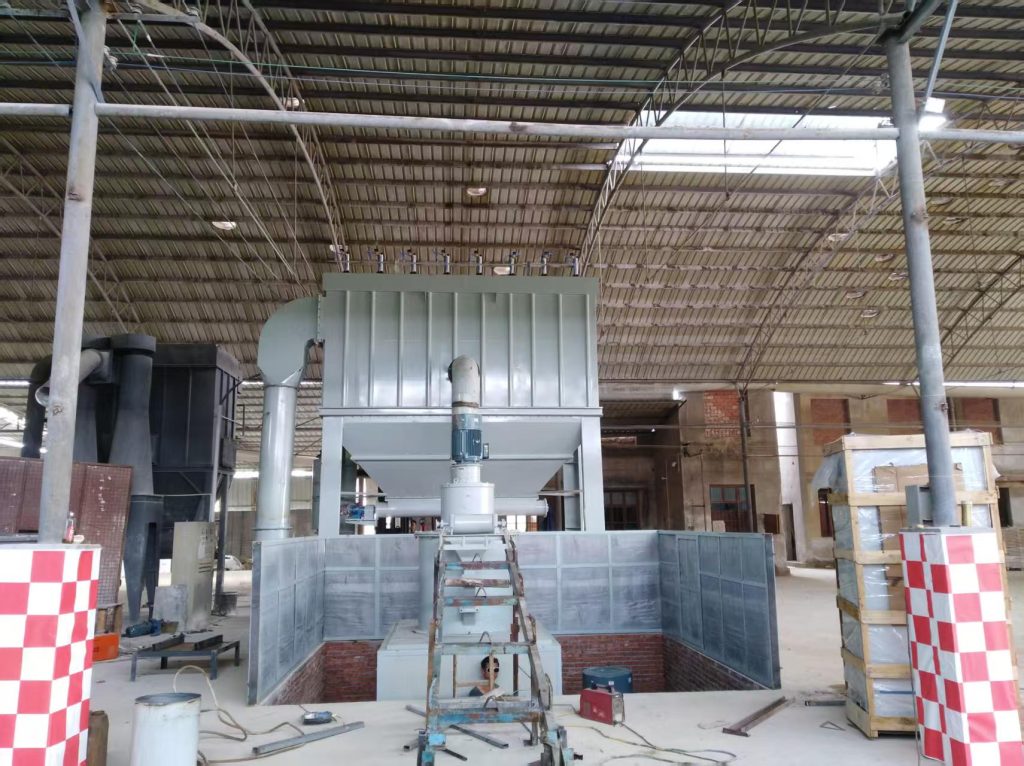
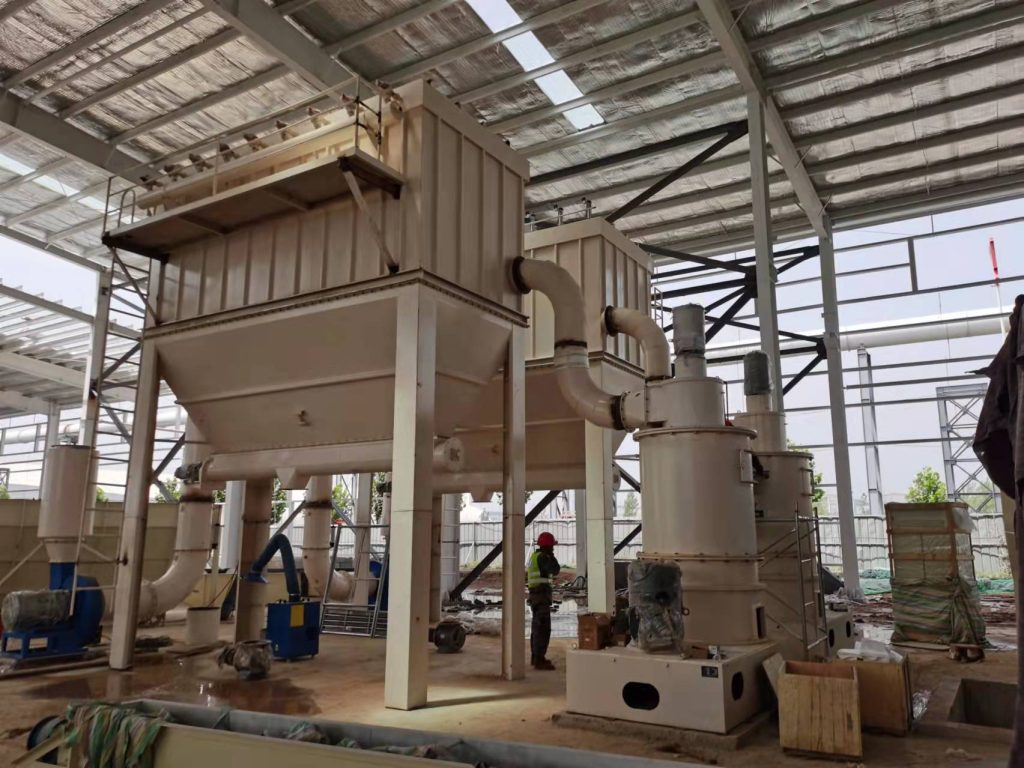
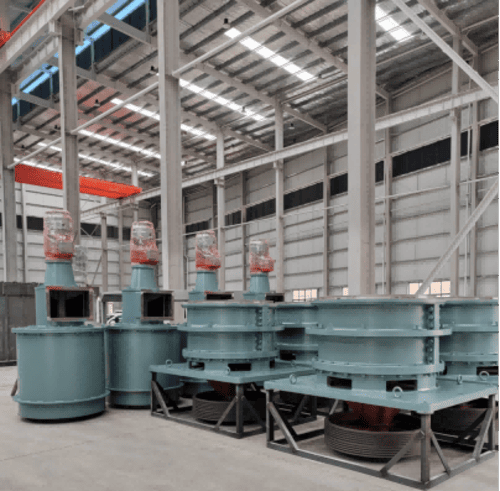
The impact mill (include vertical impact mill)comprises several essential components. The main housing uses a split-body design for easy maintenance access. Inside, a high-speed rotor assembly with an impact disc, hammers, and drive motor delivers intense grinding force via a precision transmission system.
The grinding chamber features wear-resistant liners and stator rings to withstand continuous impact. An integrated vertical turbine classifier separates coarse and fine particles using centrifugal and air drag forces, enabling closed-circuit grinding.
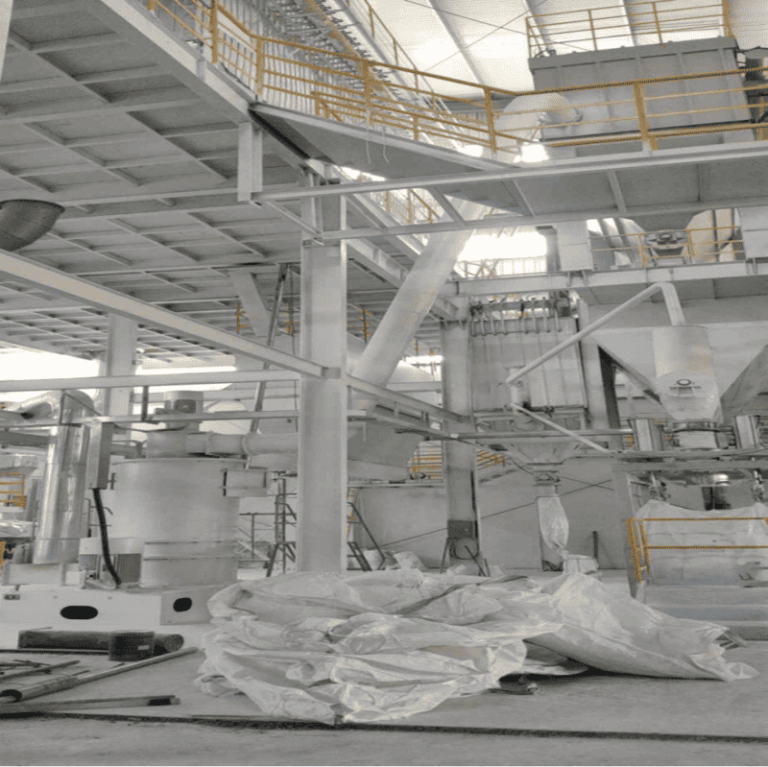
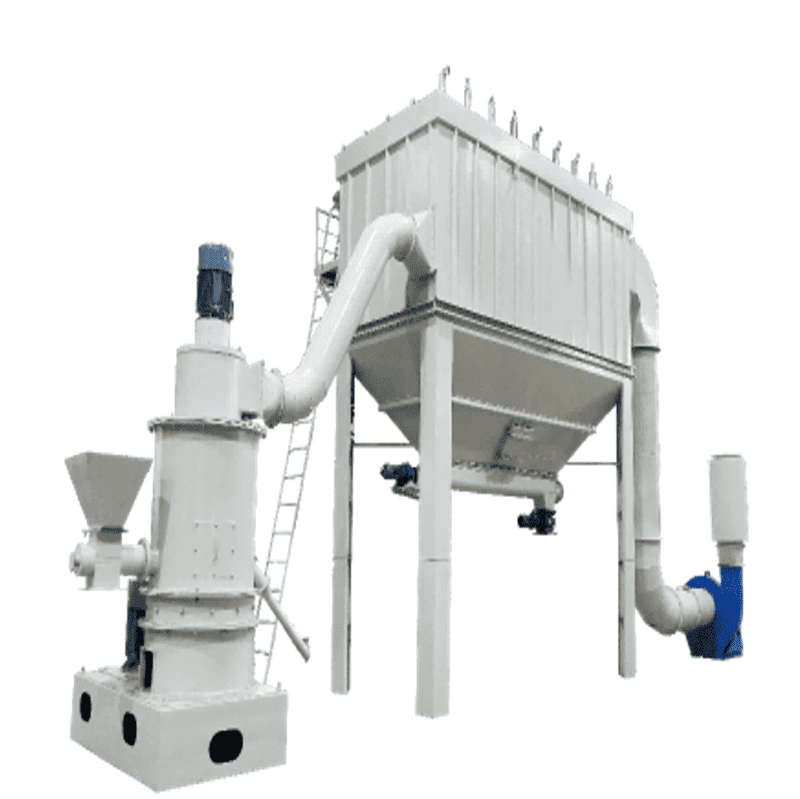
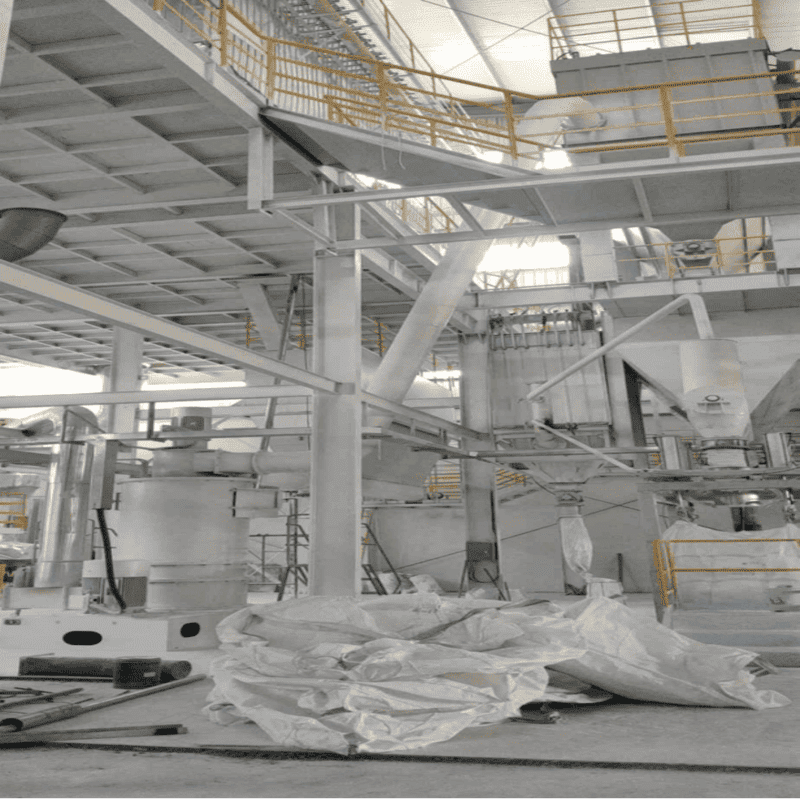
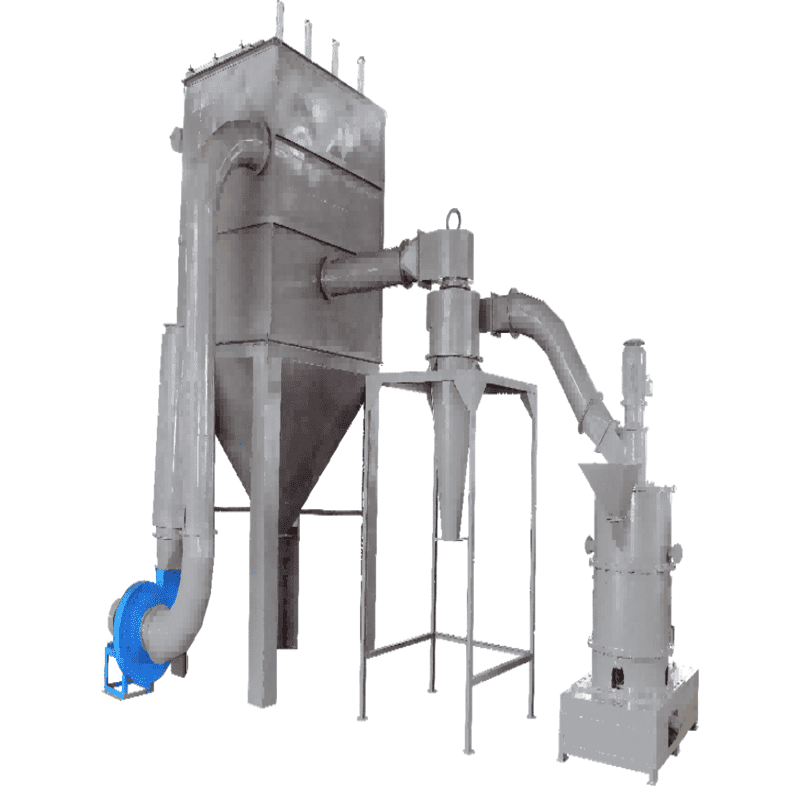
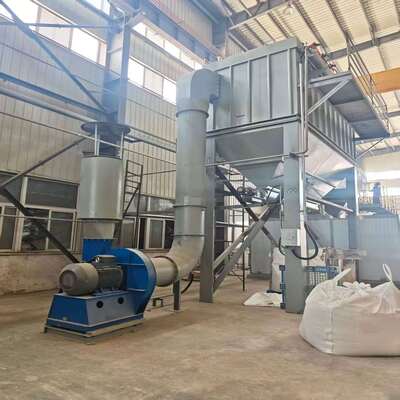
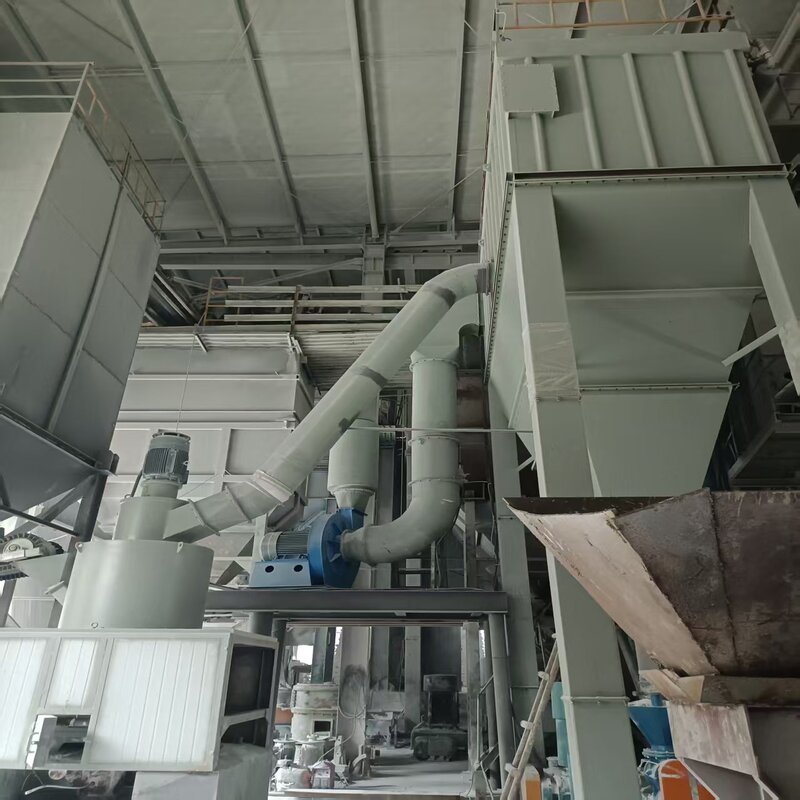
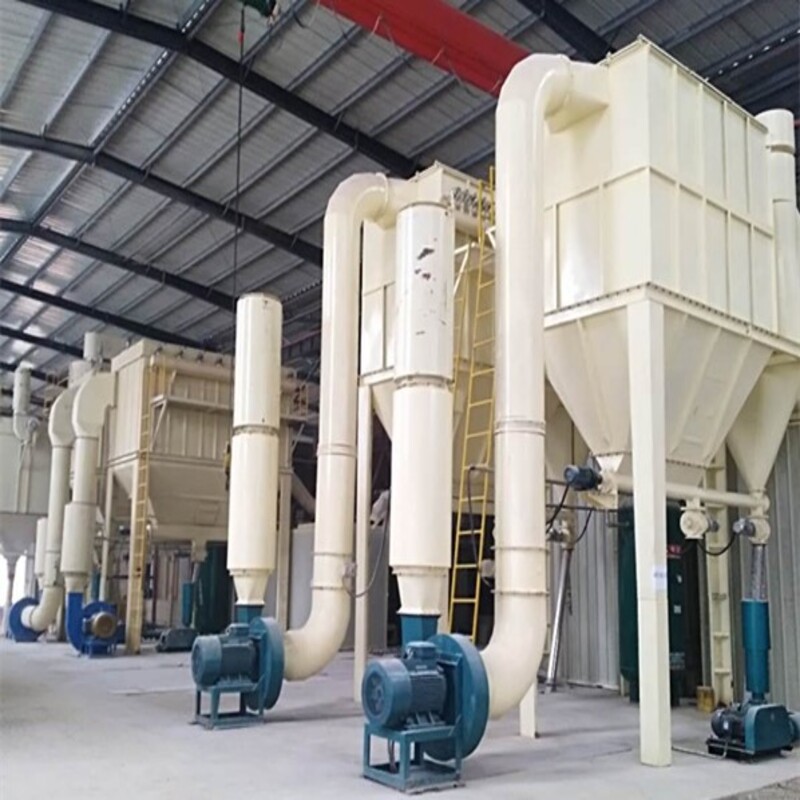
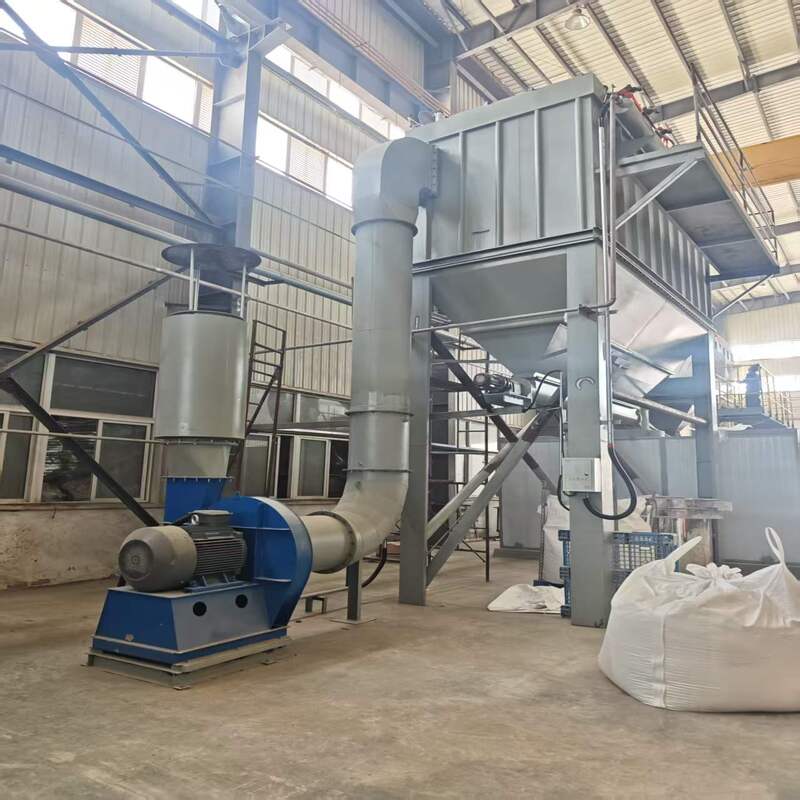
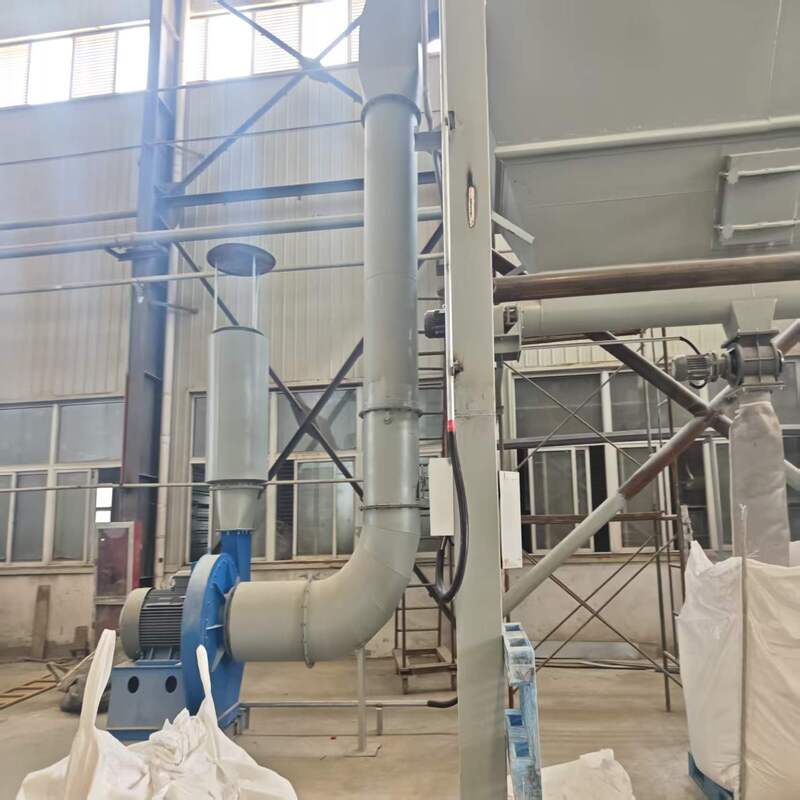
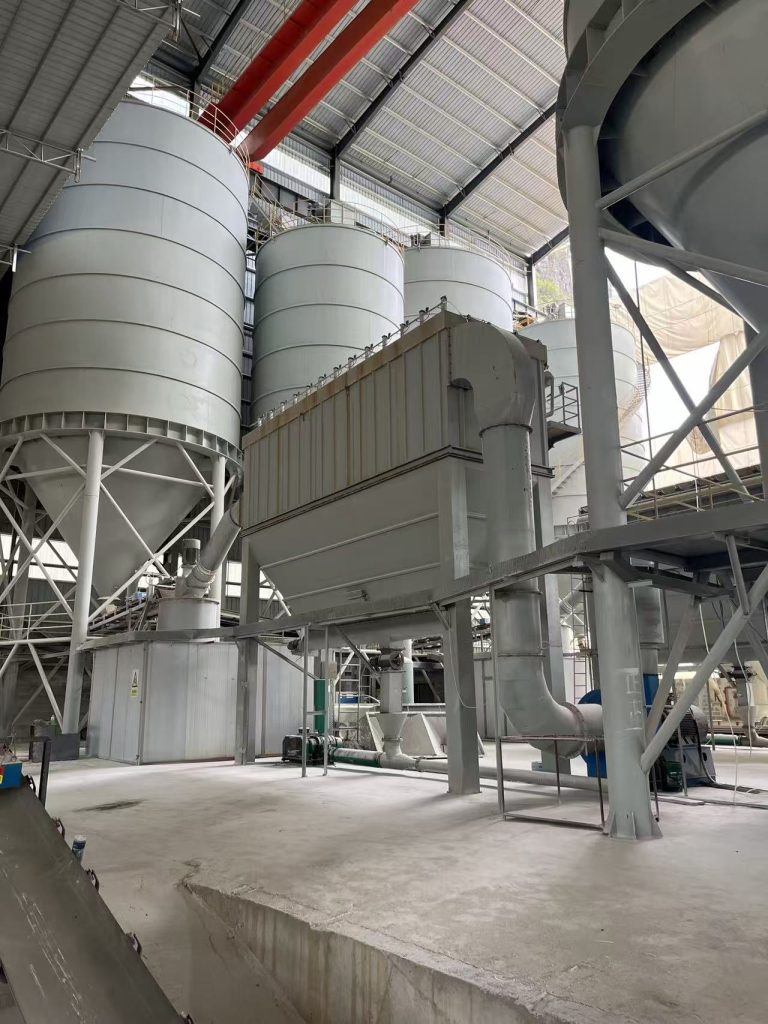
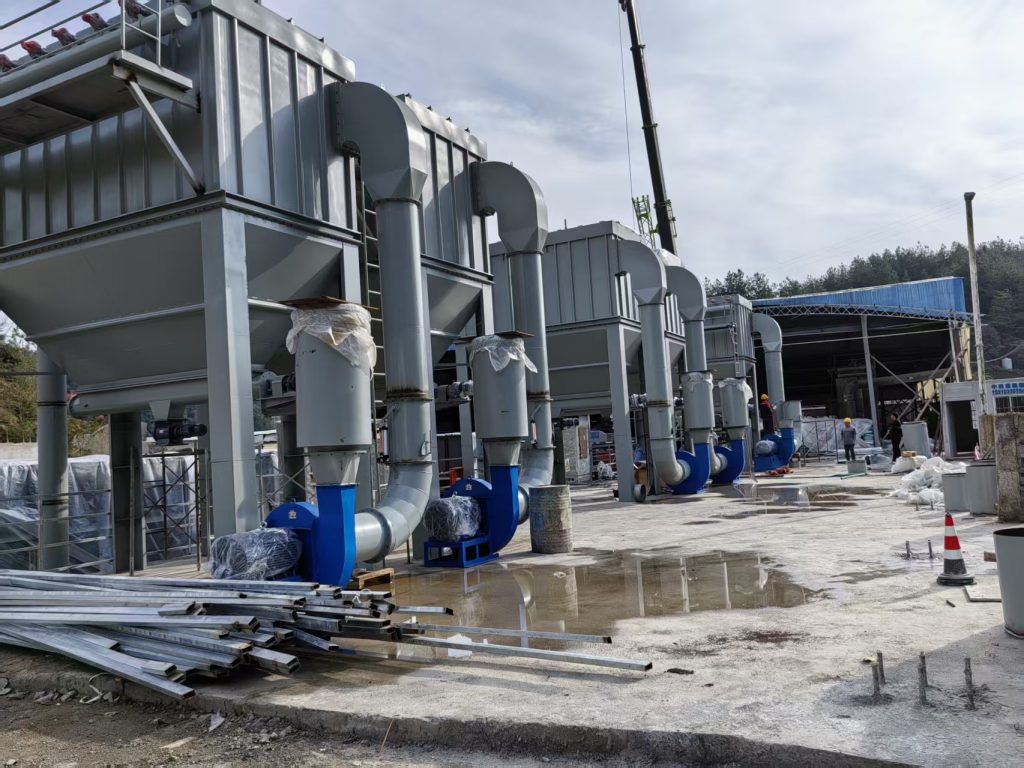
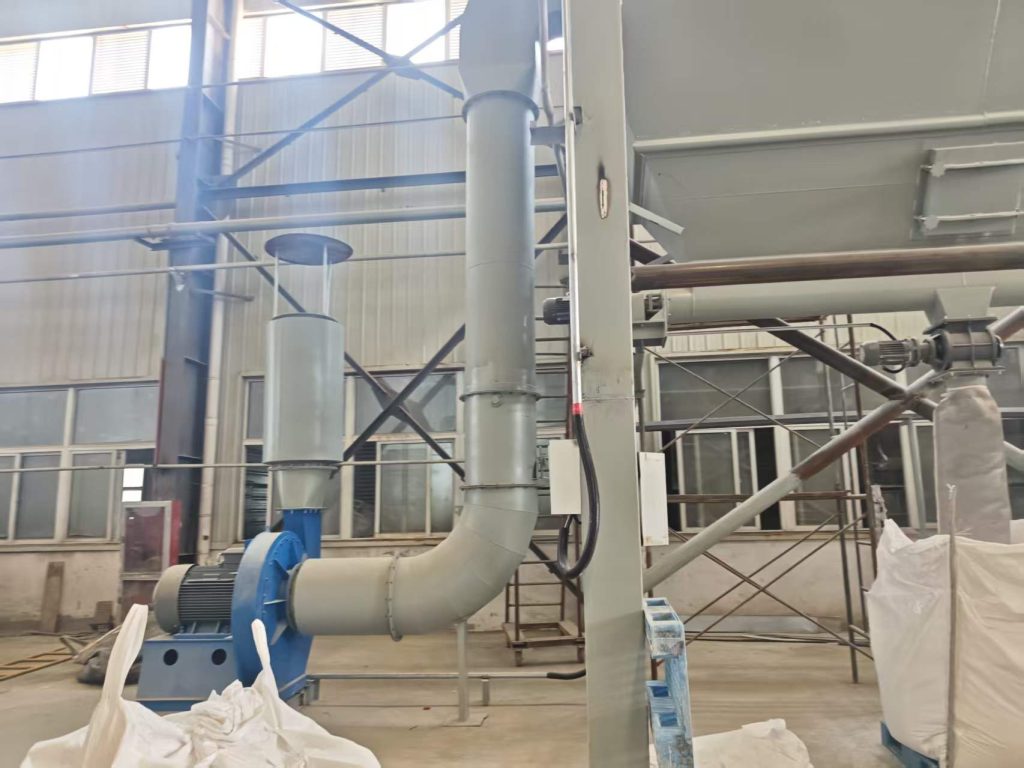
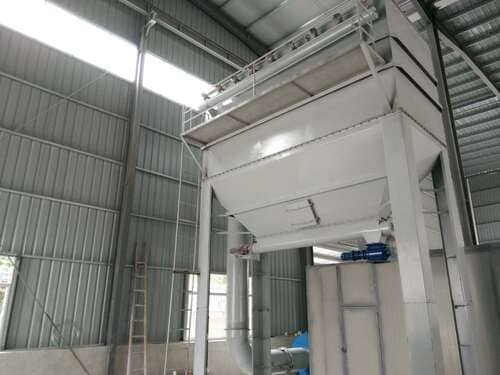
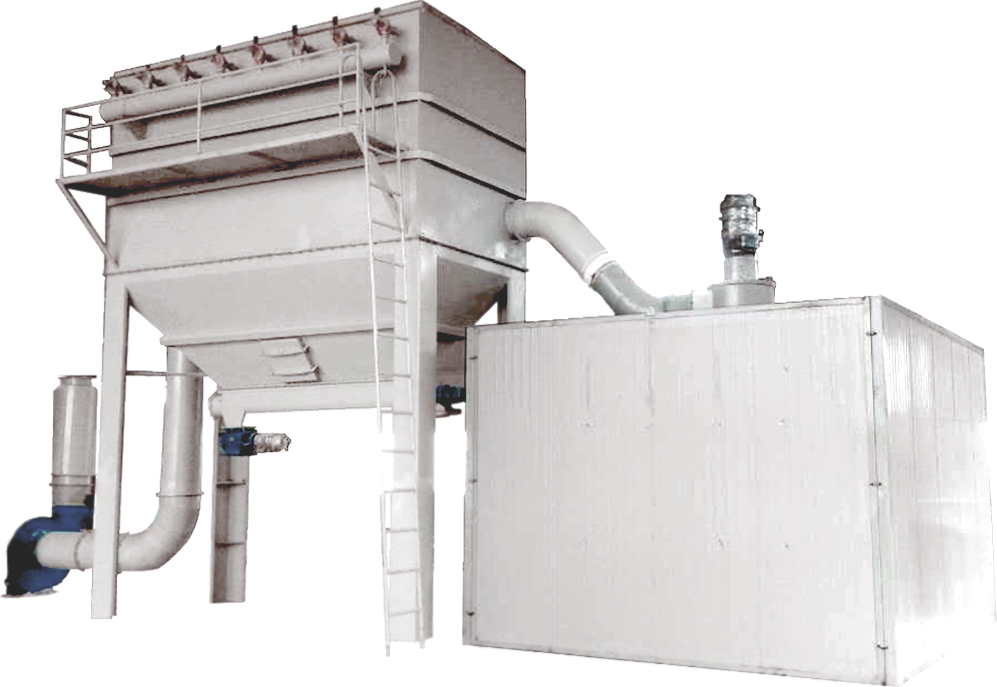
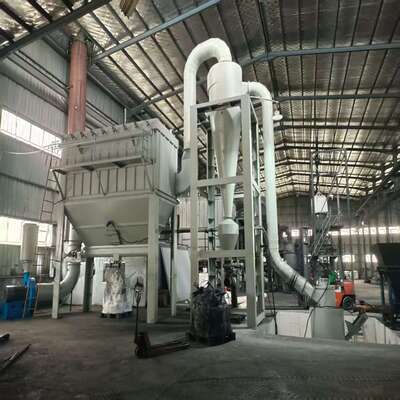
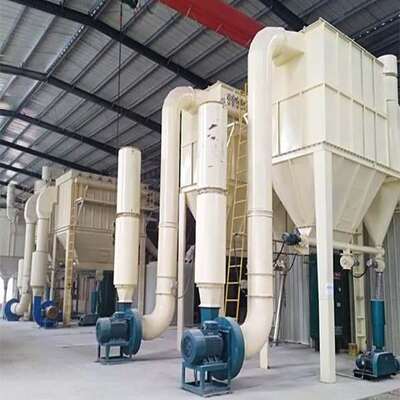
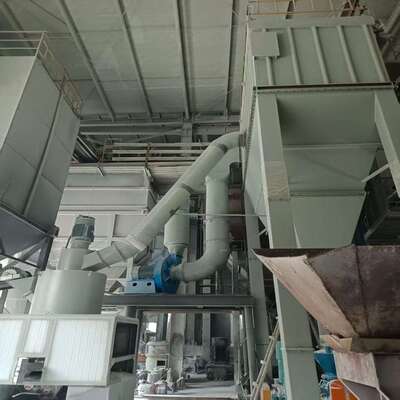
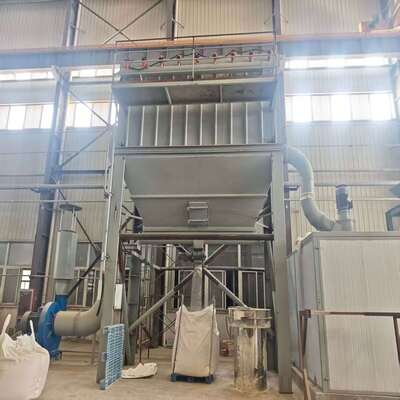
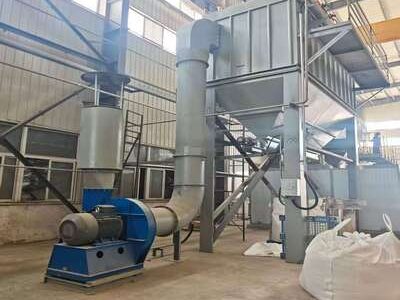
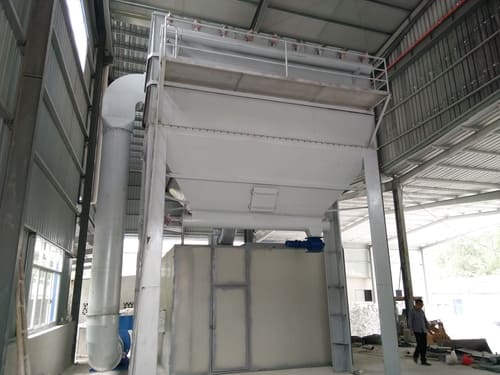
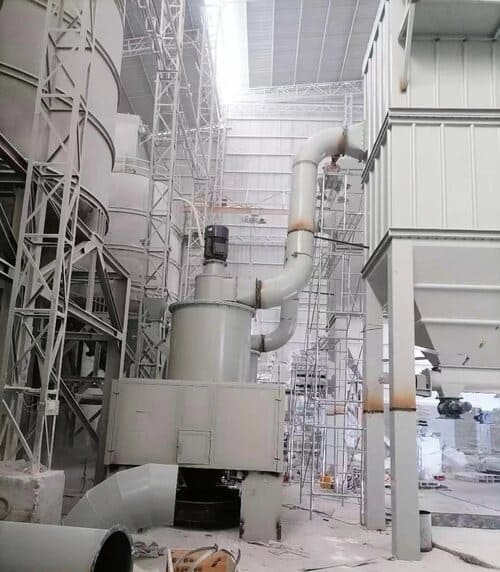
Supporting systems include a feeding device for controlled material input, an airflow system for powder transport, a dust collection unit for environmental compliance, and an electrical control cabinet managing operational parameters. All components mount on a reinforced steel base frame, ensuring stability and facilitating installation and shipping.
Impact mill mainframe architecture
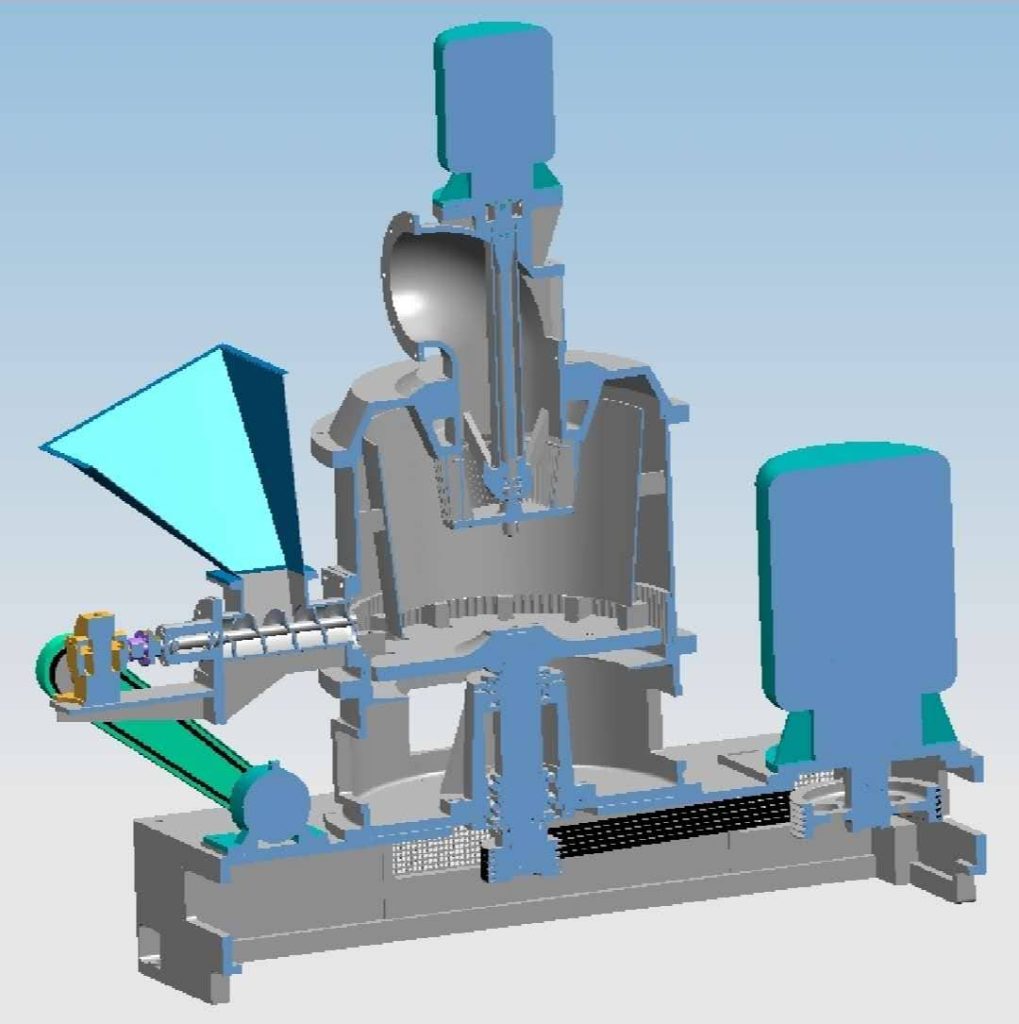
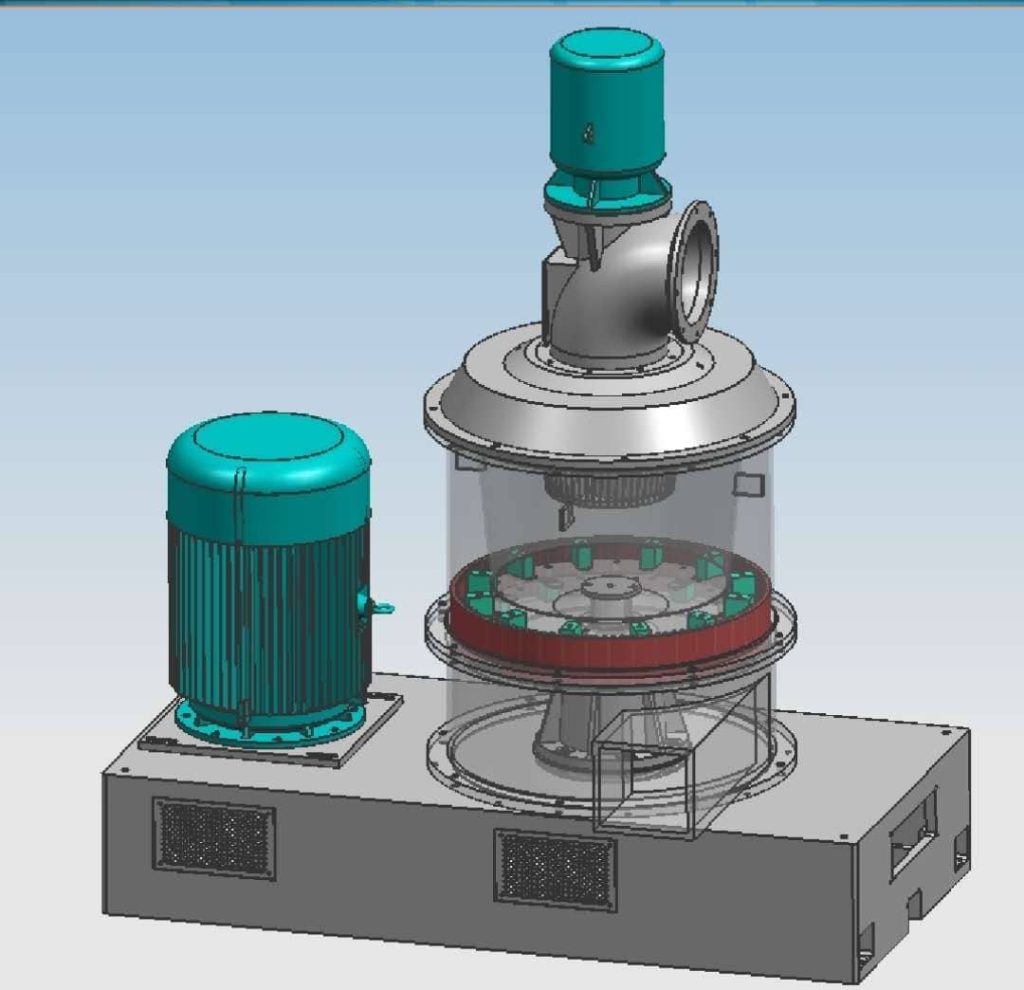
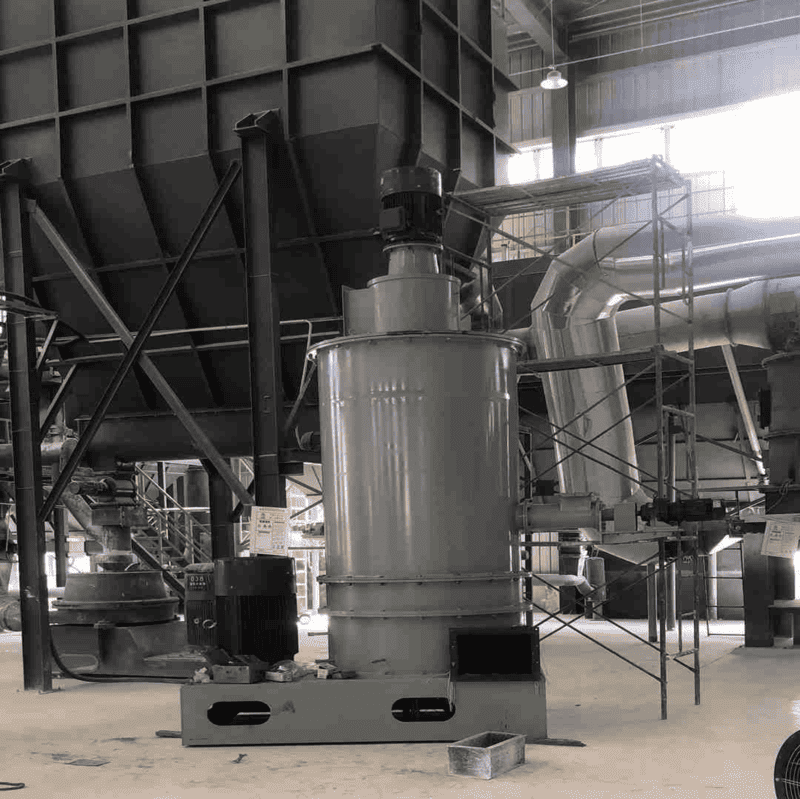
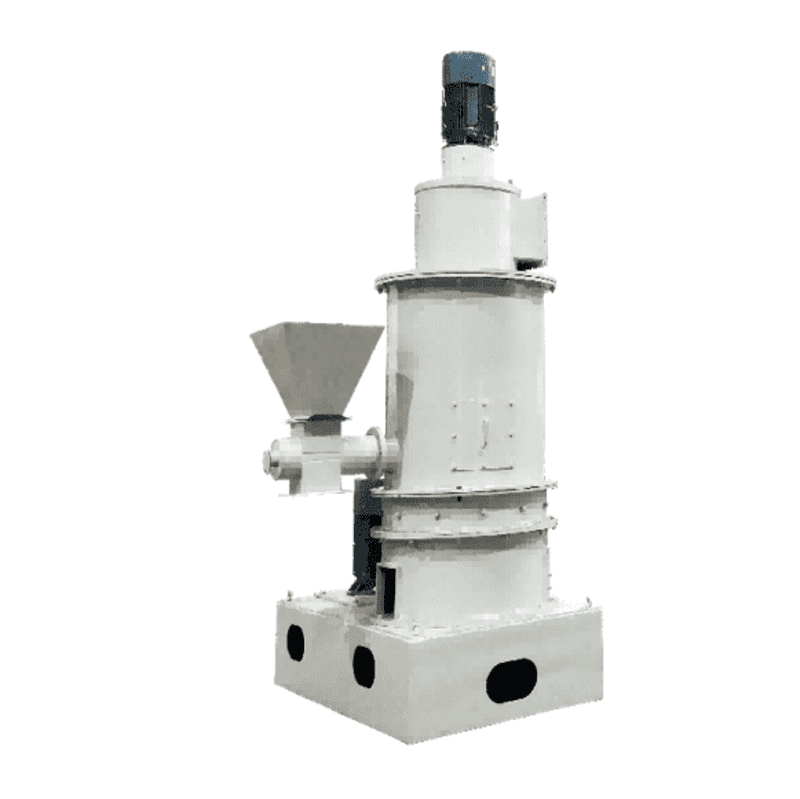
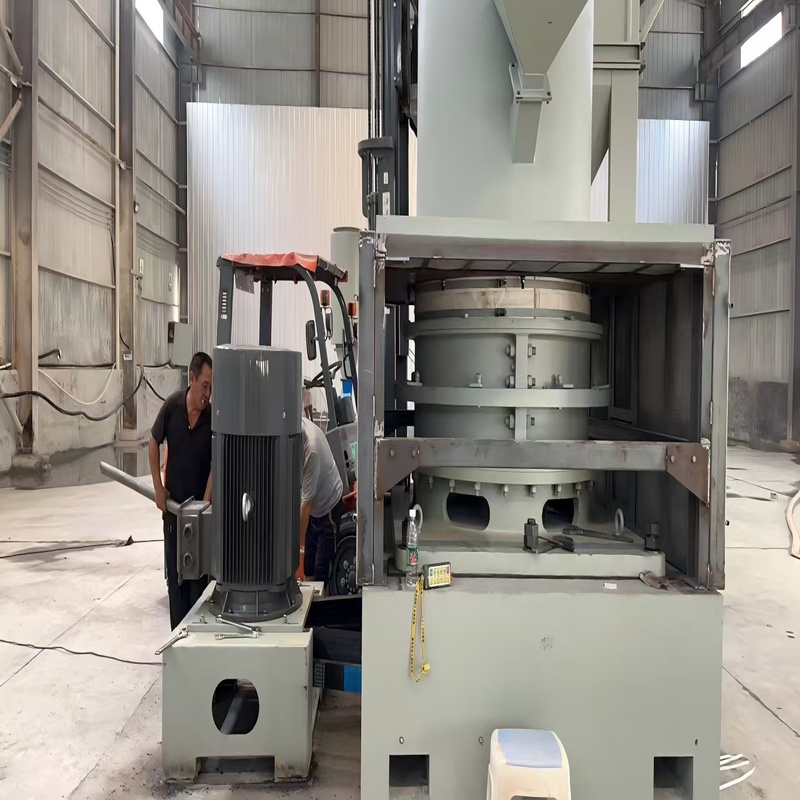
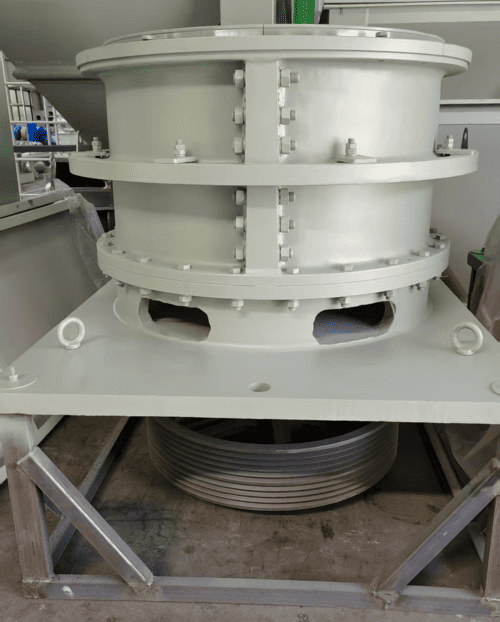
The impact mill main unit is the core of ultra-fine grinding, built with a modular split-body housing of side panels and a central cylinder. This design allows easy access to wear zones for quick maintenance and reduced downtime.
Inside, a high-speed rotor driven by a motor features an impact disc with peripheral hammers. Operating at tip speeds of 80–120 m/s, these hammers deliver intense kinetic energy to shatter incoming material within the grinding chamber.
The chamber is lined with wear-resistant liners and stator rings. Particles undergo repeated impact, collision, friction, and shear between rotor and liners. Centrifugal force throws them outward for inter-particle collision, progressively reducing size.
A vertical turbine classifier mounted atop separates coarse from fine powder using balanced centrifugal and air drag forces. Coarse particles recirculate for re-grinding; fines exit with the airstream, achieving fineness beyond 2500 mesh in continuous closed-circuit operation.
Vertical impact mill description
Simply put, a Vertical impact mill is a piece of industrial equipment designed for size reduction and grinding. It relies on high-speed vertical rotating impact forces to get the job done. By combining impact, collision, and shear effects, it breaks down bulk solid materials into uniform particles. One of the best things about it is the compact structure, which means it takes up less floor space. Plus, compared to traditional milling equipment, it offers relatively low energy consumption, making it a great choice for processing brittle and medium-hard materials.
What is Vertical impact mill?
A Vertical impact mill is essentially modern crushing and grinding equipment featuring a vertically arranged impact rotor. Here’s how it works: high-speed rotating impellers accelerate the incoming materials, causing them to collide with each other and with fixed impact liners to achieve size reduction. Because of its vertical structure, it saves a significant amount of plant space. It’s also quite versatile, capable of taking materials from coarse crushing all the way to fine grinding in a single processing step.
What is the Vertical impact mill process?
The process generally begins by uniformly feeding raw materials into the mill chamber. From there, high-speed rotating impellers accelerate the materials, triggering high-energy collisions between the particles and the impact liners. Once crushed, qualified fine particles are carried out by the airflow for classification. Meanwhile, any oversized particles simply fall back into the grinding area for another go. Finally, the finished products are collected after the classification step is complete.
What are the uses of Vertical impact mill?
You’ll find the Vertical impact mill used for crushing and fine grinding a variety of medium-hard and brittle materials. This includes non-metallic ores like limestone, quartz, barite, and calcite. It’s also really handy for artificial sand making from gravel and recycling construction waste into recycled aggregates. Beyond that, it plays a role in preparing industrial mineral powder and handling raw material size reduction in both the chemical and refractory material industries.
What is the best Vertical impact mill process?
Actually, the optimal process really depends on the properties of your raw materials and the fineness you need. That said, for most production scenarios, a closed-circuit process equipped with a dynamic powder classifier is the way to go. This setup returns oversized particles to the mill for regrinding, which ensures consistent product fineness. It also helps reduce energy waste from over-grinding and boosts overall output, making it ideal for mass production of qualified fine powder and aggregates.
Vertical impact mill process Application:
The Vertical impact mill process is applied quite widely across different industrial fields. In the mining industry, for instance, it processes non-metallic ores to create fine powder raw materials used in papermaking, paint, and ceramics. In construction, it’s the go-to for artificial sand production and recycling construction waste. It’s also useful for raw material crushing in the chemical industry and even helps with volume reduction processing of solid waste in environmental protection.
Vertical impact mill Processing Technology:
The core technology here is based on the high-speed vertical impact crushing principle. Modern setups integrate automatic feeding control, airflow classification, and closed dust collection systems for smoother operation. To extend service life, the core impact components are made from wear-resistant alloy materials. It’s worth noting that operators can adjust product fineness by simply changing the rotor speed and airflow parameters, allowing them to meet requirements ranging from coarse crushing to ultra-fine grinding.
Guide to Vertical impact mill: Mills, Tips, and Uses
When selecting a Vertical impact mill, it’s important to match the equipment model with your expected output and the fineness you need. For daily operation, try to keep the feeding speed uniform to avoid overloading the mill. We recommend checking the wear on impact liners and impellers regularly and replacing any severely worn parts promptly. Also, maintaining stable airflow is key to ensuring normal classification. Its main uses cover non-metallic ore grinding, artificial sand making, construction waste recycling, and chemical raw material processing.
What is the auxiliary equipment in a Vertical impact mill plant?
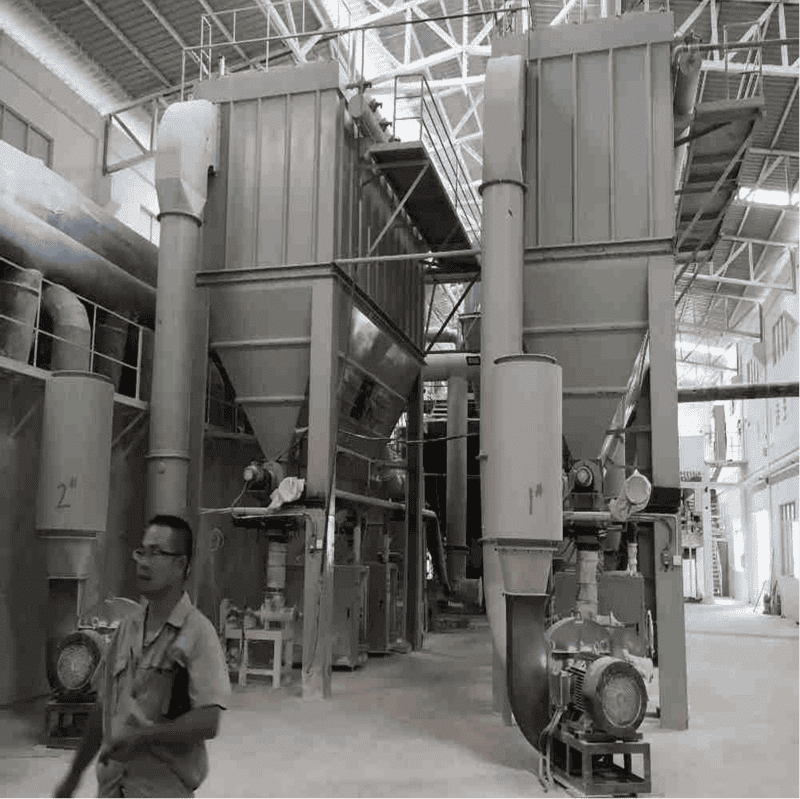
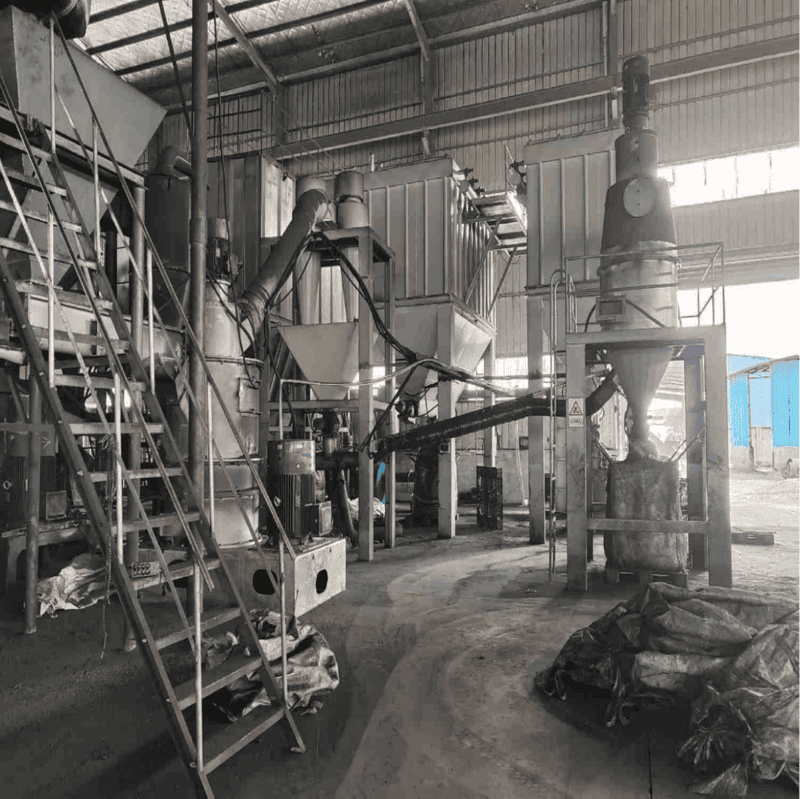
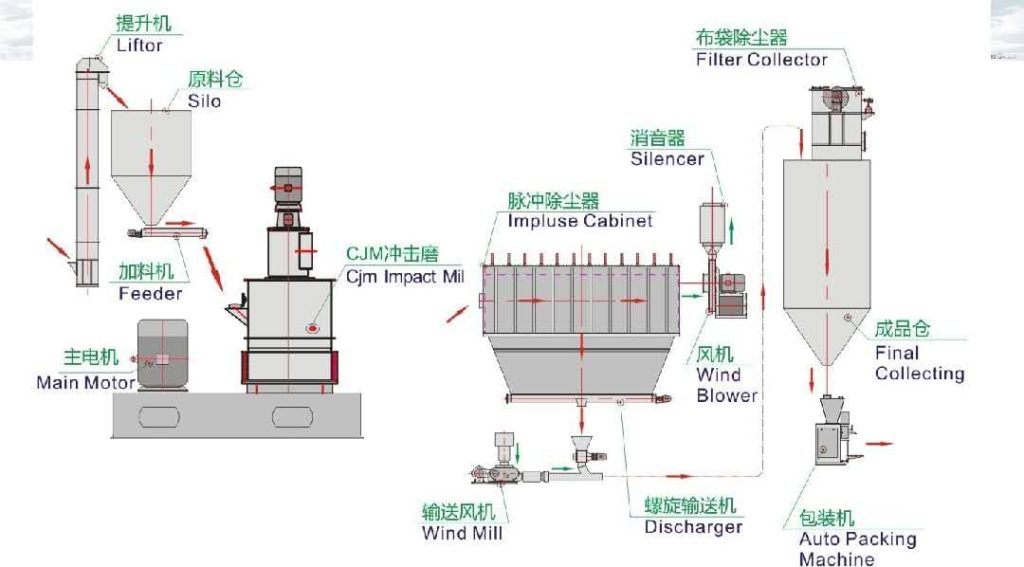
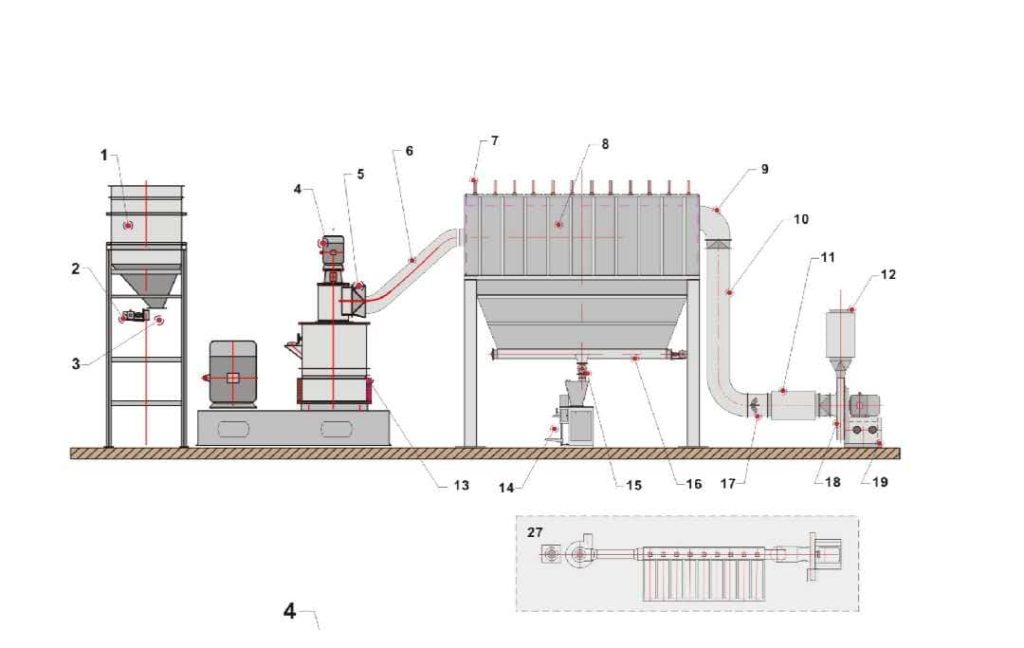
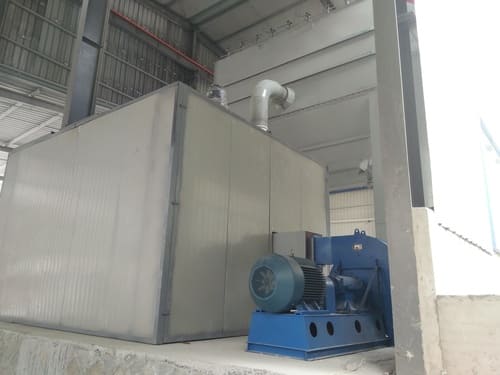
Common auxiliary equipment typically includes vibrating feeders to ensure uniform feeding and powder classifiers to separate qualified finished products. You’ll also see pulse dust collectors used for dust control and collecting finished powder. For transport, belt conveyors or air conveyors move raw materials and products, while blowers provide the necessary working airflow. Finally, automatic electric control systems are used to monitor and adjust the operation status of the entire production line.
How to optimize Vertical impact mill grinding efficiency?
First off, maintaining uniform and stable feeding is crucial to avoid overloading or underfeeding the mill. Second, it’s a good idea to check core impact components regularly and replace worn parts in a timely manner, as worn parts can reduce impact energy and efficiency. Third, try adjusting the rotor speed and airflow to match the raw material properties and required fineness, which helps minimize unnecessary over-grinding. Lastly, keeping the classification system in good working order ensures qualified products are removed promptly, saving energy.
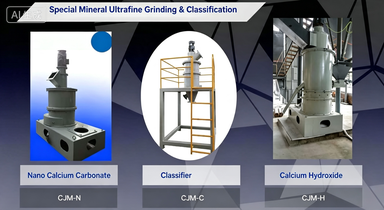
Some classifications of impact mills
Impact Mill Shipping
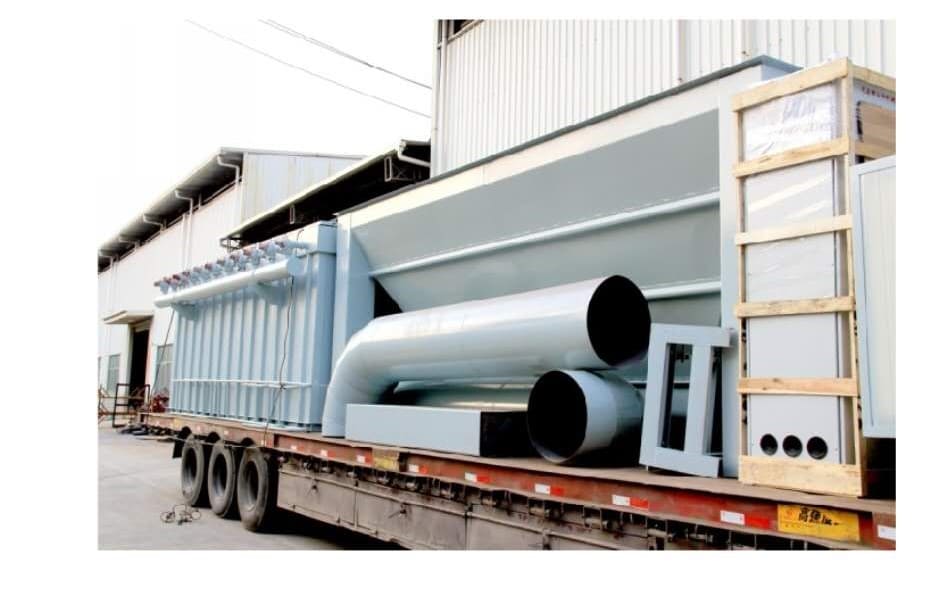
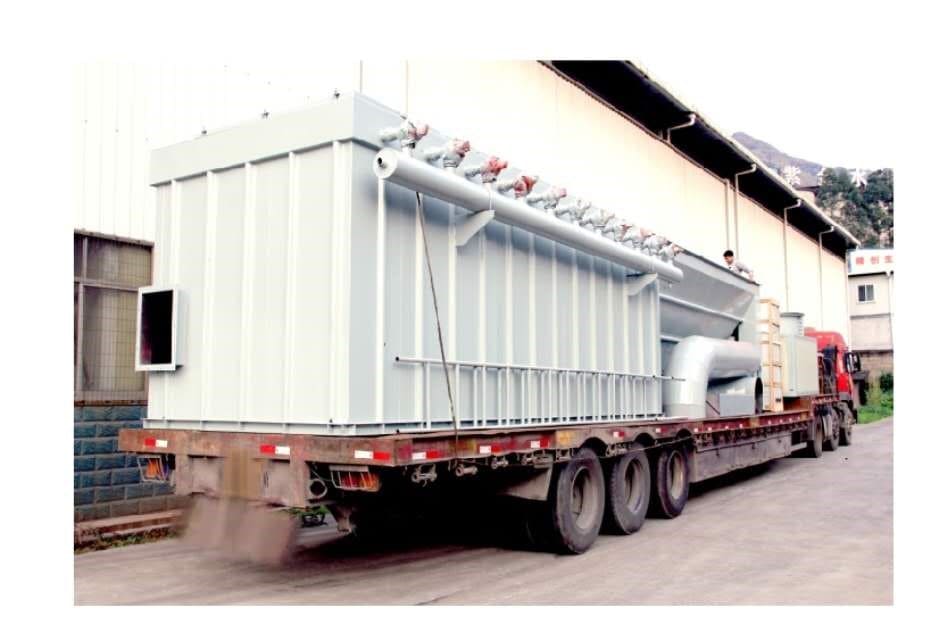
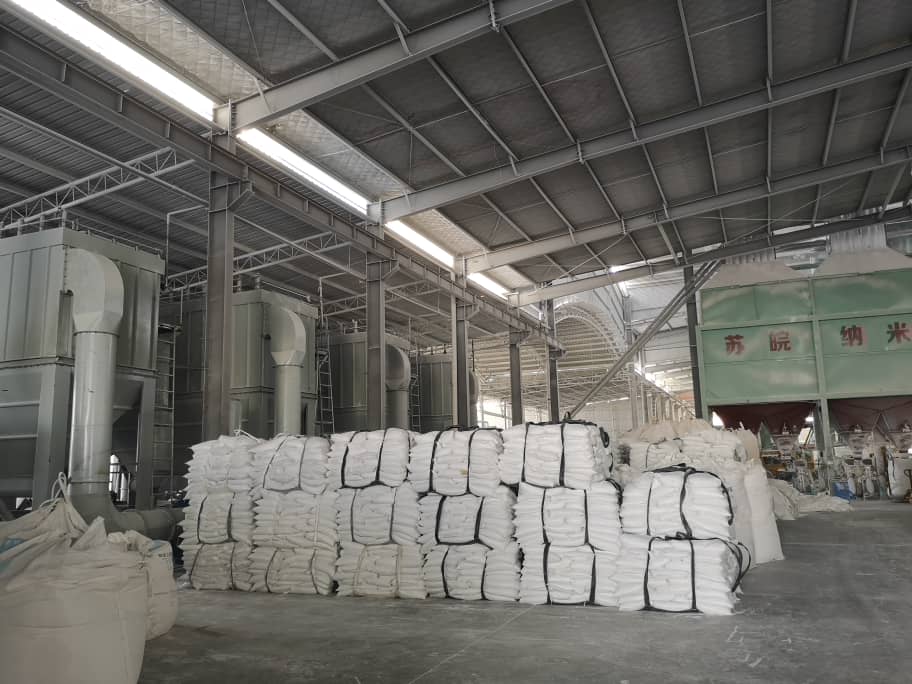
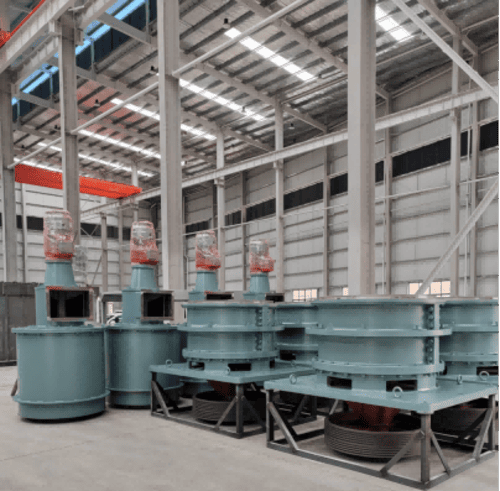
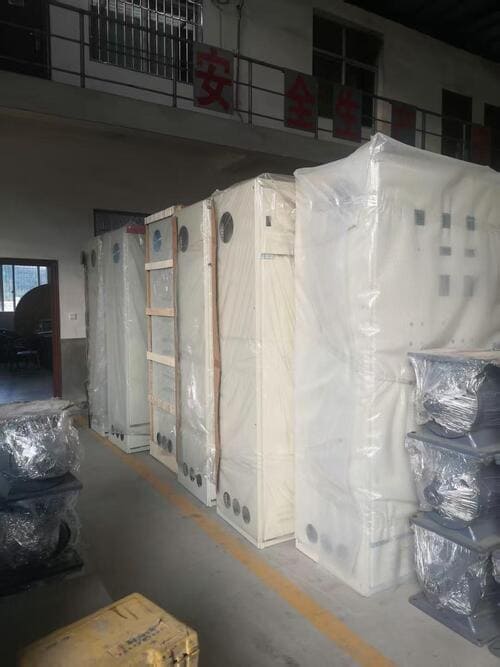
Impact mills are disassembled into modules—housing, rotor, classifier, and motor—for export. Each part is wrapped in plastic film, foam-padded, and secured on ISPM 15 fumigated pallets with steel straps. Larger units use reinforced export crates with internal bracing and moisture protection. Heavy components load first in containers, secured with lashing straps. Documentation includes packing list, Bill of Lading, invoice, and certificate of origin. Cargo ships in 20ft or 40ft containers for efficient sea freight delivery.
Product Models & Basic Production Capacity Advantages
Our company has launched four models of CJM-800, CJM-1000, CJM-1250 and CJM-13800 for anode materials to meet the diversified production demands of different customers.
- Configuration of Flagship Model The flagship CJM-1380 model adopts patented technical solution of double classification, double dust removal and double fans, with a high hourly output of 1.2~1.4 tons and stable powder fineness.
- Improved Production Capacity under Identical Working Conditions Under identical production conditions of raw material type, fineness standard and equipment model, the production capacity of our equipment is over 15% higher than that of traditional equipment. Compared with single-layer impact mills, all double-layer impact mills can increase output by 10%~20% with the same raw materials and fineness requirements.
Integrated Crushing & Shaping to Greatly Reduce Comprehensive Production Costs
In the production of many finished anode material products, crushing and shaping are two separate processes. Independent shaping procedures require extra investment in shaping equipment, factory land and plant space, as well as additional power consumption, labor operation and maintenance costs.
Our equipment realizes one-step forming of crushing and shaping, eliminating the full set of supporting investments for independent shaping, and cutting comprehensive production costs from multiple dimensions including equipment, plant space, energy consumption and labor.
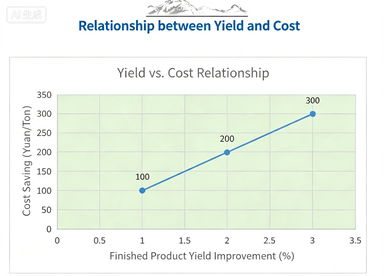
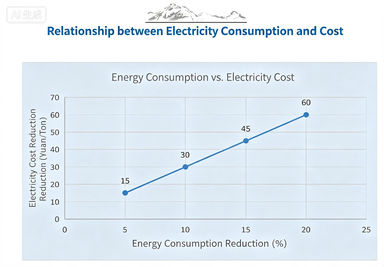
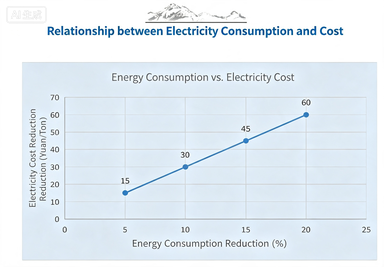
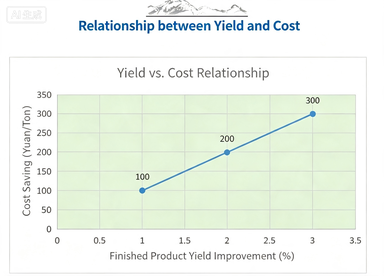
Supporting cost-benefit data for verification: For every 1% increase in finished product yield, the production cost per ton of product can be reduced by 100 RMB; a 2% yield increase saves 200 RMB per ton, and a 3% yield increase saves 300 RMB per ton. When power consumption is reduced by 5%, the electricity cost per ton drops by 15 RMB; for power consumption reductions of 10%, 15% and 20%, the electricity cost per ton decreases by 30 RMB, 45 RMB and 60 RMB respectively.
Core Crushing Structure & Working Principle of Double-Layer Impact Mill
(I) Patented Double-Layer Crushing Chamber Structure
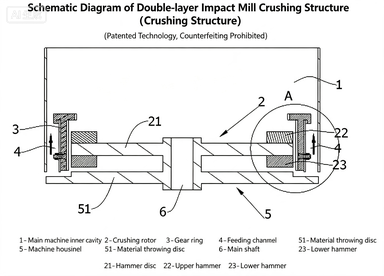
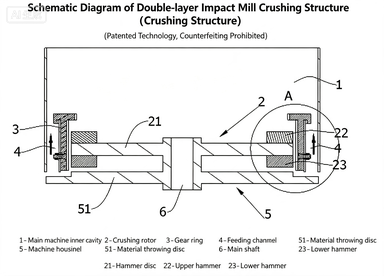
The core crushing unit of the equipment includes a complete set of patented structures: main machine inner cavity, crushing rotor, gear ring, feeding and discharging channels, material throwing disc, main shaft, hammer disc, upper hammer head and lower hammer head. It relies on double-layer hammer heads for composite crushing to achieve performance breakthroughs.
- Coordinated Division of Labor for Upper and Lower Hammer Heads ① Upper hammer head: Mainly responsible for coarse crushing of materials and depolymerization of powder; ② Lower hammer head: Agitates materials inside the chamber, strengthens mutual collision and friction between particles, and synchronously completes fine crushing and powder shaping to optimize the morphology of finished powder; ③ Linkage effect of double-layer hammer heads: When upper and lower hammer heads work simultaneously, the equipment’s crushing space is increased by more than 3 times compared with single-layer mills, achieving higher production capacity and lower unit power consumption.
- Auxiliary Crushing and Shaping Functions of Material Throwing Disc ① Flow guiding function: Guided by the centrifugal force of the crushing rotor and the self-weight of materials, raw materials flow rapidly downward into the crushing area; ② Filling and friction function: The surface area of the material throwing disc is larger than that of the crushing hammer disc, which enables materials to evenly fill the circumference of the crushing rotor. Particles fully collide, extrude and rub against each other to complete efficient crushing and powder shaping simultaneously; ③ Uniform discharging function: Driven by centrifugal force, crushed and shaped powder is evenly thrown outwards to the circumference of the chamber for subsequent classification and collection.
(II) Core Structural Differences Between Double-Layer Mill and Single-Layer Impact Mill
- Greatly Expanded Crushing Space The gear ring height of the double-layer impact mill is about 1.5 times higher than that of single-layer mechanical mills, the crushing gap is expanded by about 2 times, and the overall crushing space is increased by more than 3 times.
- Composite Crushing Force (Dual Crushing of Impact and Friction) Single-layer mechanical mills only rely on end-face crushing, completing crushing mainly through the impact force generated when powder hits hammer heads and gear rings. The double-layer impact mill integrates impact force from end-face crushing + friction force from circumferential crushing. Powder particles not only collide with hammer heads and gear rings at high speed, but also generate strong friction in the gaps between hammer heads and gear rings. The mutual friction and extrusion between powder particles deliver higher crushing efficiency and superior sphericity and morphology of powder.
Advantages of Double-Layer Impact Mill in Powder Performance
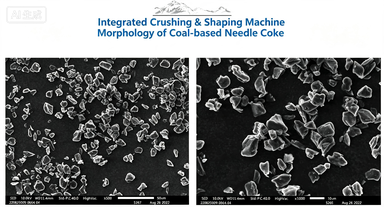
A core production requirement in the anode material industry is a narrow particle size distribution of powder. Through innovative matching of the crushing chamber, classification system, cyclone collection and fan system, as well as optimized feeding, control and post-processing systems, our double-layer impact mill supports stable automatic 24-hour continuous production with outstanding powder indicators:
- Excellent particle size indicators: Finer Dv50 of finished products, narrower particle size ranges of D10, D99 and D100, and concentrated particle size distribution;
- Superior powder morphology: The equipment comes with built-in shaping effect. The finished powder features regular particle shape, excellent bulk density and tap density, low fine powder content and high finished product yield. It can be directly used as an integrated crushing and shaping machine for many types of anode raw materials.
All-Round Competitive Advantages of Double-Layer Impact Mill in the Anode Material Industry
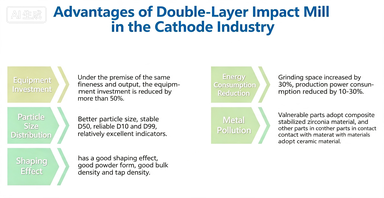
(I) Production Capacity Advantage
With identical raw materials and fineness standards, the output is 10%~20% higher than that of single-layer impact mills. The flagship CJM-1380 model delivers an hourly output of 1.2~1.4 tons.
(II) Finished Powder Quality Advantage
Powder particles feature regular morphology, low fine powder content, high tap density and high finished product yield. The integrated crushing and shaping process eliminates independent shaping procedures.
(III) Operation & Maintenance Cost Advantage for Wear Parts
Wear parts of the equipment adopt a composite wear-resistant protection scheme (Attached Drawing: Full Ceramic Protection Logo): The surface of the hammer disc is equipped with a wear-resistant welding protective layer, and the striking surface of hammer heads is fully protected by hard alloy. The service life of wear parts is greatly extended, cutting the comprehensive service cost of wear parts by nearly 50%. Key components in contact with materials are made of ceramic and composite stabilized zirconia materials to eliminate metal contamination of powder.
(IV) Built-In Drying Function to Reduce Raw Material Pretreatment Costs
The large crushing chamber and strong powder friction of the equipment generate higher internal operating temperature of the cavity, accelerating the evaporation of internal moisture in raw materials. It supports continuous production of raw materials with different moisture contents without blockage during the whole process. Independent front-end drying equipment can be eliminated, reducing drying costs by 30~60 RMB per ton of product.
(V) Wide Range of Raw Material Adaptability
It is well suited for mass production of powder with various fineness levels, targeting mainstream anode raw materials such as petroleum coke and coal-based needle coke.
Energy Saving & Consumption Reduction Advantages of the Whole Equipment
- The crushing space of the chamber is increased by 30%, and the power consumption per unit product of the whole machine is reduced by 10%~30%;
- The double-layer composite crushing structure cuts invalid energy consumption, resulting in significantly lower power consumption under the same output compared with single-layer impact mills;
- The integrated crushing and shaping process eliminates dual energy input from independent shaping and drying equipment, greatly lowering comprehensive electricity costs.
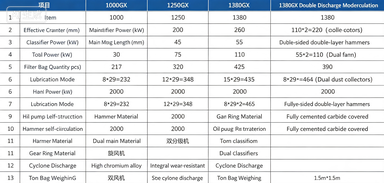
Equipment Technical Parameter Drawing (Special for Anode Materials)
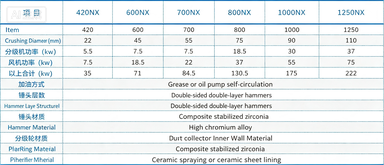
Equipment Technical Parameter Drawing (Special for Cathode Materials)
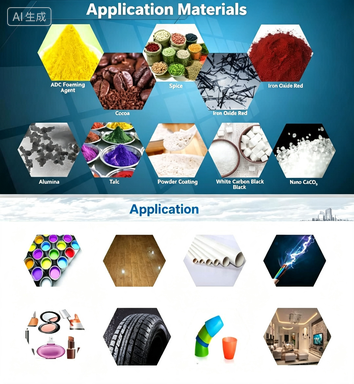
Equipment Application Scenarios
- Anode Material Production: Adapted for crushing and shaping of anode raw materials including petroleum coke and coal-based needle coke;
- Cathode Material Production: Suitable for crushing and classification of various lithium-ion cathode powder materials.
- Drawing line: As shown in below picture:
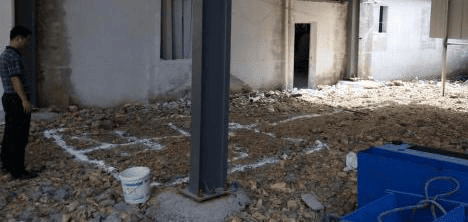
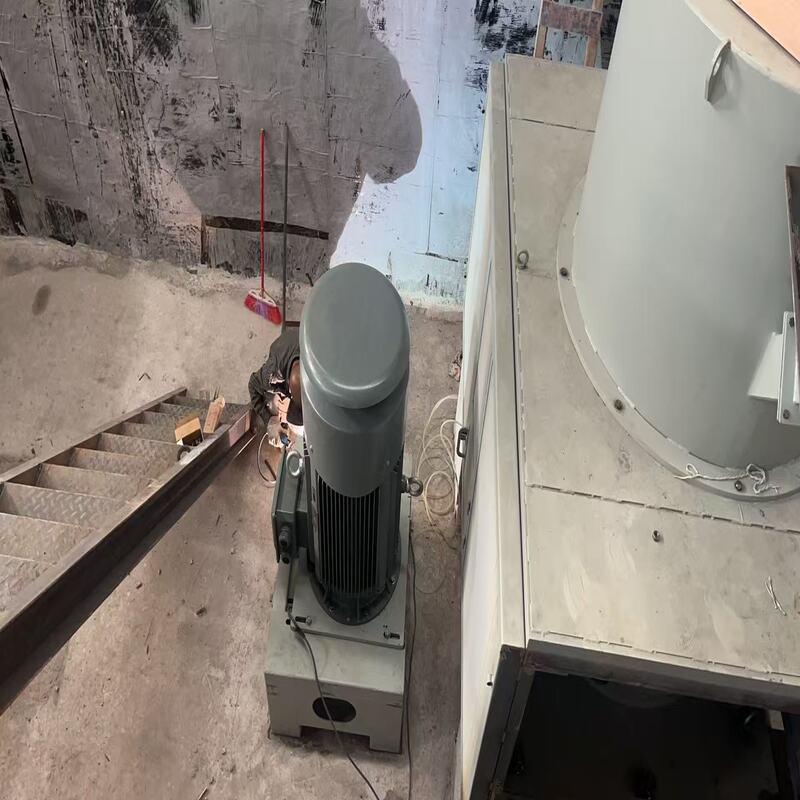
- Dig a hole: The SHM-309 foundation drawing showed size : length:3.65M,wide:3M,highly:0.5M.When Dig the hole need to have reservation some size.
Suggest size: length:4M,wide:3.5M.
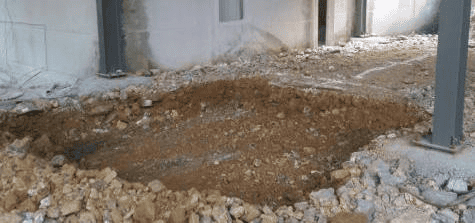
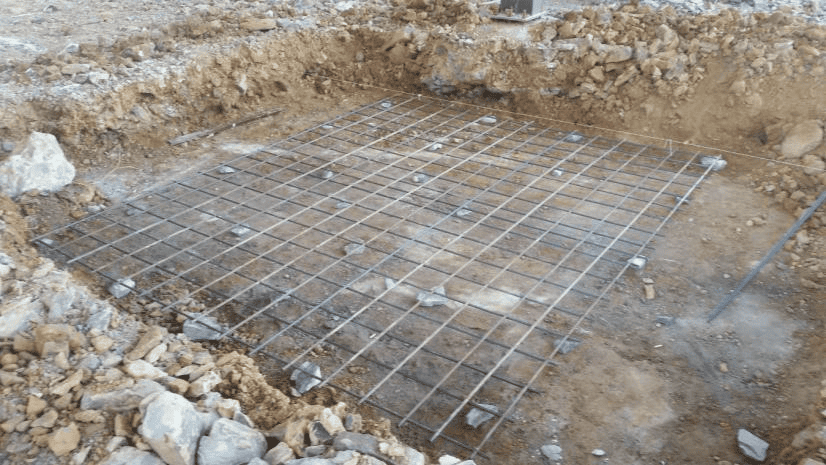
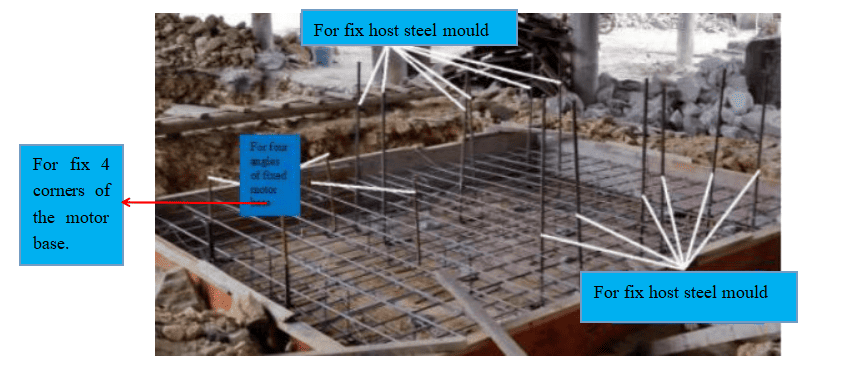
- Put reinforced:Arrangement of two layers of rebar in the pit.
The size of reinforced:DiameterΦ16,spacing:20cm,Tie the rebar tightly with steel wire.
- Set mould: Enclose the square pit with template and height is the same as the ground.
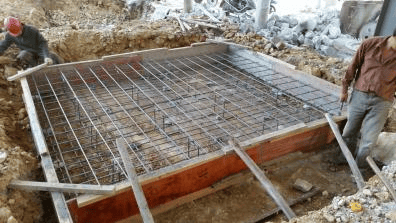
- Welded: Accurately arrange the position of the steel mould and motor seat.Put 6 rebar (Φ 24) inside of each steel die (2 steel mould); Four corners of the motor base stand up and 1 rebar(Φ 18). Each rebar is 50 cm higher than the horizontal plane.
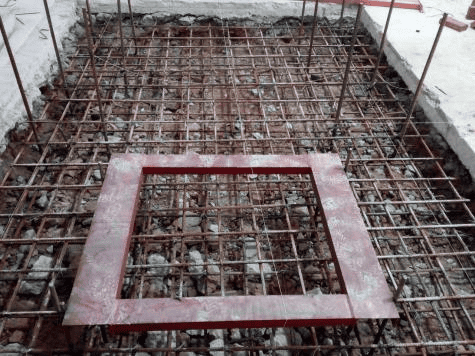
- First pouring concrete: The height is the same as the floor.
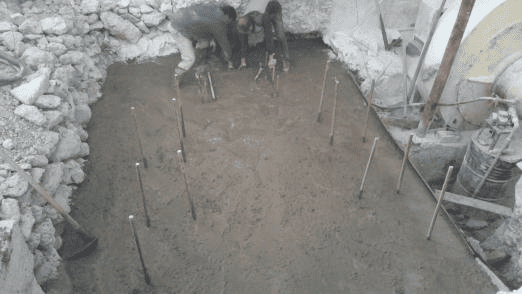
- Placing main machine steel die: The next day, Placing the main machine steel mould according to the size of the basic drawing.
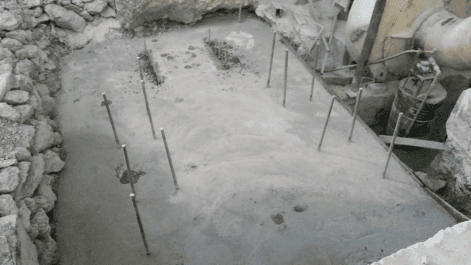
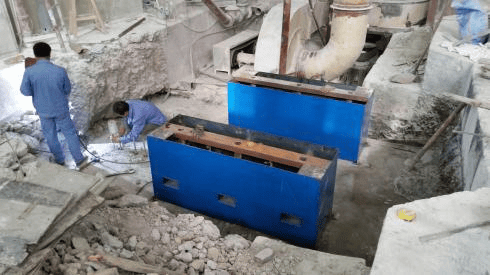
- Weld: After the steel mould is put in place and make sure all sizes are correct. Weld the steel mould with 6 rebars (Φ24) together.
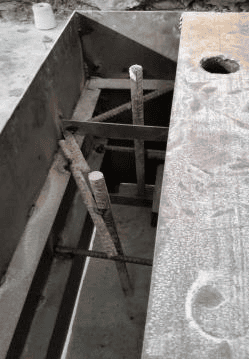
- The second pouring concrete. When pouring, the first steel mould is pouring half, and then poured another half of the steel mould, then back to pouring the first steel mould. It ensures that the size comparison does not deviate.Attention
- A single steel mould must be horizontal, at the same time, two steel mould dies must be horizontal.
- The pitch-row of the foundation bolts of two steel mould must be accurate. SHM-309 roller mill is 2045mm.
- Two steel mould cannot be misplaced.(It can be corrected by diagonal lines between steel dies, the length of diagonal must be equal.)
- The center line between steel mould and motor seat must be accurate. SHM-309 roller mill is 1900mm.
- After the steel mould is put in place and make sure all sizes are correct, the two steel mould must be welded and fixed with three channels steel before pouring concrete. Make sure the steel mould is not displacement and dimension not error during pouring. (This step must be done.)
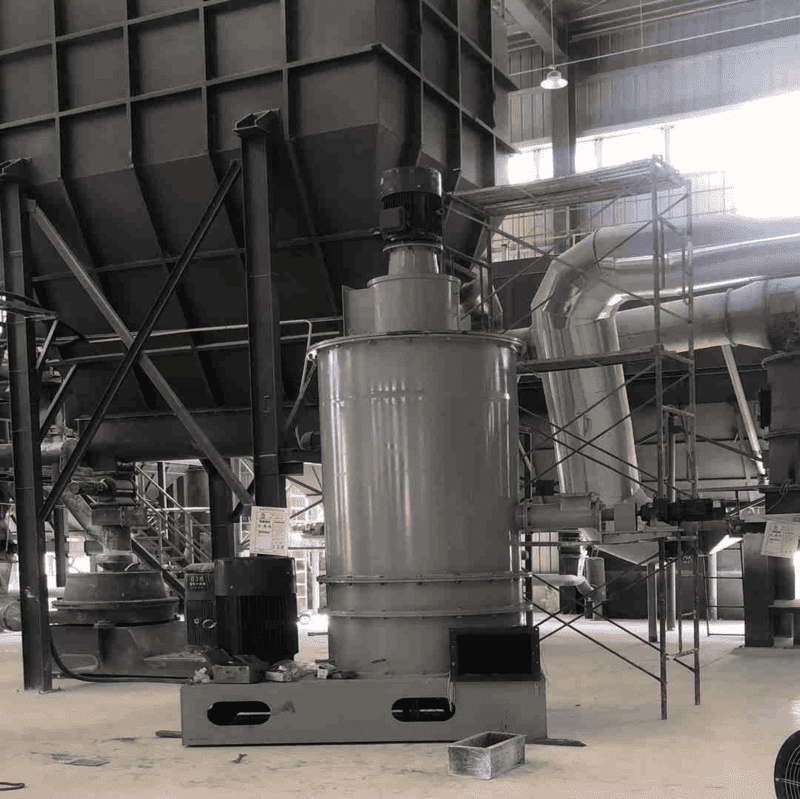
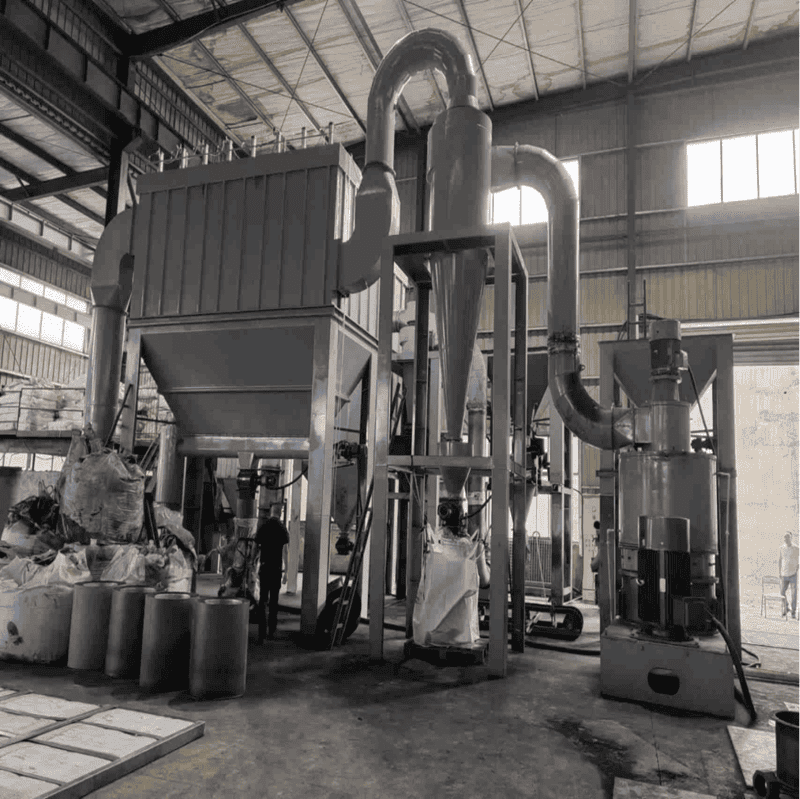
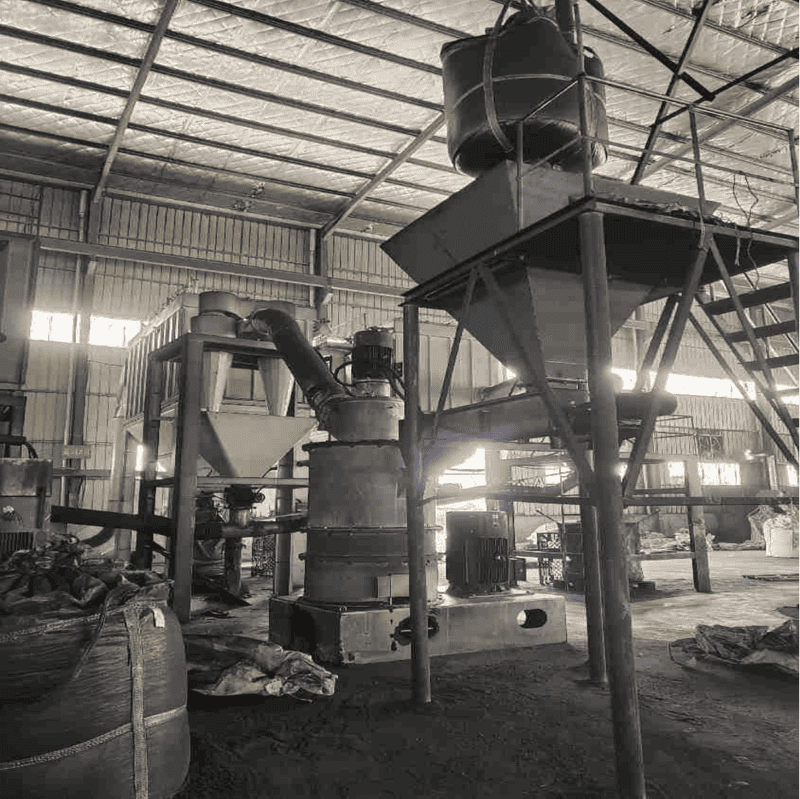
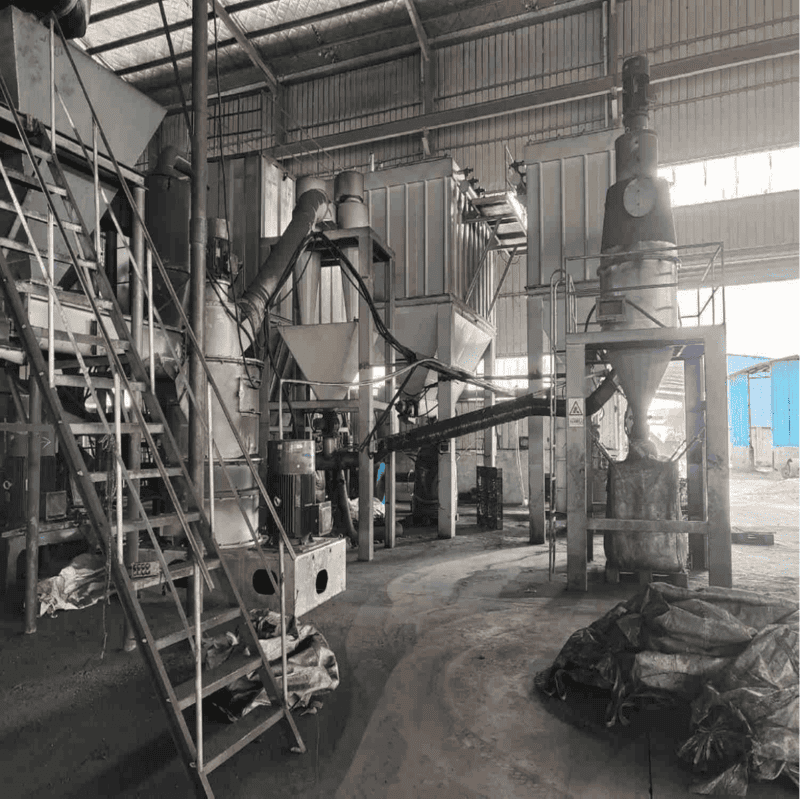
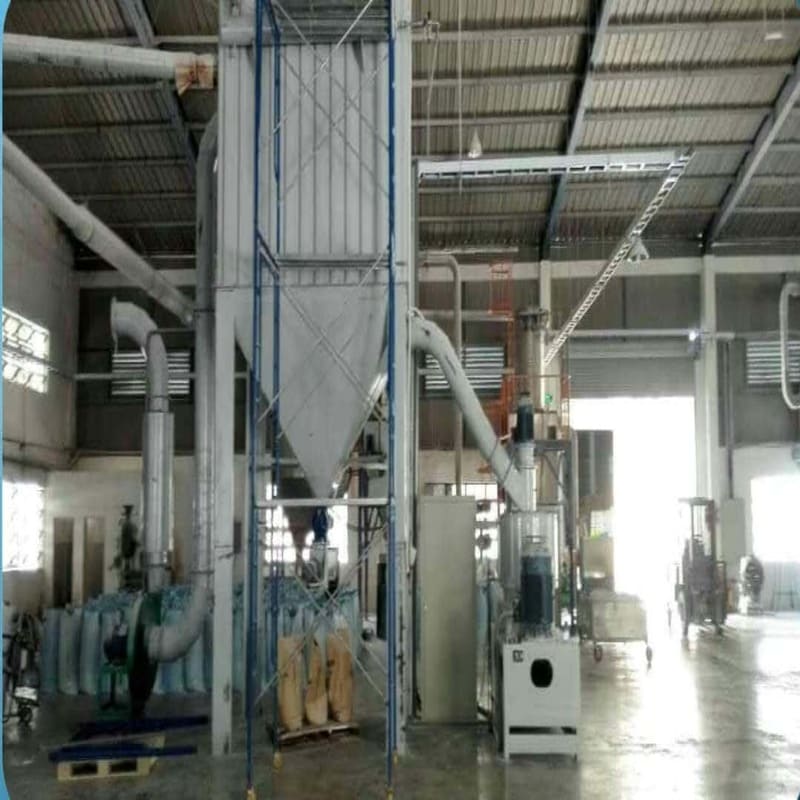
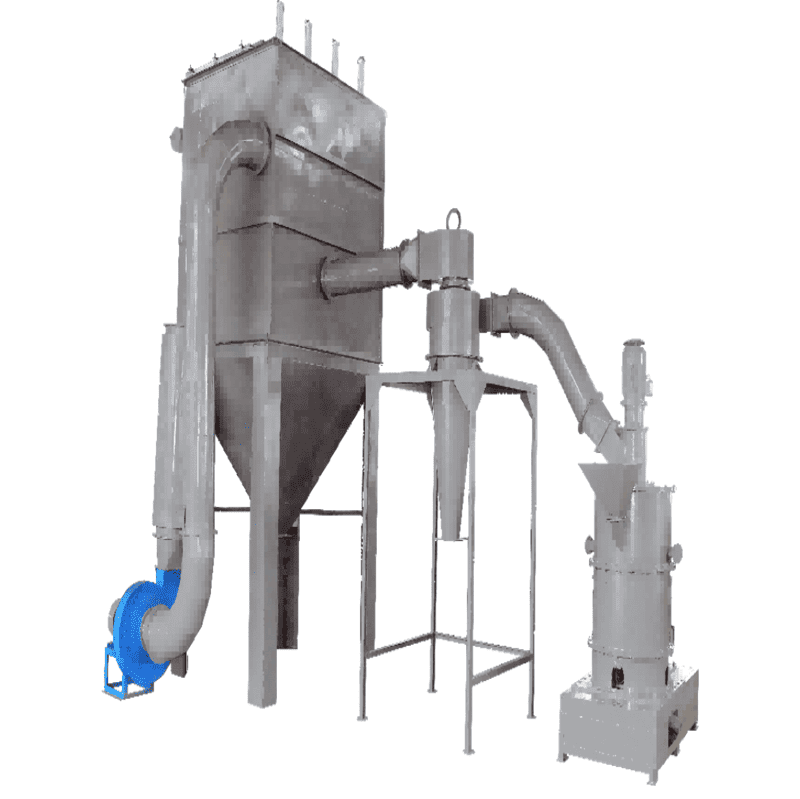
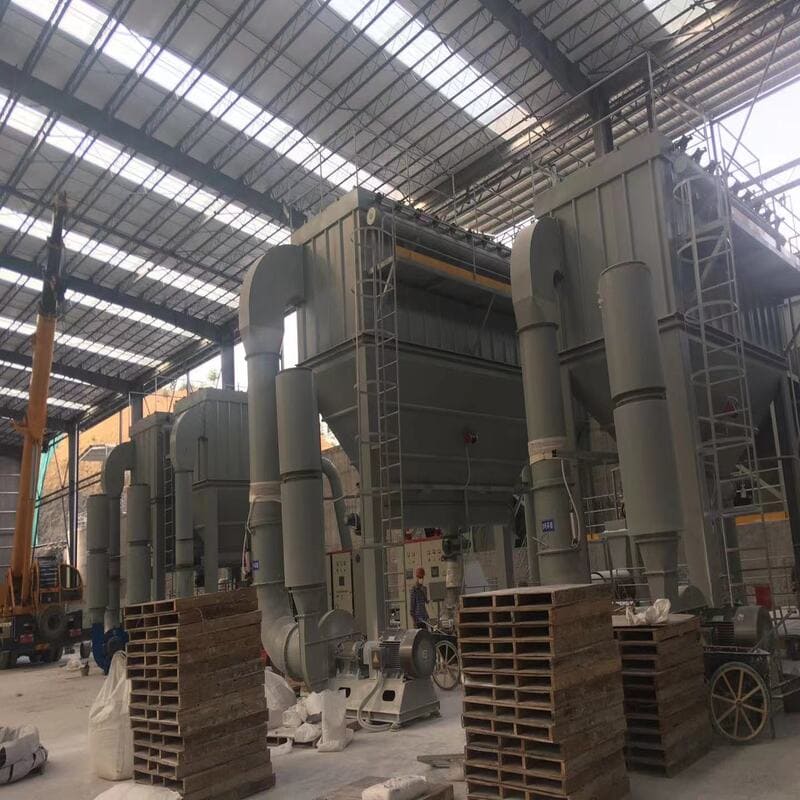
Impact Mills for Sale
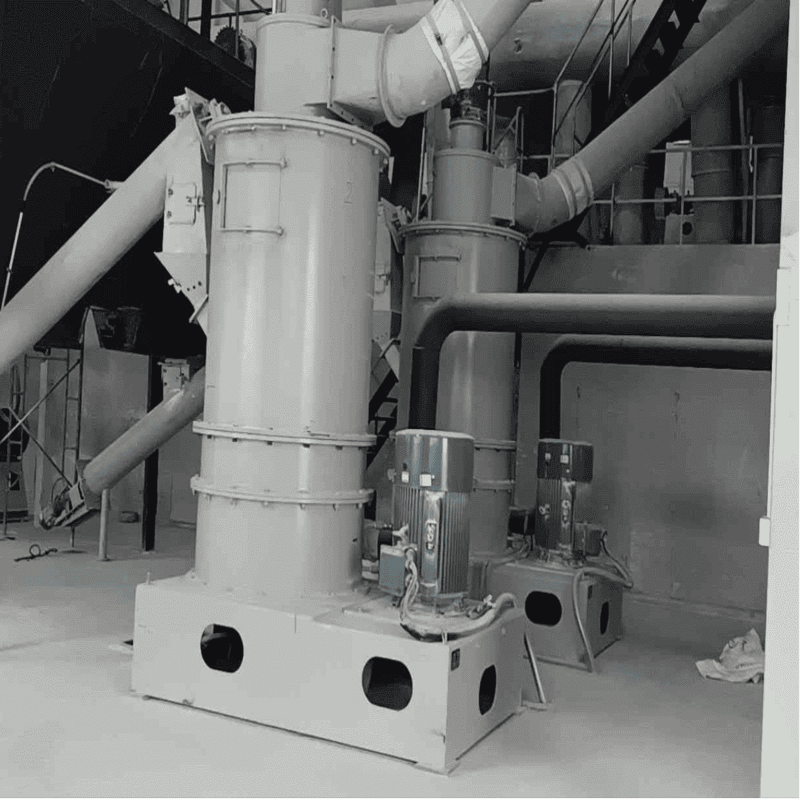
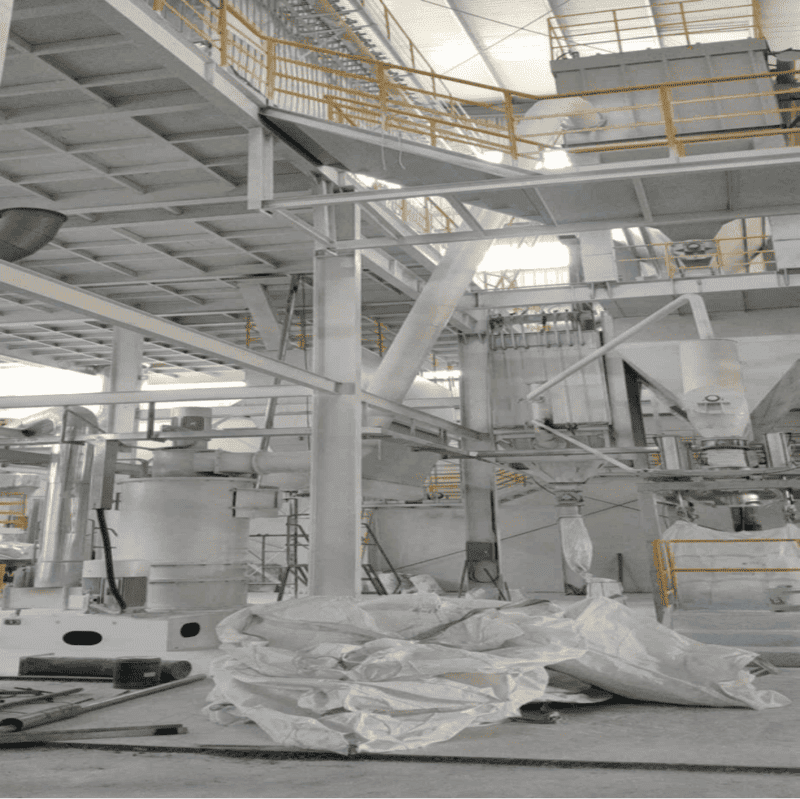
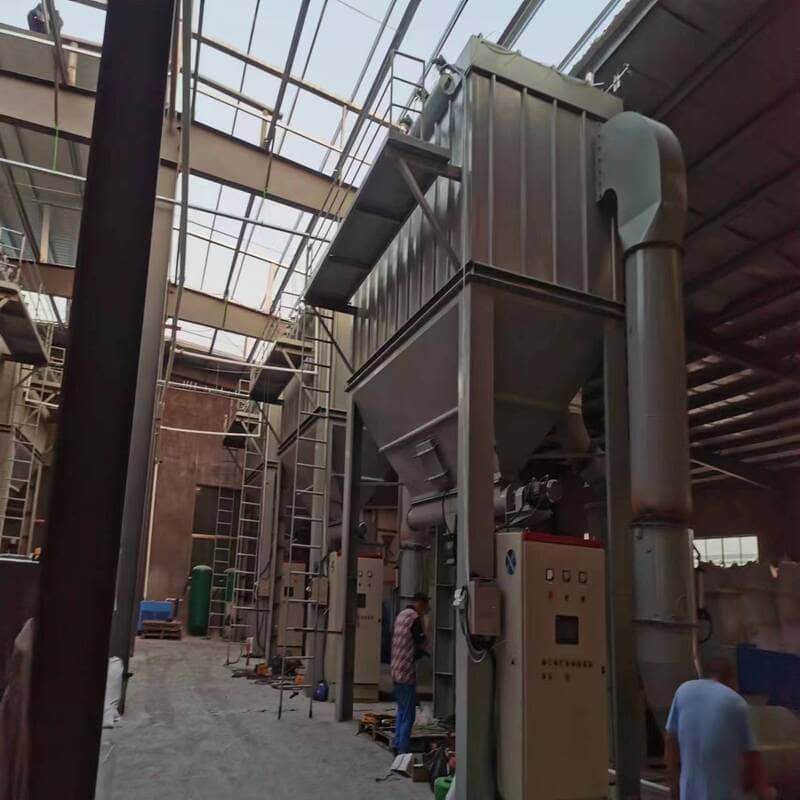
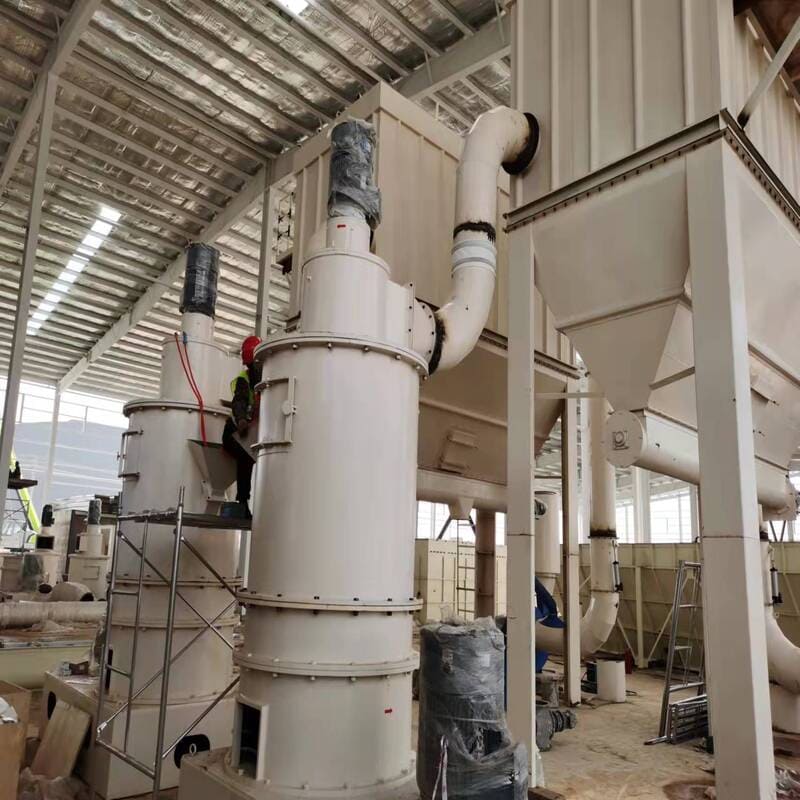
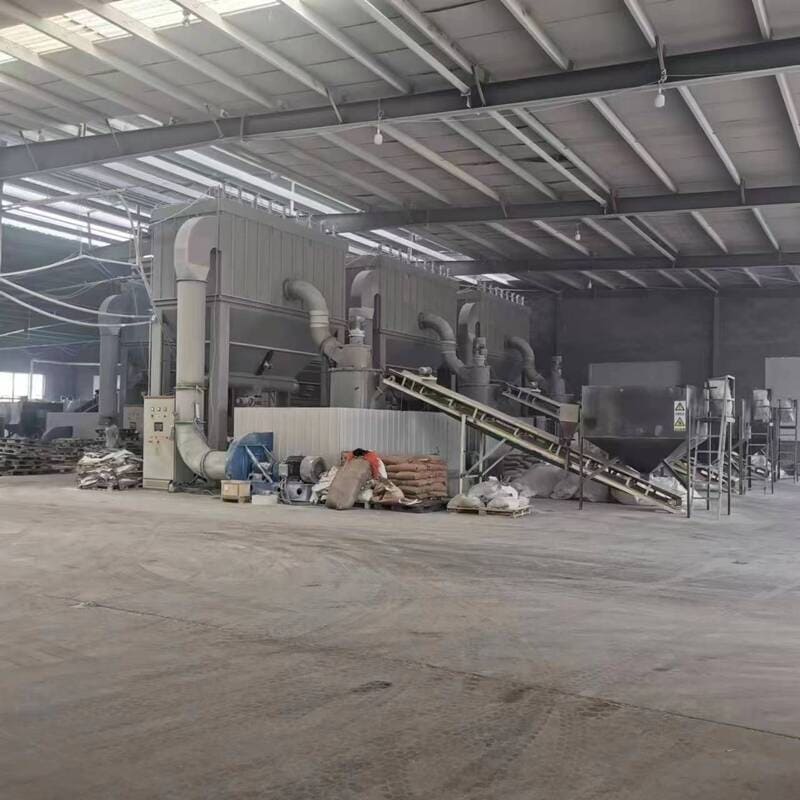
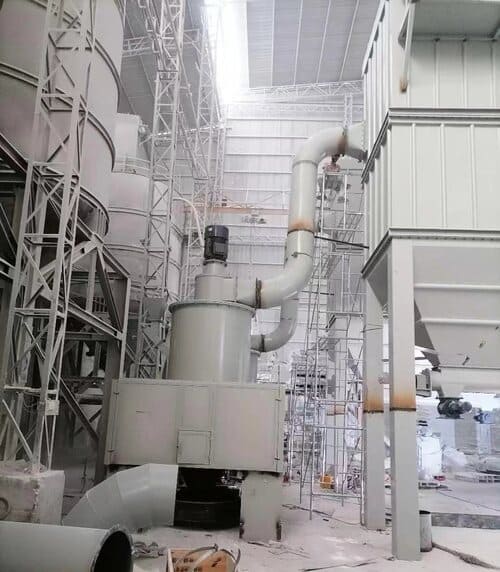
Roller Mills for Sale
About LKMixer
LKMixer is a professional manufacturer for grinding and mixing production line, grinder, mixer and granulator, shredder. These machines are widely used in food, pharmaceutical, cosmetic, health care products and chemical industries. The Food materials like Banana , Yellow Onion, seeds, potato, bean, tobacco, salt, cannabis, tea, Potato, corn, Coffee, rice, pepper, grain as so on. Grinders have many types such as Vacuum Millwhich suitable for zero dust environment, high speed grinder which is suitable for high speed, 0-100 all can meet, Dry Grinder , and also cutting type pulverizer or other grinding machines like SF Hammer. Welcome to contact us for details. Contact us for more information. Proposal, catalog, quotation.
FAQ(Click and See More)
Why Choose Us?
We have 20 years manufacturing experiences; 15600 cubic meters factory area; 5000sets annual capacity; 55 professional engineers;
What’s your main maket?
South America: Brazil, Colombia, Peru, Bolivia, Uruguay, Paraguay ;Romania;
USA with UL Certification
Middle East: Saudi, Arabia, Oman, Turkey
Europe: Russia, Australia, Belarus, Ukraine, Poland
Can you support OEM?
– Yes, OEM or ODM. Machine can be customized according to customer detail requirement, including capacity and voltages, motor certifications.
– Drawing and raw materials also can be customized.
What after-sale services?
– 7*24 customer service online;
– 7*24 engineers online services;
– 12 months warranty services.
WHAT kind of MACHINE YOUR COMPANY HAVE?
CAN YOU GIVE ME GUIDE ON OTHER MACHINE ? TO FULL MY PRODUCTION LINE
YES ! Our f have factory build more than 20 years now, we can design and customize whole line, besides of the grinding machine, mixing machine, we can also fully support to provide the washing machine, cutting machine, drying machine, packing machine, filling machine. Though we are not producing these machine, but our brother companies co-work together for over 20 years, we have rich experience in providing you a full effective production line, fully automatically or semi-automatically.
HOW TO VISIT YOUR COMPANY?
Our Factory located in Jiangsu Province, very near to Shanghai, you can fly to Shanghai Pudong Airport, we pick you up and take you by car 2 hours ride, can reach our factory, welcome your visit.
WHAT’S YOUR BEFORE & AFTER SERVICE ?
1) Before your purchasing, we need to know your detail request, such as what kind of material you want to grind and mixing, what final product powder or granule you want to reach. Because different material and powder sizes request of different machine to do. We can provide professional advice and rich experience help to choose machine. Most of the products we have already did before for other customer, trail test or run mass production, so we knows which machine is best in performance of grinding and mixing. This is of very importance in helping you choose the right model. We also wish this can help our customer a lot. Even the material we didn’t do before, we will prepare the same material and to do the trail test and send video to you for your reference.
2) One Year guarantee of machine quality. If the machine have problem within one year, we will send you the spare parts to you for replacement, but this not including the damage caused by human causes. We also have 24 hours on line guide for customer, if you have operation difficulty, we will guide by video and on line communication with our engineer for your emergency debug.
3) For small machine, we sell with whole machine, it’s no need to install, and easy to operation, no problems for operation. While for large machine, its’s also not difficult to install with video guideline, but if you need, we can assign our technicians to go abroad, the round ticket, food and residents will be paid by customer.
HOW ABOUT YOUR PAYMENT TERM?
Our payment term is T/T. 50% payment in advance, rest of 50% payment finish before the goods shipped. When we finish the machine production we will do trail test and run the machine take videos for your green light. You pay the rest of 50% payment then.
Recommend Reading about impact mill
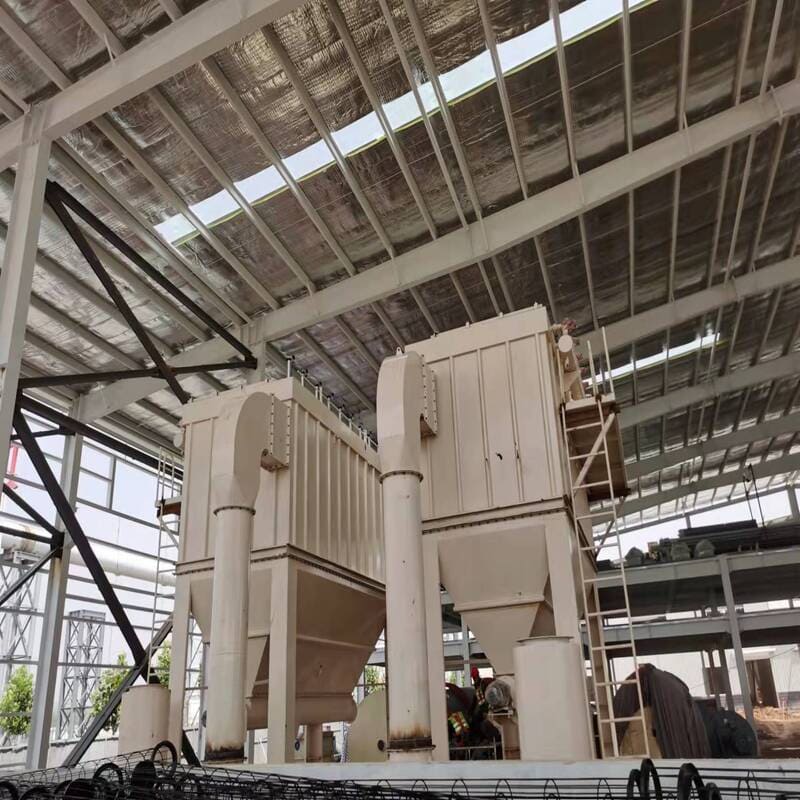
Recommend Reading
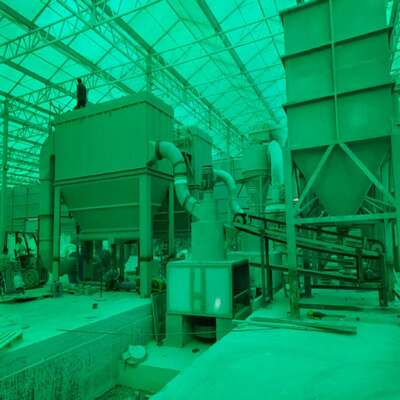
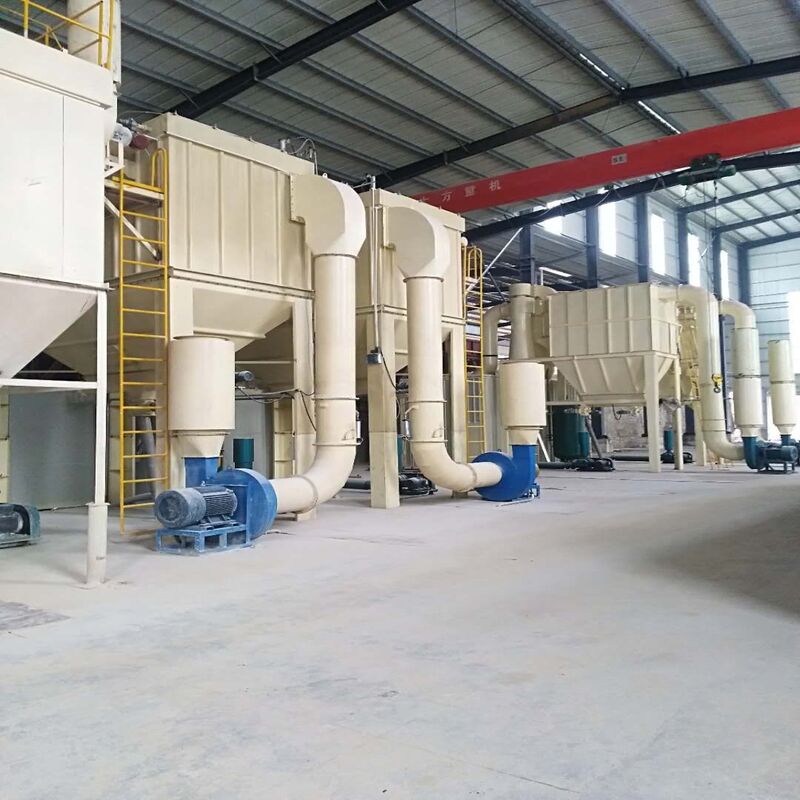
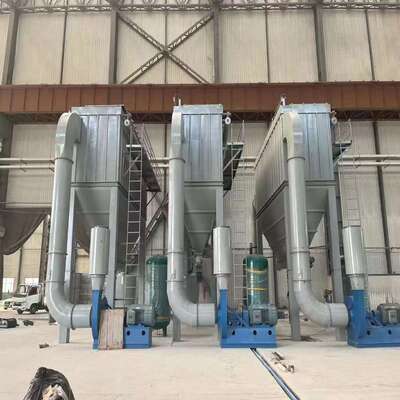
You may also interest in other topics:
8KG 1200W 35mm cylinder 32mm Rotary Hammer ,
40kw dc ev charger 220V ev charger 220V ev charger AC Type 2 32A Wall Box – Wholesaler– ,